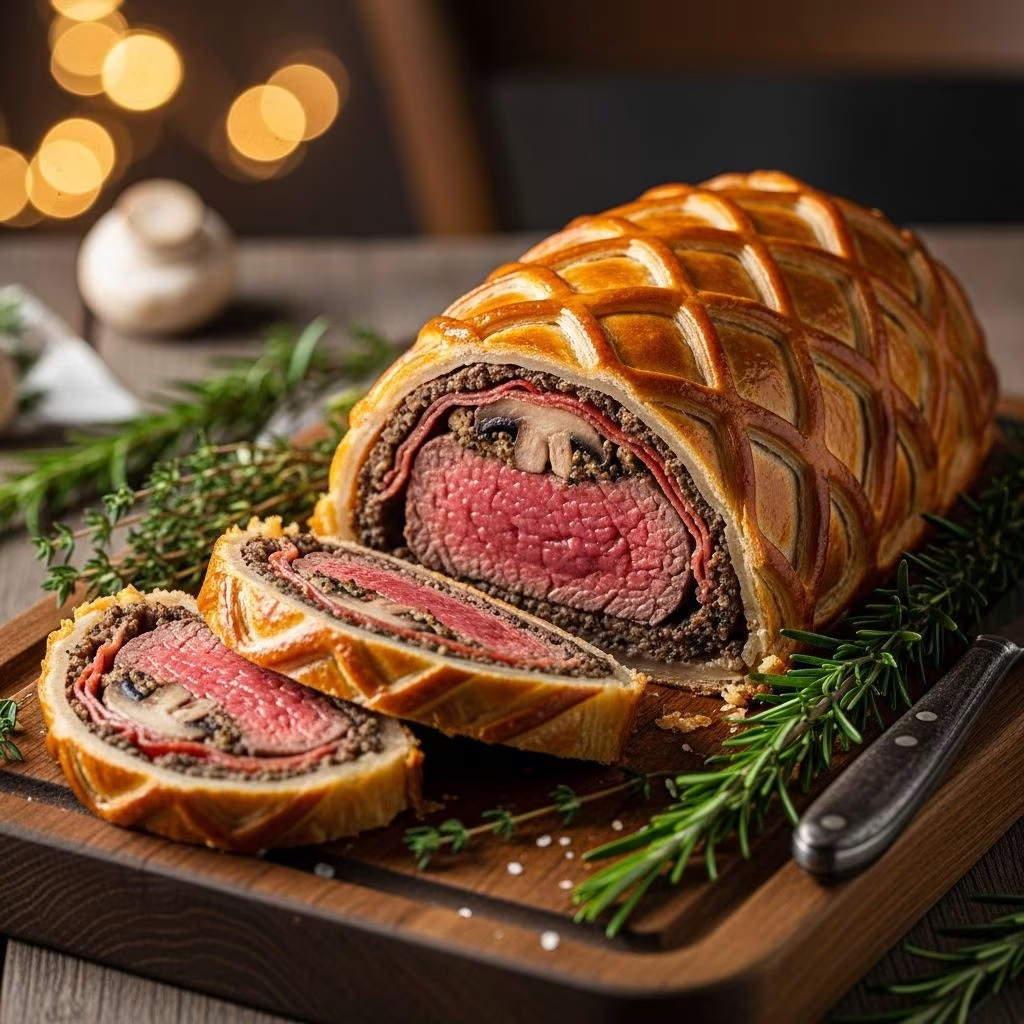
Beef Wellington: The Ultimate Centerpiece for Special Occasions
When it comes to celebrating with food, few dishes make a more memorable statement than Beef Wellington. With its buttery, golden puff pastry, savory mushroom duxelles, salty prosciutto, and a perfectly cooked tenderloin, Beef Wellington is a true showstopper. Though its impressive appearance can be intimidating, this detailed guide breaks down every step to ensure success. Whether you’re planning a festive feast or simply aiming to impress, this recipe will help you master every component of this iconic main course.
Why Beef Wellington is a Classic—and Why It’s Worth the Effort
Beef Wellington has captivated home cooks and chefs alike for generations. Here’s why it stands out:
- Striking Presentation: Golden pastry encases tender beef and savory fillings, making for a dramatic table centerpiece.
- Unique Layering of Flavors: Each bite blends earthy mushrooms, bright herbs, rich prosciutto, tangy mustard, and beefy tenderness.
- Versatility: Variations on seasonings and fillings allow you to put your own spin on a time-honored dish.
Though Beef Wellington has a reputation for being complicated, the process is manageable when broken into clear steps. Carefully following each component’s preparation yields impressive—and delicious—results.
What Makes Beef Wellington Challenging?
The challenge of Beef Wellington lies in achieving the right textures and flavors for every layer without letting the pastry become soggy or undercooked. Most home cooks worry about:
- Timing: To keep the beef tender and moist, the different layers must be prepped sequentially, allowing for proper cooling between each step.
- Moisture: Cooking out all excess moisture from the mushroom duxelles is crucial for crisp pastry.
- Assembly: Careful wrapping and chilling set the stage for clean slicing and dramatic presentation.
Pro tip: Read through the entire recipe twice before starting, and allow yourself plenty of time for chilling and prepping. Take each step methodically, and don’t rush the resting phases—these ensure every bite is as it should be.
Essential Equipment and Tips for Success
- Food Processor: For quick, uniform chopping of mushrooms and shallots.
- Heavy Skillet: Provides even heat for browning beef and cooking duxelles thoroughly.
- Plastic Wrap: Critical for rolling and shaping the Wellington layers tightly and evenly.
- Baking Sheet: For roasting and then baking the wrapped beef.
- Instant-Read Thermometer: Ensures the beef is cooked to your preferred doneness.
- Serrated Knife: For neat, clean slices when serving.
For a smoother process, ask your butcher to trim and tie the tenderloin, and consider prepping the mushroom duxelles in advance.
Ingredient Breakdown
| Component | Ingredient | Purpose |
|---|---|---|
| Mushroom Duxelles | Cremini/button mushrooms, shallots, olive oil, garlic, thyme, salt, pepper, parsley | Earthy, savory base that pairs with the beef |
| Beef Tenderloin | Center-cut tenderloin, salt, pepper, olive oil | Main protein, buttery-soft and flavorful |
| Flavor Layer | Whole grain mustard | Adds tanginess and sharpness |
| Prosciutto | Thinly sliced prosciutto | Insulates beef, helps prevent sogginess, and adds savory saltiness |
| Pastry Shell | Puff pastry, flour (for surface), egg (beaten for wash) | Creates flaky, golden exterior |
Step-by-Step Beef Wellington Recipe
1. Make the Mushroom Duxelles
- Prep: In a food processor, pulse mushrooms and shallots in batches until finely chopped (12-15 pulses).
- Cook: In a large skillet, heat olive oil over medium. Add mushroom-shallot mixture. Cook, stirring often, until moisture evaporates and mixture starts browning (25-30 minutes). Stir in garlic, thyme, salt, and pepper; cook 1 minute more. Fold in parsley. Let mixture cool to room temp (at least 30 minutes).
2. Sear the Beef Tenderloin
- Season: Sprinkle beef all over with salt and pepper.
- Sear: Use a large skillet with olive oil, turning the beef on all sides until thoroughly browned (10-12 minutes).
- Rest: Remove from skillet and rest for 30 minutes. Remove any twine used for tying.
3. Assemble the Wellington Layers
- Prepare a Wrap: On a work surface, form a large rectangle with plastic wrap (about 22×18 inches).
- Layer Prosciutto: Lay prosciutto slices to form a slightly overlapping, even rectangle in the center.
- Spread Mushrooms: Evenly distribute cooled mushroom duxelles over the prosciutto.
- Add Mustard: Rub all sides of the beef with mustard, then place beef along the bottom third of prosciutto-mushroom layers.
- Roll Up: Use the plastic to tightly roll beef, mushrooms, and prosciutto into a snug cylinder (log shape); wrap tightly and chill for at least 1 hour (up to 4 hours).
4. Encase in Puff Pastry
- On Floured Surface: Roll out thawed puff pastry to a rectangle large enough to wrap the beef (consider chilling pastry to make it easier to handle).
- Unwrap Beef: Remove chilled beef package from plastic wrap and place on one end of pastry.
- Roll and Seal: Wrap pastry tightly around beef log. Trim excess, fold edges under, and press to seal seams.
- Egg Wash: Place seam side down on a baking sheet; brush surface with beaten egg. Optional: use pastry trimmings to create decorative patterns before brushing on egg wash.
- Chill Again: Chill entire wrapped Wellington while preheating oven (ensures pastry bakes up crisp).
5. Bake to Perfection
- Bake: Preheat oven to 425°F (220°C). Bake for 40-45 minutes, or until pastry is deep golden brown and an instant-read thermometer inserted into thickest part of beef registers 120-125°F for medium rare.
- Rest: Let Beef Wellington rest 15-20 minutes to keep juices from spilling out during slicing.
- Slice: Cut with a serrated knife for clean, straight slices. Serve immediately.
Ingredient List
- For the Mushroom Mixture:
- 1 1/2 lbs. cremini or button mushrooms
- 3 shallots, peeled and chopped
- 3 Tbsp. olive oil
- 4 garlic cloves, finely chopped
- 1 Tbsp. fresh thyme leaves, chopped
- 1 1/2 tsp. salt
- 1/2 tsp. black pepper
- 1/4 cup fresh parsley, chopped
- For the Wellington:
- 2 1/2 lbs. center-cut beef tenderloin (10–12” long)
- 2 tsp. salt
- 1 tsp. black pepper
- 2 Tbsp. olive oil
- 2 Tbsp. whole grain mustard
- 4 oz. thinly sliced prosciutto
- All-purpose flour (for rolling surface)
- 1 package (17 oz.) puff pastry, thawed
- 1 egg, beaten (for egg wash)
Preparation Tips for Best Results
- Moisture Control: Cook the mushroom mixture until almost all liquid evaporates—a must for crisp pastry.
- Chill Each Layer: Chilling the mushroom-wrapped beef ensures the Wellington holds its shape and bakes evenly.
- Pastry Decoration: Score or decorate with pastry scraps for a classic look. Don’t forget the final egg wash for shine!
- Slicing Cleanly: Rest the finished Wellington and use a serrated knife for perfect portions.
Common Substitutions and Variations
- Mushrooms: Swap cremini for button, portobello, or shiitake for different flavors.
- Herbs: Use rosemary or sage in place of thyme for a unique profile.
- Mustard: Dijon or horseradish cream can replace whole grain mustard.
- Vegetarian: Substitute a large roasted portobello cap for the beef and omit prosciutto for a meatless twist.
- Puff Pastry: Both store-bought and homemade work well—just ensure it’s fully thawed for easy handling.
Frequently Asked Questions (FAQs)
What cut of beef is best for Beef Wellington?
Center-cut beef tenderloin is preferred for its tender, lean texture that cooks evenly and pairs perfectly with rich pastry.
Are beef tenderloin and filet mignon the same?
Filet mignon is a steak cut from the larger beef tenderloin muscle. For Wellington, the whole center-cut tenderloin provides the ideal shape and size for wrapping.
Can Beef Wellington be prepared ahead?
Absolutely! Prepare the mushroom mixture and wrap the beef in mushrooms and prosciutto (plastic-wrapped) up to 4 hours ahead for fuss-free assembly before baking.
Why did my pastry turn soggy?
Excess moisture is the main culprit. Ensure the mushroom mixture is very dry, wrap the beef tightly, and chill thoroughly before baking.
How do I know when Beef Wellington is done?
Use a thermometer: 120–125°F gives medium-rare beef. Rest for 15–20 minutes before slicing—it continues to cook slightly out of the oven.
Serving and Presentation Ideas
- Accompaniments: Serve with roasted vegetables, rich pan sauces, or creamy mashed potatoes for a classic pairing.
- Garnishes: Fresh herbs or a drizzle of red wine jus elevate presentation even further.
- Slicing Technique: For best results, use a sharp serrated knife and clean between slices for neat, picture-perfect portions.
Final Thoughts: Making Beef Wellington at Home
With careful planning and these detailed instructions, creating a stunning Beef Wellington is an achievable goal for home cooks. Take your time, savor each step, and enjoy the reward—a dish as impressive in flavor as it is in appearance. The satisfaction of unveiling a perfectly baked Wellington at your dinner table is well worth the extra effort.