Beer-Braised Bison Pot Roast: The Ultimate Comfort Food
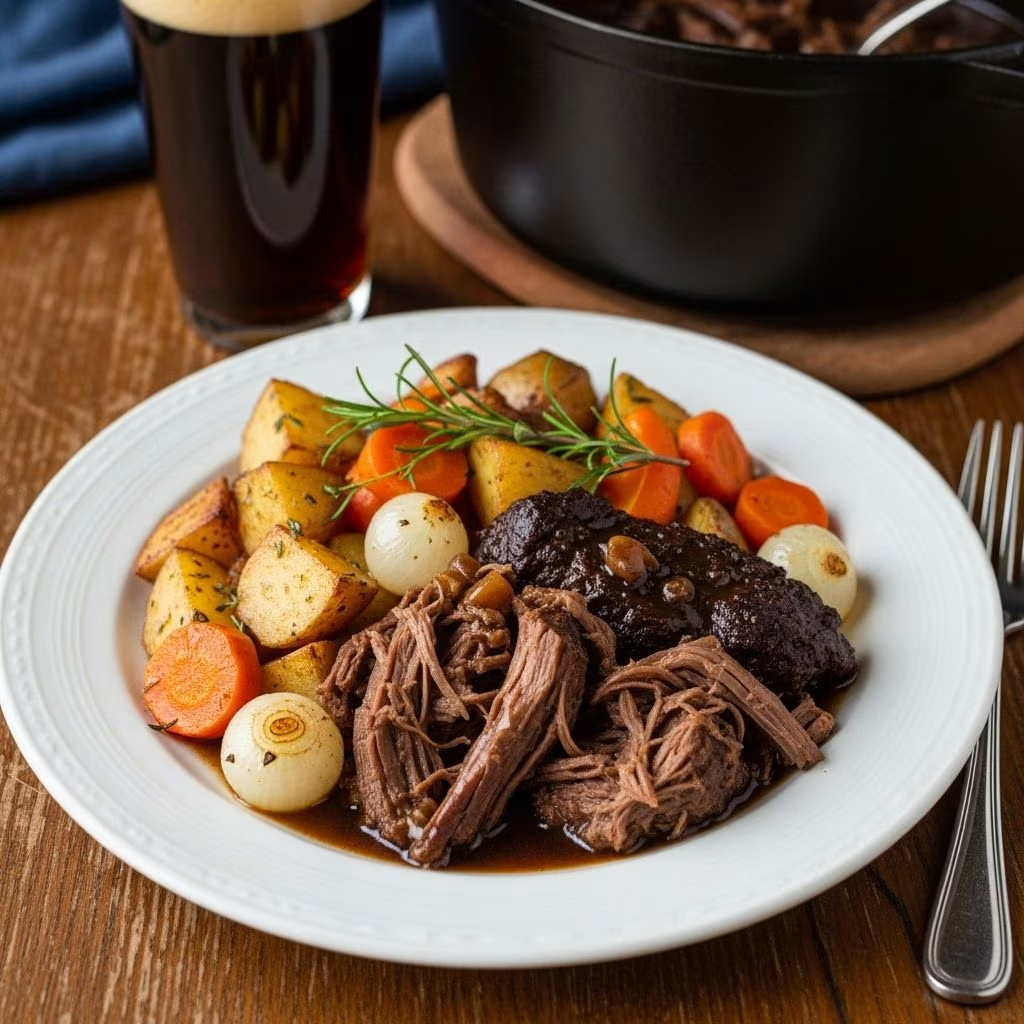
If you crave the richness of classic pot roast but want a leaner twist, this beer-braised bison pot roast brings together wild flavor, nourishing vegetables, and a deeply savory sauce. Using beer as the braising liquid unlocks new levels of complexity, while slow roasting turns bison—an ultra-lean game meat—truly tender.
Why Choose Bison for Pot Roast?
Bison is revered for its robust, beeflike taste but is remarkably lower in fat than traditional beef. Slow-cooking bison maximizes tenderness and intensifies its unique character. When braised with root vegetables and herbs, the result is a pot roast that is both hearty and heart-healthy.
- Lean protein: Bison contains less fat and fewer calories than beef, making it ideal for health-conscious cooks.
- Distinct, deep flavor: Bison has a gently gamey taste, easily complemented by strong flavors like beer and aromatics.
- Best cooking methods: Roasting or braising ensures moisture retention and tender texture.
Choosing Your Cut: The Bison Chuck Roast
Bison offers several cuts suitable for pot roast, but the chuck roast stands out for its marbling and structure. Sourced from the shoulder, it benefits greatly from slow, moist cooking. Other potential cuts include sirloin roast and brisket, but chuck yields optimal results for classic pot roast texture.
Look for a boneless chuck roast weighing about 2.5 to 3 pounds, preferably with even fat distribution for flavor and moisture. If bison is unavailable locally, specialty butchers and online retailers often stock frozen roasts.
Key Ingredients for an Unforgettable Braise
- Bison chuck roast: 2.5 to 3 pounds, boneless.
- Beer: 2 cups. Choose a dark stout for bold, bittersweet flavors, or a lighter lager for a subtler broth.
- Beef stock: 1 cup for depth and richness.
- Root vegetables: Carrots, Yukon gold potatoes, quartered onion, and a head of garlic for earthy sweetness.
- Fresh herbs: Rosemary, thyme, bay leaves.
- Aromatics: Shallot, garlic cloves, tomato paste, Worcestershire sauce.
- Seasonings: Kosher salt, cracked black pepper, dried oregano, and Italian seasoning.
- Cooking fat: Avocado oil for high-heat browning.
Essential Equipment
- Large Dutch oven with a tight-fitting lid, safe for oven use.
- Tongs or spatula for handling meat.
- Sharp chef’s knife and sturdy cutting board for prepping vegetables and aromatics.
- Oven preheated to 325°F (165°C).
Step-By-Step: Crafting Beer-Braised Bison Pot Roast
1. Prep and Season
Pat the bison roast dry and season generously with kosher salt and black pepper. This reinforces the meat’s flavor during searing and braising. Preheat your oven to 325°F (165°C).
2. Sear for Deep Flavor
Heat avocado oil in your Dutch oven over high heat until shimmering. Add the bison roast, browning on all sides (3-4 minutes per side) to develop a savory crust. Remove the roast and set aside.
3. Sauté Aromatics
Reduce the heat to medium. Add diced shallot and minced garlic, cooking until fragrant (about 1 minute). Stir in chopped thyme, chopped rosemary, dried oregano, and Italian seasoning, and continue sautéing for another minute.
4. Build the Base
Add tomato paste; cook for 1 minute, stirring thoroughly. Pour in beef stock and beer, scraping the pan’s bottom to dissolve any browned bits—these add immense flavor. Stir in Worcestershire sauce.
5. Assemble the Roast
Nestle the quartered onion, whole garlic head (top cut to expose cloves), carrots, and potatoes into the liquid along with sprigs of rosemary and bay leaves. Return the bison roast to the Dutch oven, placing it atop the vegetables.
6. Slow Braise
Cover with the lid and transfer the Dutch oven to your preheated oven. Braise for 4 hours, or until the bison is fork-tender and yielding. The long cooking time is key to breaking down the roast and infusing the sauce with meaty richness.
7. Serve
Remove the roast and vegetables with a slotted spoon. Squeeze the tender garlic cloves out of their skins, mashing them into the sauce for extra body. Taste and adjust seasoning as needed. Slice the roast against the grain and serve with generous ladles of vegetables and pan sauce.
Tips for the Best Bison Pot Roast
- Don’t rush the sear: Browning the roast is essential for maximum depth.
- Watch the braise: If the liquid reduces too quickly, add a splash of stock or beer.
- Tweak seasoning to taste as bison’s leanness means it can need slightly more salt than beef.
- Vegetable variety: Parsnips or turnips can be added for additional flavors and textures.
- Beer selection: Strong, malty beers (like stouts or porters) amplify savory undertones; lighter beers keep the profile fresher.
Serving Suggestions
- Pair alongside crusty sourdough bread to soak up the richly flavored jus.
- Offer a crisp green salad dressed with sharp vinaigrette to cut the richness.
- For an extra flourish, sprinkle chopped fresh parsley or chives over each plate right before serving.
Frequently Asked Questions About Bison Pot Roast
How does bison taste compared to beef?
Bison is similar to beef, but with a lighter, sweeter, and subtly gamier flavor. The leanness gives it a clean finish, and it’s ideal for those who appreciate a richer red meat profile with less fat.
Is bison healthier than beef?
Yes. Bison is generally lower in fat, cholesterol, and calories compared to beef, yet it is high in protein, iron, and vitamin B12. This makes it a nutritious alternative, especially for those monitoring fat intake.
Can I substitute beef for bison?
Absolutely. The same recipe works well with beef chuck or brisket, though you may need to trim excess fat for leaner results.
What’s the best beer to use?
Hearty, malty styles like stouts, brown ales, or porters are top choices for flavor. For a milder broth, use a pale ale or light lager. The beer’s flavor will permeate the sauce, so choose your favorite!
Can this dish be made in a slow cooker?
Yes. Sear the bison and sauté aromatics as directed, then transfer all ingredients to a slow cooker. Cook on low for 7–8 hours until the meat is fork-tender.
How should leftovers be stored?
Let cool, then refrigerate in an airtight container for up to 4 days. Reheat gently with a splash of broth to prevent dryness. The flavors often deepen and improve after a day in the fridge.
Bison Cuts Comparison Table
| Cut | Texture | Flavor Profile | Best Use |
|---|---|---|---|
| Chuck Roast | Marbled, flavorful | Deep, beefy, slight gaminess | Braises, slow-cooking |
| Sirloin Roast | Lean, slightly firmer | Mild, clean flavor | Roasting, leaner braises |
| Brisket | Chewy, needs long cook | Intense, meaty, robust | Slow-braises, shredding |
Customizing Your Braise
Make the flavor yours! Experiment with these add-ins and substitutions:
- Swap Yukon golds for sweet potatoes for subtle sweetness.
- Add parsnips, rutabagas, or turnips for extra rooty notes.
- Try a handful of mushrooms for umami depth.
- Include a splash of balsamic vinegar for brightness in the braising liquid.
Hosting and Leftovers
Beer-braised bison pot roast is a showstopper for holiday meals, dinner parties, or cozy Sunday suppers. If serving a crowd, double the recipe and braise in a roasting pan covered tightly with foil. For leftovers, shred the meat and toss with juices to pile onto sandwiches, stir into stews, or serve over mashed root vegetables.
Making the Most of Bison
- Buy from reputable sources: Specialty stores, reputable butchers, or sustainable ranchers online often offer the highest-quality bison cuts.
- Thaw carefully: If buying frozen, thaw bison gently in the refrigerator for optimal texture.
- Economize: While bison may be more expensive than beef, its nutrition and unique flavor make it worthwhile as a special dinner centerpiece.
Summary: The Soul of Hearty Cooking
With the right cut, a bit of patience, and a well-built beer braise, bison pot roast shines as a nourishing, crowd-pleasing meal. The tender, deeply savory results do justice to both traditional comfort cooking and a modern table focused on flavor and nutrition. Whether for a celebration or a treat-yourself weekend, this roast is sure to warm hearts and bellies alike.