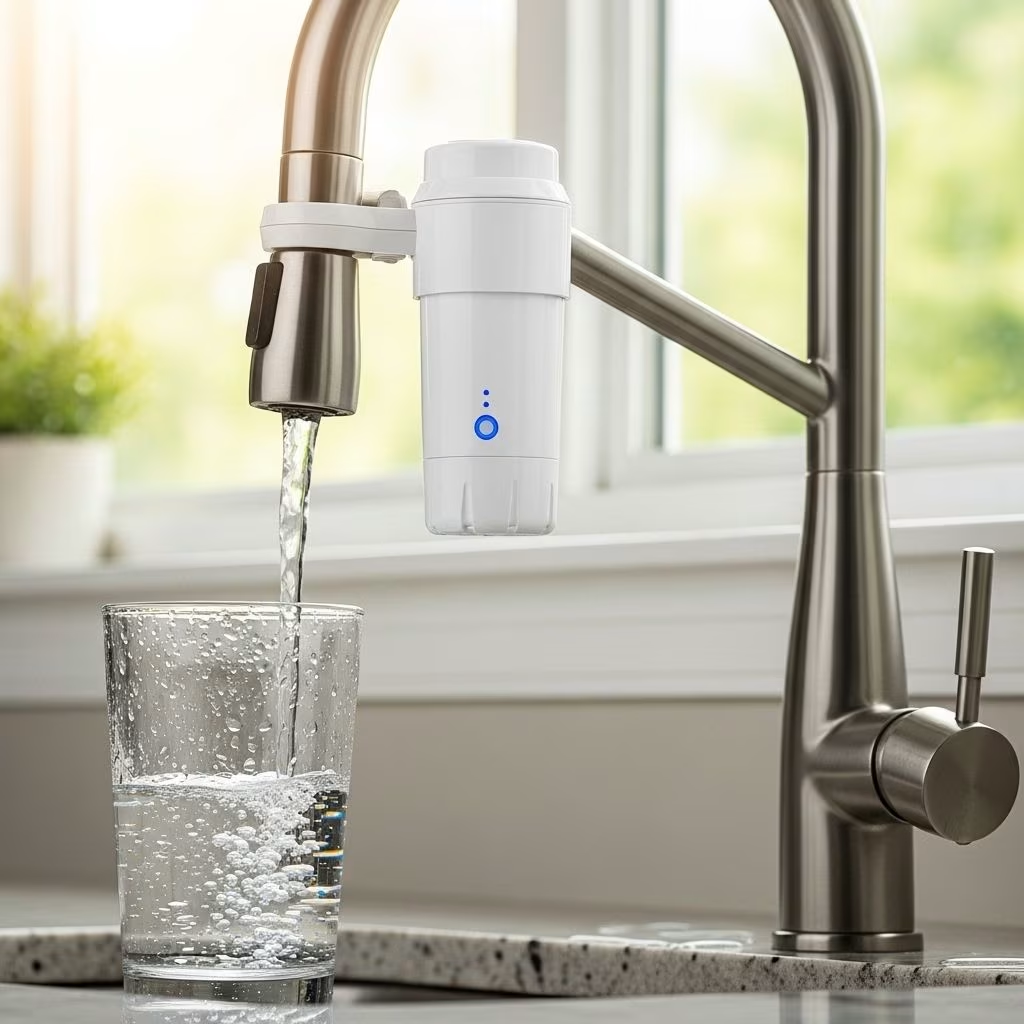
The Best Faucet Water Filters for Clean, Fresh Drinking Water
Access to clean, safe tap water is essential for any household, and one of the most effective ways to ensure water purity is by using a faucet water filter. Faucet-mounted filters are affordable, compatible with most kitchens, and can significantly improve the taste and quality of your drinking water by removing contaminants commonly found in municipal and well water supplies.
Why Choose a Faucet Water Filter?
Faucet water filters offer a unique combination of benefits that make them a popular choice for many households:
- Affordable and Cost-Effective: Lower upfront and recurring costs compared to under-sink or reverse osmosis systems.
- Easy Installation: Most models attach directly to standard faucets without the need for tools or plumbing skills.
- On-Demand Filtration: Instantly access filtered water without waiting or needing to refill pitchers.
- Space-Saving: No need for bulky installations under the sink or additional countertop devices.
- Ideal for Renters: Simple installation and removal make them perfect for apartments and rental homes.
How We Tested Faucet Water Filters
Our comprehensive review process involved:
- Installing each filter on standard kitchen faucets and assessing the process for ease and clarity.
- Conducting blind taste tests to evaluate improvements in water flavor and odor.
- Measuring flow rates to determine how quickly each filter dispenses water.
- Reviewing manufacturer certifications such as NSF/ANSI standards 42, 53, and 401 for contaminant removal efficacy.
- Calculating filter lifespan, maintenance requirements, and cost-effectiveness based on replacement schedules and prices.
We also considered design aesthetics, build quality, and specialty features like filter change indicators and compatibility with a range of faucet types.
Our Top Faucet Water Filter Picks
- PUR Plus Faucet Filtration System – Best Overall
- Brita Faucet Mount System – Best for Lead Removal
- Culligan Faucet Mount Filter – Best Flow Rate and Value
- Waterdrop WD-FC-01 – Top Budget Option
PUR Plus Faucet Filtration System (Best Overall)
The PUR Plus Faucet Filtration System stands out as the best all-around faucet filter, offering extensive contaminant removal and excellent value.
| Feature | Details |
|---|---|
| Contaminants Removed | 70+ (including lead, mercury, chlorine, industrial chemicals) |
| Certifications | NSF 42, 53, 401; WQA Certified |
| Filter Process | Activated Carbon + Ion Exchange |
| Flow Rate | 0.52 gallons per minute |
| Filter Capacity | 100 gallons / 3 months per filter |
| Price | $58.99+ |
| Annual Filter Cost | $30–$50 |
| Warranty | 2 years |
Pros:
- Removes more contaminants than most competitors
- Certified by NSF and WQA for multiple contaminant classes
- Easy to install and fits standard faucets
- Clear filter change indicator
Cons:
- Bulkier design may not suit some sink styles
- Chrome overlay (not real metal)
Best for those wanting the highest contaminant reduction with trusted certifications and solid build quality.
Brita Faucet Mount System (Best for Lead Removal)
The Brita Faucet Mount System excels at removing heavy metals, most notably lead. Laboratory testing revealed its superior performance in eliminating all traces of lead in challenging water samples.
| Feature | Details |
|---|---|
| Contaminants Removed | Up to 64 (especially effective against lead, chlorine, particulates) |
| Certifications | NSF/ANSI 42, 53, and 401 |
| Flow Rate | Approximately 0.71 gallons per minute |
| Filter Capacity | 100 gallons / 4 months per filter |
| Price | $30–$40 |
Pros:
- Industry-leading lead removal performance
- Quick and easy install with adapters available
- Taste improvement for tap water
Cons:
- Plastic construction
- Replacement filter frequency may be higher in large households
Excellent choice for families in older homes or communities with lead contamination concerns.
Culligan Faucet Mount Filter (Best Flow Rate and Value)
Culligan’s faucet filter impressed testers with both a high flow rate and an affordable price per filter. It is certified to multiple NSF/ANSI standards and can filter a gallon of water in just over one minute.
| Feature | Details |
|---|---|
| Contaminants Removed | Chlorine, lead, particulates, and more |
| Certifications | NSF/ANSI 42, 53 |
| Flow Rate | 0.71 gallons per minute |
| Filter Capacity | 200 gallons |
| Price | Typically $30–$40 (starter kit); replacement filters about $19 each |
Pros:
- High flow rate saves time when filling containers
- Affordable replacement filters
- Sleek, unobtrusive design
Cons:
- Initial setup and priming require attention to manufacturer instructions
- Activation once installed can be less intuitive than other models
Recommended for those valuing fast filtering and a lower price per gallon.
Waterdrop WD-FC-01 (Top Budget Option)
Waterdrop faucet filters are rapidly gaining popularity due to their affordability and broad compatibility. Although they may not remove as many contaminants as higher-end models, their value and ease of installation make them a smart entry-level option.
- Solid contaminant removal performance for budget pricing
- Simple to install and operate with most standard faucets
- Frequent sales and wide retail availability
Perfect for students, renters, and anyone wishing to increase water quality on a tight budget.
What to Look for When Buying a Faucet Water Filter
- Contaminant Removal: Check the manufacturer’s list of contaminants removed and compare with your local water report needs. Look for filters certified for NSF/ANSI 42 (aesthetic improvements), 53 (health-related contaminants), and 401 (emerging contaminants).
- Filter Lifespan: Longer-lasting filters mean less frequent replacements and potentially lower long-term costs.
- Installation and Compatibility: Confirm that the filter fits your faucet and requires minimal tools for installation. Many brands provide adapters for common faucet sizes.
- Flow Rate: Faster flow rates are convenient but may slightly reduce contaminant removal performance. Aim for a balance that suits your household’s needs.
- Cost: Evaluate up-front system costs as well as ongoing replacement filter expenses.
Take note of any specialty features like filter change indicators, bypass valves (for switching between filtered and unfiltered water), and aesthetic design if your filter will be highly visible.
Installation Tips and Troubleshooting
Most faucet-mounted systems are designed for do-it-yourself installation and include all necessary hardware. Typical installation steps include:
- Removing the faucet’s aerator
- Selecting the correct adapter (if needed) and attaching it firmly to the faucet
- Attaching the filter housing and ensuring a watertight seal
- “Priming” the filter by running water for several minutes to remove loose filter media and air pockets
- Resetting any filter change indicator as instructed
If your filter leaks, recheck the seals and correct adapter size; if water flow seems weak, confirm the filter is properly primed or replace if past its lifespan. For stubborn installation issues, consult the brand’s customer service or request custom adapters if your faucet is non-standard.
Filter Maintenance and Replacement
To ensure optimal performance and safe drinking water, replace your filter cartridge according to manufacturer guidelines—usually every 100–200 gallons, or every 2–4 months, depending on water quality and household usage.
- Some filters include digital or color-change indicators for convenience.
- If you notice a decline in flow rate, taste, or water clarity, this is a clear sign it’s time to change the filter.
- Use only official manufacturer replacement filters to maintain certifications and safe operation.
Do Faucet Filters Work for All Types of Contaminants?
Faucet filters are certified for a range of contaminants, but their effectiveness is limited by the filter media and certification category. Most models are effective for:
- Chlorine and taste/odor compounds
- Heavy metals (lead, mercury) – especially those labeled for NSF 53
- Particulates and some industrial chemicals
- Some pharmaceuticals and emerging contaminants (NSF 401)
However, they generally do not remove:
- Microorganisms like bacteria and viruses (for these, a reverse osmosis or UV system is required)
- Hard water minerals (softening requires dedicated water softeners)
Always consult both your municipal water report and the filter’s certifications to match your needs.
Frequently Asked Questions (FAQ)
Do faucet water filters remove lead?
Yes, many leading faucet filters—including those by PUR and Brita—are independently tested and certified to significantly reduce or even eliminate lead from drinking water. Be sure to look for filters with NSF/ANSI Standard 53 certification for lead removal.
How often should faucet filter cartridges be replaced?
Most filters require replacement every 100–200 gallons (2–4 months), but this varies with model, usage, and water quality. Use change indicators as a guide or replace sooner if you notice slower flow or changes in water taste/odor.
Will these filters fit all faucets?
Most faucet filters are designed for standard kitchen faucets and include common adapters. They are not compatible with pull-out, handheld, or unusual faucet designs. Always check compatibility before purchase.
Are faucet mount filters easy to install?
Yes, the installation process is generally straightforward and requires no tools. Most can be attached or removed in under 10 minutes.
Which contaminants should I worry about in my water supply?
This depends on your local water. Common concerns are chlorine, lead, industrial chemicals, and newer “emerging contaminants” like pharmaceuticals. Always check your water utility’s annual report and select a filter that addresses your needs.
Are there ongoing costs beyond the initial purchase?
Yes, the main cost is filter cartridge replacements, which typically range from $15–$30 each. Factor replacement frequency and filter capacity into your budget.
Bottom Line: Choosing the Right Faucet Water Filter
The right faucet filter balances contaminant removal, certifications, ease of use, and budget. For overall contaminant reduction, PUR Plus is the leader, while Brita is best for removing lead. Culligan stands out for value and high flow, and Waterdrop offers an economical entry point. Regardless of which you choose, installation is simple, and the health and taste improvements to your drinking water are immediate and substantial.