Best Moringa Powders Review: The Ultimate Buyer’s Guide
Moringa oleifera, often called the “miracle tree,” has gained worldwide attention as a potent superfood thanks to its dense nutritional content and wide range of proven health benefits. With the explosion of moringa powder brands on the market, making an informed choice can feel overwhelming. This comprehensive guide details what moringa is, explores its key nutritional perks and potential side effects, and offers in-depth reviews and comparisons of leading moringa powders to help you select the very best product for your needs.
What Is Moringa Powder?
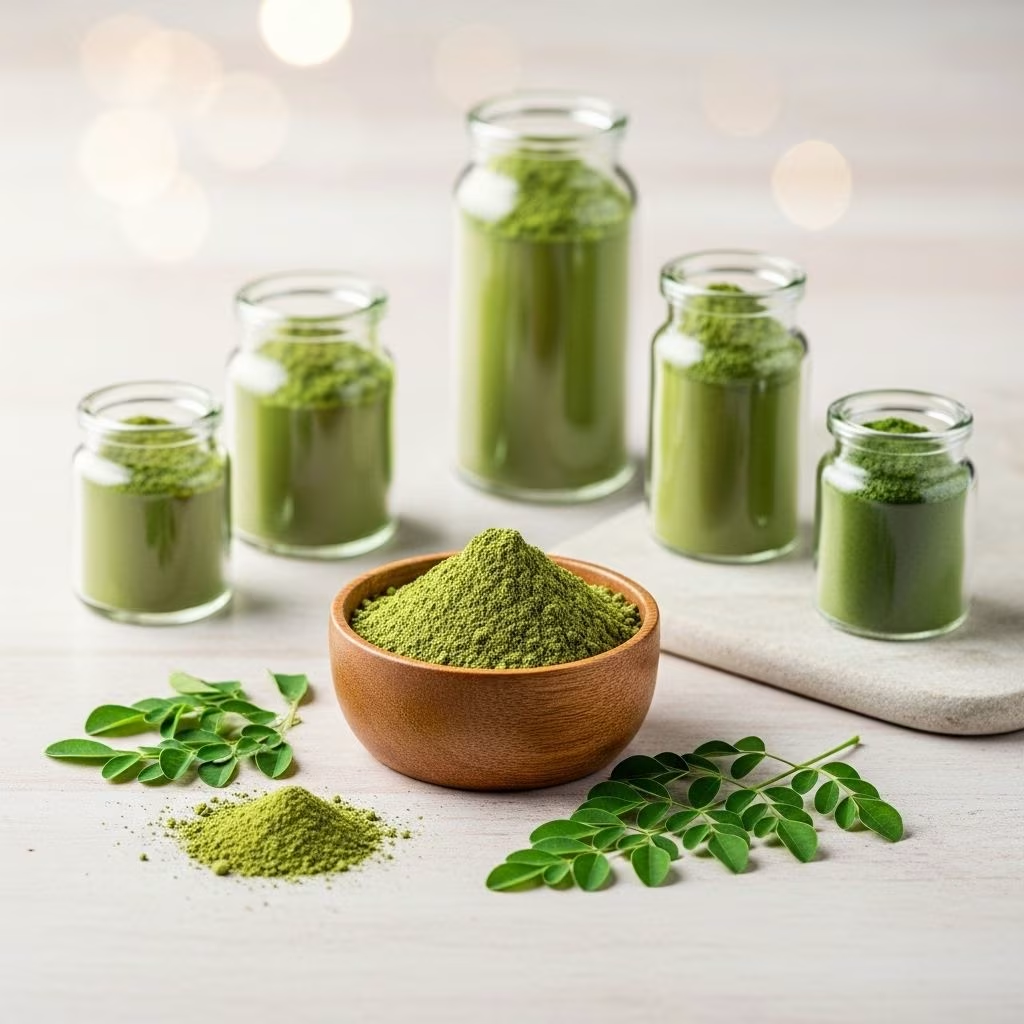
Moringa powder is made from the dried, finely ground leaves of the Moringa oleifera tree, native to South Asia and cultivated around the world for both culinary and traditional medicinal use. Revered for centuries as a healing plant, moringa is now recognized for its remarkable nutritional density and antioxidant content. The powder form offers a convenient, versatile way to reap the benefits of moringa’s potent phytochemicals and essential nutrients.
The taste of moringa is earthy and slightly bitter, reminiscent of matcha or wheatgrass, and can be incorporated into smoothies, baked goods, or sprinkled into meals for a boost of greens.
Health Benefits of Moringa
- Rich in Antioxidants
Moringa leaves contain high amounts of antioxidants, including vitamin C, beta-carotene, quercetin, and chlorogenic acid. These compounds combat the cellular damage caused by free radicals and may protect against chronic diseases such as heart disease and cancer. - Anti-inflammatory Properties
Studies show that moringa powder has significant anti-inflammatory effects, which can help reduce chronic inflammation—a key contributor to conditions like heart disease, diabetes, and arthritis. - Supports Blood Sugar Control
Research indicates that moringa may help lower blood glucose levels, supporting better blood sugar regulation in people with diabetes or insulin resistance. - Neuroprotective Compounds
Certain compounds in moringa, including phenols and flavonoids, demonstrate neuroprotective effects, helping to shield brain cells from oxidative stress and age-related decline. - Supports Cardiovascular Health
Moringa’s potassium, magnesium, and vitamin content support a healthy blood pressure and may reduce risk factors for cardiovascular disease. - Bone and Immune Support
The calcium, protein, and vitamins found in moringa powder contribute to healthy bones, muscle, and immune system function. - Potential Tumor Protection
Early research suggests that moringa may support the treatment of certain tumors, including skin cancers, though more human data is needed.
Nutritional Profile of Moringa Powder
Moringa is Frequently lauded for its exceptional nutrient density, though the actual benefits can depend on the serving size and processing method. Below is a breakdown of moringa’s nutritional highlights, based on analyses of leaf powder and fresh leaves.
| Nutrient (per 10g powder) | Amount | % Daily Value* |
|---|---|---|
| Protein | ~2.5 g | ~5% |
| Fiber | ~1.2 g | ~5% |
| Vitamin A (as beta-carotene) | ~0.11 mg | ~9% |
| Vitamin B6 | ~0.25 mg | ~19% |
| Vitamin C | 1.5 mg | 1–2% |
| Calcium | ~25–50 mg | 2–5% |
| Iron | ~1 mg | ~11% |
| Magnesium | ~10 mg | ~3% |
| Potassium | ~45–60 mg | 1–2% |
| Vitamin E & K | Varies by brand | Often “rich source” |
*% Daily Value estimates based on general adult needs. Moringa can meaningfully contribute to micronutrient intake, but should not be the sole source of nutrients.
Key Takeaways from Scientific Research
- The protein content of moringa powder is significant for a plant, making it valuable for vegans and vegetarians.
- Moringa provides good levels of iron, vitamin A, and potassium, but some exaggerated marketing claims should be viewed with caution.
- While moringa is packed with micronutrients, the actual quantities consumed per serving are not as astronomically high as sometimes advertised, since most consumers only use 1–2 teaspoons (about 5–10 grams) per serving.
- Moringa leaves may contain antinutrients (oxalates, phytates) that can affect mineral absorption, so balance moringa powder with a varied diet.
How to Choose the Best Moringa Powder
With countless moringa powder brands available, here are expert-backed tips to ensure you select a high quality, safe, and potent product:
- Organic Certification: Choose powders that are USDA Organic (or equivalent) certified, to ensure they are grown without synthetic pesticides or fertilizers.
- Sourcing and Processing: Fresh, shade-dried, and minimally processed moringa retains more nutrients and flavor. Look for brands committed to gentle drying and small-batch production.
- Origin: Moringa grown in regions with stringent agricultural standards (such as India, Africa, or Southeast Asia) is often richer and cleaner.
- Color and Aroma: High-quality moringa powder is bright green and has a fresh, grassy aroma. Avoid dull, brownish hues—a sign of oxidation or poor processing.
- Third-Party Testing: Look for brands that undergo independent lab verification for safety (heavy metals, contaminants) and nutritional potency.
- Fairtrade and Sustainability: Brands that support fairtraded and community initiatives ensure you’re backing ethical, environmentally friendly practices.
Top Moringa Powder Brands Reviewed
Below, find comparative insights into widely respected moringa powder brands, examining their sourcing, features, and performance. (Note: This section is informative—always check individual packaging or brands for current certifications and safety standards.)
| Brand | Source & Ethics | Taste & Appearance | Certifications | Pros | Cons |
|---|---|---|---|---|---|
| Organic India | India, fairtrade | Bright green, earthy aroma | USDA Organic, Non-GMO | Widely available, reputable sourcing | Bitter if used in excess |
| Kuli Kuli | Africa/India, women’s cooperatives | Fine powder, mild grassy flavor | Organic, Fairtrade | Great traceability, social impact | Higher price due to trade focus |
| Aduna | Africa, local farmers | Vibrant color, smooth blend | Organic | Minimal processing, positive impact | More limited US availability |
| Terrasoul Superfoods | India, transparent supply chain | Fine, consistent texture | USDA Organic, Non-GMO | Good price, large bags | Pouch closure sometimes leaks |
| Zokiva | Africa, sustainable | Fresher taste, vibrant green | Organic | Direct-trade, family-owned | Noticeable earthy aftertaste |
Key Considerations When Comparing Brands
- Prioritize taste tests if possible; bitterness can vary greatly across brands and harvests.
- Seek transparency: Trusted companies willingly provide certificates of analysis and information on farm practices.
- Always check for recent independent tests for contaminants, especially when buying powders from lesser-known sources.
How to Use Moringa Powder
Moringa powder’s adaptability makes it an easy addition to many everyday recipes. Begin with small amounts to test for sensitivity or taste preferences—1/2 teaspoon is a good starting point. Ideas for use include:
- Smoothies: Blend into green smoothies with fruits, nut butter, and a splash of plant milk.
- Soups & Stews: Stir in at the end of cooking for a nutrient boost.
- Baked Goods: Add to muffins, pancakes, or energy bites for color and nutrition.
- Teas & Lattes: Whisk into hot water or plant milk; sweeten with honey if desired.
- Sprinkle: Dust over oatmeal, yogurt, or salads for extra greens.
Note that moringa’s distinctive grassy, slightly bitter taste can be pronounced; pairing with citrus or sweet fruits helps mask the flavor.
Potential Side Effects and Safety Considerations
- Digestive Upset: Large amounts can cause gastrointestinal discomfort, such as nausea or diarrhea. Start with small doses and gradually increase.
- Pregnancy & Breastfeeding: While moringa leaves are traditionally consumed by pregnant and breastfeeding women in some cultures, concentrated powder supplements should be used under medical supervision.
- Interactions: Moringa may lower blood pressure or blood sugar; those on related medications should consult a healthcare provider.
- Antinutrients: Moringa leaves contain antinutrients (oxalates, phytates) that may reduce mineral absorption; consume as part of a balanced diet for best effect.
- Quality and Contaminants: Low-quality or improperly processed powders can contain contaminants. Always choose reputable, tested brands.
Frequently Asked Questions (FAQs)
Q: What does moringa taste like?
A: Moringa powder has an earthy, green, and slightly bitter flavor, sometimes compared to matcha or wheatgrass. The taste can vary between brands and harvests.
Q: How much moringa powder should I take?
A: Most research supports up to 1–2 teaspoons (about 5–10 grams) per day. Start small to assess your tolerance and consult your healthcare provider for personalized advice.
Q: Can moringa powder replace a multivitamin?
A: While moringa is nutritious, typical servings do not supply all essential nutrients in high amounts. It can complement a healthy diet but should not replace balanced whole foods or a prescribed multivitamin.
Q: Is moringa safe for pregnant or breastfeeding women?
A: Moringa leaves are traditionally consumed during pregnancy in some cultures, but concentrated supplements should only be used under medical supervision, as safety for supplemental doses has not been fully established.
Q: How should moringa powder be stored?
A: Keep moringa powder in an airtight container away from sunlight, heat, and moisture. This preserves nutrients and prevents spoilage. Refrigeration is not required but may prolong freshness.
Summary
Moringa powder is a versatile, nutrient-rich supplement with robust antioxidant, anti-inflammatory, and potential neuroprotective benefits. When choosing a powder, prioritize organic certification, transparent sourcing, and lab-tested purity. While moringa can be a meaningful addition to most diets, especially for those seeking plant-based nutrient boosts, it is most effective as part of a balanced, whole foods-centric lifestyle.
References
- https://nutritionfacts.org/questions/the-health-benefits-of-moringa/
- https://www.webmd.com/diet/health-benefits-moringa-powder
- https://www.healthline.com/nutrition/6-benefits-of-moringa-oleifera
- https://aduna.com/blogs/learn/moringa-nutritional-table
- https://pmc.ncbi.nlm.nih.gov/articles/PMC8308447/