Bicol Express: The Story Behind the Stew
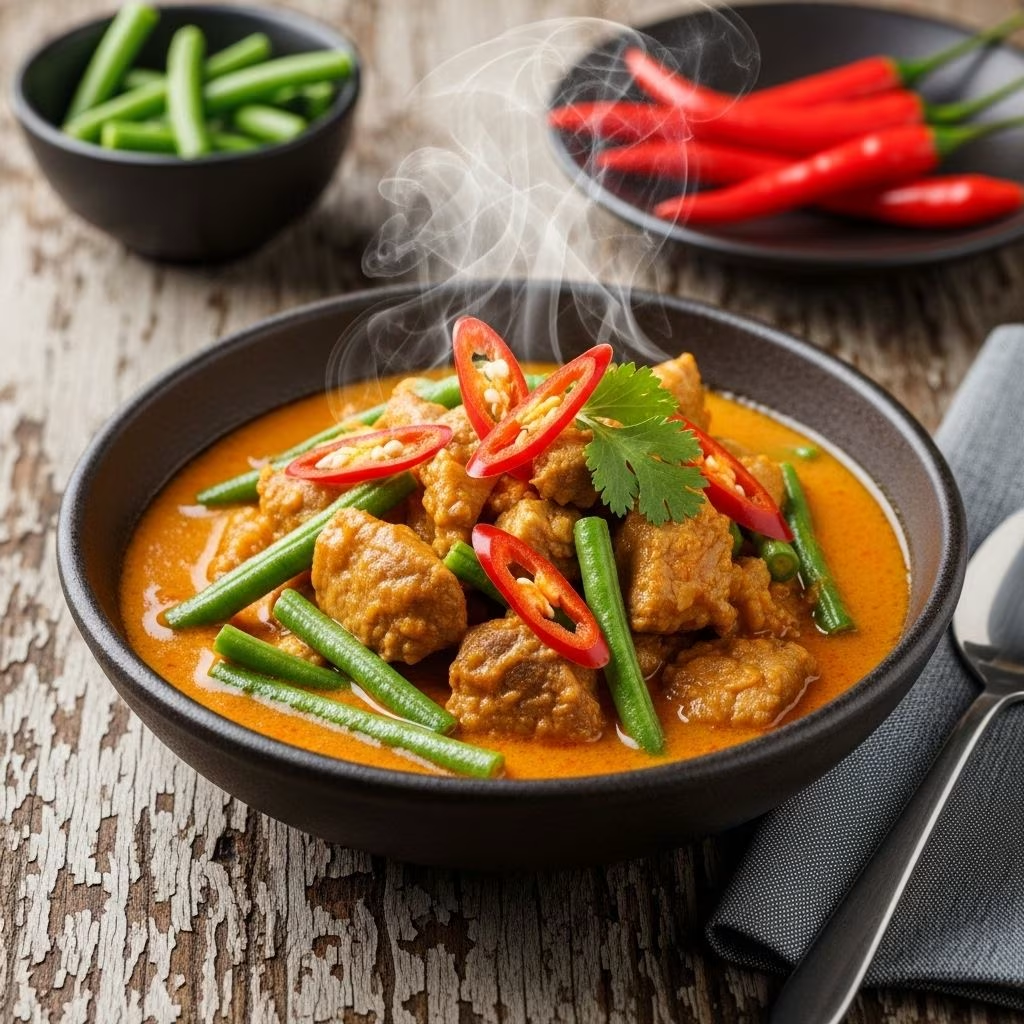
The name Bicol Express evokes bold, spicy flavors and rich Filipino heritage, instantly recognizable to anyone familiar with classic Philippine cuisine. This fiery pork stew, expertly simmered in coconut milk and enlivened by a generous dose of chilies and fermented shrimp paste, originated in the Bicol region, a southern part of Luzon known for its love of spicy food and abundant coconut groves.
Bicol Express is much more than just a dish; it’s a culinary symbol and cultural ambassador, representing the warmth and vibrancy of the people from Bicol. Over time, it became a beloved staple across the archipelago, gracing tables from Manila to Mindanao and earning a spot as one of the country’s ‘national dishes’.
The Name and Its Origins
- Named after a train: The dish is said to have been named after the “Bicol Express” railway that ran from Manila to Bicol, a tribute to both its place of origin and its spicy, robust punch, reminiscent of a train speeding through the countryside.
- Adaptation and innovation: Although coconut milk and chilies were already staple ingredients in Bicolano cooking, it was the formal combination―and the clever branding―that helped Bicol Express gain fame far beyond its regional roots.
Key Ingredients: What Makes Bicol Express Unique
The soul of Bicol Express lies in its harmonious blend of flavors and textures. Here are the essential ingredients that create its unforgettable character:
- Pork belly or shoulder: Fatty cuts like pork belly impart richness and tenderness, absorbing spices while staying juicy.
- Coconut milk and cream: The use of both first and second extractions of coconut yields a luxuriously creamy base with subtle sweetness.
- Fermented shrimp paste (bagoong alamang): A burst of umami, this pungent condiment is key to achieving the dish’s deeply savory taste.
- Green chilies and bird’s eye chilies: Sliced long green chilies provide flavor, while bird’s eye chilies deliver heat. Adjust for spice tolerance.
- Aromatics: Onion, garlic, and ginger lend fragrance and flavor complexity, lifting the stew above mere heat.
- Seasonings: Fish sauce and palm or brown sugar round out the dish, helping balance saltiness, sweetness, and umami.
Traditional Ingredient List
| Ingredient | Purpose | Typical Quantity |
|---|---|---|
| Pork belly/shoulder | Main protein, adds richness | 600g–1 lb |
| Coconut milk | Creates a creamy base | 2 cups (first extraction) |
| Coconut cream | Finishes and thickens sauce | 1 cup (second extraction) |
| Bagoong alamang | Deep savory/umami taste | 2–3 tbsp |
| Long green chilies | Flavor and mild heat | 8–10 (sliced) |
| Bird’s eye chilies | Intense, spicy heat | 4–8 (sliced, adjust to taste) |
| Onion | Aromatic sweetness | 1 large (chopped) |
| Garlic | Earthy, aromatic base | 4–5 cloves (minced) |
| Ginger | Fresh, zesty flavor | 2 tbsp (sliced thin) |
| Fish sauce | Salty, savory depth | 1 tsp |
| Palm or brown sugar | Balances heat and salt | 1 tsp |
Step-by-Step Cooking Guide: How to Make Bicol Express
Preparing Bicol Express at home is straightforward, but attention to technique elevates the dish to restaurant quality. Below is a method honed through generations of cooks:
- Start the aromatics: Heat vegetable oil in a heavy pot over medium heat. Add chopped onion, minced garlic, and sliced ginger. Sauté gently until softened and fragrant.
- Sear the pork: Add pork belly or shoulder chunks to the pot. Cook until lightly golden on all sides, rendering fat and developing flavor.
- Incorporate shrimp paste: Stir in bagoong alamang and sauté for 2–3 minutes, letting its aroma infuse the base. Be careful not to burn.
- Simmer in coconut milk: Pour in coconut milk and scrape up any browned bits. Lower heat, cover, and simmer for about 30 minutes until pork is tender.
- Balance seasonings: Add fish sauce and palm or brown sugar, stirring well. Adjust salt and sweetness; the flavors will intensify as sauce reduces.
- Introduce chilies: Mix in green and bird’s eye chilies. Simmer another 10 minutes. Add more bird’s eye chilies for extra heat, as preferred.
- Finish with coconut cream: Pour in coconut cream and simmer uncovered for 10–15 minutes more, stirring occasionally, until sauce has thickened and turned glossy.
- Rest and serve: Remove from heat, let stew rest a few minutes. Serve bubbling hot over steamed rice, garnished with extra chilies or scallions. Present on banana leaves for a traditional touch.
Tips and Techniques
- Choose fatty pork: Pork belly produces the most succulent results. Leaner cuts can work for healthier versions but may yield drier meat.
- Fresh coconut milk: Authentic Bicol Express benefits from fresh coconut extractions. Canned products can substitute if necessary.
- Customize spiciness: Adjust the ratio of green and bird’s eye chilies to taste, from mild to incendiary.
- Shrimp paste: Look for fresh or high-quality bagoong alamang from Filipino markets.
Serving Suggestions and Variations
Bicol Express is traditionally enjoyed with a mound of freshly steamed rice, which perfectly absorbs the creamy sauce and offsets the chili fire. But the dish also lends itself to creative twists and complimentary sides:
- Rice: Jasmine or regular white rice best complements the stew’s flavors.
- Vegetable sides: Bok choy, eggplant, okra, or steamed greens help balance the rich, spicy stew. These may be included in the stew itself as variations.
- Garnishes: Sliced green chilies, scallions, or cilantro add color and freshness.
- Seafood version: Substitute pork with shrimp, squid, or fish for lighter takes.
- Vegan adaptation: Use mushrooms or tempeh and swap in vegan fish sauce or salt for the recipe.
Bicol Express Variations Table
| Variation | Main Protein | Notes |
|---|---|---|
| Classic Bicol Express | Pork belly/shoulder | Most common version |
| Seafood Bicol Express | Shrimp, squid, fish | Popular in coastal areas |
| Vegetarian Bicol Express | Mushrooms, tofu, eggplant | Perfect for meatless diets |
| Lean Bicol Express | Pork loin | Less fatty, lighter stew |
Why is Bicol Express So Special?
Bicol Express stands out because of its balance of spicy and creamy, elevated by a strong sense of place and Filipino culinary traditions. Coconut milk tempers the fiery bite, while pork fat and shrimp paste build depth. The dish reveals the Filipino approach to food—resourceful, intensely flavorful, and communal. Its popularity not only testifies to its taste but also connects diners to the landscapes, culture, and bold personality of the Bicol region.
Frequently Asked Questions (FAQs)
Q: What makes Bicol Express different from other Filipino stews?
A: The key distinction is its spicy heat and coconut milk base, with fermented shrimp paste providing deep umami unmatched by milder, tomato-based stews.
Q: Can I adjust the spiciness of Bicol Express?
A: Yes. Simply reduce or increase the amount of bird’s eye chilies to suit your taste. Green chilies add more flavor than heat, making them ideal for a milder version.
Q: What is the best cut of pork for this dish?
A: Pork belly is preferred for its fat content and tenderness, but pork shoulder or even loin may be substituted for leaner results.
Q: Can Bicol Express be made ahead?
A: Absolutely. Like many stews, it tastes even better the next day as flavors deepen. Store refrigerated and reheat gently, adding a splash of water if necessary.
Q: What’s a good substitute for shrimp paste?
A: Anchovy paste or fish sauce can work in a pinch, though they won’t fully replicate bagoong’s pungency.
Conclusion: The Enduring Appeal of Bicol Express
Bicol Express remains a testament to the ingenuity and identity of the Filipino people. With every simmering pot, cooks pass down not only bold flavors but also the history, pride, and hospitality of the Bicol region. Whether you make the traditional pork version or experiment with seafood or plant-based adaptations, this iconic stew connects generations and cultures at the Filipino table.
Recommended Filipino Recipes
- Laing: Another Bicolano classic made with taro leaves and coconut milk, often as spicy and hearty as Bicol Express.
- Kare-Kare: A peanut-based oxtail stew, rich and savory, often served with bagoong on the side.
- Pork Adobo: The most famous Filipino dish, featuring vinegar-braised pork with soy sauce, garlic, and bay leaves.
- Ginataang Gulay: Mixed vegetables in coconut milk, sometimes spiked with chili and shrimp paste.
References
- https://delishglobe.com/recipe/filipino-bicol-express-spicy-pork-stew/
- https://www.iankewks.com/bicol-express/
- https://panlasangpinoy.com/pork-bicol-express-recipe/
- https://www.kawalingpinoy.com/bicol-express/
- https://greatcurryrecipes.net/2022/08/16/bicol-express/
- https://www.youtube.com/watch?v=kNbvhjHyiu4