Black and Orange: The Art of Pumpernickel Grilled Cheese
Grilled cheese as comfort food is iconic, but the combination of deeply flavorful pumpernickel bread and sharp orange cheddar—dubbed the ‘black and orange’—brings a new dimension to this classic sandwich. This guide explores the origins, techniques, and recipe for making the most visually and flavorfully striking grilled cheese you’ll ever taste.
What Makes the ‘Black and Orange’ So Special?
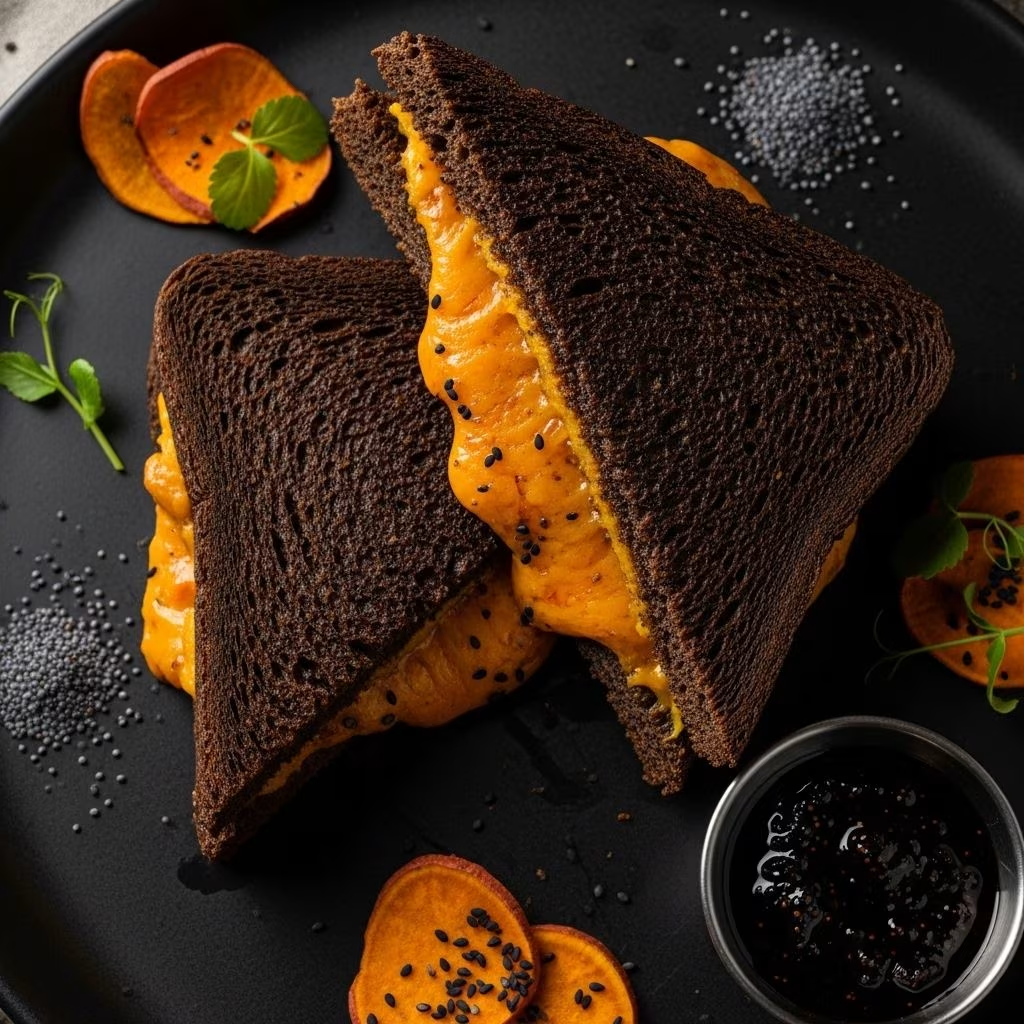
The ‘black and orange’ is not your average grilled cheese. Its name comes from the dramatically dark hue of pumpernickel bread and the bold orange of aged cheddar that together create both a visual and sensory experience. This duo combines earthy, malty, and robust flavors with sharp, buttery, and tangy brightness for a complex bite. The resulting sandwich is aesthetically memorable, deeply comforting, and remarkably satisfying.
Origins of the Combination
Pumpernickel’s roots are in Central and Eastern Europe, where rye is a staple grain. Its dense crumb and distinctive sweetness come from long, slow baking. Cheddar, especially the orange-hued variety colored by annatto, is an American staple with roots in English cheesemaking. The synthesis of these two reflects a cross-continental appreciation for big flavors and contrast on the plate and in the palate.
Ingredients: The Building Blocks of Greatness
- Pumpernickel Bread: Seek out real, dark, unsliced pumpernickel with a moist crumb and malty sweetness.
- Sharp Orange Cheddar: Choose aged cheddar for maximum flavor and the iconic orange color, ideally a New York or Vermont variety.
- Butter: Salted or unsalted, room temperature, for spreading evenly on every slice’s outside.
- Extras (optional): Thinly sliced onions, Dijon mustard, or onions caramelized until jammy for additional nuance.
About Cheddar’s Color
Cheddar’s orange color, especially in the U.S., is achieved with annatto, a natural food coloring derived from the seeds of the achiote tree. Historically, the color could differentiate domestic cheese from imports or was added to mimic the rich buttery tones of top-quality milk. Whatever its origin, the bright orange against pumpernickel black is essential to the ‘black and orange’ effect.
Why Pumpernickel?
Pumpernickel offers more than color:
- Complex flavor: Deeply earthy, subtly sweet, with an assertiveness that complements sharp cheese.
- Textural integrity: Dense but moist, it crisps beautifully without disintegrating.
- Distinct aroma: Maillard reactions during baking create coffee and chocolate notes (without either ingredient).
Bread Selection Tips
- Avoid pumpernickel blends that are just colored rye—seek labels that include rye flour, rye meal, and sometimes old bread in the mix.
- Fresh, unsliced loaves let you control thickness. Aim for 1/2-inch slices for a balanced bite and maximum crunch.
Sharp Cheddar: The Power Behind the Orange
The stronger the cheddar, the more boldly it will stand up to pumpernickel. Aged cheddars provide:
- Deeper, nutty flavor
- Better meltability without becoming oily or grainy
- A distinct tang that contrasts with sweet bread notes
Grate the cheese for even melting or slice thinly if you prefer a layered effect. Use generously for maximum ooziness.
Butter: Don’t Underestimate the Fat
Butter matters in grilled cheese. It creates the crisp exterior and balances both bread and cheese with richness. For best results:
- Room-temperature butter spreads evenly and prevents tearing of the bread.
- Unsalted butter lets you better control seasoning, but salted is more traditional.
- Spread all the way to the edges for a uniform golden crust.
Step-by-Step: The Perfect Black and Orange Grilled Cheese
Ingredients (for 2 sandwiches)
- 4 slices pumpernickel bread (1/2-inch thick)
- 4 to 6 ounces sharp orange cheddar, grated or thinly sliced
- 2 to 3 tablespoons butter, room temperature
- (Optional) Thinly sliced onions, Dijon mustard
Instructions
- Preheat your skillet: Medium-low to medium heat is ideal. Let the pan come to temperature for even browning.
- Butter the bread: Spread butter generously over the outside of each slice, all the way to the edges.
- Assemble the sandwich:
- Layer cheddar generously between two pumpernickel slices (butter sides out).
- Add extras like thin onions or mustard if desired.
- Grill:
- Place in the skillet. Cook undisturbed until the bread is crisp and very dark (3-5 minutes).
- Flip and repeat. Press gently with a spatula for even contact. If bread browns too quickly before cheese melts, lower heat and cover briefly.
- Serve: Let cool slightly to avoid scorching your mouth, then cut in halves or quarters for the iconic orange-and-black effect.
The Science Behind the Crust: Maillard and Cheese Frico
The Maillard reaction (complex browning of sugars and amino acids) is what gives grilled cheese its irresistible flavor and deep crust color. Pumpernickel’s high sugar content and dense texture make for especially dramatic, caramelized edges.
Meanwhile, cheddar that melts out of the bread and fries in the skillet forms cheese frico: intensely crunchy, savory shards that enthusiasts claim are better than the sandwich itself. Frying a little extra cheese alongside the sandwich can heighten this effect.
Pairings, Sides, and Variations
- Classic pairing: Tomato soup, which brings bright acidity to match the sandwich’s intensity.
- Fresh crunch: Bitter green salads (arugula, endive, frisée) cut the richness.
- Pickles: Sour and crunchy pickles cleanse the palate and highlight the bread’s sweetness.
- Onion jam or chutney: Spread inside for a sweet-savory extra.
- Spicy brown mustard: Adds sharpness without overwhelming the cheese.
- Bacon or ham: Smoky additions pair beautifully but aren’t purist black-and-orange.
Expert Grilled Cheese Tips
- Preheat the pan: Ensures even browning and prevents sticking.
- Use a heavy skillet: Cast iron retains heat and creates the best crust.
- Flip only once: More flips risk tearing or uneven grilling.
- Press gently: Too much pressure can squeeze out all the cheese.
- If cheese won’t melt: Reduce heat and cover pan for a minute or two.
- Let sandwiches rest: Prevents cheese burns and allows flavors to meld.
Frequently Asked Questions (FAQs)
What’s the best cheddar for black and orange grilled cheese?
A sharp, orange, aged cheddar from the Northeast U.S. is ideal. The orange color comes from annatto, a natural colorant. Older cheddars have more pronounced flavor that stands up to pumpernickel’s boldness.
Why does my bread burn before the cheese melts?
The pan is likely too hot. Lower heat and consider covering the pan briefly to help the cheese melt before bread becomes overly crisp or burnt.
Are there vegetarian or vegan options for this sandwich?
Yes. Use vegan butter and a melting vegan cheddar-style cheese substitute. True pumpernickel is often vegan but check for honey or dairy in commercial breads.
Can I use other breads or cheeses?
Yes, but the effect will not be classic ‘black and orange.’ Rye bread or marble rye can substitute for pumpernickel; Swiss, Gruyère, or American cheese can be used, but color and flavor contrast will differ.
What’s the secret to crispiest grilled cheese?
Spread butter evenly to the edge; use moderate heat; press sandwich gently; and let it cool slightly after cooking before cutting or serving.
Table: Quick Comparison—Classic vs. Black and Orange Grilled Cheese
| Element | Classic Grilled Cheese | Black and Orange Version |
|---|---|---|
| Bread | White or whole wheat, sliced sandwich bread | Dark pumpernickel, 1/2-inch slices |
| Cheese | Mild to medium cheddar or American | Sharp, aged orange cheddar |
| Flavor Profile | Mild, creamy, toasty | Earthy, tangy, sweet, robust |
| Visual | Pale beige/gold | Striking black crust with bright orange filling |
| Extras | Rarely; tomato or ham sometimes added | Onions, mustard, jam, pickles, or left pure |
Conclusion: Why Black and Orange Deserves a Place at Your Table
The ‘black and orange’ grilled cheese is not just a meal: it’s an experience that rewards bold pairings, careful technique, and playful experimentation. Whether you’re a grilled cheese devotee or a comfort food skeptic, the striking visuals and deep flavors of pumpernickel and cheddar prove that a simple idea—bread and cheese—can be endlessly elevated. Next time you crave comfort, take the black and orange route for a sandwich that stands out in every sense.