Black Tamales with Jackfruit and Red Chile
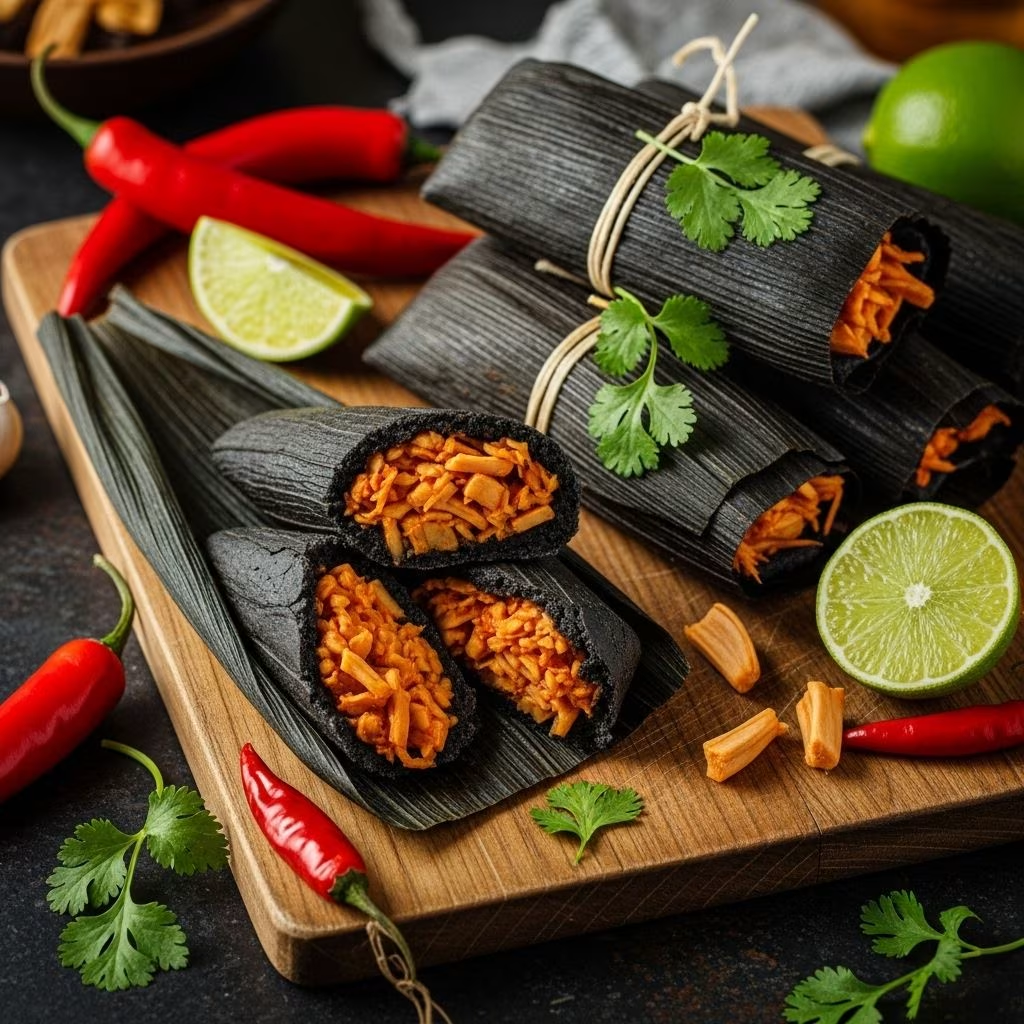
Mexican cuisine is celebrated for its vibrant flavors, rich traditions, and inventive techniques. Jocelyn Ramirez’s Black Tamales with Jackfruit and Red Chile builds on these time-honored roots while embodying the creative energy of contemporary, plant-based cooking. This recipe offers a drama of color and complexity—charcoal-black masa enveloping savory jackfruit bathed in spicy chile rojo. Each step contributes layers of authentic taste and visual allure, making it an ideal dish for those seeking bold flavors and a thoughtful twist on tradition.
Contents
- Background & Inspiration
- Ingredients
- Step-by-Step Directions
- Tips for Success
- Serving Suggestions
- Nutrition
- Frequently Asked Questions
Background & Inspiration
Ramirez’s recipe is a loving ode to her Mexican heritage, reimagined through the lens of plant-based cooking. Traditional tamales—usually filled with meats or cheeses and steamed in corn husks—are here reinvented with jackfruit, a versatile fruit known for its ability to mimic shredded meats. The masa itself is dramatically darkened using activated charcoal, adding visual contrast and subtle earthiness. Strong flavors come from toasted spices and an assertive chile rojo sauce made from guajillo and ancho chiles, which offer depth without overwhelming heat.
Ingredients
| Component | Ingredients | Notes |
|---|---|---|
| Corn Husks | 24 dried corn husks, warm water | For wrapping the tamales |
| Jackfruit Filling | 3 cans (20oz each) green jackfruit (rinsed, squeezed dry), 3/4 cup cooking oil, 2 tbsp ground cumin, 1/2 tsp crushed chili flakes, salt, pepper | Jackfruit mimics shredded meat; adjust seasoning to taste |
| Chile Rojo Sauce | 4 dried guajillo chiles, 4 dried ancho or pasilla chiles, 3 cups vegetable broth, salt, pepper | Rehydrates and fuels the jackfruit; depth and color |
| Masa | Dry masa harina, hot water, coconut oil, vegan butter, baking powder, vegetable broth, activated charcoal, salt | Charcoal turns masa black; coconut oil and vegan butter for richness |
| Toppings | Cashew crema, chile California powder, chile threads (optional) | For garnish and extra flavor |
Step-by-Step Directions
1. Preparing the Corn Husks
- Immerse the corn husks in a bowl of warm water, weighed down to keep submerged.
- Soak for at least 30 minutes; for best pliability, 3 hours to overnight is recommended.
2. Making the Chile Rojo Sauce
- Destem and deseed the guajillo and ancho/pasilla chiles.
- Cover the chiles in hot vegetable broth and soak until rehydrated, about 20 minutes.
- Transfer rehydrated chiles and 2 cups broth to a blender; add salt and pepper.
- Blend until smooth; add more broth as needed for a thick, pourable sauce that coats the back of a spoon.
3. Cooking the Jackfruit
- Heat oil in a large skillet over medium-high.
- Add shredded jackfruit and cook until lightly golden and dry.
- Sprinkle in cumin, red pepper flakes, salt, and pepper; stir thoroughly.
- Pour in the chile rojo sauce and mix.
- Simmer sauce and jackfruit together for 10 minutes until flavors meld. If mixture thickens too much, add reserved soaking broth to loosen.
4. Preparing the Black Masa
- Add dry masa harina to a large bowl; slowly incorporate hot water and mix with a spatula until hydrated.
- Add coconut oil, vegan butter, baking powder, vegetable broth, and mix until you have a loose, smooth masa.
- Fold in activated charcoal and salt, mixing until the masa is uniformly black.
- Let masa rest at room temperature for about 30 minutes.
5. Assembly and Folding
- Take the soaked husks and pat them dry; use either large husks or overlap two small ones side by side.
- Spread 4–5 tablespoons black masa near the wide edge of each husk, creating a square.
- Leave about 2 inches of husk on either side for folding.
- Add 2–3 tablespoons jackfruit filling slightly off-center atop masa.
- Fold right side over filling, then left side over that. Fold narrow tip upward over the seam.
- If desired, tear extra husks into strips and tie each tamale for extra hold.
6. Steaming the Tamales
- Add 1–2 inches water to a large pot; insert a steamer basket so tamales sit above water line.
- Arrange tamales standing upright with open end up, clustering them around the pot’s edge first, then filling the center.
- Cover and steam for about 45 minutes, or until masa is fluffy and cooked through.
Tips for Success
- Soaking: Overnight soaking makes corn husks more pliable and less prone to splitting during folding.
- Masa Consistency: Masa should be soft yet hold shape—adjust broth to achieve optimal texture.
- Activated Charcoal: Use food-grade activated charcoal, blending thoroughly for a uniform black dough.
- Jackfruit: Squeeze thoroughly dry to prevent soggy filling; season well for flavor.
- Steaming: Do not allow water to touch tamales directly. Periodically check water level and replenish as necessary.
- Taping (optional): If folding is tricky, tie tamales with thin strips of husk.
Serving Suggestions
- Open husks at serving, revealing dramatic black tamales.
- Top with cashew crema for vegan richness and tang.
- Sprinkle with California chile powder or chile threads for heat or visual contrast.
- Garnish with chopped cilantro, sliced radish, or pickled red onions for added color.
- Pair with sides like black beans, avocado salsa, or a zesty slaw.
Nutrition
This recipe is entirely plant-based, uses whole ingredients, and is free of dairy and animal products. The jackfruit provides fiber and subtle sweetness, while the masa is enriched via vegan fats. Spices and chiles boost antioxidants. Because jackfruit is low in calories and rich in micronutrients, the dish is filling but feels light. Note that calorie count depends on portion size and topping choices.
Frequently Asked Questions (FAQs)
Q: Can I use fresh jackfruit instead of canned?
A: Yes, but fresh jackfruit requires more prep—peeling, slicing, and removing seeds. Ensure pieces are rinsed, squeezed dry, and shredded to mimic texture.
Q: What is the function of activated charcoal in masa?
A: Activated charcoal is added solely for dramatic visual effect; it has a neutral flavor and does not alter the texture.
Q: How do I know when tamales are done steaming?
A: Tamales are done when the masa is no longer sticky and pulls away cleanly from the husk. The dough should be fluffy and set.
Q: Are there nut-free alternatives for cashew crema?
A: Yes, try coconut-based crema, silken tofu blended with lime and salt, or oat-based sour cream for nut allergies.
Q: Can these tamales be frozen?
A: Absolutely. Let cooked tamales cool fully, then wrap individually in plastic and freeze up to six months. Reheat by steaming or microwaving wrapped tamales.
Table: Black Tamale Recipe Overview
| Step | Task | Time | Details |
|---|---|---|---|
| Soaking Husks | Immerse husks in warm water | 30 min–overnight | Softer husks = easier folding |
| Chile Rojo Sauce | Soak and blend dried chiles | 20 min | Creates spicy, tart base |
| Jackfruit Filling | Brown jackfruit, simmer in sauce | 15 min | Deep flavor absorption |
| Black Masa | Mix masa with fats & charcoal | 20 min + 30 min rest | Distinctive color, fluffy base |
| Assembly | Spread masa, add filling, fold, tie | 30 min | Key to tamale shape |
| Steaming | Steam tamales upright | 45 min | Masa fully cooked, fluffy |
Extra: Why Jackfruit?
Jackfruit’s fibrous texture and neutral flavor profile make it a favorite in plant-based Mexican cuisine. It absorbs spices and sauces readily. Unlike many mock meats, it’s unprocessed and offers nutritional benefits such as fiber, vitamin C, and very little fat. When cooked in chile rojo, it’s near indistinguishable from traditional carnitas or shredded chicken, making tamales both authentic in mouthfeel and inclusive for vegans or those seeking a lighter meal.
Troubleshooting & Variations
- Masa too dry? Add vegetable broth or a small amount of oil and mix until desired texture.
- Jackfruit not shredding well? Use two forks or pulse lightly with a food processor after cooking in chile rojo, but avoid over-processing.
- No activated charcoal available? Tamales can be made with standard masa for typical appearance; the recipe remains flavorful.
- Spicy preference? Increase chile flakes or add chopped fresh jalapeño to jackfruit during sautéing.
- Gluten-free: The recipe is naturally gluten-free; always verify masa harina is labeled gluten-free.
Related Recipes & Resources
- Try Slow Cooker Pulled Pork Tacos for a different Mexican main.
- For salsa, see Mango Salsa or avocado-based condiments.
- For vegan baking, coconut oil and vegan butter substitute for traditional lard.
- Discover more authentic plant-based Mexican recipes in Jocelyn Ramirez’s cookbook La Vida Verde.
Photo Credit: Zohra Banon
Recipe reprinted with permission from La Vida Verde by Jocelyn Ramirez, Page Street Publishing Co., 2020.
References
- https://www.thepioneerwoman.com/food-cooking/recipes/a35338757/jocelyn-ramirez-tamal-negro-con-yaca-en-chile-rojo-recipe/
- https://www.thepioneerwoman.com/food-cooking/recipes/a40118030/tamale-pie-recipe/
- https://kr.pinterest.com/pin/93309023524177429/
- https://www.thepioneerwoman.com/food-cooking/meals-menus/g39195112/mexican-recipes/