Scotch whisky holds a legendary place in spirits culture, revered by enthusiasts for its complex flavor and deep-rooted history. At the heart of the whisky world stands blended Scotch, an essential style that shaped modern whisky appreciation and global drinking habits. This guide delves into what blended Scotch is, how it came to prominence, the artistry behind its creation, and explores some of the most iconic brands that have defined this enduring category.
What Is Blended Scotch Whisky?
Blended Scotch whisky is a style made by combining two or more single malt whiskies and grains whiskies. Instead of representing a single distillery or only malted barley, it incorporates whisky from different sources and grains to create a harmonious, consistent, and accessible flavor profile.
- Single Malt Scotch: Produced from 100% malted barley at a single distillery.
- Single Grain Scotch: Made primarily from grains other than barley (such as wheat or maize) at a single distillery.
- Blended Scotch: A marriage of single malt(s) and single grain whiskies from different distilleries, blended to achieve balance and consistency.
This blending technique is both an art and a science, requiring master blenders to harmonize components into a whisky that is greater than the sum of its parts. The approach not only influences flavor but has also played a pivotal role in making Scotch whisky one of the world’s most popular spirits.
Brief History of Blended Scotch
The journey of blended Scotch is intertwined with Scotland’s industrial and commercial rise during the 19th and early 20th centuries. Before blending became commonplace, Scotch was primarily sold as single malts—often robust, smoky, and intensely flavored. This made whisky challenging for many palates, especially outside Scotland.
Two transformative events in the 19th century shaped the future of Scotch:
- The Invention of the Coffey Still (1830s): A new type of still enabled continuous distillation, producing lighter, more neutral grain whisky at large scale.
- The Phylloxera Blight (late 1800s): With European vineyards devastated, whisky found a new market among wine and brandy drinkers seeking alternatives.
Early blenders—like Andrew Usher in Edinburgh—experimented with mixing peaty single malts and lighter grain whiskies to craft more approachable whiskies. This paved the way for the rise of iconic blends and the international popularity of Scotch, as blends offered a consistent, milder, and smoother experience that appealed to global tastes.
How Blended Scotch Whisky Is Made
Crafting a blended Scotch involves several meticulous steps, drawing on both tradition and innovation. Let’s break down the process from raw ingredients to the final product.
1. Ingredients and Base Whiskies
- Malted Barley: Primary grain for single malt whiskies.
- Cereals (maize, wheat, unmalted barley): Used for grain whiskies.
- Water: Scottish water is prized for its purity and mineral content.
- Yeast: Converts sugars into alcohol.
2. Production of Single Malts
- Malting: Barley is soaked to germinate, then dried. Peat smoke may be used to impart smokiness.
- Mashing: Malted barley is ground and mixed with hot water, converting starches to sugars and creating ‘wort’.
- Fermentation: Yeast is added to wort, creating alcohol and flavor compounds through a multi-day process.
- Distillation: Typically double-distilled in copper pot stills, concentrating flavors and alcohol.
- Maturation: Aged in oak casks for at least three years, developing complexity and softness.
3. Production of Grain Whisky
- Uses a mix of grains and is made in a Coffey or continuous still for greater lightness and volume.
- Typically less aromatic than malt whisky, but vital for balance and smoothness in blends.
4. Blending Process
The true magic of blended Scotch lies in the blending room:
- Selection: Dozens of malt and grain whiskies—some aged for decades—are sampled and chosen for their attributes.
- Proportioning: Each blend follows a closely guarded formula balancing base whiskies and defining malts.
- Marrying: The selected whiskies are mixed and often allowed to marry in neutral casks for several months, helping flavors integrate.
- Dilution and Bottling: The whisky is brought down to desired bottling strength with demineralized water and filtered before bottling.
Why Blend? The Art and Benefits of Blended Scotch
While single malts are celebrated for their intensity and individuality, blending offers its own unique appeals:
- Consistency: Blends provide a reliable flavor profile year after year, regardless of harvest or distillation variations.
- Approachability: Lighter, smoother, and generally less smoky, they’re appealing to a wider audience.
- Creativity: Blending allows master blenders to balance character, depth, and nuance by combining various distillery styles.
- Value: Blends are often more affordable due to the inclusion of grain whisky and younger malt whisky.
This is why so many of the world’s bestselling Scotch whiskies—from Johnnie Walker to Dewar’s—are blends.
Iconic Blended Scotch Brands Examined
The following brands not only define the blended Scotch category but have also had an outsized impact on the global whisky landscape. Each brings a distinct history and flavor approach:
| Brand | Notable Expression | Signature Style | Key Details |
|---|---|---|---|
| Johnnie Walker | Black Label, Red Label, Blue Label | Balanced smoke, fruit, and spice | World’s best-selling Scotch blend; known for the “striding man” logo |
| Chivas Regal | 12 Year Old, 18 Year Old | Rich, honeyed, approachable | Luxury blend with Strathisla at its heart; famed for smoothness |
| Cutty Sark | The Original, Prohibition Edition | Light-bodied, citrus-driven | Named after a famous sailing ship; popularized lighter Scotch abroad |
| Dewar’s | White Label, 12 Year Old | Heathery, honeyed, slightly smoky | Known for double aging, which enhances smoothness |
| Ballantine’s | Finest, 17 Year Old | Sweet, floral, balanced | Broadly available; features more than 40 malts in its blend |
Tasting and Enjoying Blended Scotch
Blended Scotch is versatile and can be appreciated neat, over ice, or as the foundation of classic cocktails.
Tasting Tips
- Neat: Appreciate aroma, taste, and finish best without dilution. Use a tulip-shaped glass to concentrate aromas.
- With Water: A few drops can open up the bouquet and reveal hidden flavors.
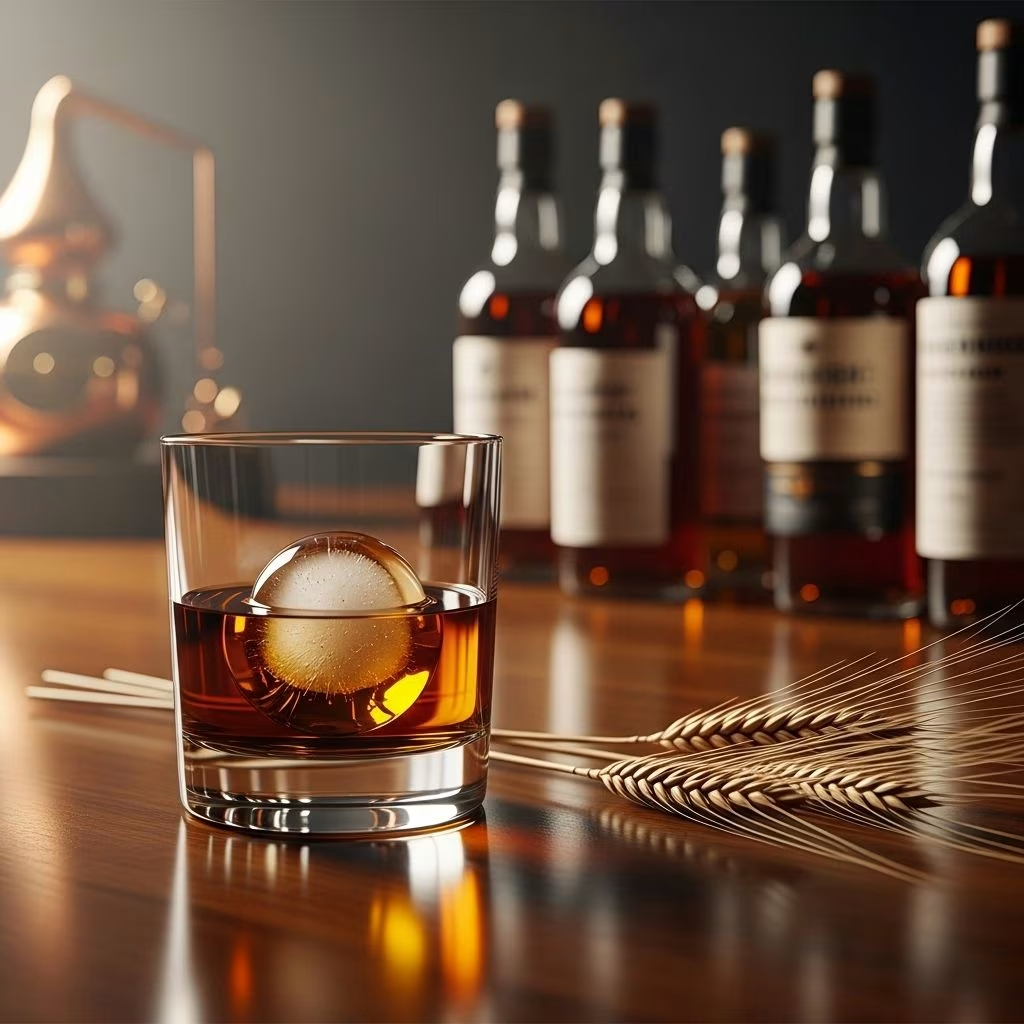
- With Ice: Chill softens intensity and is ideal for lighter, fresher blends.
- Cocktails: Try in classics like the Highball or Rob Roy—blended Scotch’s balance makes it mixable and friendly with soda water or vermouth.
Blended Scotch: Versatility in Mixology
Blended Scotch’s approachable flavor profile makes it a darling of bartenders worldwide. Its adaptability shines in both simple highballs and complex cocktails.
Classic Blended Scotch Cocktails
- Scotch Highball:
Blended Scotch with soda water over ice and a twist of lemon. - Rob Roy:
Blended Scotch, sweet vermouth, and bitters — a Scotch take on the Manhattan. - Blood and Sand:
Blended Scotch, sweet vermouth, orange juice, and cherry liqueur.
The mild sweetness and gentle spice of a good blended Scotch makes it an ideal ingredient for creative mixology or a simple nightcap.
How to Select a Blended Scotch: Key Factors
With so many options available, the best blend depends on your taste and intended use. Consider these factors:
- Flavor Preferences: Light and floral (e.g., Cutty Sark) or richer and smoky (e.g., Johnnie Walker Black Label)?
- Price Point: Blends are available at every budget, from affordable everyday bottles to ultra-premium releases.
- Intended Use: Sipping, mixing, or gifting?
- Age Statement: Indicates the youngest component; older blends tend to be smoother, more complex, and more expensive.
The Role of Blended Scotch in Whisky’s Global Rise
Without blended Scotch, Scotch whisky likely would not have attained its worldwide stature. Blends:
- Allowed brands to maintain reliable flavor in a market with variable supply.
- Made whisky accessible to new drinkers, particularly outside Scotland.
- Enabled the global export surge in the late 19th and 20th centuries.
Today, blended Scotch continues to be the top-selling whisky style worldwide, introducing new generations to whisky culture and supporting the diversity of Scotland’s distilleries.
Frequently Asked Questions (FAQs)
Q: What makes blended Scotch different from single malt?
A: Blended Scotch combines single malt and grain whiskies from different distilleries, while single malt is made only from malted barley at a single distillery.
Q: Is blended Scotch less ‘good’ than single malt?
A: Not at all. Blended Scotch’s consistency, complexity, and drinkability have made it a beloved style in its own right; it’s simply a different approach to whisky making.
Q: How should I drink blended Scotch?
A: Enjoy it neat, with a splash of water, over ice, or in cocktails—the best way is the way you prefer.
Q: Are all blended Scotch whiskies inexpensive?
A: While blends are generally priced lower than many single malts, luxury blends—such as Johnnie Walker Blue Label and Chivas Regal 25—can be quite premium.
Q: What are some highly recommended blended Scotch brands for beginners?
A: Johnnie Walker Black Label, Chivas Regal 12, Dewar’s White Label, and Ballantine’s Finest are approachable, classic choices.
Conclusion
Blended Scotch whisky, through artistry, history, and global passion, remains central to the world’s love affair with whisky. Whether you’re seeking a smooth sipper, a versatile mixer, or an introduction to the Scotch world, there’s a blend waiting to inspire your journey. Slàinte!
References
- https://www.edinburghwhiskyacademy.com/blogs/explainer/how-is-scotch-whisky-made
- https://www.whisky.fr/en/menu/blog/articles-on-whisky/how-to-make-blended-whisky
- https://www.diageobaracademy.com/en-us/home/alcohol-categories/scotch-whisky
- https://lovescotch.com/blogs/the-lovescotch-blog/how-is-scotch-made
- https://www.scotchwhiskyexperience.co.uk/about/about-whisky/whisky-making/
- https://www.ardray.com/en-us/whisky-stories/how-blended-scotch-whisky-made
- https://www.johnniewalker.com/en-us/whisky-guide/blended-scotch-whisky
- https://en.wikipedia.org/wiki/Scotch_whisky
- https://oakandeden.com/blogs/journal/what-is-blended-whiskey