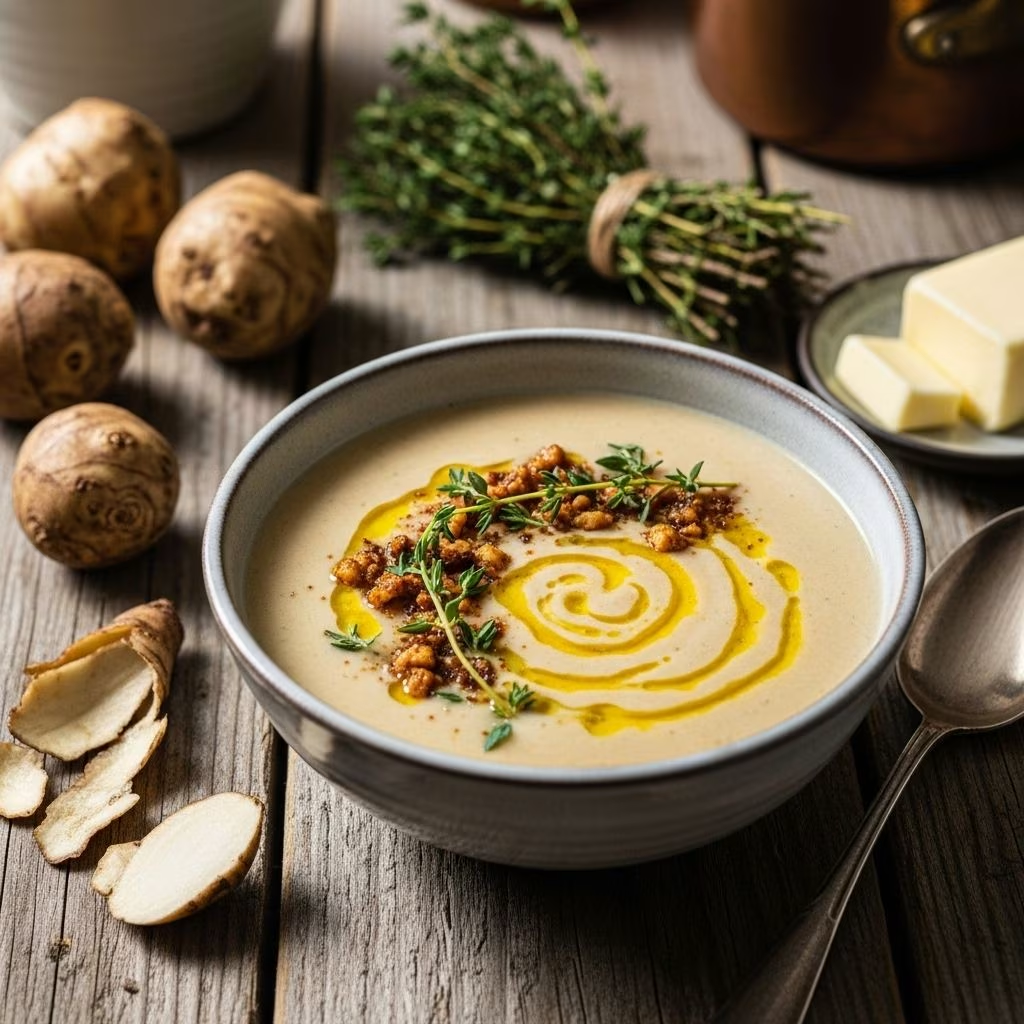
Brown Butter Sunchoke Soup is the sort of dish that feels both refined and deeply comforting. With a whisper of nutty, caramelized flavor from brown butter, the subtle sweetness and earthiness of sunchokes (also known as Jerusalem artichokes), and a creamy, velvety texture, it is a masterclass in transforming humble ingredients into a restaurant-caliber bowl of coziness. This guide will walk you through the ingredients, technique, and all the chef-level secrets you need to make your own batch of brown butter sunchoke soup at home—deliciously and confidently.
Why Make Sunchoke Soup?
Sunchokes are one of those vegetables that often fly under the radar, yet they have a nuanced, beguiling flavor somewhere between potato and artichoke with nutty undertones. When paired with brown butter, they gain even more depth—making sunchoke soup a seasonal favorite and an impressive addition to any meal. This soup is also naturally vegetarian (and can be made vegan with a few adjustments), making it great for a wide variety of diets.
- Unique flavor: Sunchokes blend creaminess with a subtle, sweet nuttiness.
- Versatile: Works equally well as a starter or a main.
- Elegant presentation: Perfect for dinner parties or holiday meals.
- Flexible: Easily adaptable for dairy-free and vegan diets.
What Are Sunchokes?
Sunchokes (Jerusalem artichokes) are the edible roots of a type of sunflower. Their knobby, ginger-like appearance belies a crisp, starchy flesh that cooks up to a creamy, slightly sweet, and nutty flavor. Sunchokes can be used in many ways, but their flavor shines in soups, where their texture and subtle earthiness are front and center.
- Look: Brown, knobby tubers, similar to ginger in shape.
- Flavor: Mildly sweet, nutty, and reminiscent of artichokes or potatoes.
- Preparation: Can be eaten raw, roasted, boiled, or pureed.
Fun fact: Despite the name, sunchokes have nothing to do with Jerusalem or globe artichokes. The name is believed to be a linguistic twist on ‘girasole’ (Italian for sunflower).
The Magic of Brown Butter
Brown butter—simply butter cooked until its milk solids gently toast—adds a rich, nutty aroma that elevates anything it touches. In sunchoke soup, brown butter provides necessary backbone and complexity. Toasting the butter at the start, and drizzling a final spoonful on the finished soup, transforms the sunchoke from mild-mannered root into something greater.
- How to make: Cook unsalted butter over medium heat until golden and nutty.
- Sensory tip: Watch for brown specks and smell the shift to a toasted, cookie-like aroma.
Ingredients Overview
Making great sunchoke soup is all about quality ingredients and simple technique. Here’s what you’ll need:
| Ingredient | Purpose |
|---|---|
| Sunchokes | Main flavor and creamy base |
| Butter (unsalted) | For browning and rich flavor |
| Leeks | Aromatics; balances sweetness |
| Garlic | Boosts savory depth |
| Vegetable or Chicken Stock | Builds body and enhances sunchoke flavor |
| Cream (optional) | Adds silkiness and luxury |
| Lemon Juice | Cuts richness and brightens |
| Salt & Pepper | Pulls flavors into balance |
Step-by-Step: Making Brown Butter Sunchoke Soup
Ready to turn sunchokes into soup? Here’s how, from start to finish.
1. Clean and Prep the Sunchokes
- Scrub sunchokes gently under cold water; there’s no need to peel unless desired (the skin is thin and edible).
- Trim away any tough or knobbly bits.
- Slice the sunchokes into uniform rounds or chunks for even cooking.
2. Brown the Butter
- Melt your butter in a large, heavy pot over medium heat.
- Let the butter foam and spatter, swirling often, until the solids at the bottom turn a deep golden brown and smell nutty—about 3–5 minutes.
- Transfer about 2 tablespoons of brown butter to a small bowl (for drizzling later); leave the rest in the pot for sautéing.
3. Sauté Aromatics
- Add chopped leeks and garlic to the pot with brown butter.
- Cook, stirring, until leeks are soft but not browned, about 4–5 minutes.
- Add sunchokes and stir until coated; cook 2 minutes more.
4. Simmer the Soup
- Pour in enough stock to just cover the sunchokes (add more if needed, keeping in mind you can always thin the soup later).
- Bring to a simmer and cook uncovered until sunchokes are completely tender—20 to 30 minutes.
5. Blend Until Silky Smooth
- Let the soup cool slightly. Working in batches, transfer to a blender and puree until perfectly smooth.
- For extra finesse, pass the soup through a fine mesh sieve for ultra-silkiness (optional, but highly recommended).
6. Adjust and Finish
- Return soup to the pot over low heat. Stir in a splash of cream, if desired.
- Season generously with salt and white or black pepper to taste.
- Add a squeeze of lemon juice—a little goes a long way for brightness.
7. Serve with Brown Butter Drizzle
- Ladle soup into warm bowls.
- Drizzle with reserved brown butter and garnish with minced chives, crispy sunchoke chips, or a swirl of cream if you like.
Tips, Tricks, and Variations
- Don’t Skip the Sieve: Passing the soup through a sieve takes the texture from good to outstandingly smooth and elegant.
- For Vegans: Substitute a good vegan butter or olive oil for dairy butter, and skip the cream.
- Texture Tweaks: For a thicker soup, start with less liquid. To thin, add more stock or even water.
- Add Crunch: Top with homemade sunchoke chips or toasted seeds.
- Citrus: Lemon juice not only balances the flavor but prevents heaviness—don’t skip it!
Serving Suggestions
Brown butter sunchoke soup shines as both a starter and a main. Here are some delicious ways to serve it:
- As a starter: Portion into small bowls or cups and serve with warm crusty bread.
- Main course: Pair with a simple salad, roasted vegetable plate, or grilled cheese sandwich.
- For special occasions: Garnish with chive oil, crispy shallots, or a dollop of crème fraîche.
Storage and Make-Ahead Tips
- Fridge: Store cooled soup in an airtight container up to 4 days. Gently reheat; add more stock if needed.
- Freezer: Soup freezes well. Omit or add cream after thawing and reheating for best results.
- Brown butter drizzle: Make extra and refrigerate; it adds depth to grains or vegetables, too.
Frequently Asked Questions (FAQs)
Q: Do sunchokes need to be peeled?
A: No, sunchoke skins are edible and become tender during cooking. Only peel if you prefer a more refined flavor or appearance.
Q: What can I use instead of sunchokes?
A: Though nothing fully mimics sunchokes, you can substitute a combination of parsnips and potatoes in a pinch, though the flavor will shift.
Q: Why is my soup not silky?
A: For maximum silkiness, blend thoroughly and pass the soup through a fine mesh sieve. Also, ensure the sunchokes are fully cooked and soft before blending.
Q: Can I make it dairy-free?
A: Absolutely—use vegan butter for browning and skip or replace cream with a dairy-free alternative.
Q: How do I keep sunchoke soup from turning gray?
A: Add a little lemon juice to brighten the flavor and color. Cook sunchokes promptly after cutting to limit discoloration.
Chef’s Notes & Troubleshooting
- Lumpy Soup? Blend longer, or strain your soup for a velvety finish.
- Too thick or thin? Adjust with more or less stock until the consistency is just right for your taste.
- Flavor flat? Don’t be shy with salt or lemon juice, and finish with brown butter for complexity.
- Allergies: Note that some people can have digestive reactions to sunchokes—consume in moderation if you’re new to them.
Final Thoughts: Simple, Special, and Satisfying
Brown butter sunchoke soup is one of those rare recipes that delivers restaurant-level results at home, using only a handful of ingredients and a little care with technique. Its earthy sweetness and nutty aroma invite comfort, while its silky luxury makes for a sophisticated first course or a deeply satisfying main.
With the steps and secrets in this guide, you’ll transform unassuming root vegetables into an unforgettable bowl—sure to become a fixture each time sunchokes are in season.