The Ultimate Cajun Meatloaf: A Southern Comfort Food Revolution
When most people think of meatloaf, they picture a simple, straightforward dish that’s more about sustenance than excitement. But what if we told you there’s a way to transform this humble comfort food into something extraordinary? Enter Cajun meatloaf – a bold, flavorful interpretation that brings the vibrant tastes of Louisiana right to your dinner table.
This isn’t your grandmother’s basic meatloaf recipe. This Cajun-inspired creation combines the holy trinity of Louisiana cooking – bell peppers, onions, and celery – with aromatic spices and a generous amount of butter to create a dish that’s both familiar and thrilling. The result is a meatloaf that’s incredibly moist, packed with flavor, and guaranteed to become a new family favorite.
Understanding the Cajun Flavor Profile
Before diving into the recipe, it’s essential to understand what makes Cajun cuisine so distinctive. Cajun cooking originated with the French-speaking Acadian people who settled in Louisiana, and it’s characterized by bold, robust flavors that aren’t necessarily fiery hot but are deeply satisfying and complex.
The foundation of Cajun cooking lies in the holy trinity – a mixture of bell peppers, onions, and celery that forms the aromatic base for countless dishes. Unlike the French mirepoix, which uses carrots instead of bell peppers, the Cajun holy trinity reflects the local ingredients available in Louisiana’s unique climate and geography.
What sets this Cajun meatloaf apart is how it incorporates these traditional flavors into a format that’s accessible to home cooks everywhere. The vegetables aren’t just mixed raw into the meat; they’re properly sautéed to develop their flavors and create a rich, aromatic base that permeates every bite of the finished dish.
Essential Ingredients for Cajun Meatloaf Success
The beauty of this Cajun meatloaf lies not just in its bold flavors but also in the quality and combination of its ingredients. Each component plays a crucial role in creating the final masterpiece.
The Protein Foundation
This recipe calls for a combination of 2 pounds of lean ground beef (ideally 92/8 lean-to-fat ratio) and 1 pound of ground pork. This dual-protein approach isn’t arbitrary – it’s a calculated decision that enhances both flavor and texture. The beef provides the substantial, meaty foundation we expect from meatloaf, while the pork adds richness and helps keep the loaf moist during cooking.
The Holy Trinity and Aromatics
The vegetable components are what truly distinguish this recipe:
- 3 bell peppers (or 2 if they’re particularly large) – A colorful mix of red, orange, and yellow peppers not only looks beautiful but also provides varying levels of sweetness and depth
- 2 medium onions – These provide the essential savory base and help bind the mixture
- 1 bunch of celery (5-6 ribs) – Adds crucial texture and that distinctive Cajun flavor
- 8-10 cloves of garlic – Because no Cajun dish would be complete without generous amounts of this aromatic powerhouse
The Binding and Enriching Elements
Several ingredients work together to create the perfect texture and richness:
- 6 tablespoons of butter – This generous amount isn’t just for flavor; it’s essential for properly cooking the vegetables and adding richness to the final dish
- 3 eggs – These act as the primary binding agent, helping hold everything together
- 1-2 cups of breadcrumbs – These absorb moisture and help create the proper texture
- 1/2 cup of milk – Adds moisture and helps create a tender final product
The Step-by-Step Cooking Process
Preparing the Vegetable Base
The key to outstanding Cajun meatloaf begins with properly preparing your vegetable base. Start by preheating your oven to 400 degrees Fahrenheit. This temperature will give you the perfect balance of cooking the interior while developing a beautiful exterior crust.
Dice all your fresh vegetables – peppers, onions, and celery – into small, uniform pieces. You’re aiming for what chefs call a small dice, not quite a mince but smaller than a rough chop. This size ensures the vegetables will cook evenly and distribute properly throughout the meatloaf. Don’t forget to mince your garlic cloves during this preparation phase.
Creating the Aromatic Foundation
In a large skillet, melt your 6 tablespoons of butter over medium-high heat. Yes, it seems like a lot, but remember – you’re cooking a substantial amount of vegetables, and this butter will carry flavors throughout the entire dish. Watch for the butter to start browning slightly, which indicates it’s reaching the perfect temperature for developing complex flavors.
Add your diced onions, celery, bell peppers, and minced garlic to the hot butter. The sizzle you hear is the beginning of flavor development. Add approximately 1 tablespoon of salt to help extract moisture from the vegetables and begin the seasoning process.
Building Flavor Layers
As your vegetables begin to soften and become fragrant, it’s time to add the spices that give this dish its Cajun character. Add ground nutmeg, black pepper, and cayenne pepper to taste. The nutmeg might seem unusual, but it adds a warm, aromatic complexity that complements the other spices beautifully.
For those who enjoy a bit of heat, this is your opportunity to add hot sauce. Remember, Cajun food is about flavor complexity, not just heat, so start conservatively and build up to your preferred spice level.
Creating the Binding Mixture
Once your vegetables have cooked for several minutes and are becoming tender, add approximately 1/2 cup of ketchup and 1 tablespoon of Worcestershire sauce to the mixture. These ingredients add depth and umami flavors that will permeate the entire meatloaf.
After allowing this mixture to cook for a few more minutes, remove the skillet from heat and begin the cooling process. Add 1/2 cup of milk and stir to combine. Then gradually add 1-2 cups of breadcrumbs, stirring continuously until you achieve a thick, paste-like consistency. This mixture should hold together well but not be overly dry.
Assembly and Cooking Techniques
Combining the Elements
In a large mixing bowl, combine your 2 pounds of ground beef and 1 pound of ground pork. Beat 3 eggs and add them to the meat mixture. This is where patience pays off – allow your vegetable mixture to cool sufficiently before adding it to the meat. You don’t want the heat to begin cooking the raw meat and eggs prematurely.
Once you’re confident the vegetable mixture has cooled, begin incorporating it into the meat. This is best done by hand, working the mixture gently but thoroughly to ensure even distribution. Over-mixing can result in a tough final product, so work just until everything is evenly combined.
Shaping and Preparing for the Oven
Using your hands, form the meatloaf mixture into a loaf shape on a sheet pan. Aim for dimensions of approximately 6-8 inches wide and 1 1/2 inches thick. This size ensures even cooking throughout while maintaining the classic meatloaf appearance. A light coating of non-stick spray on your pan can prevent sticking and make cleanup easier.
The Perfect Glaze
No meatloaf is complete without a glossy, flavorful topping. Mix 3/4 cup of ketchup with 2 tablespoons of honey to create a sweet-tangy glaze that will caramelize beautifully during cooking. Apply this mixture generously over the top and sides of your formed meatloaf.
Cooking and Serving Guidelines
Place your prepared meatloaf in the preheated 400-degree oven for approximately 40 minutes. The high temperature helps develop a beautiful crust while ensuring the interior cooks through completely. You’ll know it’s done when the internal temperature reaches 160°F for food safety.
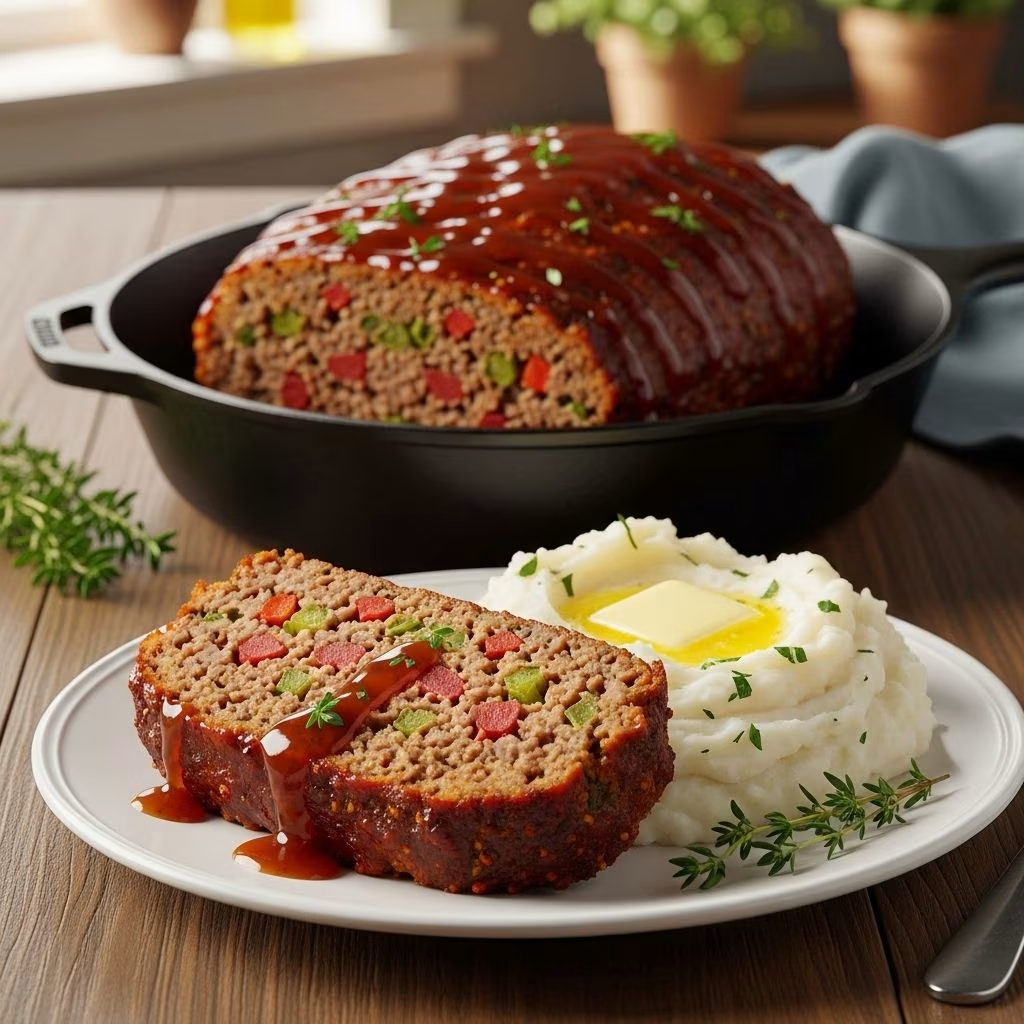
Allow the meatloaf to rest for 10-15 minutes before slicing. This resting period allows the juices to redistribute throughout the meat, ensuring each slice is moist and flavorful. The finished product should have a beautiful golden-brown exterior with a moist, flavorful interior packed with visible vegetables and aromatics.
Nutritional Benefits and Serving Suggestions
This Cajun meatloaf recipe serves approximately 6-8 people, making it perfect for family dinners or meal prep. The combination of lean ground beef and ground pork provides high-quality protein, while the abundance of vegetables adds fiber, vitamins, and minerals to the dish.
The vegetables in this recipe aren’t just flavor enhancers – they’re nutritional powerhouses. Bell peppers are rich in vitamin C and antioxidants, onions provide quercetin and other beneficial compounds, and celery adds fiber and potassium. The garlic contributes allicin, known for its potential health benefits.
Perfect Pairings
This bold, flavorful meatloaf pairs beautifully with classic Southern sides. Consider serving it with:
- Creamy mashed potatoes or sweet potato mash
- Southern-style green beans with bacon
- Cornbread or buttermilk biscuits
- Coleslaw for a cool, crisp contrast
- Mac and cheese for the ultimate comfort food experience
Storage and Reheating Tips
Leftover Cajun meatloaf keeps well in the refrigerator for 3-4 days when properly stored in an airtight container. For longer storage, individual slices can be wrapped and frozen for up to 3 months.
When reheating, avoid the microwave if possible, as it can make the texture rubbery. Instead, reheat slices in a 350°F oven for about 15 minutes, covered with foil to prevent drying out. You can also slice cold leftover meatloaf for excellent sandwiches – the flavors often improve after a day in the refrigerator.
Frequently Asked Questions
Q: Can I make this meatloaf ahead of time?
A: Absolutely! You can prepare the entire meatloaf up to the baking step and refrigerate it for up to 24 hours. Just remember to add an extra 10-15 minutes to the cooking time if baking straight from the refrigerator.
Q: Can I substitute the ground pork?
A: Yes, you can use all ground beef if preferred, but the pork adds moisture and flavor. If substituting, consider using ground beef with a slightly higher fat content (85/15) to maintain moisture.
Q: How can I tell when the meatloaf is fully cooked?
A: The most reliable method is using a meat thermometer. The internal temperature should reach 160°F. Visually, the juices should run clear, and the exterior should be golden brown.
Q: Can I adjust the spice level?
A: Definitely! Start with less cayenne pepper and hot sauce, then adjust to your taste. Remember, you can always add more heat, but you can’t take it away.
Q: What’s the best way to prevent the meatloaf from falling apart?
A: Ensure you’re using enough binding ingredients (eggs and breadcrumbs), don’t overmix the meat, and let it rest after cooking. The vegetable mixture should be thick enough to hold everything together.
Mastering the Art of Cajun Comfort Food
This Cajun meatloaf represents more than just a recipe – it’s a celebration of how traditional techniques can transform familiar dishes into something extraordinary. By respecting the fundamental principles of Cajun cooking while adapting them to a beloved American comfort food, you create something that honors both culinary traditions.
The key to success lies in understanding that each step builds upon the previous one. From properly preparing your vegetables to achieving the right consistency in your binding mixture, every detail contributes to the final result. When you slice into this finished meatloaf, you should see beautiful distribution of colorful vegetables throughout the meat, evidence of the care and technique that went into its creation.
Whether you’re cooking for a family dinner, meal prep for the week, or looking to impress guests with something familiar yet exciting, this Cajun meatloaf delivers on all fronts. It’s proof that comfort food doesn’t have to be boring – sometimes, all it takes is the right combination of ingredients, proper technique, and a willingness to embrace bold flavors to create something truly memorable.
References
- https://www.thepioneerwoman.com/food-cooking/recipes/a8868/cajun-meatloaf/
- https://bestoflongislandandcentralflorida.blogspot.com/2014/10/pastor-ryans-cajun-meatloaf.html
- https://tastykitchen.com/recipes/main-courses/pastor-ryane28099s-cajun-meatloaf/
- https://crazyjamie.wordpress.com/2016/02/15/cajun-meatloaf/
- https://crazyadventuresinparenting.com/2009/01/i-shall-call-it-meat-monster.html