Canederli di Pane: An Italian Mountain Classic
Canederli di pane are hearty Italian bread dumplings rooted in the culinary traditions of Northern Italy, particularly South Tyrol and Trentino-Alto Adige. This comfort food, important in the region’s ‘cucina povera’ (peasant cooking), turns stale bread and simple pantry ingredients into satisfying dumplings, showcasing resourcefulness and regional pride. These dumplings are sometimes known as Knödel in German-speaking Alpine regions, sharing a family resemblance with their Austrian and Bavarian cousins.
What are Canederli?
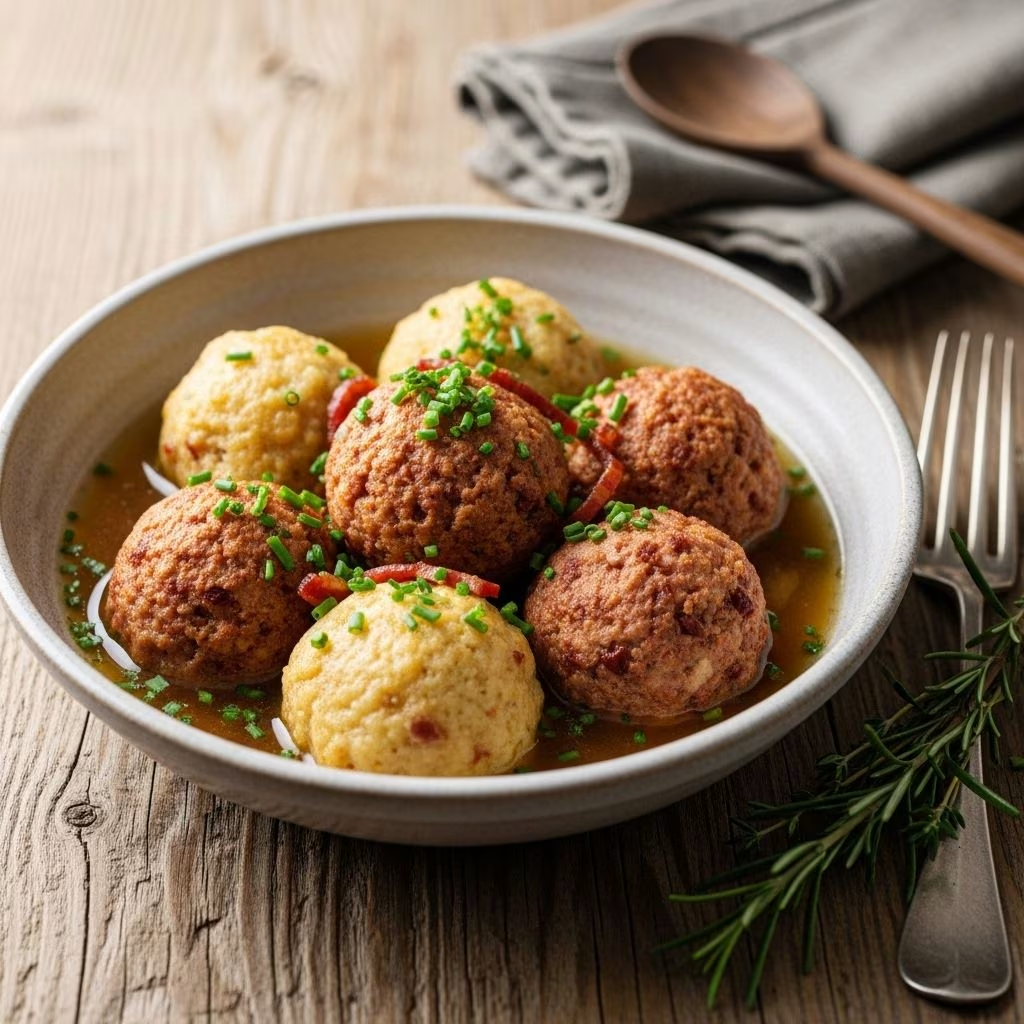
Canederli, pronounced kah-neh-DAIR-lee, are large bread dumplings that are boiled and either served in broth or with melted butter. They’re typically made from cubes of bread soaked in milk and mixed with eggs, cured pork (often speck), herbs, and cheese. Their preparation embodies a respect for thrift and sustainability, turning leftovers into a festive dish that bridges Italian and Central European cuisines.
Known locally and abroad, Canederli are:
- Round, substantial dumplings, often the size of a small orange.
- A showcase for leftover or stale bread.
- Infused with cured meats like speck, prosciutto, or salami.
- Customizable with herbs, green vegetables, or cheese.
- Commonly served in broth, or with melted butter and sage.
Origins and Regional Significance
Canederli hail from the mountainous regions of Trentino-Alto Adige and South Tyrol—areas of Italy bordering Austria and Switzerland—where bread was traditionally baked infrequently and every crumb was valued. The dumplings are a staple in homes and restaurants, especially during colder months. Their close relatives, Knödel, are widespread in Central Europe, showing the flow of culinary traditions across borders.
Historically:
- Canederli were a way to reuse stale bread—key in regions where resources were limited.
- The dish highlights the agricultural and pastoral lifestyle: locally cured meats, mountain cheeses, and preserved bread.
- Today, they appear in festive meals, ski resort menus, and rustic taverns throughout Northern Italy.
Variations Across Regions
While the core of Canederli remains steady, local and family traditions offer subtle and tasty variations. Some common adaptations include:
- Meat Variations: Speck (smoked cured pork), prosciutto, salami, or even leftover roast meats.
- Cheese: Parmigiano-Reggiano, Grana Padano, or locally made mountain cheeses.
- Herbs and Greens: Parsley, chives, spinach, or chard add color and brightness.
- Broth or Sauce: Boiled in vegetable, meat, or game broth; served sauced with brown butter and sage, or combined with caramelized onions.
- Seasonal Vegetables: Wild mushrooms, sautéed onions, or seasonal greens can be added for flavor.
The adaptability of Canederli means that nearly every household has its preferred method and flavor profile.
Essential Ingredients
At their heart, Canederli are built on simplicity and technique. The essential ingredients typically include:
- Stale white bread—cubed or torn, crucial for texture and holding the mixture together.
- Whole milk—soaks the bread, adding softness and moisture.
- Eggs—bind the mixture and impart richness.
- Cured pork—such as speck, prosciutto, or salami; contributes savory depth and fat.
- Flour or fresh breadcrumbs—to adjust consistency and absorb excess moisture.
- Fresh herbs—traditionally parsley, chives, or sage.
- Nutmeg—for a warm, aromatic background note.
- Grated cheese—typically Parmigiano-Reggiano or its local varieties.
- Salt and pepper—to balance and season.
- Butter—for serving, sometimes browned with sage or onions.
Step-by-Step Preparation
The process of making Canederli is straightforward but demands attention to texture and moisture. Here’s a breakdown:
1. Preparing the Bread
- Cut or tear stale bread into cubes or small chunks.
- Remove crusts for a smoother texture.
- Soak in milk for 30 minutes (or broth as an alternative), stirring occasionally until the bread is soft.
2. Mixing Ingredients
- In a large bowl, gently squeeze the bread to remove excess liquid.
- Add finely chopped cured meat, grated cheese, and minced fresh herbs.
- Season with nutmeg, salt, and pepper.
- Add eggs, mixing thoroughly by hand or with a spoon until a dough forms.
- If the mixture is too wet, incorporate flour or fine breadcrumbs until it holds together but remains sticky.
- Cover and let rest for 15–30 minutes to allow flavors to meld and moisture to be absorbed.
3. Shaping the Dumplings
- With damp hands, take small handfuls of dough and roll into balls roughly 1.5–3 inches in diameter.
- Size can vary; smaller balls for soup, larger for serving with sauces.
4. Cooking the Canederli
- Bring a large pot of salted water (or broth) to a gentle boil.
- Carefully drop the dumplings in, stirring gently to prevent sticking.
- Simmer until the canederli rise to the surface, usually 10-15 minutes.
- Remove with a slotted spoon; avoid overcooking as they will become dense.
5. Serving Suggestions
- Serve immediately, either in hot broth as a soup starter or with a drizzle of brown butter and crispy sage.
- Top with additional grated cheese, herbs, or caramelized onions for extra flavor.
Traditional Serving Styles
| Style | Description | Typical Ingredients |
|---|---|---|
| Brodo (Broth) | Canederli served floating in clear, flavorful broth, ideal for cold months. | Beef, chicken, mushroom, or game stock |
| Burro e Salvia (Butter & Sage) | Canederli bathed in brown butter, scented with fried sage leaves. | Butter, fresh sage, optional speck strips |
| Onions & Cheese | Canederli topped with caramelized onions or melted cheese for richness. | Sweet onions, Parmigiano or mountain cheeses |
Cultural Context: Cucina Povera and Mountain Living
Canederli are a prime example of cucina povera, Italy’s tradition of making the most from humble ingredients. In mountain villages, bread was a lifeline, baked sparingly and saved diligently. Every crumb was precious, and canederli emerged as the perfect solution for stretches between baking days.
Key points:
- Canederli symbolize frugality, resilience, and communal cooking.
- The use of speck highlights Alpine preservation methods, bringing smoky, savory flavor to the dumplings.
- They embody a cross-cultural culinary heritage, with strong ties to neighboring Austria and Germany.
Recipe: Classic Canederli di Pane
Here is a classic recipe for canederli, adapted from regional sources and perfected for the home cook:
- Stale white bread, crusts removed (about 9 oz / 250 g)
- Whole milk (1 cup / 250 ml)
- Fresh eggs (3)
- Speck, prosciutto, or salami (7 oz / 200 g, finely chopped)
- Flour (1 cup / 20 g, or as needed)
- Nutmeg (just a pinch, freshly grated)
- Fresh parsley or chive (1/2 cup / 30 g, chopped)
- Salt (1 tsp)
- Meat broth (6 cups / 1.5 L) for boiling/serving
- Butter and fresh sage, for finishing
Instructions
- Prepare the bread: Cut the bread into cubes, soak with milk for 30 minutes.
- Mix the dough: In a bowl, mash bread and milk together. Add eggs, chopped meat, parsley, nutmeg, salt, and cheese. Mix thoroughly. Adjust moisture with flour or breadcrumbs.
- Shape the dumplings: Form into balls with wet hands and set aside.
- Bring water or broth to a boil: Salt it well. Gently drop in the canederli.
- Cook: Simmer until the dumplings float, 10–15 minutes.
- Brown butter and sage: Melt butter in a pan, add sage or speck, and gently toss cooked dumplings in this mixture.
- Serve: Immediately, garnished with extra herbs and cheese.
Tips for Perfect Canederli
- Use bread that is at least 2–3 days old for optimum texture.
- Handle the dough gently to avoid toughness.
- Let the mixture rest so flavors marry and dough firms up.
- Simmer, don’t boil vigorously, to prevent breakdown.
- Add flour or breadcrumbs sparingly—a sticky dough yields lighter dumplings.
- Customize fillings according to taste and what ingredients are at hand.
Common Mistakes and How to Avoid Them
- Dumplings Fall Apart: If too wet, add more flour or breadcrumbs until they hold their shape.
- Dumplings are Dense: Overworking dough or adding too much flour results in heaviness; mix until just combined.
- Lack of Flavor: Season generously, especially with salt—bland bread needs strong support from cheese, cured pork, and herbs.
Frequently Asked Questions (FAQ)
Q: Can I use fresh bread instead of stale?
A: While stale bread is traditional and helps achieve the right texture, fresh bread can be used if slightly dried out in the oven first.
Q: What’s the best type of cured pork for Canederli?
A: Speck is traditional due to its smoky flavor, but prosciutto, cooked salami, or even pancetta can be substituted.
Q: Can I make Canederli vegetarian?
A: Yes! Omit the pork and substitute with more herbs, sautéed greens, mushrooms, and extra cheese for depth.
Q: Is it possible to freeze Canederli?
A: Yes. Shape and freeze the raw dumplings on a tray, then transfer to a bag and cook from frozen, adjusting cooking time as needed.
Q: What broth pairs best with Canederli?
A: Beef, chicken, or mushroom broths are classic, but any flavorful stock works beautifully to highlight the dumplings.
Modern Takes and Serving Suggestions
Chefs and home cooks continue to innovate with Canederli:
- Adding wild greens, truffle oil, or local cheeses.
- Serving smaller dumplings as an appetizer or larger as a main course.
- Combining classic toppings—brown butter, fried sage, and crispy speck—for a rich finish.
- Pairing with game or vegetable consommés in fine dining settings.
Canederli’s Enduring Appeal
Whether enjoyed in a rustic mountain chalet or an elegant urban trattoria, Canederli stand as a delicious link between past and present, region and nation, thrift and celebration. To make Canederli is to share in centuries of mountain hospitality—and to taste the heart of Northern Italy, one dumpling at a time.
References
- https://www.pastagrammar.com/post/canederli-classic-bread-dumpling-recipe
- https://honest-food.net/canederli-recipe/
- https://www.youtube.com/watch?v=AAfQakOs6bc
- https://www.the-pasta-project.com/canederli-in-broth-south-tirol-recipe/
- https://www.greatitalianchefs.com/recipes/canederli-dumplings-recipe
- https://julskitchen.substack.com/p/leftover-bread-cook-along
- https://www.domenicacooks.com/blog/2015/01/canederli-brodo-bread-dumplings-broth
- https://myitalianflavors.com/soups/knodel-italian-canederli/
- https://www.youtube.com/watch?v=YfdVEOx4L9M