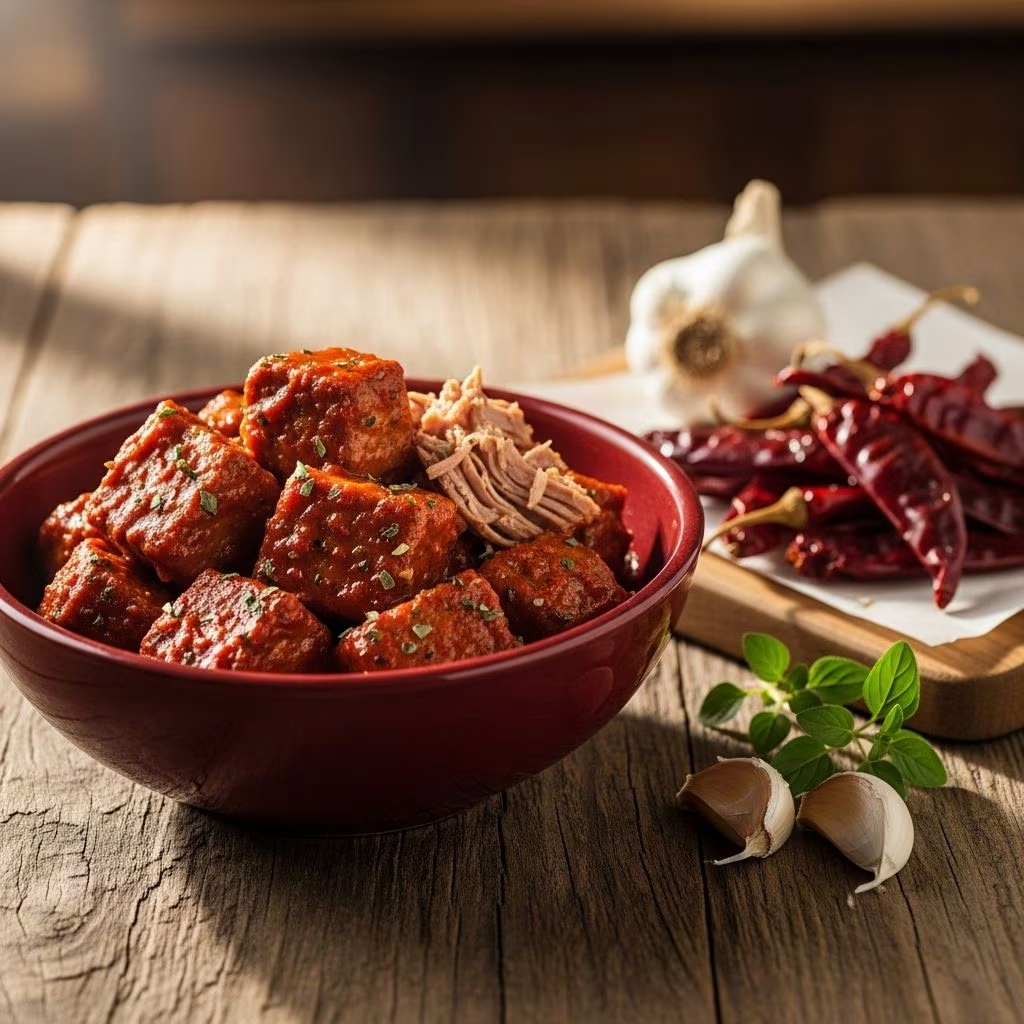
Carne Adovada stands as one of New Mexico’s most celebrated and beloved dishes—a vibrant, deeply flavored stew of pork simmered in a complex red chile sauce. This comprehensive guide explores its origins, cultural context, ingredients, preparation methods, and serving suggestions for making an irresistible Carne Adovada at home.
What Is Carne Adovada?
Carne Adovada, sometimes spelled “Adobada,” is a dish rooted in the heart of New Mexican cuisine. It typically features pork shoulder or butt that is marinated and slow-cooked in a vividly hued, chile-based sauce. The result is fork-tender meat laced with the earthy heat and subtle smokiness of red chile, a hallmark of the region’s culinary tradition.
Carne Adovada is commonly served at family gatherings, local fiestas, and in restaurants throughout the American Southwest, particularly in New Mexico, a state famed for its unique variations on Mexican and Southwestern flavors.
The Origins and Cultural Importance of Carne Adovada
This dish’s lineage can be traced back centuries, with roots stretching deep into both Spanish colonial and Indigenous cooking traditions. The marinade—built around sun-dried red chiles—reflects a preservation technique used long before refrigeration, while slow braising developed as a practical way to tenderize tougher cuts of meat.
Over time, Carne Adovada has evolved into an iconic representation of New Mexico’s culinary identity, seamlessly blending Native, Mexican, and Spanish influences.
Regional Variations
- New Mexico: Traditionally uses native chile pods (such as Hatch or Chimayó), oregano, garlic, and sometimes vinegar.
- Northern Mexico: Employs similar techniques but may use different chile varieties and occasionally adds spices like cinnamon.
- Other Southwestern Regions: Substitutions of pork with game meats (e.g., wild hog), as well as the incorporation of orange juice or dried fruit for additional flavor and moisture.
Main Ingredients
| Ingredient | Role in the Dish | Notes |
|---|---|---|
| Pork shoulder/butt | Main protein | Marbled for tenderness during braising |
| Red chile pods | Base of sauce | Varieties: New Mexico, Hatch, Guajillo, Ancho, Pasilla |
| Garlic | Aromatic base | Provides depth |
| Oregano (ideally Mexican) | Herbal accent | Brings earthiness, complexity |
| Vinegar | Acidic balance | Brightens flavors |
| Optional: Onions, thyme, cumin, dried thyme, orange juice, dried fruit (apricots) | Flavor enhancers | Regional and individual chef preference |
How to Make Carne Adovada: Step-by-Step
The process for preparing Carne Adovada can be broken down into several core stages, each critical for maximizing the depth of flavor and texture. Although minor steps and ingredient proportions vary by family and region, the following method provides a widely accepted and robust approach.
1. Selecting and Preparing the Chiles
- Choose your chiles: New Mexican red chile pods are preferred (e.g., Hatch), but Guajillo, Ancho, Pasilla, or a blend can be used.
- Remove stems and seeds: For a smooth, less bitter sauce, strip seeds and stems before toasting.
- Toast the chiles (optional, but recommended): Toast in a dry skillet over medium heat for 1–2 minutes, just until fragrant. This intensifies their flavor. Avoid burning, as it adds bitterness.
- Soften the chiles: Place toasted chiles in a pot, cover with hot water, and soak for 10–15 minutes to soften.
2. Making the Chile Marinade
- Blend the softened chiles with soaking water (or substitute with broth for richness), garlic, oregano, vinegar, cumin, and salt until you’ve formed a velvety, brick-red puree.
- If desired, strain the sauce for an extra-smooth texture, though a high-powered blender often makes this unnecessary.
3. Preparing the Pork
- Cut pork shoulder into hearty 1.5–2″ cubes.
- Season generously with salt, and let sit briefly while you prepare the chile sauce.
4. Marinating
- Place the pork in a large bowl or resealable bag, and pour the chile sauce over the meat.
- Toss to coat evenly. If time allows, marinate for several hours or (ideally) overnight in the refrigerator—marinating is key for deep flavor penetration.
5. Searing and Braising
- Heat oil in a heavy pot or Dutch oven over medium-high heat.
- Sear pork pieces in batches until they’re browned on at least one side. Remove and set aside each batch.
- Optional: Sauté chopped onions and deglaze with a splash of water, scraping up the flavorful browned bits.
- Return all pork (and any juices) to the pot; pour over remaining chile sauce and/or any leftover marinade.
- Add bay leaf and a splash more liquid if needed (reserved chile soaking water or broth).
- Cover tightly and simmer over low heat, or bake in a 325°F oven, for 2–3 hours, until pork is “fork tender.”
Serving Suggestions
Carne Adovada is highly versatile and can be the centerpiece for many meals:
- Tacos: Pile the tender pork into warm corn or flour tortillas and top with chopped onion, cilantro, and a squeeze of lime.
- Burritos & Burrito Bowls: Pair with Mexican rice, beans, cheese, and fresh salsa.
- Huevos Rancheros: Use as a topping with fried eggs and crispy tortillas for a bold breakfast.
- Plated Entrée: Serve with sides such as cilantro lime rice, charred vegetables, and pickled jalapenos for a hearty dinner spread.
Troubleshooting & Key Tips
- Don’t rush the marinade: Longer marination equals richer, deeper flavor.
- Choose high-quality chiles: Fresh, aromatic dried chiles yield the best flavor. Avoid chiles that are brittle or smell musty.
- Balance acid and sweetness: Vinegar brightens; if sauce tastes excessively sharp, a pinch of sugar or splash of orange juice can mellow it.
- Customize heat: Add a few hot chile pods or blend mild and spicy varieties to achieve your preferred spice level.
- Tender is key: The pork should be meltingly tender. If not, cook longer, checking every 15–20 minutes toward the end.
Make-Ahead, Storage, and Freezing
- Advance Prep: Carne Adovada’s flavor improves overnight, making it excellent for preparing ahead.
- Refrigeration: Store leftovers in an airtight container for up to 4 days.
- Freezing: Freeze in portioned containers for up to 3 months. Defrost and reheat gently for best texture.
Essential Tools & Equipment
- Large Dutch oven, heavy pot, or slow cooker
- High-powered blender (for smooth chile sauce)
- Sharp knife for cutting meats and chiles
- Tongs
- Spatula or wooden spoon for stirring
Recipe Variations & Add-Ons
- Wild Game: Substitute wild hog or venison for pork for a rustic twist.
- Vegetarian: Try yams and mushrooms in place of pork, using the same rich chile sauce.
- Additional Spices: Experiment with cinnamon, clove, or allspice for subtle warmth.
- Dried Fruits: Apricots or raisins add sweetness and body to the sauce.
Frequently Asked Questions About Carne Adovada
What makes New Mexican red chile unique?
New Mexican red chiles (such as Hatch or Chimayó) are renowned for their balanced heat, earthy complexity, and subtle sweetness, the result of high-altitude cultivation and unique regional varieties.
What’s the difference between Carne Adovada and Adobada?
Though the names are used interchangeably in some areas, Carne Adovada refers specifically to the New Mexico-style dish with red chile marinade, while Adobada more broadly covers adobo-style marinades in Mexico, often featuring vinegar, additional spices, and sometimes other proteins.
Can I use store-bought red chile powder?
Yes, but whole dried pods are highly recommended for greater depth and freshness. If using powder, toast it briefly in oil before blending with other marinade ingredients.
Is Carne Adovada spicy?
The heat depends on the chiles chosen; it can range from mild to hot. Always start with milder chiles and add spicy ones to taste.
How do I ensure my pork is ultra-tender?
Braising at low temperature for an extended period, covered and undisturbed, is essential. Avoid high heat, which can toughen the meat.
What if my sauce is too bitter?
Bitterness can result from over-toasting chiles. Add a touch of honey, sugar, or citrus juice to balance flavors, or stir in a small portion of broth or tomato paste for smoothing.
Nutritional Considerations
While Carne Adovada is rich and hearty (thanks to pork shoulder’s marbling), its sauce is naturally low in carbohydrates and dairy-free—great for gluten-free or low-carb diets if served without tortillas.
Traditional & Creative Side Dishes
- Cilantro-lime rice: A bright complement to the deep chile flavors (see instructions below).
- Charred tomatillo salsa: Adds acidic punch and freshness.
- Guacamole and pickled jalapeños
- Warm flour or corn tortillas, for scooping up every bite
- Cotija or queso fresco cheese for enriching tacos or burritos
Classic Cilantro-Lime Rice Recipe
- Saute 1 onion in 3 tablespoons oil until golden.
- Add 2 cups long-grain white rice; stir to coat.
- Pour in 3 cups chicken broth, bring to a simmer. Cover and cook 20 minutes.
- Fluff and mix in 3 tablespoons lime juice and 1 cup chopped cilantro. Season with salt.
Expert Tips for Mastering Carne Adovada
- Time is flavor: The longer the marination and braising, the more pronounced and layered the dish becomes.
- Don’t skimp on chile: More chiles = more flavor and color. Use a blend for the best result.
- Save leftover sauce: Excellent for smothering roasted potatoes, vegetables, or even eggs.
- Garnish generously: Cilantro, lime wedges, and pickled onions add brightness and texture contrast.
Recipe Card: Classic New Mexico-Style Carne Adovada
Ingredients
- 3–4 lbs pork shoulder/butt, cut into 2″ chunks
- 10–12 dried New Mexico red chile pods (or blend of Guajillo and Ancho)
- 8 cloves garlic
- 1 tbsp Mexican oregano
- 1 tsp ground cumin
- 2 bay leaves
- 1/2 cup apple cider or white vinegar
- 1 large onion, chopped (optional)
- Salt to taste
- 3 tbsp oil for searing
Instructions
- Remove stems/seeds from chiles. Toast in dry skillet 1–2 min. Soak in hot water 10 min.
- Blend chiles with garlic, oregano, cumin, vinegar, and soaking water into a smooth puree.
- Season pork with salt. Marinate in chile sauce for several hours or overnight.
- Sear pork in batches in a heavy pot/oil. Set browned meat aside.
- Saute onions (if using). Return pork and all sauce to pot with bay leaves. Add extra water or broth as needed.
- Braise covered at low heat (stovetop or 325°F oven) 2–3 hours until pork is ultra-tender.
- Adjust salt; serve with tortillas, rice, and garnishes.
Conclusion
Carne Adovada is more than just a stew—it is a celebration of New Mexico’s landscape, people, and culinary ingenuity. With its earthy, smoky red chile and meltingly tender pork, it’s no wonder that this dish has been cherished for generations. Whether you’re making it for a festive gathering or a comforting family dinner, Carne Adovada promises a deeply satisfying taste of the American Southwest.