Chamoy is one of Mexico’s most iconic and addictive sauces, celebrated for its bold combination of sweet, sour, salty, and spicy flavors. This unique condiment is as much a staple at street snack stalls as it is in home kitchens, where its vibrant taste enlivens everything from fresh fruit to cocktails. Whether drizzled over sliced mango, rimmed on cocktail glasses, or served with crispy snacks, chamoy sparks curiosity and cravings across cultures. This article delves into the history, composition, homemade preparation, and endless culinary uses of chamoy, with guidance on making an authentic batch at home and ideas for savoring its unmistakable flavor.
What Exactly Is Chamoy?
Chamoy is a uniquely Mexican condiment, recognized for its complex layering of flavors. At its core, it’s a sauce (or sometimes a paste or powder) made from dried fruit, hibiscus flowers, chiles, and seasoning, resulting in a profile that is sweet, tangy, salty, and spicy. This combination is distinct from any typical hot sauce or sweet syrup, occupying its own niche within Mexican food culture. The popularity of chamoy spans snacks, sweets, beverages, and savory dishes, making it an essential flavor experience for anyone interested in authentic Mexican cuisine.
- Flavor Profile: All at once juicy, tart, sweet, salty, and spicy
- Textural Variations: Can be found as a pourable sauce, a thicker dip, or a powdered seasoning
- Common Pairings: Fresh fruit, vegetables, chips, ice cream, cocktails, candy
The Origins of Chamoy
The roots of chamoy trace back to cultural exchanges between Asia and the Americas. Many food historians believe chamoy’s genesis lies with the Chinese preserved plum, li hing mui, and Japanese umeboshi (pickled plums), adapted by Mexican palates using local fruits and chiles. By the mid-20th century, chamoy’s irresistible blend had secured its place in Mexico’s snack and street food culture. Today, the sauce is produced both commercially (often with stabilizers and artificial color) and at home using traditional ingredients and methods.
What Is Chamoy Made Of?
The secret to chamoy’s distinctive flavor lies in its simple but thoughtfully selected ingredients. Traditional recipes call for a combination of dried fruit, like apricots, plums, or prunes, which provide the sweet and tangy backbone. Dried hibiscus flowers (flor de jamaica) introduce a tart, floral note. Chiles (often chiles de árbol or ancho chiles) bring heat and earthy depth. Lime juice, sugar, and salt balance the mixture for perfect harmony.
| Ingredient | Flavor Contribution |
|---|---|
| Dried Apricots / Prunes / Plums | Sweetness, tanginess, rich body |
| Flor de Jamaica (Dried Hibiscus) | Sour, tart, subtle berry-like flavor |
| Chiles (de árbol or ancho) | Spicy heat, earthy warmth |
| Lime Juice | Bright acidity, fresh tang |
| Sugar | Sweetness to balance and round flavors |
| Salt | Enhances and unifies all flavors |
| Tajin (optional) | Chili-lime-salt seasoning punch |
| Tamarind Paste (optional) | Extra tang and fruity complexity |
Substitutions are common and encouraged: raisins can be swapped in for prunes, or try different chiles depending on your heat preference. Store-bought chamoy often uses artificial ingredients for color and texture, but nothing compares to the depth of homemade chamoy using quality dried fruit and chiles.
How to Make Homemade Chamoy
Making homemade chamoy is surprisingly accessible, even for beginner cooks. The process involves simmering, blending, and seasoning until you reach the ideal balance of sweet, tart, spicy, and salty. Below is a time-tested method to help you capture authentic flavors in your own kitchen.
Ingredients
- 1 cup dried apricots
- 1/2 cup dried prunes or plums (pitted)
- 1/2 cup dried hibiscus flowers (flor de jamaica)
- 2 dried chiles de árbol (increase for more heat, substitute ancho for less heat or earthiness)
- 4 cups water
- 1/4 cup granulated sugar (or more to taste)
- 2 teaspoons sea salt
- 1/4 cup fresh lime juice (add more for extra tang)
- Optional: 2 tablespoons tamarind paste for extra tartness
- Optional: 1 tablespoon Tajin seasoning or a pinch of cayenne for an added kick
Equipment Needed
- Saucepan or medium pot
- Blender or food processor
- Fine mesh sieve (for extra smooth consistency)
- Spatula
- Mason jar or airtight container for storage
Step-by-Step Preparation
- Simmer the main ingredients. Add all the dried fruit, hibiscus flowers, chiles, sugar, salt, and water to a saucepan. Bring to a boil over medium-high heat, then reduce to a gentle simmer. Cook for 15–30 minutes, until the fruit has plumped and softened, and the flavors are well melded. (Leave chile seeds in for extra heat; otherwise, remove for a milder sauce.)
- Let cool slightly. Once the mixture is well-softened, allow to cool down for 10 minutes for safer blending.
- Blend until smooth. Transfer the mixture (including all the syrupy liquid) into a blender. Add lime juice and any optional extras like tamarind paste, Tajin, or cayenne. Blend until very smooth and thick.
- Strain for silkiness. For a pourable, glossy sauce, strain through a fine mesh sieve into a clean bowl. This is optional but highly recommended for the classic silky chamoy texture.
- Taste and adjust. Sample your chamoy and adjust with more lime juice (for tang), sugar (for sweetness), salt, or water (to reach your desired consistency). Chamoy should be viscous but not jammy—think pourable syrup or ketchup-like.
- Store and enjoy. Pour into a jar or airtight container. Refrigerated, homemade chamoy keeps for up to 2 weeks. Shake or stir before using, as natural separation may occur.
Expert Tips
- Simmer patiently: Allowing a slow, gentle simmer really helps the flavors to marry—don’t rush this step!
- Experiment: Adjust the types and ratios of dried fruit and chiles to personalize your chamoy’s sweetness, tartness, or heat.
- Sieve for silkiness: Straining your sauce ensures a traditional, smooth consistency, especially if using lower-powered blenders.
- Quality ingredients: Use fresh, good-quality dried fruit and hibiscus for the best flavor.
Serving Suggestions: Where and How to Use Chamoy
Chamoy is a customizable condiment, used across an astonishing range of Mexican snacks, desserts, and even drinks. Its adaptability comes from the punchy, multi-layered flavor profile, making it a fantastic companion to sweet, salty, creamy, or crunchy foods.
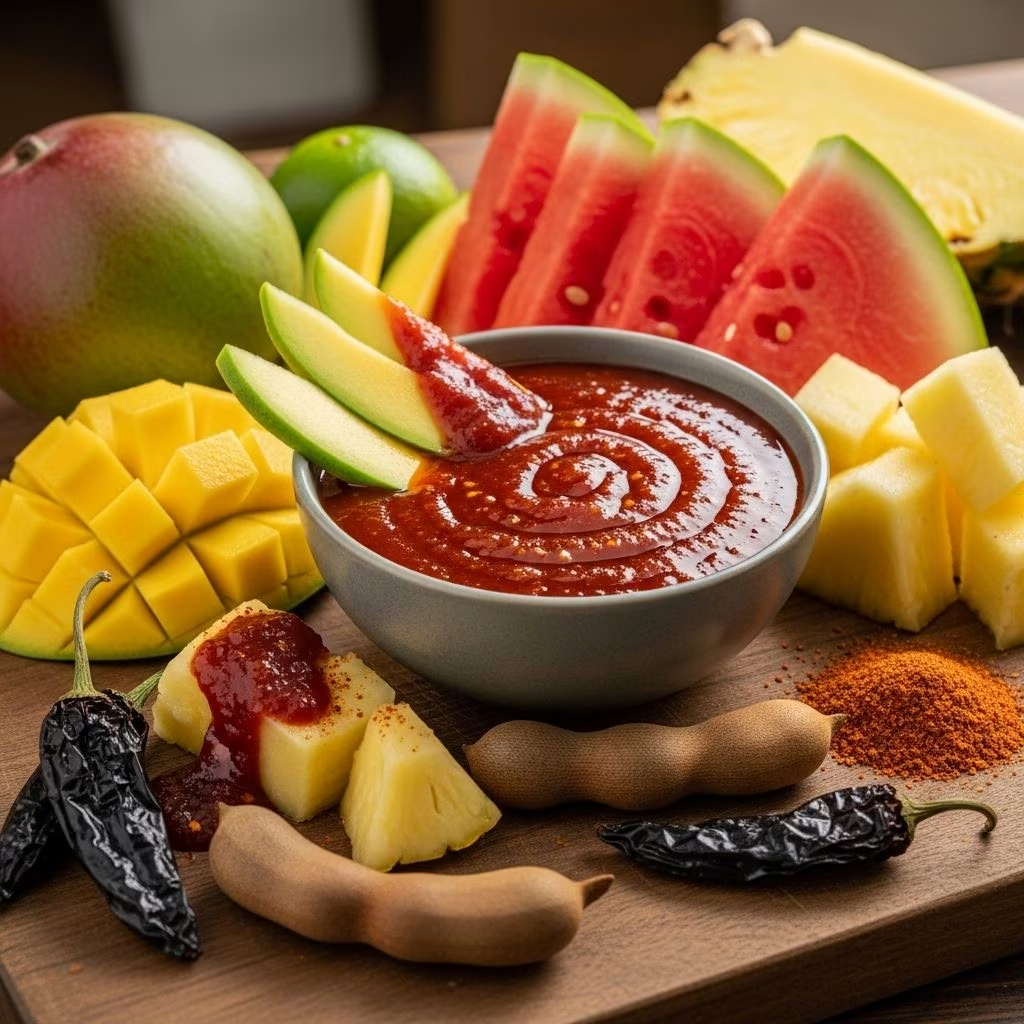
- Fresh Fruit: Drizzled over sliced mango, pineapple, watermelon, or cucumber for a vibrant snack. Sprinkle Tajin for enhanced zing.
- Paletas & Ice Cream: Swirled atop ice pops or ice cream for a spicy, tangy counterpoint to creamy sweetness.
- Lollipops & Candy: Used as a dip for hard candy or lollipops (especially the classic “paleta con chamoy”)
- Micheladas & Cocktails: Lined around beer, margarita, or fruit cocktail glasses for a flavor-packed rim
- Snacks: As a dip for potato chips, crisp vegetables, or even fried tortillas
- Street Snacks: On “esquites” (Mexican street corn salad) or drizzled on “dorilocos” (chips loaded with toppings)
Creativity is encouraged—anywhere you want a hit of sweet, sour, salty, and spicy, chamoy can shine.
Homemade vs. Store-Bought Chamoy
Commercial chamoy is easy to find at Latin grocery stores and convenience shops, often bottled with a long list of preservatives, stabilizers, and artificial colors. While convenient, these store-bought varieties can taste flat, overly sweet, or have a one-note artificial tang. In contrast, homemade chamoy is vibrant, multidimensional, and allows full control over the balance of flavors. Making your own takes less than an hour and rewards you with a condiment that far surpasses any bottled version.
Key Differences
- Homemade uses natural ingredients and can be customized (sugar, spice, tartness, salt), without artificial additives.
- Commercial bottles are shelf stable and often incorporate thickeners, food dyes, and strong citric acid.
- The color of homemade chamoy is typically lighter and more natural, ranging from rosy to deep amber, depending on fruits and hibiscus used.
Variations: Regional and Modern Twists on Chamoy
Chamoy has evolved into many forms throughout Mexico:
- Thick Paste: More concentrated and used as a dip for candy and fruits.
- Pourable Sauce: The classic, ketchup-like consistency for drizzling.
- Powdered Chamoy: Often mixed with sugar and chili powder for a snack seasoning (especially as a coating for treats).
- Color Variations: Some versions use more hibiscus or food coloring for a strikingly bright red sauce, while others highlight the natural golden hue of the fruit.
Frequently Asked Questions (FAQs)
Q: Is chamoy very spicy?
A: Chamoy’s heat level is adjustable. Traditional chamoy is gently spicy, but you can increase or decrease the number of chiles to suit your taste.
Q: What does chamoy taste like?
A: Chamoy is a vibrant mix of sweetness, tartness, salt, and chili heat, finished with floral and citrusy notes from hibiscus and lime.
Q: How long does homemade chamoy last?
A: Stored in a clean, airtight container in the fridge, homemade chamoy keeps fresh for up to two weeks. Always stir gently before serving.
Q: Can you make chamoy without hibiscus?
A: Yes. While hibiscus provides a signature tartness and color, you can substitute more lime juice or tamarind for extra tang—though the result will differ slightly in flavor and color.
Q: What should I do if my chamoy is too thick or thin?
A: If too thick, blend in additional warm water or lime juice by the tablespoon. If too thin, simmer gently to reduce, or add more blended dried fruit for body.
Final Tips for Perfect Chamoy
- Start with less sugar, salt, and chile than you think you need—you can always add more, but you can’t take away.
- Simmering time enables deep flavor; don’t rush, and allow everything to hydrate and release its magic.
- A good chamoy will taste balanced—tasting should spark both cravings and curiosity.
- Keep experimenting. Every batch can be tailored to your own ideal mix of sweet, sour, salty, and heat!
Homemade Chamoy Recipe
Yield: About 2.5 cups | Prep Time: 10 minutes | Cook Time: 30 minutes
- 1 cup dried apricots
- 1/2 cup dried prunes (or raisins)
- 1/2 cup dried hibiscus flowers
- 2–4 dried chiles de árbol or 1 large ancho chile
- 4 cups water
- 1/4 cup granulated sugar
- 2 tsp sea salt, plus more to taste
- 1/4 cup fresh lime juice
- 2 tbsp tamarind paste (optional)
- 1 tbsp Tajin or a pinch of cayenne (optional)
- Combine dried fruit, hibiscus, chiles, sugar, and salt with water in a saucepan. Bring to a gentle boil, reduce heat, and simmer 15–30 minutes.
- Let cool 10 minutes. Blend with lime juice and optional ingredients until smooth.
- Strain for silkiness. Adjust seasonings as needed.
- Cool, store, and enjoy on snacks, fruits, drinks, or as desired.
Nutrition & Storage
- Rich in antioxidants from hibiscus and dried fruit
- Store refrigerated for up to 2 weeks
- Vegan and gluten-free as written
References
- https://www.holajalapeno.com/chamoy-2/
- https://brokebankvegan.com/how-to-make-chamoy/
- https://www.chilipeppermadness.com/recipes/chamoy-sauce/
- https://muybuenoblog.com/homemade-mexican-chamoy-sauce/
- https://www.muydelish.com/chamoy/
- https://www.isabeleats.com/chamoy/
- https://andrewzimmern.com/recipes/chamoy-sauce/
- https://www.youtube.com/watch?v=behgI8GqlMw