Chinese Steamed Whole Fish: Tradition, Symbolism, and Culinary Mastery
For many Chinese families, the Lunar New Year feast is not only a culinary event but also a celebration of family unity, tradition, and prosperity. At the heart of this festive gathering stands one of the most auspicious dishes in Chinese cuisine: steamed whole fish. With its delicate flavors, symbolic significance, and beautiful presentation, a platter of whole fish is a must-have at the New Year table.
Cultural Significance of Steamed Whole Fish
Steamed whole fish, or qingzheng yu (清蒸鱼), occupies a central role in Chinese New Year celebrations for several reasons:
- Symbol of abundance: The Chinese word for fish, yú (鱼), shares a pronunciation with “abundance” or “surplus” (余), signifying a wish for prosperity in the coming year.
- Completeness and unity: Serving the fish whole — head, tail, and body intact — symbolizes wholeness, unity, and a good beginning and end to the year.
- Traditional customs: Different regions in China have unique customs around who gets to eat the fish’s head, tail, and meat, often dictating it based on seniority or as gestures of respect among family and guests.
Tip: In many families, a portion of the fish is intentionally left uneaten, expressing the wish for “surplus year after year” (nián nián yǒu yú, 年年有余).
Choosing the Right Fish
The choice of fish influences both flavor and authenticity:
- Freshness is paramount: Visit a trusted fishmonger and look for fish with clear eyes, red gills, and a clean, oceanic aroma — these are signs of freshness.
- Popular choices: Sea bass, tilapia, snapper, black bass, and flounder are commonly used. The ideal weight is typically between 1.5 to 2 lbs, which ensures a balance between tenderness and sufficient portion size.
- Scaling and cleaning: Ask your fishmonger to scale, gut, and clean the fish, or do it at home to ensure no residual blood or innards, which can introduce unpleasant flavors during steaming.
Essential Ingredients for Authentic Flavor
Classic Chinese steamed fish calls for a handful of ingredients that enhance the freshness of the fish rather than masking it:
- Ginger: Sliced or julienned to neutralize any fishiness and impart a subtle warmth.
- Scallions: Both the white and green parts are used, lending aromatic sweetness and bright color.
- Soy Sauce: Traditionally light soy, sometimes specially labeled as “steamed fish soy sauce,” which balances salinity and sweetness.
- Oil: Typically neutral-flavored vegetable oil for finishing; sometimes sesame oil is added for extra fragrance.
- Optional aromatics: Cilantro, fresh chilies, Shaoxing wine, and fermented black beans (douchi) are sometimes used for complexity.
The Core Techniques: Achieving Silky, Tender Fish
Preparation Steps
- Score the Fish: Make several shallow diagonal cuts along each side of the fish (into the thickest part), which helps ensure even cooking and better absorption of flavor.
- Aromatics in the Cavity: Stuffing the fish’s belly with slices of ginger and pieces of scallion neutralizes odors and enhances fragrance.
- Resting at Room Temperature: Letting the fish sit for 10–20 minutes after seasoning allows the flavors to penetrate and ensures more even steaming.
- Bring the Steamer to a Full Boil: Ensure your steamer is preheated and billowing with steam before inserting the dish to maintain optimal cooking temperature and prevent sogginess.
Steaming the Fish
- Equipment: A large wok with lid and steaming rack, bamboo steamer, or an electric steamer works well. The plate should fit comfortably within the steamer, allowing steam to circulate freely.
| Fish Weight | Estimated Steaming Time |
|---|---|
| 1 – 1.5 lbs (450–680g) | 8 – 10 minutes |
| 1.5 – 2 lbs (680–900g) | 12 – 14 minutes |
| 2 – 3 lbs (900–1350g) | 16 – 18 minutes |
Cooking times may vary based on the thickness of the fish at its largest point.
- Check for Doneness: The flesh should flake easily with chopsticks or a fork, just opaque in the center. Avoid overcooking, which can lead to dry meat.
Aromatics and Finishing Touches
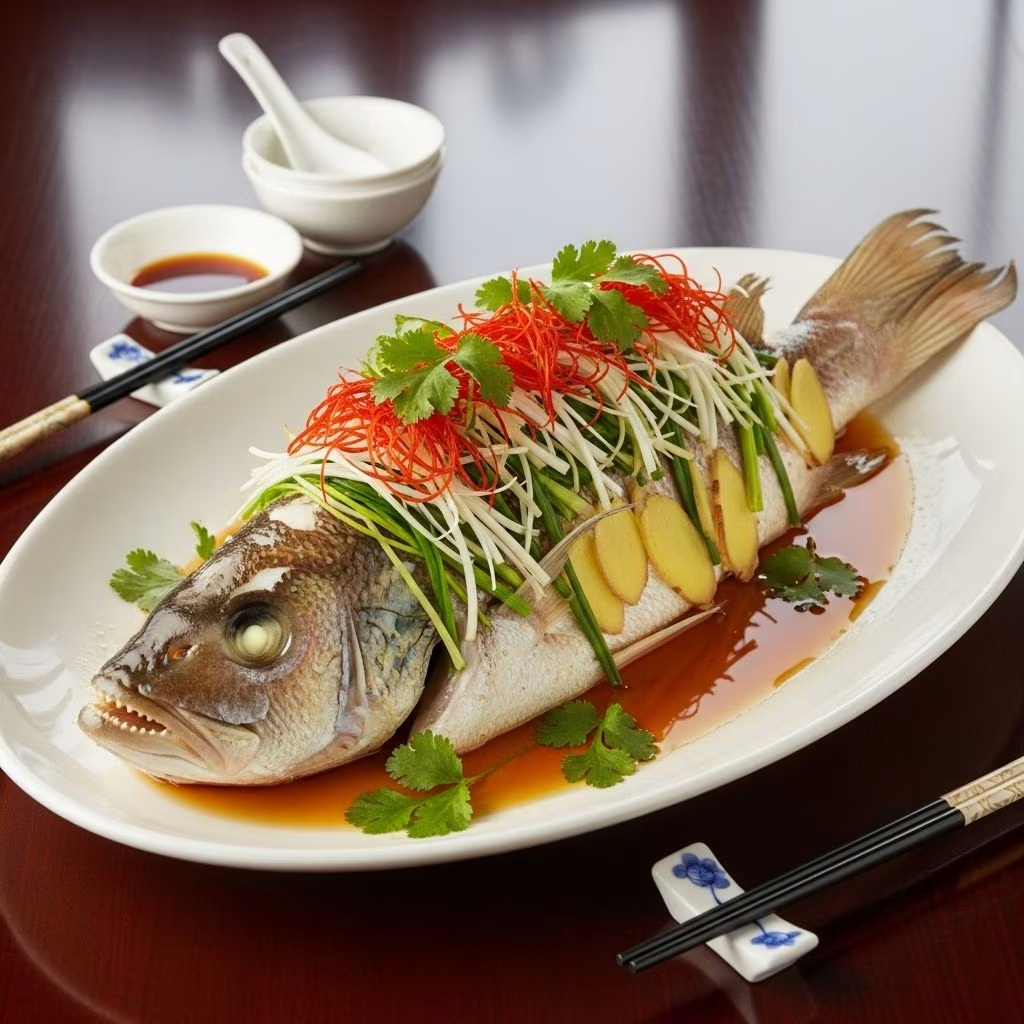
The final flourish for steamed whole fish is the dramatic sizzling of hot oil poured over scallions and ginger. This technique releases essential oils and heightens the aroma, bringing together the delicate flavors of the dish.
- Remove the fish from the steamer, gently pour off excess liquid, and arrange fresh aromatics (scallion slivers and julienned ginger) on top.
- Heat a few tablespoons of vegetable oil until shimmering (but not smoking), then pour it directly over the aromatics to wilt and soften them.
- Immediately drizzle with soy sauce (or special steamed fish soy), completing the seasoning and glossy finish.
Serving the Steamed Whole Fish
Plating and serving the fish whole reinforces the spirit of abundance and good fortune. At the table:
- Orient the fish: Point the head towards the guest of honor or family elder as a token of respect.
- Let everyone share: Guests and family typically serve themselves from the communal dish, savoring both the tender meat and the savory juices pooling beneath.
- Pairings: Serve with steamed jasmine rice and accompanying Lunar New Year dishes for a complete feast.
Step-By-Step Recipe: Classic Chinese Steamed Whole Fish
Ingredients
- 1 whole white-fleshed fish (1½–2 lbs), such as sea bass or snapper
- 4–5 thin slices ginger, plus more finely julienned for garnish
- 3 scallions, cut into 2-inch pieces (white and green separated)
- 2 tablespoons light soy sauce or steamed fish soy sauce
- 1–2 tablespoons vegetable oil
- Optional: pinch of sugar, splash of Shaoxing wine, cilantro leaves
- Salt and white pepper, to taste
Instructions
- Rinse and pat the fish dry with paper towels. Score both sides diagonally 2–3 times into the thickest part.
- Season inside and out with a pinch each of salt and white pepper. Fill the cavity with a few slices of ginger and green onion.
- Lay the fish on a heatproof plate that fits inside your steamer. Scatter remaining ginger and white parts of scallion on top.
- Bring steamer to a full boil. Place fish in steamer, cover, and steam until flesh flakes easily (8–14 minutes depending on size).
- Carefully remove fish and pour off any accumulated liquid on the plate.
- Top fish with fresh scallion greens and julienned ginger.
- Pour hot oil over aromatics to wilt and release fragrance.
- Drizzle with soy sauce (and Shaoxing wine or pinch of sugar if using). Serve immediately.
Expert Tips and Troubleshooting
- Don’t oversteam: The most common pitfall is overcooking. Err on the side of slightly underdone, letting residual heat finish cooking as it rests.
- Remove excess water: Steamed fish often releases liquid. Pouring it off helps prevent dilution of the final sauce.
- Adapt aromatics: If you prefer less ginger or more spice, adjust to taste. Some cooks include fresh red chile or black beans for complexity.
Regional Variations and Modern Twists
- Cantonese style: Focuses on delicacy, using minimal soy sauce, scallion, and ginger to highlight the fish’s freshness.
- Shanghai style: May incorporate Shaoxing wine and a touch of sugar for a more robust, sweet-savory finish.
- Home-cook adaptations: Line the plate with cabbage or tofu to absorb juices or add crisp-fried shallots for texture.
Frequently Asked Questions (FAQs)
Q: Can I make steamed whole fish without a traditional steamer?
A: Yes, use a large wok or deep skillet with a steaming rack or overturned heat-safe plate inside. Make sure the plate with fish is elevated above the boiling water and the lid fits tightly.
Q: What can I substitute for steamed fish soy sauce?
A: Use light soy sauce mixed with a pinch of sugar, or blend in a little oyster sauce for a similar effect.
Q: Is it important to use whole fish, or can I use fillets?
A: Whole fish is traditional for symbolism and presentation, but fillets work for convenience. Reduce steaming time and try to choose skin-on fillets for more moisture.
Q: What are classic side dishes to serve with steamed fish?
A: Popular accompaniments include stir-fried greens, braised Chinese mushrooms, and lotus root, as well as steamed white rice.
Q: Why is some of the fish left uneaten?
A: Leaving a portion symbolizes an ongoing surplus—wishing for more than enough wealth, food, and good luck in the coming year.
Conclusion: Steamed Whole Fish as a Celebration of Culture and Taste
Steamed whole fish endures as a beloved centerpiece for Lunar New Year, embodying both culinary finesse and the heartfelt wishes of Chinese tradition. Mastering this dish invites not only superb flavor, but also the joy of sharing rich symbolism with those gathered around your festive table. Whether prepared for a holiday or a simple family dinner, this recipe lets the freshness of the sea and the warmth of home-cooked tradition shine through.