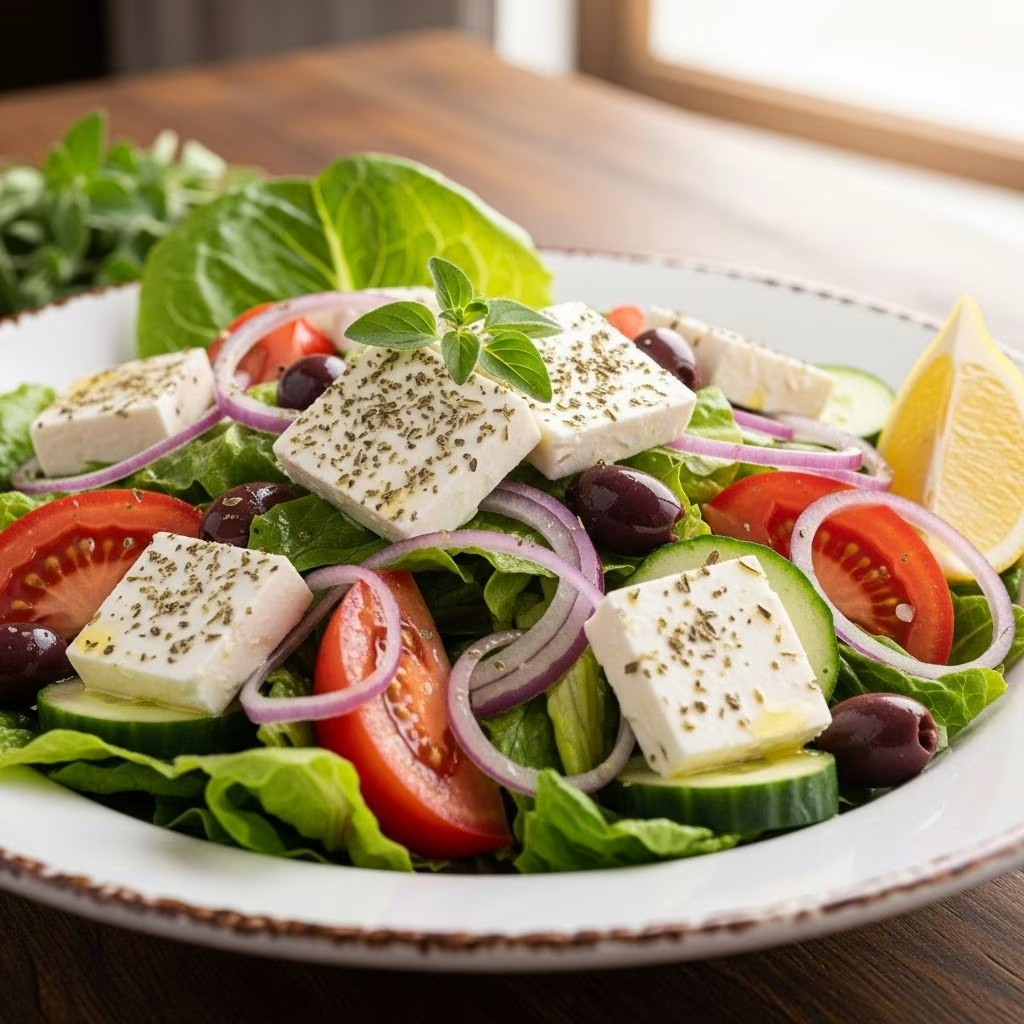
The Classic Greek Salad: A Fresh and Simple Mediterranean Favorite
If there’s one dish that truly captures the vibrant spirit of Mediterranean cuisine, it’s the classic Greek salad. With its crisp cucumbers, juicy tomatoes, briny olives, tangy feta, and aromatic herbs, the Greek salad boasts incredible flavor in every bite. This article reveals all you need to know: from authentic ingredients and assembly tips to creative variations and expert advice. Whether you’re looking for your next go-to summer side or a satisfying light meal, Greek salad delivers on every front.
Why You’ll Love Greek Salad
- Seasonal Simplicity: Makes the most of summer’s peak tomatoes and cucumbers, no leafy greens required.
- Burst of Flavor: The classic combination of vegetables, olives, and feta provides a harmonious balance of taste and texture.
- Easy Preparation: With only seven core ingredients, it can be assembled in minutes and doesn’t wilt, making it ideal for make-ahead meals.
- Versatile Serving: Perfect as a standalone lunch, dinner side, picnic option, or party dish.
Essential Greek Salad Ingredients
Authenticity matters in Greek salad, and the magic lies in selecting fresh, high-quality produce and a handful of classic staples. The combination below reflects the traditional approach for both flavor and presentation:
| Ingredient | Description & Preparation |
|---|---|
| Cucumber | Use an English cucumber for fewer seeds; slice lengthwise, seed, and cut into thin half-moons for a clean, crisp bite. |
| Tomatoes | Choose sweet, ripe cherry tomatoes: halve to reduce excess water and add color plus juicy flavor. |
| Bell Pepper | Go for a green bell pepper, chopped into 1-inch pieces for that distinctive crunch and slightly bitter accent. |
| Red Onion | Thinly sliced red onion brings bite and beautiful contrast; soaking slices in cold water can mellow sharpness. |
| Kalamata Olives | Pitted, whole Kalamata olives add a briny, salty note synonymous with Greek cuisine. |
| Feta Cheese | Block feta, cut into 1/2-inch cubes, yields creamy, tangy bites. Crumbling is less traditional. |
| Fresh Mint Leaves | A handful of mint offers aromatic freshness as a finishing touch (optional but highly recommended). |
Simple & Authentic Greek Salad Dressing
The Greek salad’s appeal lies in how the vegetables shine, gently coated in a homemade vinaigrette that adds tang and aroma without overpowering. Here’s what you need:
- Extra-Virgin Olive Oil: Rich, peppery, and foundational for Mediterranean dressings.
- Red Wine Vinegar: Offers classic acidity without harshness.
- Dijon Mustard: Adds subtle depth and emulsifies the dressing.
- Garlic: Just one clove, freshly minced, enhances the aroma.
- Dried Oregano: Both in the dressing and as a final garnish, for unmistakable Greek flavor.
- Sea Salt & Black Pepper: To taste, bringing everything into balance.
How to Make Greek Salad Dressing
To make the dressing, whisk together the olive oil, red wine vinegar, Dijon mustard, minced garlic, dried oregano, salt, and several grinds of black pepper until emulsified. The simplicity allows the olive oil and bright acidity to complement, not overshadow, the fresh vegetables.
Step-by-Step Instructions: How to Make Greek Salad
- Prepare the Ingredients:
- Slice the cucumber lengthwise, remove seeds, and slice thinly.
- Chop the green bell pepper into even, one-inch pieces.
- Halve the cherry tomatoes.
- Cut feta cheese into half-inch cubes.
- Thinly slice the red onion.
- Keep Kalamata olives whole for juicy, bold flavor.
- Whisk the Dressing: In a small bowl, thoroughly whisk all dressing ingredients: olive oil, vinegar, garlic, mustard, oregano, salt, and black pepper.
- Assemble the Salad: On a large serving platter or bowl, arrange all vegetables, olives, and feta in an eye-catching mixture.
- Dress & Toss: Drizzle with the prepared dressing; gently toss so the vegetables are evenly coated but remain intact.
- Finish: Sprinkle the salad with extra dried oregano and freshly ground black pepper, then top with fresh mint leaves.
- Serve: Taste and adjust seasonings as needed. Serve immediately, or refrigerate and top with mint just before serving.
Tips for the Best Greek Salad Every Time
- Uniform Cutting: Cut vegetables and feta to similar sizes for balanced bites.
- Use the Best Produce: Fresh, ripe vegetables make a noticeable difference.
- Seed cucumbers and halve cherry tomatoes to keep the salad from becoming watery.
- Toss Gently: To preserve the salad’s texture and presentation.
- Add Mint Last: If preparing ahead, add mint leaves just before serving for maximum freshness.
Serving Suggestions & Creative Variations
This Greek salad’s crisp texture and bright flavors make it endlessly adaptable. Here’s how you can enjoy and reinvent it:
- Classic Side Dish: Serve with flatbreads, grilled fish, or roasted meats.
- With Pasta: Pair alongside pesto pizza, veggie lasagna, or roasted vegetable pastas for a Mediterranean-inspired meal.
- Colorful Variations:
- Try a mix of red, green, and yellow bell peppers for extra color and flavor.
- Add fresh herbs like chopped oregano or parsley for herbal complexity.
- Stir in cooked chickpeas or roasted chickpeas for more protein and substance.
- Vegan Option: Omit feta cheese and substitute with 3/4 cup cooked chickpeas plus 1 tablespoon capers for briny contrast.
Make-Ahead & Storage Tips
- Greek salad can be prepared in advance and holds up well without greens—ideal for gatherings or picnics.
- Refrigerate in an airtight container; add fresh mint just before serving if making ahead.
- The salad is best enjoyed within a day for maximum texture and freshness.
Complete Ingredient List & Recipe Table
| Salad Ingredients | Amount |
|---|---|
| English cucumber, seeded & sliced | 1 whole |
| Green bell pepper, chopped | 1 |
| Cherry tomatoes, halved | 2 cups |
| Feta cheese, cubed | 5 ounces |
| Red onion, thinly sliced | 1/3 cup |
| Kalamata olives, pitted | 1/3 cup |
| Fresh mint leaves | 1/3 cup |
| Dressing Ingredients | Amount |
|---|---|
| Extra-virgin olive oil | 1/4 cup |
| Red wine vinegar | 3 tablespoons |
| Garlic, minced | 1 clove |
| Dried oregano | 1/2 teaspoon + more to taste |
| Dijon mustard | 1/4 teaspoon |
| Sea salt | 1/4 teaspoon |
| Freshly ground black pepper | To taste |
Pro Tips & Frequently Asked Questions
Q: Can I substitute other types of olives for Kalamata?
A: Yes, while Kalamata olives are traditional, you can use other briny Mediterranean olives—just ensure they’re pitted and whole or halved for best flavor and texture.
Q: How do I make Greek salad vegan?
A: Omit the feta cheese and add 3/4 cup cooked or roasted chickpeas and 1 tablespoon capers for protein and briny flavor.
Q: Can I prepare Greek salad ahead of time?
A: Yes! Assemble all ingredients except mint, refrigerate, and toss with fresh mint just before serving to keep flavors vibrant.
Q: What are the best ways to serve Greek salad?
A: Serve as a side with pizza, pasta, grilled fish, or roasted vegetables, or bulk it out with beans or grains for a main dish.
Q: Why is my Greek salad watery?
A: Use cherry tomatoes (less watery than large tomatoes), seed the cucumber, and toss just before serving to maintain crispness.
If You Loved This Greek Salad…
Try more fresh and inventive salads inspired by Mediterranean flavors:
- Orzo Salad: Featuring feta, olives, and herbs for a heartier option.
- Easy Pasta Salad: Loaded with seasonal veggies in a tangy vinaigrette.
- Broccoli or Potato Salad: For a twist on picnic classics.
- Watermelon Salad: Sweet and salty meets summer refreshment.
- Explore further with 51 Best Salad Recipes!
Final Thoughts: Celebrate Seasonality in Every Bite
The Greek salad stands as a celebration of summer’s bounty—fresh, wholesome, and effortlessly appealing. With its harmonious blend of crunchy vegetables, creamy feta, and fragrant herbs, dressed in a zesty vinaigrette, it appeals to novice cooks and seasoned chefs alike. Add it to your regular rotation and bring the taste of the Mediterranean to your table any day of the week.