Few Irish dishes are as beloved or as versatile as colcannon. Whether served as the centerpiece of a St. Patrick’s Day feast or as a robust side for any comfort meal, colcannon—the creamy mash of potatoes and tender greens—embodies the soul of Irish home cooking. In this guide, you’ll learn the history, variations, and expert techniques to ensure your colcannon is every bit as rich and satisfying as tradition demands.
What Is Colcannon?
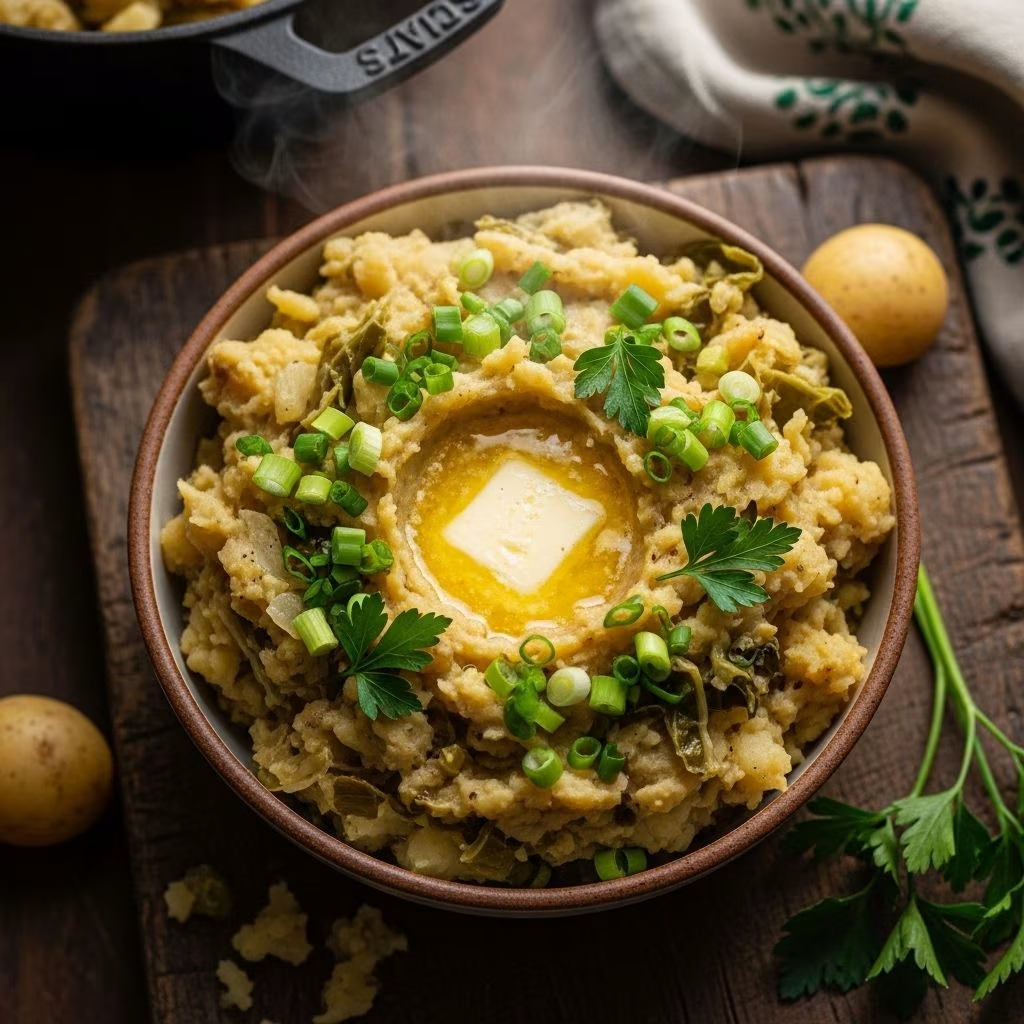
Colcannon is a classic Irish dish featuring mashed potatoes mixed with cooked greens, most commonly cabbage or kale, and enriched with green onions, butter, and sometimes cream. Its name is derived from the Gaelic term cal ceannann, meaning “white-headed cabbage.” The dish is celebrated not only for its comforting texture and taste but also for its deep roots in Ireland’s agricultural traditions and folklore.
History and Tradition
Originating in rural Ireland, colcannon symbolizes both the simplicity and the sustenance of farm life. Potatoes, cabbage, and other leafy greens were staples, making colcannon a perfect blend of local produce. Traditionally, it was served during Halloween (Samhain) festivities, sometimes used as a fortune-telling food—small items (like a ring, coin, or thimble) were hidden in the pot, and finding one signified specific fates: marriage, wealth, or spinsterhood.
Ingredient Breakdown
- Potatoes: The heart of colcannon. Irish varieties like Rooster or British Maris Piper are classic, but Yukon Gold and Russets yield excellent, creamy results.
- Cabbage: Traditionally Savoy cabbage, though green cabbage or even kale can be used. Each provides a unique flavor and texture.
- Greens: Green onions (scallions) impart a gentle sharpness and fresh color. Leeks are sometimes included for extra depth.
- Dairy: Whole butter, whole milk, and (optionally) cream create a lavishly creamy base for the mash.
- Salt and Pepper: Essential for balancing flavors. White pepper is traditional, but black works as well.
- Bacon (optional): Adds smoky, meaty undertones—commonly served in some modern variations.
Techniques and Tips for the Best Colcannon
Making colcannon isn’t difficult, but attention to a few key details will take your mash from good to extraordinary:
- Choosing the Right Potatoes: Waxy-fleshed potatoes (like Yukon Gold) offer a naturally rich texture, while floury types (like Russets) yield a lighter, fluffier mash. A mix provides the best of both worlds.
- Preparation of Potatoes: Boil potatoes in salted water until just tender. Thinly slicing helps even cooking. For the creamiest mash, pass the potatoes through a food mill or ricer—this avoids gumminess and ensures silky smoothness.
- Preparing the Cabbage: Sauté thinly sliced cabbage gently in butter or rendered bacon fat until meltingly soft but still vibrantly green. Avoid overcooking, which can dull both flavor and color.
- Infusing Green Onions: Warm green onions in the milk-butter mixture just prior to adding to the potatoes; this technique extracts their sweet flavor and prevents harsh rawness.
- Layering Flavor: For added depth, cook leeks in the fat before adding cabbage. If using bacon, reserve some crisp pieces for garnishing on top of the finished mash.
- Balancing Consistency: Add warm dairy gradually to achieve your preferred mash—lush and loose, or firm enough to mound beautifully.
Step-by-Step: How to Make Classic Irish Colcannon
- Warm the Dairy: Combine butter, milk, and cream in a small saucepan. Heat gently until the butter melts and the mixture is warm (not boiling). Keep this mixture warm throughout the preparation.
- Crisp the Bacon (Optional): In a heavy pan or large skillet, cook thickly sliced bacon over medium heat until golden and crisp. Remove and reserve, leaving fat in the pan.
- Sauté the Aromatics: Add thinly sliced leeks to the pan (with or without bacon fat). Cook 3–4 minutes, stirring, until translucent and softened.
- Cook the Cabbage: Add thinly sliced cabbage to the leeks in the pan, season lightly with salt, and cook over medium-low heat until the cabbage is very tender—6 to 7 minutes. Set aside and keep warm.
- Boil the Potatoes: Place sliced potatoes in a large pot, cover with cold, salted water, and bring to a boil. Reduce heat and simmer until potatoes are fork-tender—usually 5 to 7 minutes depending on thickness. Drain well.
- Infuse the Green Onions: Stir chopped green onions into the warm dairy mixture to soften slightly and infuse their flavor.
- Mash the Potatoes: Pass the drained potatoes through a food mill or ricer into a large bowl for a velvety mash.
- Combine and Season: Fold the warm dairy–green onion mixture into the potatoes until fully incorporated. Then gently mix in the cooked cabbage (and reserved bacon if using). Taste and season with salt and white pepper to your preference.
- Serve: Heap the colcannon into a serving dish. Make a well on top and fill with a pat of butter—or scatter crisp bacon bits for extra decadence. Serve immediately while hot.
Serving and Pairing Suggestions
- As a Side: Colcannon pairs beautifully with roasted meats (such as lamb, pork, or chicken), stews, or grilled sausages.
- As a Main Course: For a vegetarian dinner, pile colcannon in a bowl with a poached egg, some sautéed wild mushrooms, or even a handful of fresh greens.
- With Gravy: It’s the perfect base for spooning rich pan gravy, making every bite extra comforting.
- In Shepherd’s Pie: Leftover colcannon is excellent atop shepherd’s/cottage pie, replacing plain mash for extra flavor.
Classic Colcannon Recipe
| Ingredient | Amount | Notes |
|---|---|---|
| Unsalted Butter | 8 oz (225g) | Plus extra for finishing |
| Whole Milk | 1/3 cup (75ml) | – |
| Heavy Cream | 1/3 cup (75ml) | Optional for added richness |
| Bacon | 8 oz (225g) | Thick-cut; optional |
| Leek | 1 small, thinly sliced | White and light green parts |
| Savoy or Green Cabbage | 1 head, thinly sliced | Kale may substitute |
| Russet Potatoes | 2 lbs (900g) | Peeled and sliced |
| Yukon Gold Potatoes | 2 lbs (900g) | Peeled and sliced |
| Green Onions (Scallions) | 1 bunch, thinly sliced | – |
| Salt | To taste | Preferably kosher |
| White Pepper | To taste | Black pepper if preferred |
Recipe Variations
- Vegan Colcannon: Replace dairy butter and cream with plant-based alternatives. Use olive oil for sautéing; enrich with oat milk or cashew cream.
- Herbs: Fresh parsley, chives, or dill can be folded in for brightness and color.
- Kale Colcannon: Substitute kale for cabbage, sautéing tender leaves until they’re deep green and silky.
- Spring Onion-Only: For a lighter spring version, omit cabbage and double the amount of green onions.
- Root Vegetable Mash: Add turnips, parsnips, or carrots alongside potatoes for a heartier (and slightly sweet) twist.
Storage and Reheating Tips
- Storage: Colcannon keeps well in the fridge for up to three days in an airtight container.
- Reheating: Warm gently in a saucepan over low heat, stirring in a bit of extra milk or butter to restore its creamy texture. Avoid microwaving if possible, as this can make the mash dense.
- Freezing: You can freeze colcannon, though the texture may change. Beat in a little more cream after thawing to refresh it.
Frequently Asked Questions (FAQs)
Is colcannon only Irish, or are there similar dishes elsewhere?
While colcannon is emblematic of Irish cuisine, similar mixes of mashed potatoes and greens appear in the UK (“bubble and squeak”) and Scotland (“rumbledethumps”). Each carries unique regional flavors and traditions.
Can I make colcannon ahead of time?
Yes. Prepare and store in the refrigerator, then reheat slowly on the stovetop with a splash of milk or cream, stirring often for best texture.
What is the best potato for colcannon?
A combination of waxy (Yukon Gold) and starchy (Russet) potatoes achieves the creamiest, fluffiest mash. Use what’s available locally for best results.
Is colcannon gluten free?
Yes, colcannon contains no gluten-containing ingredients if prepared as described. Always check packaged bacon or other additions to ensure gluten hasn’t been added.
Can I add cheese?
While not traditional, a handful of grated Irish cheddar or another melting cheese can be stirred into the hot mash for a decadent twist.
Expert Tips from the Irish Kitchen
- Don’t over-mix! Overworking potatoes can lead to a gluey texture. Gentle folding is key.
- Serve with plenty of melted butter: Colcannon is at its best when enriched with a generous pat of butter just before serving—let it pool in a well on top.
- Add-ins like bacon, leeks, or herbs are delicious but optional; the purist’s version is just potatoes, greens, butter, and onions.
- Leftovers: Fry scoops of cold colcannon in a hot pan for crisp potato cakes—an excellent breakfast or snack.
Folklore and the Role of Colcannon in Irish Celebrations
Colcannon holds a storied place in Irish folklore, most notably during the harvest festivals and especially Halloween. Beyond its reputation as comfort food, colcannon is woven into rituals of fortune telling and celebration. According to custom, finding a hidden token (such as a ring or coin) in your serving was a sign of good luck or a future marriage. Today, colcannon is most closely associated with St. Patrick’s Day—though for many Irish homes, it’s a beloved comfort all year round.
Nutritional Information
Colcannon offers vitamins from potatoes (notably vitamin C and potassium) and additional nutrients from cabbage or kale (fiber, vitamin K, folate). It is naturally gluten free and can be adapted for vegetarian or vegan diets. Moderate portions provide satisfying energy and promote a well-rounded meal, especially when balanced with lean proteins and seasonal vegetables.
Colcannon: Comfort on a Plate
Whether you’re celebrating an Irish holiday or simply seeking a hearty side for a weeknight dinner, colcannon stands out as a dish of tradition, simplicity, and homespun flavor. Its adaptability, nostalgia, and unbeatable taste have earned it an enduring place at the Irish table—and now, perhaps, at yours.