Classic Ratatouille Recipe
Ratatouille stands as a timeless emblem of French provençal cuisine, combining the season’s freshest vegetables into a robust, comforting stew. This dish not only celebrates late summer’s bounty but honors the practicality and creativity of home cooks seeking depth of flavor with simple ingredients. Whether enjoyed warm, at room temperature, or chilled, ratatouille never fails to inspire with its vibrant colors, aromatic herbs, and versatile applications.
What is Ratatouille?
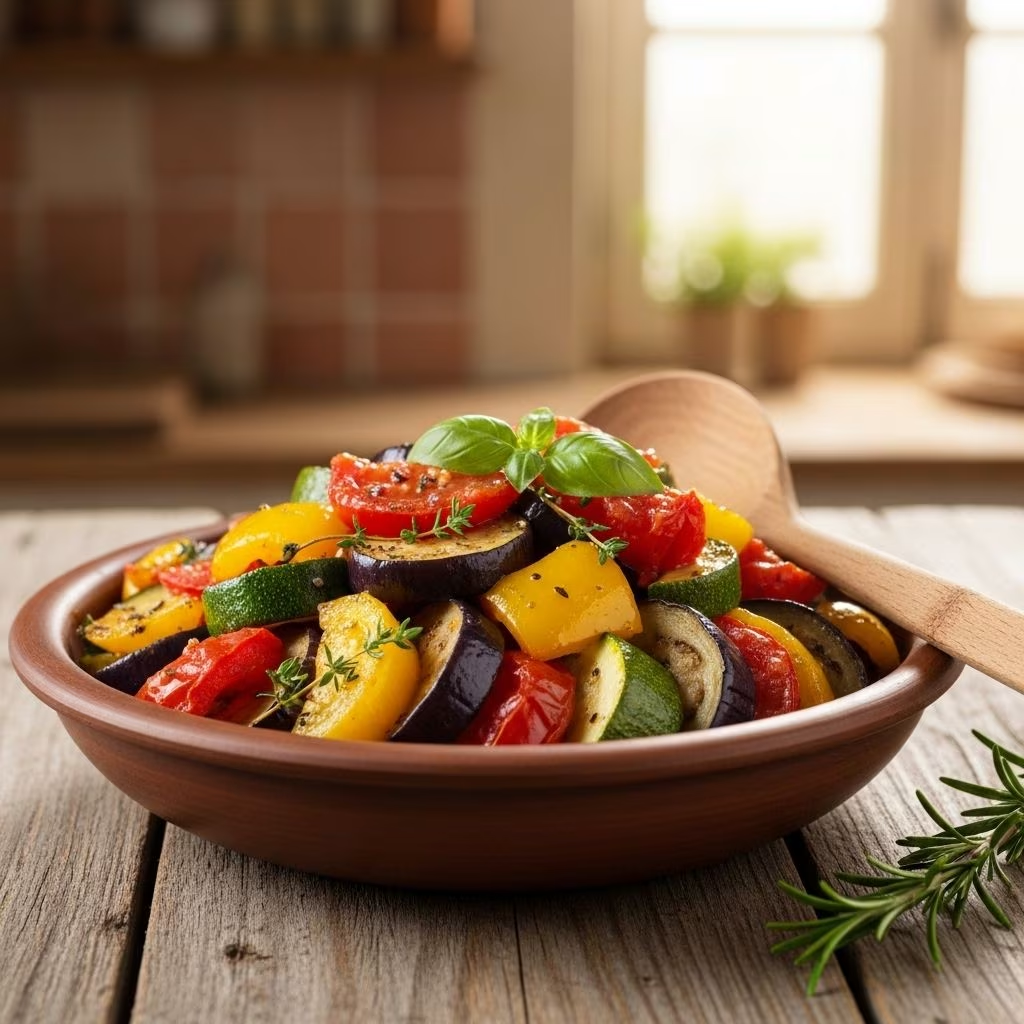
Ratatouille is a traditional vegetable stew from Southern France—specifically Provence and Nice—in which eggplant, zucchini, sweet peppers, onions, and ripe tomatoes are simmered with olive oil, garlic, and herbs. While the animated movie Ratatouille popularized a visually layered dish, authentic ratatouille is a humble stovetop stew marked by hearty texture and bold, layered flavors, not intricate slices.
Ratatouille Ingredients
Each ingredient plays a unique role in developing the stew’s flavor and texture. Here’s what you’ll need:
- Eggplant: Italian globe or any variety, for rich, hearty texture.
- Zucchini: Green or yellow squash, adding mild sweetness and color.
- Bell pepper: Choose yellow, orange, or red for sweetness; green can taste bitter.
- Onion: Provides a savory base, caramelizing as it cooks.
- Tomatoes: Fresh, ripe tomatoes break down into a sauce that brings the dish together.
- Garlic: Essential for robust flavor.
- Extra-virgin olive oil: Used for sautéing each component, adding richness and depth.
- White wine vinegar: Delivers brightness and tang.
- Pinch of sugar: Tames acidity, balancing the flavors.
- Red pepper flakes: For a hint of heat, optional.
- Fresh herbs: Basil and thyme, for aromatic finish.
- Salt and pepper: Essential for seasoning.
For the best texture, chop all vegetables into even 1/2-inch to 1-inch pieces—this ensures they cook uniformly and meld together harmoniously in the final stew.
How to Make Ratatouille
The method presented here emphasizes caramelization through stepwise sautéing and layering flavors as each vegetable is prepared. This classic technique yields more balanced flavors than simply simmering all ingredients together.
- Prep the eggplant: Cut into 1/2-inch pieces and set in a colander. Sprinkle generously with salt and allow to drain for 20 minutes, drawing out bitterness and excess moisture. Pat dry.
- Sauté the eggplant: Heat olive oil in a large skillet over medium heat. Cook the eggplant, stirring occasionally, for 10–15 minutes until tender and golden. Transfer to a bowl.
- Cook zucchini: Add more olive oil, sauté zucchini pieces for 3–5 minutes until just tender but not mushy. Season with salt, transfer to the bowl.
- Sauté onion & pepper: Add more oil if needed. Sauté chopped onion and bell pepper for 5 minutes, then add garlic and salt. Continue cooking for 10 minutes, until everything is soft and aromatic.
- Add tomatoes & finish base: Stir in olive oil, tomatoes, red pepper flakes, and sugar. Let cook for 8–10 minutes until tomatoes break down into a chunky sauce.
- Combine vegetables: Return eggplant and zucchini to skillet. Add vinegar, thyme, freshly ground pepper, and another pinch salt. Stir, simmer 10–15 minutes until ratatouille is thick and well blended.
- Finishing touches: Stir in fresh basil, taste, and adjust seasoning. Garnish with more basil before serving.
Step-by-step Table: Classic Ratatouille Cooking Process
| Step | Vegetable | Cooking Action | Approximate Time |
|---|---|---|---|
| 1 | Eggplant | Salt, Drain, Sauté | 20 min (drain) + 10–15 min |
| 2 | Zucchini | Sauté | 3–5 min |
| 3 | Onion & Pepper | Sauté, Add Garlic | 5 min + 10 min |
| 4 | Tomatoes | Add & Break Down | 8–10 min |
| 5 | All Vegetables | Simmer Together | 10–15 min |
Why Not Layered Ratatouille?
If you’ve seen Disney’s Ratatouille, you may expect a beautifully layered dish made of thinly sliced vegetables. In fact, that dish is called a tian, not classic ratatouille. Traditional ratatouille features rustic, chunky vegetables stewed together, offering a richer, more deeply integrated flavor that doesn’t require precision slicing.
Ratatouille Variations and Ingredient Swaps
One of ratatouille’s enduring strengths is its adaptability. Here are some common swaps and additions:
- Yellow Squash: Substitute for zucchini, or use both for more color.
- Different Peppers: Any sweet pepper works; avoid green if possible.
- Canned Chickpeas: For a heartier, protein-rich version, try Roasted Chickpea Ratatouille (see below).
- Herbs: Oregano, herbs de Provence, parsley, or rosemary can complement thyme and basil.
- Vinegar: Red wine vinegar can replace white wine vinegar for more punch.
Feel free to play with the vegetables you have on hand, keeping in mind that balanced sweetness and good caramelization are key.
Serving Suggestions
Ratatouille is exceptionally versatile. Here are some popular ways to enjoy it:
- As a main course over cooked grains (millet, quinoa, rice) or polenta.
- Served with crusty bread for dipping.
- As a side dish alongside grilled fish, chicken, or tofu.
- Chilled or at room temperature as part of a picnic spread.
- On pizza or bruschetta for rustic flavor.
- Folded into omelets or as a filling for savory crepes.
The stew’s flavor deepens as it sits, so leftovers taste even better the next day—perfect for meal prep or gatherings.
Roasted Chickpea Ratatouille Variation
If you enjoy one-pan meals or want additional plant-based protein, try this oven-roasted variation:
- Arrange eggplant, tomatoes, squash, onions, and drained chickpeas on a crowded baking sheet.
- Toss with olive oil, salt, pepper, and oregano (or herbs de Provence).
- Roast at 425°F for 25–30 minutes until golden.
- Add vinegar, minced garlic, and red pepper flakes; toss, then roast 5–10 minutes more (or broil for quick charring).
- Finish with fresh basil and serve with crusty bread or millet.
This variation yields juicy, caramelized vegetables with a satisfying bite from the chickpeas—a great alternative for quick weeknight dinners.
Tips for Success
- Salting eggplant draws out bitterness and moisture, ensuring tender cubes that soak up flavors.
- Sauté in stages so each vegetable retains its texture rather than melting into mush.
- Use plenty of olive oil: Don’t skimp when sautéing; richly coated vegetables caramelize better and yield more flavor.
- Chop evenly: Evenly sized pieces cook at the same rate and blend harmoniously in the finished stew.
- Fresh herbs at the end: For brightness and aroma, stir in basil and thyme just before serving.
Storing and Reheating
- Refrigerator: Store cooled ratatouille in an airtight container for up to 5 days.
- Freezer: Freeze batches for up to 3 months, though texture may soften upon thawing.
- Reheat gently: Warm on the stovetop over medium-low, adding a splash of water if needed to loosen.
Ratatouille’s flavor improves as it sits, making it ideal for advance prep or meal planning.
Frequently Asked Questions (FAQs)
Q: Can I make ratatouille ahead of time?
A: Yes, it tastes best the next day as flavors deepen. Prepare and refrigerate up to 5 days in advance.
Q: Is ratatouille vegan?
A: Yes. The classic version contains only vegetables, herbs, olive oil, and seasonings. It’s naturally vegan and gluten-free.
Q: Can I freeze ratatouille?
A: Yes, freeze cooled stew in airtight containers for up to 3 months. Thaw in the refrigerator and reheat gently.
Q: How do I prevent my ratatouille from becoming mushy?
A: Sauté vegetables separately to preserve texture, and use high heat for caramelization rather than slow simmering.
Q: What’s the difference between ratatouille and a tian?
A: Ratatouille is a stew with chunked vegetables; a tian features thinly sliced vegetables stacked and baked in a casserole.
Final Thoughts: Celebrate Seasonal Vegetables with Ratatouille
This ratatouille recipe pays homage to simple French comfort food—showcasing the unique character of eggplant, zucchini, peppers, and tomato in a dish that feels both homey and elegant. With its flexible preparation and adaptability for ingredient swaps, ratatouille remains a go-to choice for family dinners, potlucks, and anyone seeking a wholesome, flavor-forward meal. Serve with crusty bread, on grains, or simply as a vibrant side to experience the essence of Provence at home.