Creamy Brussels Sprouts and Mushroom Lasagna: Food Lab Wonders
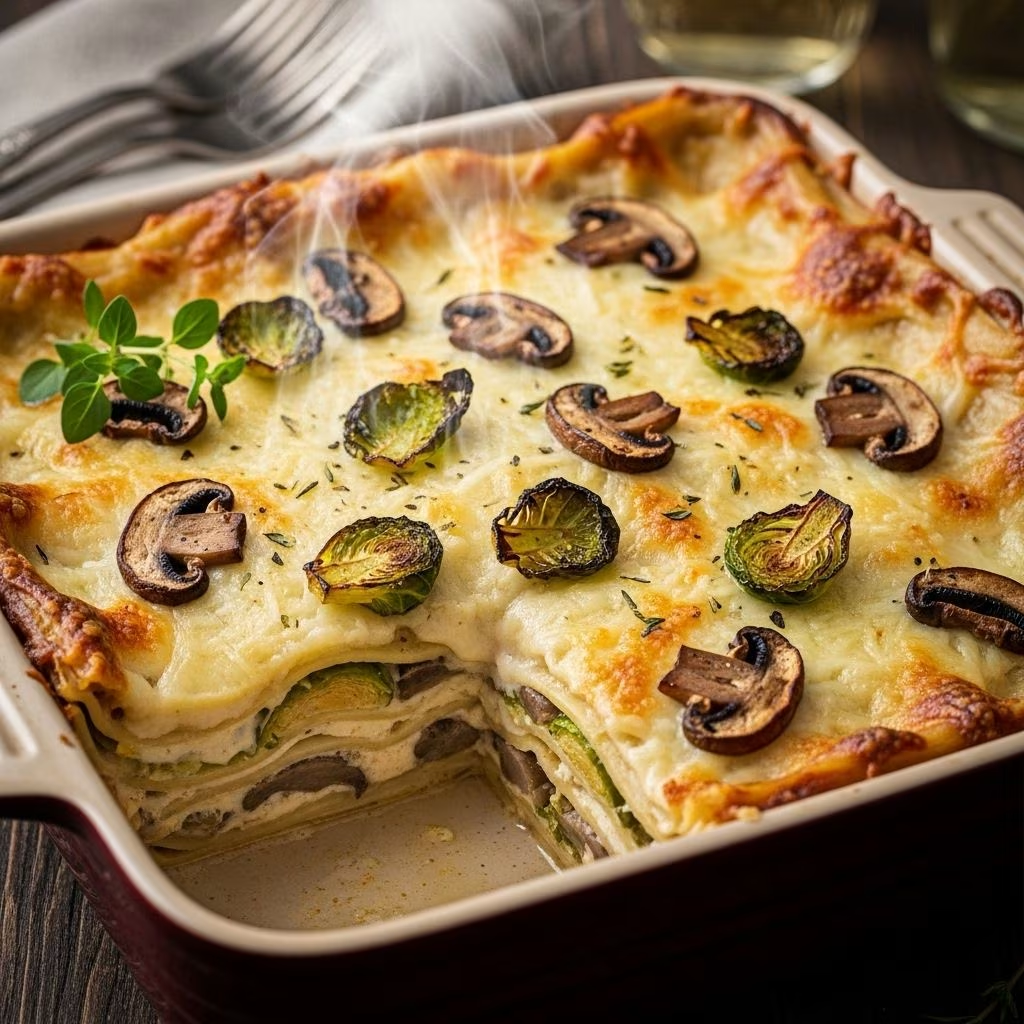
This vegetarian lasagna is a celebration of rich flavors and Food Lab smarts, weaving together sweet, nutty Brussels sprouts and earthy mushrooms in a creamy, cheese-laden sauce. Whether you seek a new dinner centerpiece, a holiday vegetarian option, or simply crave comforting cheese and veggies, this lasagna stands out in technique, taste, and texture.
Introduction: Vegetarian Comfort, Amplified
Lasagna has evolved far beyond its classic meat-and-tomato roots. This recipe masterfully swaps out meat for Brussels sprouts and mushrooms, paired with creamy, nutty cheese for a deeply satisfying vegetarian dish. Developed with the science-driven rigor typical of Food Lab methodology, it answers common lasagna headaches: how to keep the vegetables bright and flavorful, avoid soggy layers, achieve a luscious texture, and deliver bold taste throughout.
Lasagna Concept & Inspiration
The main inspiration for this recipe was to create a lasagna that’s meat-free yet never lacking in savory depth. Brussels sprouts, with their nutty sweet notes, pair exceptionally well with mushrooms, which provide earthiness and umami. Hidden in the layers is a silky, seasoned cheese sauce (béchamel), elevating both the vegetables and the noodles and providing moisture and richness.
- Vegetarian Main Course: This dish holds its own at the dinner table, special enough for holidays, satisfying enough for weeknights.
- Food Lab Techniques: Careful sautéing, balanced seasoning, thoughtful layering, and texture control distinguish this lasagna from run-of-the-mill recipes.
- Family-Friendly, Crowd-Pleasing: Customizable to taste, easily doubled for gatherings.
Key Ingredients & Their Roles
The magic of this lasagna lies in the way each ingredient contributes distinct flavor, texture, and character.
| Ingredient | Role/Flavor | Preparation |
|---|---|---|
| Brussels Sprouts | Nutty, sweet depth; bright green color | Thinly sliced & sautéed for balance |
| Mushrooms (like cremini, button, or portobello) | Earthy, savory, umami | Sliced; sautéed to release moisture, develop flavor |
| Onion & Garlic | Aromatic base | Finely chopped/sliced, gently cooked |
| Lasagna Noodles (preferably no-boil) | Structural base | Layered dry; softened by sauce during baking |
| Cheese (Gruyère, mozzarella, Parmesan) | Meltiness, umami, golden top | Grated or sliced; layered & melted |
| Milk & Butter (for béchamel) | Creamy sauce | Cooked into rich white sauce with flour |
| Flour | Thickener for béchamel | Whisked into butter |
| Nutmeg | Warm, subtle seasoning | Added to béchamel |
| Chives & Parsley | Herbal freshness | Minced, sprinkled between layers |
Step-by-Step Preparation
Success lies in prepping the elements with care. Here’s a breakdown of each major prep step:
- Clean and Slice Brussels Sprouts: Remove dry leaves. Slice sprouts finely so they cook quickly and evenly.
- Prepare and Sauté Mushrooms: Clean, slice, and sauté mushrooms in batches to prevent crowding and get golden edges, maximizing umami.
- Cook Aromatics: Sauté onions and garlic until softened but not browned for a mellow, aromatic backbone.
- Combine Vegetables: Mix sautéed mushrooms, Brussels sprouts, and aromatics in a bowl with seasoning. Let excess moisture evaporate—this helps avoid soggy lasagna.
- Make the Béchamel Sauce:
- Melt butter, whisk in flour, then cook until lightly golden.
- Slowly add milk, whisking constantly to avoid lumps.
- Simmer sauce, stir in cheese, nutmeg, and seasonings for a luxurious texture and flavor boost.
- Grate and Prepare Cheese: Grate Gruyère or mozzarella for gooey layers and Parmesan for topping; reserve some for each layer.
Layering the Lasagna: Building Flavor & Structure
A great lasagna is more than the sum of its parts. Layering is strategic: noodles, vegetables, cheese, and sauce are carefully stacked for optimal texture and flavor distribution.
- Start with Sauce: Spread a thin layer of sauce at the bottom to prevent noodles from sticking.
- Noodle Layer: Arrange no-boil noodles edge-to-edge. Overlap slightly if necessary.
- Vegetable Mixture: Spread generously, then sprinkle herbs for brightness.
- Béchamel & Cheese: Pour sauce evenly, sprinkle cheese. Repeat until ingredients are used up.
- Top Layer: Finish with noodles, sauce, and a liberal sprinkle of cheese for a golden, bubbling crust.
Baking & Finishing Touches
Proper baking ensures everything melds harmoniously and the cheese browns beautifully.
- Cover Tightly: Use foil for the initial bake to trap steam and soften noodles.
- Uncover & Brown: Remove foil for the last 15 minutes to allow cheese to bubble and brown.
- Rest: Let lasagna sit 10–15 minutes before slicing—this ensures clean portions and optimal texture.
Optional: Broil briefly for extra browning if desired.
Expert Tips & Variations
The brilliance of this recipe lies as much in its adaptability and technique as the specific flavors.
- Moisture Management: Always sauté vegetables well to prevent excess water in the lasagna.
- Cheese Choices: Gruyère adds nuttiness; mozzarella brings stretch; Parmesan delivers sharpness. Substitute with fontina, jack, or vegan cheese blends as needed.
- Noodle Types: No-boil noodles save time and absorb flavor. If using regular noodles, boil and dry before layering.
- Add-Ins: Roasted garlic, leeks, or spinach can be included for additional layers of flavor.
- Make-Ahead: Assemble lasagna a day ahead; refrigerate and bake fresh for deeper flavor development.
- Gluten-Free: Use gluten-free noodles and flour for béchamel.
Serving Suggestions
- Main Course: Serve slices as a centerpiece with a fresh salad or roasted root vegetables.
- Wine Pairing: Try a light Pinot Noir or Sauvignon Blanc for contrast and refreshment.
- Garnishes: Sprinkle with fresh chives, parsley, or a drizzle of olive oil before serving.
Nutrition & Dietary Considerations
This lasagna is vegetarian-friendly, high in fiber, rich in vitamins (especially Vitamin C and K from Brussels sprouts), and packed with calcium and protein from cheese and milk. For vegan adaptation, sub plant-based milk, cheese, and butter. Those watching salt or fat can reduce cheese and opt for low-fat dairy as appropriate.
Frequently Asked Questions (FAQs)
- Q: Can I make this lasagna ahead?
A: Absolutely. Assembling a day ahead deepens flavors; bake just before serving for best results.
- Q: How do I prevent watery lasagna?
A: Thoroughly sauté and drain vegetables before layering; use no-boil noodles which absorb some excess liquid; allow lasagna to rest after baking.
- Q: What other vegetables work well in this lasagna?
A: Spinach, roasted cauliflower, sautéed leeks, or kale all pair beautifully with the creamy sauce and cheese.
- Q: How can I make this recipe vegan?
A: Substitute plant-based milk, vegan cheese, and dairy-free butter for the béchamel. Use vegan noodles as well.
- Q: Can I freeze leftover lasagna?
A: Yes, cool completely, wrap tightly, and freeze up to 2 months. Thaw overnight and reheat, covered, until hot.
Conclusion: Elevating Vegetarian Lasagna
By highlighting the nutty richness of Brussels sprouts and the savory depth of mushrooms, this Food Lab-inspired creamy lasagna redefines what vegetarian comfort food can be. Layered with expertise, crowned by a golden cheese crust, and perfected with practical techniques, it’s a recipe that pleases both the science-minded cook and the passionate food lover alike.