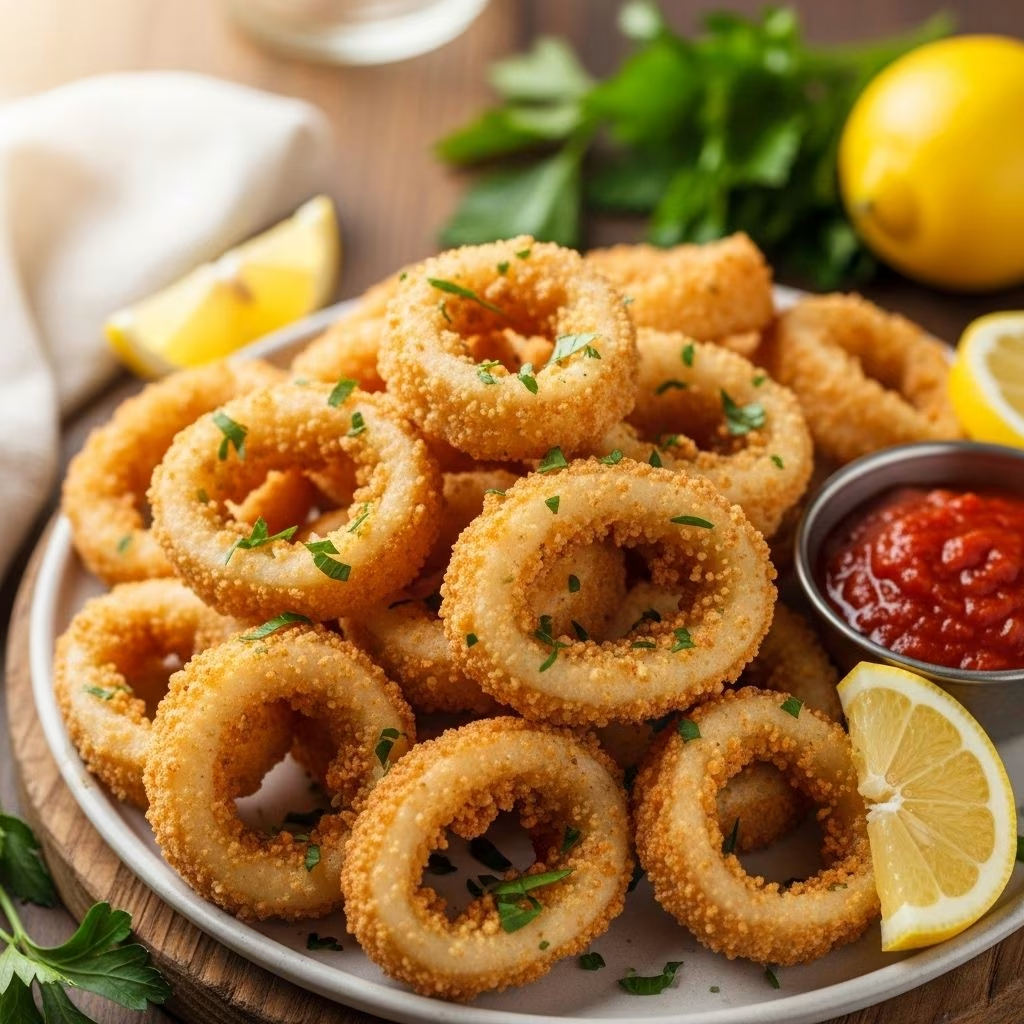
Crispy Gluten-Free Fried Calamari: Crunchy Perfection Every Time
Fried calamari is a restaurant favorite that wins hearts with its irresistible crunch and tender texture. For many, that first bite is a gateway to a love of seafood. If you’ve avoided traditional fried calamari because of gluten or egg intolerance, fret no more! This guide walks you through every stage of preparing golden, crunchy, and gluten-free fried calamari that rivals anything you’ll find in a restaurant—complete with a spicy marinara dipping sauce for that extra flavor punch.
Why Calamari? A Family Journey
Fried calamari holds a special place in many culinary journeys. Even for those who were hesitant about trying squid, the transformative power of a crispy coating and a hit of spice overcomes all doubts. For some, it began as an adventure in childhood, finally giving in to the lure of golden-fried rings at a family table. For others, it’s a legacy passed down through family—the writer’s own daughter, Pia, took to Asian-style calamari at just three years old, making entire plates disappear in record time.
Transitioning to a gluten-free, egg-free lifestyle doesn’t mean giving up crunchy favorites. The right ingredient swaps and frying techniques open up a new world where every member of the family, even picky eaters and the gluten-intolerant, can indulge in a plate of delicately fried seafood. This recipe was born out of that spirit: creating a version that’s entirely gluten-free, yet still delightfully light and airy. And what’s calamari without that classic spicy marinara on the side?
What Makes Fried Calamari Irresistible?
- Light and Crispy Coating: Achieving that signature crunch means using a batter that gets airy and golden without being dense or greasy.
- Tender Squid: Calamari is prone to overcooking, turning rubbery if not watched carefully. Proper frying temperature is crucial.
- Flavorful Dips: A spicy, tangy marinara balances the richness of the fried rings perfectly.
Ingredients: What You’ll Need
Gather all your ingredients before starting; everything moves fast once you begin frying!
| Ingredient | Purpose |
|---|---|
| Fresh Squid | Main protein, cut into rings and tentacles |
| Gluten-Free Flour Blend | Essential for batter; rice flour or similar blends work well |
| Cornstarch | Adds extra crunch and lightness |
| Club Soda | Ensures a bubbly, airy batter |
| Salt & Pepper | Basic seasoning |
| High-Heat Oil (like canola, sunflower, or vegetable oil) | For deep frying |
| Spicy Marinara Sauce | For dipping; see recipe below |
| Lemon Wedges | Serve on the side for brightness |
The Step-By-Step Method for Gluten-Free Fried Calamari
1. Clean and Prepare the Squid
Buy pre-cleaned squid rings and tentacles whenever possible. If starting from whole squid, remove the head, innards, beak, and quill. Slice the body into rings about 1/2-inch thick and keep the tentacles intact for contrast in texture. Pat everything very dry with paper towels—excess moisture prevents crispiness.
2. Mix the Gluten-Free Batter
- In a large bowl, whisk together gluten-free flour blend and cornstarch in a 2:1 ratio for best results.
- Season well with salt and pepper.
- Slowly pour in ice-cold club soda just until a smooth, pourable batter forms. The carbonation is what creates that ultra-light texture.
3. Heat the Oil
- Fill a heavy-bottomed pot or deep skillet with enough oil to submerge the squid rings (about 2–3 inches deep).
- Bring the oil to a temperature of 350–375ºF (175–190ºC); use a thermometer to monitor. Too cool and your calamari will absorb oil and become soggy; too hot and it may burn outside while staying raw within.
4. Batter and Fry the Squid
- Working in batches, dip the dried squid rings and tentacles into the batter, allowing excess to drain off before transferring to the oil.
- Fry only 6–8 pieces at a time to prevent the oil from dropping in temperature and crowding.
- Cook for 1 to 2 minutes or until golden and crisp—do not overcook! Over-frying leads to toughness.
- Remove with a slotted spoon and drain on a wire rack or paper towel-lined plate. Sprinkle with more salt and a squeeze of fresh lemon juice immediately while still hot.
- Wait for the oil to return to temperature between batches, or your calamari will be greasy rather than crisp.
5. Serve Immediately
Fried calamari loses its crunch as it sits, so serve hot right out of the oil. Pair with a bowl of spicy marinara for dipping. Lemon wedges add acidity to brighten each bite.
Chef’s Tips for Perfect Fried Calamari
- Keep Everything Dry: Moisture is the enemy of crunch. Dry the squid thoroughly and use paper towels to blot excess batter before frying any pieces that appear overloaded.
- Frying Temperature: Let the oil return to 350–375ºF between batches. Overloading the pot will lower the temperature and produce soggy squid.
- Don’t Crowd the Pan: Work in small batches for even cooking and best texture.
- Batter Consistency: Your batter should be just thick enough to cling to the squid but not so thick that it clumps. Thin with a splash more club soda if needed.
- Eat Immediately: Fried foods lose crispness as they cool; for ultimate enjoyment, serve calamari fresh from the fryer.
Spicy Marinara: The Classic Dipping Sauce
The right dip brings calamari to life. Here’s a simple, robust marinara you can whip up in under 30 minutes:
- 1 can (about 14 oz) crushed tomatoes
- 2 cloves garlic, minced
- 2 tbsp olive oil
- 1 tsp red pepper flakes
- 1/2 tsp dried oregano
- Salt and black pepper to taste
Heat olive oil over medium heat in a saucepan. Add garlic and sauté until fragrant—do not brown. Stir in crushed tomatoes, red pepper flakes, oregano, and seasoning. Simmer for 15–20 minutes, adjusting heat and flavors as desired. Serve warm alongside your fried calamari.
Creative Serving Ideas
- Party Platter: Pile calamari high on a platter with lemon wedges, extra sea salt, and a ramekin of spicy marinara for dipping.
- Light Meal: Top a crisp salad with freshly fried rings and tentacles for texture and flavor contrast.
- Flatbreads: Use as a dramatic topping for a garlic-brushed gluten-free flatbread, along with crisp veggies and a drizzle of hot sauce.
Troubleshooting: Common Calamari Issues
- Soggy Coating? Oil temperature likely dropped too low—fry in smaller batches and reheat oil as needed.
- Tough Texture? Squid was overcooked—limit frying time to less than two minutes for a tender bite.
- Batter Not Crisping? Increase the cornstarch, or ensure batter isn’t too thick; thin with club soda for a lacy, light crunch.
Allergy-Friendly and Kid-Approved
This recipe is a blessing for families with food allergies. By omitting wheat and eggs, even those with gluten or egg sensitivities can enjoy an iconic appetizer. Kids are often willing to try new foods when they’re bite-sized, crunchy, and paired with a familiar dip. A fun story—the author’s daughter, Pia, loved Asian fried squid so much that at three years old she could polish off an entire restaurant portion, and this remake remains a family hit. Even her younger sister Coco (once she got over discovering what calamari really is) couldn’t resist licking her fingers clean!
Storage and Reheating
- Best Fresh: Calamari is at its prime immediately after frying. For texture reasons, avoid making large batches ahead of time.
- Reheating: If you must store leftovers, spread calamari on a baking sheet and reheat at 400ºF for 5–7 minutes. It won’t be as crisp as fresh, but will regain some crunch this way.
- Freezing: Not recommended; the delicate coating can become soggy when thawed and reheated.
Frequently Asked Questions (FAQs)
Q: Can I use calamari that is already pre-cooked or frozen?
A: Avoid pre-cooked squid, as it turns rubbery when fried. Frozen raw squid is perfectly suited, but always defrost and dry thoroughly before battering and frying.
Q: Is there a substitute for club soda in the batter?
A: Yes, plain sparkling water works nearly as well. Regular still water will do in a pinch, but the texture may be denser and less airy.
Q: What if I don’t have a deep frying thermometer?
A: Drop a tiny bit of batter into the oil—if it immediately bubbles and crisps, the oil is hot enough. However, using a thermometer is the most consistent method for foolproof results.
Q: Can I add herbs or spices to the batter?
A: Absolutely! Freshly chopped parsley, dried chili flakes, or garlic powder add subtle flavor and visual appeal to the crust.
Q: What oils are best for frying calamari?
A: Choose neutral, high-smoke point oils like canola, sunflower, or vegetable oil. Olive oil can be used for shallow frying but avoid extra virgin varieties for deep frying, as they have lower smoke points and impart stronger flavors.
Nutrition and Dietary Considerations
- Gluten-Free and Egg-Free: Safe for most with gluten or egg allergies (but always check individual product labels for cross-contamination).
- Low Carb Option: Use only cornstarch for a lighter coating and pair with a simple aioli in place of marinara.
- High Protein: Squid is naturally high in protein and low in fat, making this an indulgent yet wholesome treat when fried at the right temperature.
Summary: Make It Yours!
Homemade gluten-free fried calamari elevates family meals, parties, and weeknight cravings. Quick to prepare and fun to eat, it bridges the gap between restaurant luxury and home kitchen delight. With the right steps, anyone can fry up a platter of perfectly crispy, golden squid—without a trace of gluten or eggs. Remember the key tips: dry squid, airy batter, hot oil, and immediate serving. With these in mind, you’re guaranteed crunchy, tender bites every time!