Let Them Eat Fresh Persimmon Cake
Persimmons, with their sweet aroma and jewel-like color, are a treasured autumn fruit that transforms into pure magic when turned into cake. This article will guide you through the joys of baking a fresh persimmon cake, exploring the fruit’s background, best practices for baking, practical tips for preparation, and answers to common questions. Whether you have a bounty from a garden or chance upon a few at the farmer’s market, this cake offers a sublime way to showcase persimmons at their flavorful peak.
What Is a Persimmon Cake?
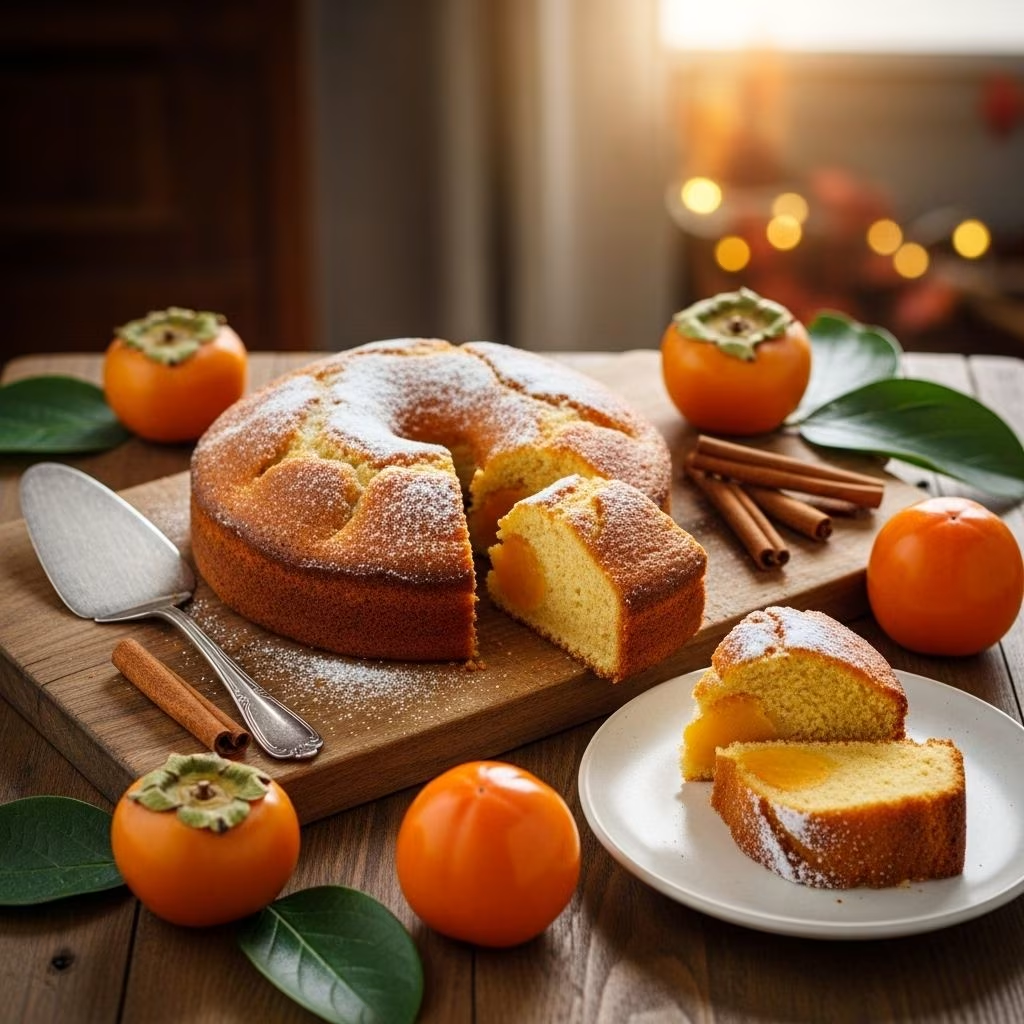
Persimmon cake is a moist, richly spiced dessert highlighting the heady sweetness and unique texture of ripe persimmons. Unlike the denser, pudding-like steamed cakes of yesteryear, modern recipes lean toward a light, fluffy crumb that still captures the essence of the fruit. With warming spices and either butter or olive oil as the base, this cake stands out as a seasonal showstopper, ideal for autumn gatherings or cozy evenings at home.
All About Persimmons: Varieties and Selection
Before you bake, it’s crucial to know the two main types of common persimmons:
- Hachiya: Acorn-shaped, must be fully soft and squishy before use, otherwise they are unpleasantly astringent.
- Fuyu: Flatter and tomato-like, can be eaten crisp like an apple or allowed to soften for baking.
For cake, fully ripe Hachiya are often favored for their custardy texture, but overripe Fuyu also work well. The best persimmons for cake will practically collapse in your hand when ripe, producing a deep orange, jelly-like pulp that makes a cake exceptionally moist and aromatic.
How to Make Persimmon Puree
The heart of any persimmon cake recipe is the persimmon puree. Here’s a simple method:
- Wash and dry the fruit. Slice off the stem top.
- Scoop out the flesh with a spoon if very soft, or peel and chop if using a firmer variety.
- Puree in a blender or food processor until smooth. A fork or potato masher works for very soft fruit.
Measure out the required amount—most recipes call for 1 1/2 to 2 cups. The puree can be made ahead and refrigerated for up to three days, or frozen for a month. A hint: If your persimmons are slightly underripe, freeze them overnight and thaw to help soften their texture and reduce astringency.
Essential Ingredients
Great persimmon cake depends on a balance of sweetness, spice, and fat. Standard ingredients include:
| Ingredients | Purpose |
|---|---|
| Persimmon puree | Main flavor and moisture source |
| Flour | Provides structure |
| Sugar (brown or white) | Sweetness, browning, tenderness |
| Eggs | Bind, add lift and moisture |
| Fat (butter or olive oil) | Richness, flavor, tender crumb |
| Baking powder/soda | Leavening |
| Spices (cinnamon, nutmeg, ginger) | Warmth and depth |
| Salt and vanilla | Balance and enhance other flavors |
Some recipes also layer in nuts (walnuts, pecans), dried fruits (raisins, cranberries), or even chocolate chips for extra flair.
Step-by-Step: Baking Fresh Persimmon Cake
Follow this foundational method to craft a perfect cake—adjust as desired based on your preferred recipe:
- Preheat oven to 350°F (175°C). Grease and flour your cake pan (a 9×13” or 8×8” pan, or even a loaf pan).
- Cream together fat and sugar. Use room temperature butter or olive oil and beat with sugar until fluffy. This makes for a finer, lighter crumb.
- Combine wet ingredients. Add eggs one at a time, mixing well between additions. Stir in the persimmon puree and vanilla, blending until smooth and creamy.
- Mix dry ingredients in a separate bowl. Whisk together flour, baking powder, baking soda, salt, and spices.
- Combine wet and dry mixtures. Add the dry ingredients to the wet, mixing gently until no streaks of flour remain. If using, fold in nuts or dried fruits at this stage.
- Pour batter into the prepared pan, smoothing the top. For an elegant finish, top with thin slices of persimmon and a sprinkle of demerara sugar before baking.
- Bake for 35–60 minutes, depending on your pan and specific recipe. The cake is done when a skewer inserted in the center comes out clean or with a few moist crumbs.
- Cool in the pan for 20-30 minutes, then transfer to a wire rack to finish cooling before slicing.
Serving tip: Enjoy warm wedges on their own or with a scoop of vanilla ice cream, a dollop of softly whipped cream, or a drizzle of caramel sauce.
Flavor Variations and Tips
- Bake with olive oil for a fruity, moisture-rich cake that keeps well for days. Infuse a Mediterranean note by adding orange zest or anise.
- Try alternative flours: Substitute part of the all-purpose flour with almond flour or whole wheat for nutty flavor and extra moisture.
- Adjust sweetness based on your fruit—super-sweet, overripe persimmons mean you can lower the sugar slightly.
- Elevate with toppings: Scatter chopped nuts or sugar over the top before baking for extra crunch.
- Spice it up: Add ginger, clove, cardamom, or allspice for a bolder, spicier cake.
Storage and Make-Ahead Tips
- Room temperature: Keep tightly wrapped or in an airtight container for up to 2 days.
- Refrigerate: Store for 3-4 days. Bring to room temperature or rewarm gently before serving for best flavor and texture.
- Freeze: Persimmon cake freezes beautifully; wrap well in plastic wrap and foil. Thaw overnight in the fridge and reheat individual slices in a low oven.
Common Problems and Solutions
| Issue | Possible Causes & Remedies |
|---|---|
| Cake too dense or gummy | Persimmons may not have been fully ripe; next time, ensure the puree is silky and not fibrous. |
| Cake doesn’t rise | Check if baking powder/soda is fresh; don’t overmix after adding flour. |
| Cake sticks to the pan | Grease and flour pan thoroughly; consider parchment lining for easy removal. |
| Overly sweet cake | Reduce added sugar when persimmons are particularly ripe and sugary. |
Why This Cake Belongs on Your Table
Few fruits embody autumn’s fleeting luxury like fresh persimmons. This cake boasts:
- Exceptional moistness, thanks to the natural pectin and sugars in persimmon pulp.
- Versatile flavor profile, marrying richly with spice and adaptable to many add-ins.
- Visual appeal, especially when decorated with slices of glistening, orange persimmon.
- Seasonal charm, making it a centerpiece for holiday feasts, potlucks, or quiet treats.
Serving Suggestions
- Serve plain or dusted with powdered sugar for understated elegance.
- Pair with crème fraîche, mascarpone, or tangy Greek yogurt to balance the cake’s sweetness.
- Add a touch of brightness and color with candied ginger, citrus zest, or a glug of brandy in the batter for festive occasions.
Frequently Asked Questions (FAQs)
Q: Can I use underripe persimmons?
A: No. Unripe Hachiya persimmons are extremely astringent. Always wait until the fruit is thoroughly soft and jelly-like for the best flavor and texture.
Q: Can I substitute Fuyu persimmons for Hachiya?
A: Yes, but Fuyus are less gelatinous when ripe, leading to a slightly firmer cake. Let Fuyus over-ripen for a softer pulp if possible.
Q: Is this cake gluten-free?
A: Traditional recipes use all-purpose flour, but you can substitute a gluten-free flour blend or use part almond meal for a gluten-free or nuttier alternative. Adjust liquids accordingly, as alternative flours may absorb more moisture.
Q: How do I store leftovers?
A: Store at room temperature for up to 2 days or refrigerate for 4 days in an airtight container. The cake freezes well for up to one month; thaw overnight before serving.
Q: Can I add nuts or fruit to my persimmon cake?
A: Absolutely! Walnuts, pecans, raisins, dates, or even chocolate chips make for great additions. Fold them in before baking for texture and contrast.
Q: What’s the best way to serve persimmon cake?
A: Enjoy plain, or serve slightly warm with whipped cream, ice cream, or crème fraîche. It’s also lovely with coffee or tea for breakfast or dessert.
Expert Tips for a Perfect Persimmon Cake
- Weigh or measure persimmon puree carefully for consistent results.
- Resist overmixing the batter after adding flour; this ensures tenderness.
- If baking in advance, tightly wrap and freeze individual slices for easy snacks.
- Use parchment for easy pan removal, particularly with very moist cakes.
Conclusion: The Joy of Seasonal Baking
The fleeting seasonality of fresh persimmons makes this cake a treasured tradition—a celebration of ripeness, fragrance, and warmth. Whether you’re sharing slices at a holiday table or savoring a piece with your afternoon tea, a fresh persimmon cake is an ode to autumn’s bounty and a baker’s delight. Embrace the fruit’s sweet, sunset hues, and let this cake become an annual favorite in your kitchen.