Fresh Tomato Sauce Recipe
Few kitchen joys rival the smell of simmering fresh tomato sauce at the peak of summer. When tomatoes are sun-ripened and bursting with sweetness and juice, capturing their pure flavor in a simple, homemade sauce becomes both a celebration and a necessity. Whether you grow your own, visit the farmers’ market, or spot a deal at your grocer, learn how to transform the season’s best into a vibrant sauce you’ll crave.
Why Make Sauce with Fresh Tomatoes?
Making tomato sauce from fresh tomatoes brings out flavors that canned varieties simply can’t match. The resulting sauce is lighter, chunkier than classic marinara, and sings with garden freshness. Here’s why you should try your hand at it:
- Peak flavor: The natural sweetness and tartness of ripe tomatoes shine in this recipe.
- Seasonal eating: Late summer is the optimal window, making it a true celebration of the harvest.
- Versatility: Use the sauce for pasta, pizza, veggies, eggs, and more.
- Minimal ingredients: Let the tomatoes and a handful of aromatics do the work.
- Customization: Tweak spices, thickness, or even mix tomato varieties for depth and interest.
Ingredients for Fresh Tomato Sauce
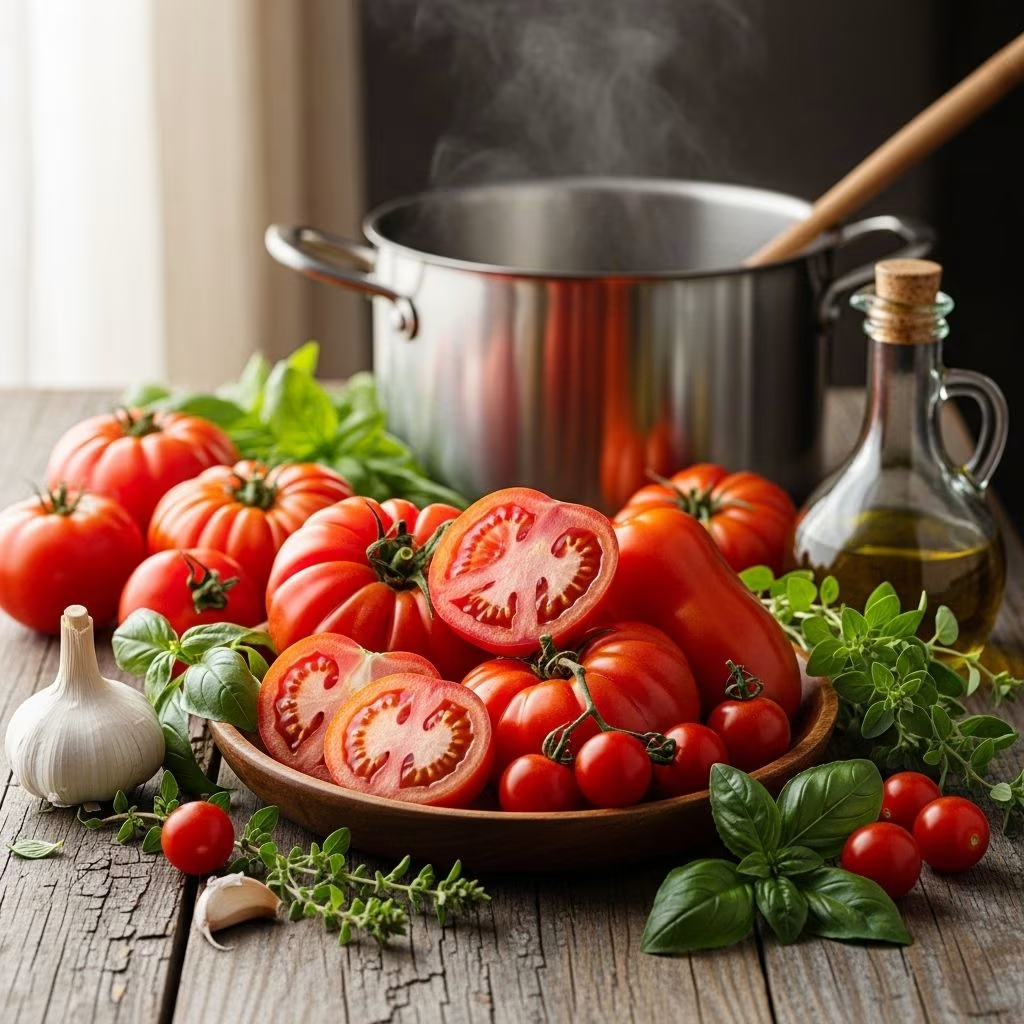
The ingredients are purposely simple to showcase the brilliance of fresh tomatoes. For best results, select the ripest and highest-quality tomatoes you can find.
| Ingredient | Purpose |
|---|---|
| Fresh Tomatoes (3 lbs, medium vine-ripened) | The heart of the sauce; juicy, sweet, and flavorful |
| Extra-Virgin Olive Oil (2 tbsp) | Adds richness and rounds out acidity |
| Shallot or Yellow Onion (⅓ cup, finely minced) | Provides a subtle, complex sweetness |
| Garlic (2 large cloves, minced) | Gives savoriness and aroma |
| Sea Salt (½ tsp) & Black Pepper | Season and balance flavors |
| Tomato Paste (1 tbsp) | Intensifies tomato flavor, thickens the sauce |
| Balsamic Vinegar (2 tsp) | Boosts acidity and depth |
| Cane Sugar (¼ tsp) | Offsets tanginess, ensures balanced taste |
| Dried Oregano (¼ tsp) | Earthy undertones hinting at classic Italian style |
| Red Pepper Flakes (¼ tsp) | Subtle heat, optional |
| Fresh Basil (1 sprig) | Peppery herbaceous notes, signature finish |
Best Tomatoes for Sauce
While classic plum or Roma tomatoes are often recommended for sauces due to their low water content and meaty texture, you’re not limited to just these. Here’s how to choose:
- Vine-ripe rounds: Juicy and sweet, perfect in summer and early fall.
- Heirlooms: Add complex flavor, but expect a looser sauce.
- Roma/Plum: Firm, dense, great for thick sauces; mix with juicier varieties for balance.
If you start with tasteless or out-of-season tomatoes, your sauce may fall flat. For the best flavor, reserve this recipe for when tomatoes are at their peak.
Step-by-Step: How to Make Fresh Tomato Sauce
This recipe is designed for simplicity, allowing the ingredients to shine. Follow each step for optimal texture and flavor:
- Prepare the Tomatoes:
- Set a large pot of water to boil and fill a separate bowl with ice water.
- Score a small “X” at the base of each tomato.
- Blanch tomatoes for 30–60 seconds—just until the skins begin to loosen.
- Transfer tomatoes to the ice bath, then peel and discard the skins. Core and chop coarsely.
- Build the Base:
- Heat the olive oil in a medium pot over low heat.
- Add minced shallot or onion, garlic, salt, and a few grinds of pepper. Sauté gently for 3 minutes, stirring often, until just softened—avoid browning.
- Simmer the Sauce:
- Add tomato paste and cook, stirring, for 1 minute to deepen the flavor.
- Incorporate the prepared tomatoes and juices, balsamic vinegar, sugar, oregano, and red pepper flakes. Stir to combine.
- Simmer uncovered over medium-low heat for 20–30 minutes, stirring occasionally, until the sauce thickens and flavors meld. (For a thicker sauce, simmer longer or use a spoon to remove excess liquid.)
- Finish and Serve:
- Discard the basil sprig. Taste and adjust salt, pepper, or vinegar as needed.
- Spoon over pasta, pizza, roasted vegetables, or bread.
- Cool any leftovers fully before storing.
Tips for the Best Homemade Tomato Sauce
- Let quality shine: Emphasize high-quality tomatoes—flavor comes primarily from the fruit.
- Avoid overcooking: Long simmering intensifies flavor but can mute freshness; keep simmer time moderate for the best of both worlds.
- Balance acidity: A pinch of sugar or splash of balsamic keeps tart tomatoes from overwhelming the sauce.
- Texture variety: For a smooth sauce, blend with an immersion blender. For a chunky, rustic style, leave as is.
- Herb finishing: Add fresh basil at the end, never early, for its brightest flavor.
Serving Suggestions
This sauce is as versatile as it is flavorful. Try it in different dishes or let it elevate a simple meal:
- Pasta: Toss with your favorite cut, fresh or dried.
- Zucchini noodles: For a light, gluten-free option.
- Homemade pizza: Spread as a simple topping before adding cheese and vegetables.
- Eggplant Parmesan: Spoon sauce between layers or as a finishing drizzle.
- Polenta: For a comforting vegetarian main.
- Grilled bread: As bruschetta or crostini, topped with cheese and herbs.
Storage Instructions
Make extra sauce and save yourself work later in the week! Here’s how:
- Refrigerator: Transfer cooled sauce to airtight jars or containers. It will keep in the fridge for 5–7 days.
- Freezer: Pour cooled sauce into freezer-safe jars, leaving headspace. Freeze for up to 3 months. Thaw overnight in the fridge before reheating gently on the stove.
Common Questions & Variations
Can I use canned tomatoes for this recipe?
While this sauce celebrates the peak season for fresh tomatoes, in off months you can use canned whole or crushed tomatoes (about two 28-ounce cans) as a substitute. Expect a different—but still delicious—result. For a classic version, see homemade marinara sauce recipes.
Can I add more vegetables?
Absolutely. Try adding diced bell peppers, carrots, or even a handful of greens. Sauté them along with the shallot and garlic before adding tomatoes.
How do I make a smoother sauce?
For a smoother consistency, puree the sauce with an immersion blender or blend in batches in a regular blender (let the sauce cool slightly first for safety). Alternatively, leave it rustic and chunky for a more traditional texture.
Can I preserve this sauce?
This recipe is designed for immediate use or short-term storage. If you want to preserve it for several months, consult a trusted source for safe canning instructions; acidity and processing times must be monitored carefully.
Can I omit the sugar or vinegar?
If your tomatoes are especially sweet, feel free to skip or decrease the sugar or vinegar. Taste-test as you go to achieve the balance you prefer.
Frequently Asked Questions (FAQs)
Q: What’s the difference between fresh tomato sauce and marinara?
A: Fresh tomato sauce uses ripe tomatoes in peak season and is chunkier, sweeter, and looser. Marinara is smoother, more robust, and usually made from canned tomatoes and dried herbs, simmered longer for deeper flavor.
Q: How do I thicken my fresh tomato sauce?
A: Simmer the sauce uncovered to evaporate liquid, add extra tomato paste, or use Romas (which have less water). Avoid cornstarch for an authentic result.
Q: Should I deseed my tomatoes?
A: It’s optional. The seeds and juice add flavor, but if you prefer a seedless sauce, remove them after peeling and coring the tomatoes.
Q: What’s the best oil to use for tomato sauce?
A: Extra-virgin olive oil is preferred for its rich, fruity undertones. Use a good-quality oil for the best result.
Q: How can I fix a sauce that’s too acidic?
A: Add a small pinch of sugar, let it simmer a few minutes, then taste. Alternatively, a splash more olive oil or a tiny piece of carrot can mellow acidity.
Tips for Perfecting Your Homemade Sauce
- Don’t rush the sauté: Take time to gently soften the onions and garlic for a sweeter, richer base.
- Remove skins: Peeling improves the texture, but if you like rustic sauces, leaving them on is an option.
- Taste as you go: The balance of salt, vinegar, and sugar depends on your tomatoes. Adjust in small increments.
- Keep it bright: Always finish with raw basil for the freshest herbal note.
Nutrition Information
This sauce is naturally vegan, gluten-free, and low-calorie. Tomatoes offer vitamins C and K, potassium, and lycopene, an antioxidant linked to heart and skin health. Olive oil adds healthy fats while keeping the sauce satisfying.
Recipe Card: Essential Fresh Tomato Sauce
Fresh Tomato Sauce
- 3 pounds ripe tomatoes
- 2 tablespoons extra-virgin olive oil
- ⅓ cup minced shallot or onion
- 2 large garlic cloves, minced
- ½ teaspoon sea salt
- 1 tablespoon tomato paste
- 2 teaspoons balsamic vinegar
- ¼ teaspoon cane sugar
- ¼ teaspoon dried oregano
- ¼ teaspoon red pepper flakes
- 1 sprig fresh basil
Instructions:
- Blanch, peel, core, and chop tomatoes.
- Gently sauté shallots and garlic in olive oil for 3 minutes.
- Stir in tomato paste, then add tomatoes and remaining ingredients.
- Simmer uncovered for 20–30 minutes, stirring occasionally.
- Adjust seasoning, remove basil, and serve warm.
Enjoy and Savor the Season!
A homemade fresh tomato sauce is more than just a recipe—it’s a loving tribute to the fleeting days of summer. Make a double batch, share with friends, or freeze some for a taste of August in the depths of winter. However you serve it, let the best tomatoes of the season inspire your own kitchen tradition.
References
- https://asimplepalate.com/blog/the-best-fresh-tomato-sauce/
- https://www.loveandlemons.com/fresh-tomato-sauce/
- https://dontwastethecrumbs.com/tomato-sauce-fresh-tomatoes/
- https://www.loveandlemons.com/marinara-sauce/
- https://www.youtube.com/watch?v=Q7DLBeIfz5w
- https://www.onceuponachef.com/recipes/tomato-sauce-basil.html