Gado-Gado: Indonesia’s Quintessential Salad
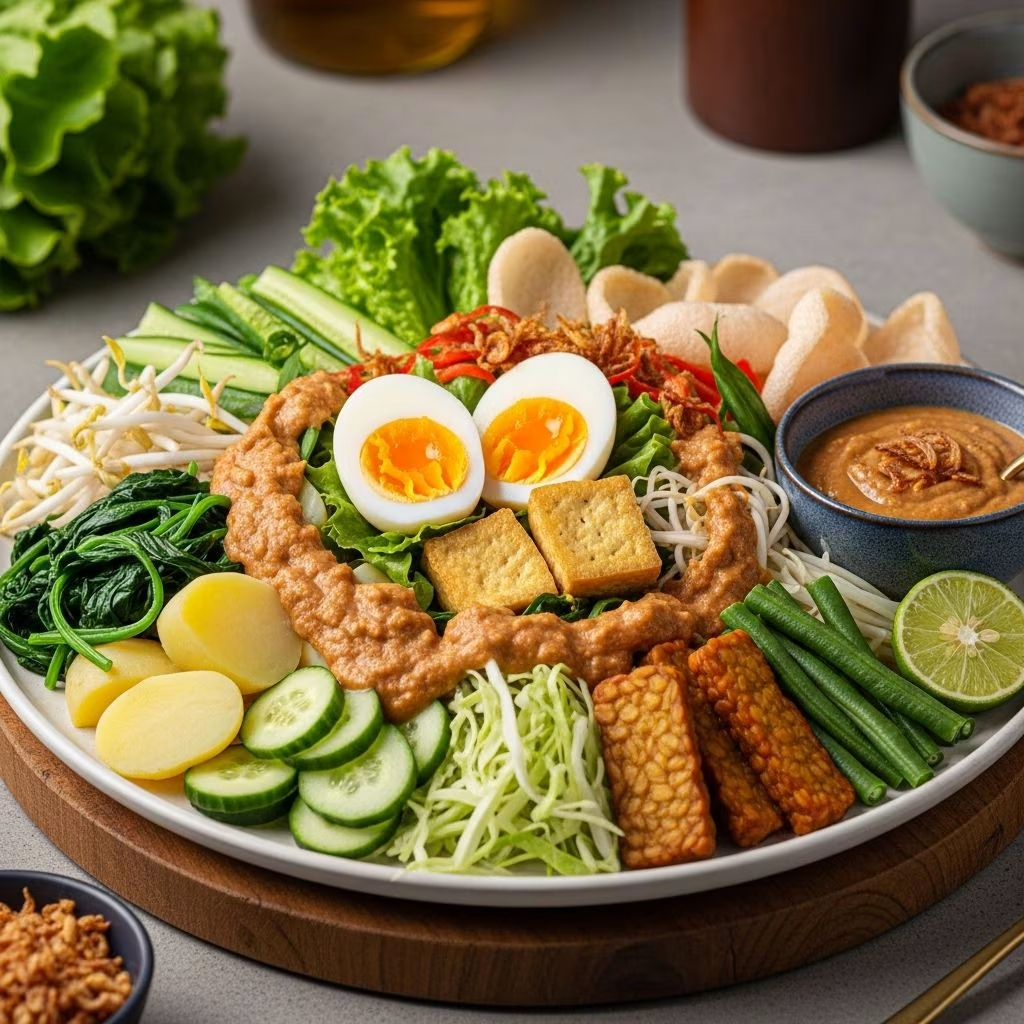
Gado-Gado is one of Indonesia’s most recognizable dishes—an exuberant, hearty salad that brings together blanched and raw vegetables, protein-rich tofu and tempeh, boiled eggs, and a lush, aromatic peanut sauce. Rooted in the archipelago’s diverse cultures and regions, Gado-Gado translates literally to “mix-mix,” a nod to its medley of ingredients and flavors. On the streets of Jakarta, open markets in Bali, and family tables across Indonesia, Gado-Gado remains a beloved staple for its accessibility, nutritional value, and flavor.
Origins and Cultural Significance
Gado-Gado’s roots reach deep into Indonesian culinary history. While the dish is now enjoyed throughout the country—and even the broader Malay world—it is believed to have originated from the Betawi people of Jakarta. Its popularity grew through Java and Sumatra, evolving with regional preferences and available ingredients.
Often served at street stalls, warungs (small family-owned eateries), and in homes, Gado-Gado embodies both simplicity and indulgence, making it a quintessential representation of Indonesian street food. The salad is more than just a side—it’s a satisfying, balanced meal.
What Is Gado-Gado?
At its core, Gado-Gado is a composed salad featuring a wide range of boiled, steamed, or raw vegetables, protein components like tofu, tempeh, and eggs, and a savory-sweet, spicy peanut sauce poured generously over the top. Each serving often comes with crackers (such as prawn or emping), a final squeeze of lime, and fried shallots for aroma and crunch.
The salad is customizable: some versions are vegan or vegetarian, while others might include shrimp paste or dried shrimp in the sauce. This adaptability, coupled with the robust flavors of the sauce, accounts for much of Gado-Gado’s lasting appeal.
Gado-Gado Ingredients Breakdown
Core Vegetable and Protein Ingredients
- Tofu (firm or extra-firm, cubed and fried)
- Tempeh (optional, also fried for a golden crust)
- Boiled potatoes (cubed for texture)
- Boiled eggs (halved or quartered)
- Blanched or raw vegetables:
- Green beans (blanched)
- Cabbage (shredded, blanched or raw)
- Bean sprouts (blanched)
- Spinach or water spinach (blanched)
- Cucumber (sliced or cut into sticks)
- Tomatoes (quartered or sliced)
- Salad greens (lettuce or other leafy greens)
Essential Garnishes
- Prawn crackers or emping (melinjo nut crackers)
- Fried shallots
- Lime wedges
- Finely chopped or crushed roasted peanuts for extra crunch
The Sauce: The Heart of Gado-Gado
Full, robust peanut flavor—with layers of spice, tang, and sweetness—transforms the salad from an assortment of vegetables to a distinctive meal.
Common Peanut Sauce Ingredients
- Peanuts (roasted or fried, unsalted; or natural peanut butter for convenience)
- Kecap manis (Indonesian sweet soy sauce)
- Coconut milk (for a creamy texture)
- Palm sugar or coconut sugar
- Garlic, shallots
- Chilies (red chili or sambal oelek for heat)
- Lime juice or tamarind (for acidity)
- Aromatics (galangal, kaffir lime leaves, bay leaves, dried shrimp or shrimp paste for some variants)
Making the Peanut Sauce
Peanut sauce for Gado-Gado is typically made fresh, ground either in a mortar and pestle (cobek) or a food processor.
Steps for Traditional Peanut Sauce
- Fry or roast peanuts until golden, then grind coarsely.
- Sauté aromatics (garlic, shallot, chilies, galangal, optional dried shrimp or paste) until fragrant.
- Add ground peanuts, coconut milk, palm sugar, and kecap manis. Simmer gently, stirring continuously.
- Adjust with lime juice, tamarind, and salt to balance the taste. The result should be a thick but pourable sauce—richly sweet, spicy, savory, and a little tangy.
| Ingredient | Purpose/Flavor |
|---|---|
| Peanuts | Earthiness, body |
| Kecap manis | Sweeter, umami depth |
| Coconut milk | Creamy, silky texture |
| Palm/coconut sugar | Balanced sweetness |
| Garlic, shallots, chili | Savory aroma, heat |
| Lime/tamarind | Acidity, brightness |
Step-by-Step Preparation Guide
- Prepare vegetables: Boil potatoes until just tender; blanch green beans, bean sprouts, spinach, and cabbage for 30–60 seconds in salted boiling water. Immediately cool in ice water to preserve crunch and color.
- Fry tofu and tempeh: Cut into cubes, fry in neutral oil until golden and crisp. Drain excess oil on paper towels.
- Boil eggs: Cook until hard-boiled or to your preferred doneness; peel and halve.
- Prepare fresh vegetables: Slice cucumber, tomatoes, and any salad leaves.
- Make peanut sauce: Prepare according to the steps above. Adjust till thick yet pourable and well-balanced.
- Assemble: Arrange all ingredients, either in sections or mixed, on a plate or large platter.
- Serve: Generously drizzle peanut sauce over, top with fried shallots, chopped peanuts, prawn crackers, and a squeeze of lime.
Customizing Your Gado-Gado
- Swap or add vegetables based on seasonality or preference. Carrots, sweet corn, daikon, and even roasted squash can work.
- For vegan versions, omit eggs and ensure no shrimp paste is used in the sauce. Use vegan emping crackers.
- Add extra sambal or chili for more heat, extra kecap manis for sweetness, or a touch more lime for acidity.
- Reduce or thin the peanut sauce with additional water or coconut milk for a lighter consistency.
- Make it a meal prep staple: keep sauce and blanched vegetables refrigerated separately for several days.
Serving, Presentation, and Garnishes
Traditional Gado-Gado is presented beautifully, often with each ingredient in distinct sections on a large plate, inviting diners to mix the salad themselves just before eating. Visual contrast—a medley of green, yellow, white, and red—makes the dish as stunning as it is satisfying.
- Garnish with:
- Fresh lime wedges for brightness
- Prawn crackers or emping for a crisp, salty counterpoint
- Generous fried shallots for aromatic crunch
- Sprinkle of chopped peanuts for extra texture
- Finely sliced red chilies for color and spice
Nutrition Note
While Gado-Gado is filled with vegetables and plant proteins making it nutritious and fiber-rich, the peanut sauce contributes significant calories due to peanuts and coconut milk. Using less sauce, lighter coconut milk, or halving the peanuts can reduce fat and calorie content.
Expert Tips and Regional Variations
Gado-Gado adapts easily to personal and regional tastes. Here’s how to make it your own and bring a restaurant-quality experience to your home:
- Take shortcuts: Use pure, unsweetened peanut butter and Thai red curry paste for quick, full-flavored sauce.
- Authenticity variations: Java-style Gado-Gado often uses water spinach and sweet potato, while Jakarta’s version features a thicker, more intense sauce. Some regions include lontong (rice cakes).
- Prepare sauce in advance: Stores well for several days in the fridge—just thin and warm before serving.
- Cook all components ahead: Keep vegetables crisp and sauce separate; assemble just before eating.
- Health-friendly swaps: Use less coconut milk, steam instead of fry, and serve with brown rice or quinoa if desired.
Frequently Asked Questions (FAQ)
Can Gado-Gado be made vegan or gluten-free?
Absolutely. Omit eggs and shrimp paste for vegan versions, and use gluten-free soy sauce or tamari and certified gluten-free crackers.
How long will the peanut sauce last?
Homemade peanut sauce keeps refrigerated for up to 1 week. Reheat gently and add water or coconut milk to restore consistency if it thickens.
What can I serve alongside Gado-Gado?
It’s a complete meal on its own, but can be paired with steamed rice, turmeric rice, fried chicken, or satay. Add prawn crackers or emping for texture and flavor.
Are there easier ways to make Gado-Gado sauce?
For speed, use smooth, unsweetened peanut butter and shortcut spice pastes. Some even use blender or food processor for the entire sauce step—just simmer together till thickened.
Is Gado-Gado eaten hot or cold?
Most versions are enjoyed at room temperature, with some ingredients warm and others cold or room temp—a perfect year-round option.
Bringing Indonesian Street Food Home
Preparing Gado-Gado at home is a celebration of color, flavor, and interactive eating. Whether enjoyed as a healthy lunch, a street food treat, or a vibrant side, the salad’s endless versatility and its iconic peanut sauce will transport you to the bustling markets of Indonesia, one bite at a time.
References
- https://www.singaporeanmalaysianrecipes.com/gado-gado-indonesian-salad/
- https://whattocooktoday.com/gado-gado-indonesian-vegetable-salad.html
- https://www.recipetineats.com/gado-gado-indonesian-salad-with-peanut-sauce/
- https://piquantpost.com/blogs/recipes/gado-gado-indonesian-salad
- https://www.lazycatkitchen.com/indonesian-gado-gado-salad/
- https://www.carolinescooking.com/gado-gado/
- https://sharonpalmer.com/gado-gado-indonesian-tempeh-salad-vegan/
- https://ilovepeanutbutter.com/blogs/recipes/gado-gado-indonesian-salad