Introduction to German Beer Styles
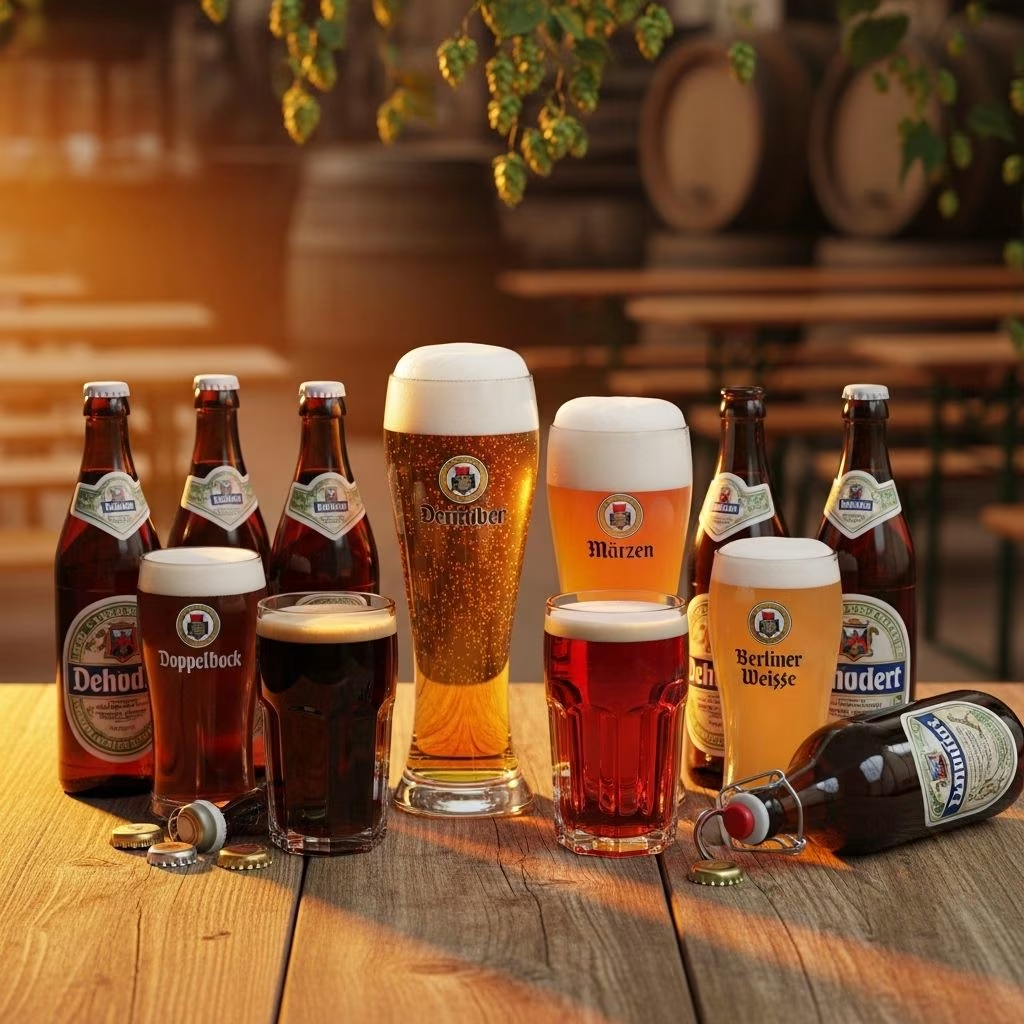
Germany stands as a global leader in beer culture, shaped by centuries of brewing mastery and strict purity laws. From vibrant beer gardens to historic breweries, German beer reflects deep-rooted traditions and innovative spirit. This guide navigates the cornerstone styles that define German brewing — from refreshing lagers and expressive wheat beers to robust bocks and tart specialties — and reveals what makes each unique in flavor, craftsmanship, and culture.
The German Beer Landscape: Tradition, Law, and Regional Identity
German beer is steeped in tradition. The famed Reinheitsgebot (Purity Law) of 1516 restricted beer ingredients to water, malt, and hops (with yeast added later), a rule that shaped both technique and taste. But within these boundaries, brewers across Germany’s regions have developed a stunning array of beer styles, reflecting local palates, resources, and historical influences.
Let’s explore the classic families of German beer, focusing on their shared characteristics, signature ingredients, and regional roots.
Pale Lagers: The Backbone of German Brewing
Pale lagers dominate the German beer market and span a spectrum of color, flavor, and strength. While united by lager yeast and cold fermentation, each style brings its own nuances.
Helles
Helles (“light” in German) hails from Munich and is a malty pale lager with straw-gold color, subtle malt sweetness, and understated bitterness. It features aromas of breadcrumbs and soft grains, with low to medium alcohol (approximately 4.5–5% ABV).
- Typically enjoyed by the liter in Bavarian beer gardens.
- Balanced: the malt profile shines without excessive sweetness, while hop bitterness is gentle.
Pilsner (Pilsener)
Pilsner (or Pils) is Germany’s crisp, hop-forward pale lager, inspired by the Czech original but featuring a lighter body and a more prominent noble hop bitterness and floral aroma. It’s the most popular beer style in Germany, with about two-thirds market share.
- ABV: generally 4.5–5% — clean, dry finish.
- Hallmarks: straw color, refreshing carbonation, fresh bitterness.
- Notable for its thirst-quenching capability and sessionability.
Export/Dortmunder
Export lagers, associated with Dortmund, are maltier and fuller than pilsners, with more pronounced body and sweetness. Once the most popular German style, Export lagers are now less common but still enjoyed by purists.
- ABV: 5–5.5%
- Flavor: Mellow malt, restrained hop bitterness, slightly higher alcohol.
Märzen & Oktoberfestbier
Brewed in March (“Märzen”) to last through summer, these amber lagers are malty, smooth, and medium-bodied. Their mild hop bittering and touch of toast and caramel malt make them ideal for celebrations like Munich’s Oktoberfest.
- ABV: ranges from 4.8 to 6%
- Color: Traditionally copper-amber, though modern Oktoberfestbier served at the festival is lighter and golden.
Maibock (Helles Bock)
The Maibock or Helles Bock is a strong, golden-hued lager reserved for spring festivities. It is robust with toasty malt, a touch of warming alcohol, and balanced hop notes.
- ABV: 6.5–7%
- Flavors: Smooth malt, hints of herbs and spice from noble hops.
- Traditionally brewed for May Day (“Mai” means May in German).
Dunkles Bock
Dunkles Bock is the classic strong dark lager of Germany. Deep copper to brown in color, it offers intense malt aromas, bread crust, dark fruit, and caramel notes while retaining a clean, smooth finish.
- ABV: 6–7%
- Best enjoyed in cool weather and with hearty food.
Spezial
This lesser-known style is a pale, full lager with a bittersweet and delicately hopped character. While not commonly exported, it is prized in certain local markets for its depth and fine malt complexity.
Wheat Beers: Weissbier, Weizenbier, and Friends
Wheat beers are a hallmark of southern German brewing, celebrated for their lively carbonation, distinctive aromas, and creamy mouthfeel.
Hefeweizen / Weissbier
Hefeweizen (or Weissbier), primarily from Bavaria, is a top-fermenting wheat ale with cloudy appearance, due to suspended yeast, and iconic banana and clove notes. Brewed with at least 50% wheat malt, it often features a frothy head and an effervescent body.
- ABV: ~5%
- Flavors: Yeasty, fruity (banana), spicy (clove), soft finish.
Kristallweizen
A filtered wheat beer, Kristallweizen sparkles with clarity and lightness, as the yeast is removed for a clean, bubbly sip.
- Milder mouthfeel, subtle aromas, ideal for refreshment.
Dunkelweizen
Dark wheat beer combines the fruity yeast profile of hefeweizen with deeper, bready and chocolate malt complexity. Cappuccino-colored head is typical.
- Rich and approachable, with flavors of cocoa, bread crust, banana, and clove.
Weizenbock
For a truly complex experience, Weizenbock fuses bock strength and dunkel or hefeweizen yeast aroma, yielding robust, dark fruit and malt notes with traditional banana and spice.
- ABV often 6.5–8%+, warming and deeply flavorful.
- Flavors: Plum, raisin, wheat, caramel.
Berliner Weisse
This refreshing, tart wheat beer originates in the German capital. Berliner Weisse is low in alcohol (about 2.4%), lively, and lactic-acid soured. Traditionally, it’s swirled with raspberry (red) or woodruff (green) syrup to balance its bite.
- Historically dubbed the “Champagne of the North.”
- Best served well-chilled, in broad, goblet-like glasses.
Hybrid and Specialty Beers
Germany has birthed distinctive beer hybrids that blend ale and lager qualities, as well as other inventive styles that defy easy classification.
Kölsch
Kölsch is brewed exclusively in Cologne, with hybrid fermentation: warm-fermented like an ale, then cold-conditioned like a lager. It is pale gold, brilliantly clear, with subtle malt, gentle hop spice, and mild fruitiness. Kölsch is accepted under EU law as a Protected Geographical Indication.
- Served in slender, cylindrical glasses called “Stange.”
- 4.8% ABV, refined and endlessly drinkable.
Altbier
Düsseldorf’s Altbier is kölsch’s darker cousin, blending top fermentation with cold maturation for exceptional clarity and depth. Toasted and nutty malts are balanced by moderate bitterness and subtle sweetness. “Alt” refers to the “old” style of fermenting.
- Color: Amber to copper.
- Medium to high bitterness, moderate alcohol.
- Traditional glassware: the tall, straight-sided “Becher.”
Schwarzbier
Once the everyday beer of medieval Germany, Schwarzbier (literally “black beer”) is a bottom-fermented lager most associated today with Saxony and Thuringia. Full-bodied with gentle sweetness, it evokes roasted malt, chocolate, and caramel, yet remains smooth and clean on the palate.
- ABV: generally around 4.8%
- Served at cooler temperatures in a rounded glass or chalice.
- Köstritzer Schwarzbier is a renowned modern example.
Regional Rarities and Contemporary Trends
Beyond the classics, Germany’s beer landscape is dotted with rare specialties and regionally protected brews:
- Rauchbier: A smoked beer made famous by breweries in Bamberg, Franconia. Malts are dried over beechwood, giving potent smoky aromas.
- Lagerbiers: Local and village lagers exist throughout Germany, often available only at the brewery or in the immediate region.
- Gose: A lightly salted, coriander-spiced sour wheat beer from Leipzig, experiencing a global revival.
German craft brewers are now also experimenting with IPAs, stouts, and barrel-aged beers, blending global trends with national traditions. However, traditional styles remain focal points of German brewing culture.
Pairing German Beer with Food
Classic German beers were designed to complement the hearty, savory fare of German cuisine. Consider these pairings:
- Pilsner or Helles: Pork schnitzel, bratwurst, mild cheeses, and pretzels.
- Dunkelweizen or Schwarzbier: Roasted meats, sausages, dark breads, or creamy cheeses.
- Weizenbock: Smoked ham, rich stews, or desserts with dried fruits.
- Berliner Weisse: Salads, light seafood, summer fruit dishes.
The diversity of German beer provides an excellent counterpart for any meal, whether simple or elaborate.
German Beer Styles Table: Fast Facts
| Style | Color | Fermentation | Key Flavor Notes | Typical ABV |
|---|---|---|---|---|
| Helles | Pale gold | Lager | Soft malt, gentle hop, balanced | 4.5-5% |
| Pilsner | Pale yellow | Lager | Fresh, floral, crisp, hop-forward | 4.5-5% |
| Märzen/Oktoberfest | Amber-gold | Lager | Toasted bread, mild caramel, light hops | 5.2-6% |
| Maibock | Gold-amber | Lager | Rich malt, herbal, warming alcohol | 6.5-7% |
| Dunkles Bock | Copper-brown | Lager | Caramel, dark fruit, robust malt | 6-7% |
| Hefeweizen | Cloudy gold | Ale | Banana, clove, soft wheat | 4.5-5% |
| Kristallweizen | Clear gold | Ale | Light wheat, subtle fruit | 4.5-5% |
| Dunkelweizen | Brown | Ale | Cocoa, bread, banana, clove | 4.5-5% |
| Weizenbock | Amber-brown | Ale | Dark fruit, toffee, spice | 6.5-8% |
| Kölsch | Pale gold | Hybrid | Bready, floral, mild fruit, clean | 4.7-4.9% |
| Altbier | Amber-copper | Hybrid | Toasted, nutty, moderate bitterness | 4.5-5.2% |
| Schwarzbier | Black | Lager | Roast, chocolate, mild sweetness | 4.5-5% |
| Berliner Weisse | Straw | Ale | Tart, lemony, effervescent | 2-3.5% |
Frequently Asked Questions (FAQ)
Q: What is the Reinheitsgebot and why is it important?
A: The Reinheitsgebot, or German Purity Law of 1516, dictated that beer could only be brewed with water, malt, and hops (yeast was later added). This centuries-old rule helped standardize and elevate German brewing quality.
Q: What makes German pilsner different from Czech pilsner?
A: German pilsners are drier, crisper, paler, and have a more assertive hop bitterness compared to Czech pilsners, which typically feature a rounder malt profile and herbal Saaz hops.
Q: How is Kölsch different from other ales?
A: Kölsch is a unique hybrid: it uses ale yeast but is cold-conditioned like a lager, resulting in a clean, bright beer with delicate fruit and floral notes. It must be brewed in Cologne, by law, to be called Kölsch.
Q: Why are wheat beers so cloudy?
A: Hefeweizen and many other wheat beers are typically unfiltered, so the yeast remains in suspension, producing a naturally cloudy appearance and contributing to their signature texture and aroma.
Q: What is the difference between Altbier and Dunkel?
A: Altbier is a top-fermented, cold-conditioned hybrid ale from Düsseldorf, showcasing toasted, nutty malts with a clean finish. Dunkel is a dark lager from Bavaria, featuring smoother, maltier, and slightly sweeter notes.
Conclusion
Germany’s brewing heritage is marked by technical skill, regional pride, and an incredible range of beer styles. From crisp lagers that refresh crowds in Bavarian gardens to tart Berlin specialties and strong, contemplative bocks, German beer remains a revered and dynamic force on the world stage. Whether you are a newcomer to beer or a seasoned connoisseur, exploring Germany’s classic styles promises discoveries for every palate and occasion.
References
- https://www.wsetglobal.com/knowledge-centre/blog/2025/august/ten-german-beer-styles-you-need-to-know
- https://germanfoods.org/german-food-facts/german-beer-guide/
- https://craftbeerme.com/german-beer-types/
- https://en.wikipedia.org/wiki/Beer_in_Germany
- https://www.kegworks.com/blog/kegworks-field-guide-german-beers