Gluten-Free Flour Power: The Ultimate Blueberry Cheesecake Guide
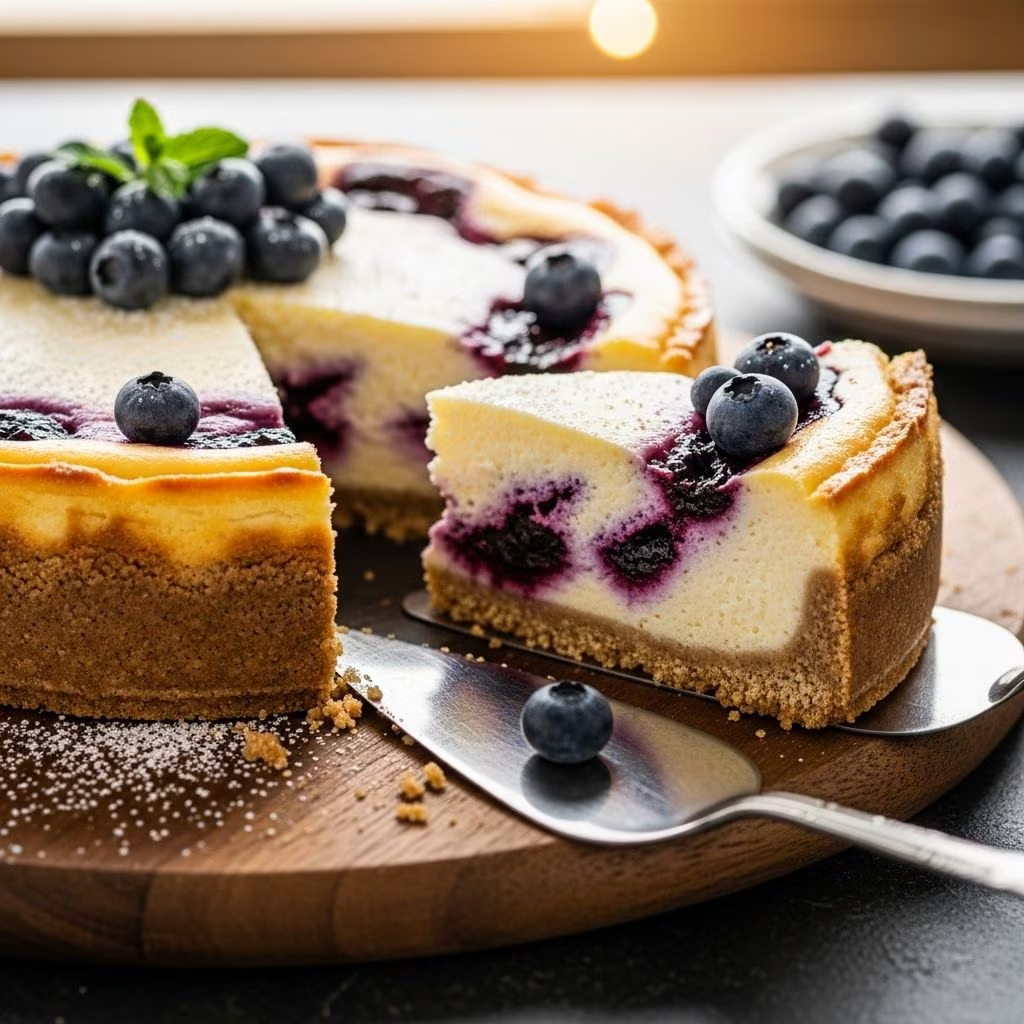
Blueberry cheesecake holds a place of honor in the dessert world, marrying a smooth, creamy filling with bursts of berry brightness. For those on a gluten-free diet, recreating this classic treat presents unique challenges—and exciting opportunities for flavor and texture. This guide breaks down all the essential steps, techniques, and flour tips needed to create a show-stopping gluten-free blueberry cheesecake, from crust to compote.
Why Gluten-Free Cheesecake?
Traditional cheesecakes often rely on wheat-based graham crackers or cookie crusts, which are off-limits for those with gluten sensitivity or celiac disease. The good news—cheesecake’s creamy base is naturally gluten-free, so the main obstacle is the crust. With advances in gluten-free flours and baking strategies, it’s possible to achieve a crust that’s every bit as flavorful and textured as its wheat-based counterparts.
- Crust substitution: Creative flour blends can mimic the crunch and taste of graham cracker bases.
- Where gluten matters: The only structural element requiring special attention is the crust; fillings and compotes are typically gluten-free by nature.
- Dietary inclusivity: Adapting classic desserts like this allows everyone to indulge.
Choosing the Right Gluten-Free Flours for Cheesecake
Getting the crust right is the foundation of a great gluten-free cheesecake. A well-crafted blend allows for the flavor and texture of traditional graham crackers.
- Almond flour: Adds richness and a mild nutty flavor, often present in graham-style bases.
- Oat flour: Brings a subtle sweetness and structure; ensure it’s sourced gluten-free.
- Tapioca and potato starches: Aid with binding, helping the crust hold together.
- Sorghum or millet flours: Imbue a delicate crumb and mild flavor.
For store-bought options, several brands now offer gluten-free graham crackers. You can also prepare homemade crackers, using the flours above in proper ratios.
Building the Gluten-Free Cheesecake Crust
The process for preparing the crust is straightforward, but each step has an impact on the final dessert’s flavor and texture.
- Cracker selection: Crush gluten-free graham crackers or cookies until you achieve fine crumbs.
- Sweetener: Mix in a little sugar to balance the tang of the cheesecake base.
- Fat: Melted butter helps bind, but coconut oil or vegan butter work well for dairy-free versions.
- Flavor boosts: Add a pinch of salt and a dash of cinnamon, or a drop of vanilla extract.
Method:
- Combine crumbs, sugar, and melted fat in a bowl. Mix until fully combined and press into the bottom of a springform pan.
- Chill crust for at least 15 minutes before adding filling, to help set the structure.
- If desired, par-bake for 10 minutes at 325°F to lock in crispness.
Crafting the Creamy Cheesecake Filling
Key factors give the gluten-free blueberry cheesecake its signature richness and smoothness:
- Cream cheese: Use full-fat brick-style cream cheese for best results.
- Sugar: Granulated or superfine sugar ensures a consistent texture.
- Sour cream: Adds tang and creaminess.
- Eggs: Three large eggs provide structure and silkiness without making the texture too firm.
- Cornstarch: Two tablespoons stabilize the filling and help prevent cracks in the finished product.
- Vanilla extract: Adds depth and classic aroma.
- Lemon zest: Brightens the filling and pairs beautifully with blueberries.
Key Technique: Avoid incorporating air when mixing—gently whisk eggs and filling ingredients just until combined. Over-mixing can lead to a grainy or cracked cake.
Blueberries: The Star Ingredient
Blueberries are used not only to flavor the filling, but also as a vibrant topping in the form of compote. The filling benefits from both fresh and baked berry notes.
- Fresh vs. frozen: Both work well. Fresh berries provide firmer bursts, while frozen dissolve more evenly into the filling.
- Lemon boost: Lemon juice and zest amplify the berry flavor and counterbalance sweetness.
Making Blueberry Compote
The compote topping offers intense blueberry flavor, color, and visual appeal. Its jam-like consistence contrasts with the creamy filling below.
Ingredients:
- Blueberries (fresh or frozen)
- Sugar
- Lemon juice and zest
- Vanilla extract
- Cornstarch slurry (cornstarch mixed with cold water)
Method:
- In a small saucepan, combine blueberries, sugar, lemon, and vanilla.
- Bring slowly to a boil, stirring frequently; berries will burst and absorb sugar.
- Stir in cornstarch slurry and return to a boil for 30 seconds to 1 minute, activating thickening.
- Cool completely before layering on cheesecake.
Baking and Cooling Techniques That Prevent Cracking
Baking cheesecake gently is crucial for a smooth, crack-free result. Many bakers use a water bath, but an alternative is to place a shallow pan of hot water in the oven alongside the cheesecake.
- No-wet water bath alternative: Put a tray of hot water on a lower oven rack, creating steam and gentle heat without handling a hot water bath.
- Bake at 325°F: Lower and slower prevents curdling.
- Bake time: 65–70 minutes, until the center is just slightly jiggly, not liquid.
- Slow cooling: After baking, turn off the oven and leave the cake inside with the door cracked for 2 hours—this minimizes temperature shock and cracking.
The low/stress method helps both gluten-free and standard cheesecakes maintain their creamy texture and smooth surface.
Final Assembly and Chilling
After the cheesecake base has cooled gradually in the oven:
- Top with cooled blueberry compote.
- Refrigerate for at least 4 hours—overnight gives the most stable texture.
- Slice with a warm, clean knife for neat servings.
Serving Tips and Flavor Enhancements
- Garnish with extra blueberries, lemon zest, or a sprig of mint.
- Pair with freshly whipped cream or dairy-free topping.
- If desired, add a layer of gluten-free vanilla or blueberry jam for extra vibrance.
Troubleshooting: Common Gluten-Free Cheesecake Challenges
| Issue | Cause | Solution |
|---|---|---|
| Crumbly crust | Not enough fat, or crumbs too coarse | Add a bit more melted butter or coconut oil; pulse crumbs finer |
| Cracks in filling | Over-baking, rapid temperature changes | Use gentle bake method, cool slowly |
| Dense texture | Over-whipping, too much starch | Whisk gently and measure starch carefully |
| Gummy filling | Under-baking or excess liquid from berries | Check bake doneness; drain excess berry juice before mixing |
Variation: Vegan No-Bake Blueberry Cheesecake
A popular alternative for those avoiding both gluten and dairy is the vegan no-bake blueberry cheesecake. This dessert relies on nuts and natural sweeteners, delivering a satisfying, plant-based twist.
- Crust: Dates, almonds, almond butter, and coconut oil form a naturally sweet, chewy base.
- Filling: Soaked cashews, coconut milk, lemon juice, maple syrup, and vanilla extract blended for silky, creamy results.
- Color: Frozen blueberries give vibrant, natural purple hue without artificial colors.
- Method: Process ingredients, layer fillings, and freeze for 5–6 hours to set.
Frequently Asked Questions (FAQs)
Q: Can I use other berries or fruits in place of blueberries?
A: Yes! Cheesecake adapts well to raspberries, blackberries, strawberries, or even stone fruits. Adjust sugar and lemon to taste.
Q: What’s the best gluten-free graham cracker brand for cheesecake?
A: Popular brands include Pamela’s and Schär, though homemade gluten-free graham crackers provide more control over flavor.
Q: How do I know when the cheesecake is baked correctly?
A: The edges will be set, but the center will slightly wobble when gently shaken. It will firm as it cools.
Q: Can I make the cheesecake dairy-free?
A: Absolutely. Substitute vegan cream cheese, coconut yogurt for sour cream, and use plant-based butter in the crust. The vegan no-bake version also works beautifully.
Q: Is it necessary to use cornstarch in the filling?
A: While optional, cornstarch helps prevent cracks and makes the filling more stable. Tapioca or potato starch are good gluten-free alternatives.
Expert Tips for Showstopping Results
- Room temperature ingredients: Bring all dairy to room temp to minimize lumps and encourage smooth blending.
- Gentle mixing: Prevent excess air for a creamier, denser cake.
- Chilling: Overnight refrigeration gives clean slices and concentrated flavor.
- Decorative touches: Fresh berries, edible flowers, or citrus peel upgrades the presentation.
Conclusion:
With the right techniques and gluten-free flour choices, baking a blueberry cheesecake that’s both inclusive and decadent is simpler than ever. The detailed methods for crust, creamy filling, blueberry compote, and slow baking are key for picture-perfect results every time. Whether you opt for classic baked or vegan no-bake, this guide ensures that gluten-free eating never means sacrificing flavor or beauty.