The Ultimate Greek Pesto Pasta Salad Recipe
When Mediterranean flavors meet the beloved comfort of pasta salad, magic happens in your kitchen. This Greek pesto pasta salad combines the herbaceous richness of basil pesto with the bold, tangy flavors of traditional Greek ingredients. The result is a vibrant, satisfying dish that’s perfect for summer gatherings, potluck dinners, or meal prep throughout the week.
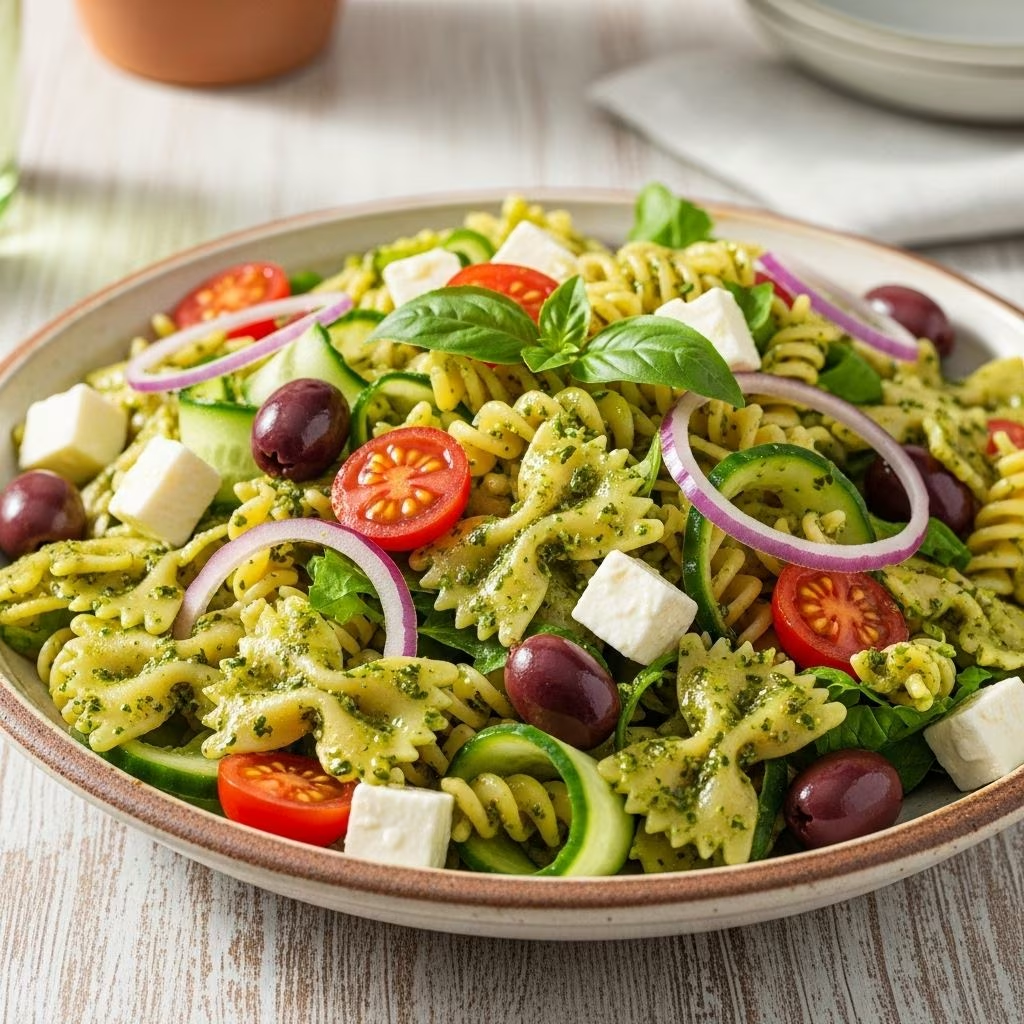
This recipe transforms ordinary pasta salad into an extraordinary Mediterranean experience. The creamy pesto dressing coats every piece of fusilli, while chunks of feta cheese, briny kalamata olives, and fresh vegetables create a symphony of textures and flavors that will transport you straight to the Greek islands.
Why This Greek Pesto Pasta Salad Stands Out
What makes this pasta salad truly special is the perfect balance of flavors and textures. The pesto provides a rich, herby base that’s brightened with white wine vinegar and extra-virgin olive oil. The addition of traditional Greek ingredients like feta cheese, artichoke hearts, and kalamata olives creates layers of complexity that make each bite interesting and satisfying.
Unlike heavy mayonnaise-based pasta salads, this Mediterranean version feels fresh and light while still being incredibly satisfying. The pesto dressing clings beautifully to the pasta without weighing it down, making it an ideal choice for warm weather entertaining or outdoor dining.
Essential Ingredients for Authentic Greek Flavors
The key to creating an authentic Greek pesto pasta salad lies in choosing quality ingredients that complement each other perfectly. Each component plays a crucial role in building the overall flavor profile of this Mediterranean masterpiece.
The Pasta Foundation
Fusilli or rotini pasta works best for this recipe because their spiral shape captures and holds the pesto dressing beautifully. The curves and ridges of these pasta shapes ensure that every bite is coated with the flavorful dressing, while also providing perfect pockets for the smaller ingredients like diced cucumber and halved tomatoes.
Cook the pasta until it’s al dente, which typically means about 1-2 minutes less than the package directions suggest. This ensures the pasta maintains its texture even after being dressed and chilled, preventing it from becoming mushy or overcooked.
The Pesto Dressing
The heart of this salad is the pesto dressing, which combines store-bought or homemade basil pesto with extra-virgin olive oil and white wine vinegar. This combination creates a dressing that’s both creamy and bright, with enough acidity to balance the richness of the feta cheese and olives.
If you prefer making your own pesto, combine fresh basil leaves, pine nuts, garlic, Parmesan cheese, and olive oil in a food processor. However, high-quality store-bought pesto works perfectly well for this recipe and saves considerable time.
Greek Ingredient Essentials
The Greek components of this salad are what transform it from a simple pesto pasta into a Mediterranean celebration. Feta cheese provides tangy, salty bursts of flavor that complement the herbaceous pesto perfectly. Choose a good-quality block feta and cube it yourself rather than using pre-crumbled feta for the best texture and flavor.
Kalamata olives bring a rich, briny depth that’s essential to Greek cuisine. Their meaty texture and complex flavor profile make them superior to regular black olives in this application. Halving them ensures they’re distributed evenly throughout the salad.
Artichoke hearts add an unexpected element that elevates this pasta salad beyond the ordinary. Their tender texture and subtle tang complement both the pesto and the other Mediterranean ingredients beautifully. Use canned artichoke hearts that are packed in water rather than oil for the cleanest flavor.
Fresh Vegetables That Make a Difference
The fresh vegetables in this Greek pesto pasta salad provide crucial textural contrast and bright, clean flavors that balance the richness of the cheese and olives.
Cucumber Crunch
Diced cucumber adds essential crunch and a cooling element that’s characteristic of Greek cuisine. Choose firm, fresh cucumbers and dice them into bite-sized pieces. If your cucumbers have thick skins or large seeds, consider peeling and seeding them before dicing.
Tomato Burst
Grape tomatoes, halved lengthwise, provide bursts of sweet acidity that brighten every bite. Choose ripe but firm tomatoes that won’t become mushy when mixed with the other ingredients. The natural sweetness of good tomatoes balances the salty feta and briny olives perfectly.
Step-by-Step Preparation Guide
Creating the perfect Greek pesto pasta salad is straightforward, but timing and technique matter for the best results.
Cooking the Pasta
Begin by bringing a large pot of generously salted water to a rolling boil. The salt should make the water taste like seawater – this is your only opportunity to season the pasta from within. Add the fusilli or rotini and cook according to package directions, but check for doneness 1-2 minutes before the recommended time.
Once the pasta reaches al dente texture, drain it immediately and rinse with cold water to stop the cooking process. This prevents the pasta from continuing to cook and becoming mushy. Allow the pasta to drain thoroughly, shaking out excess water.
Creating the Perfect Dressing
While the pasta cooks, prepare the pesto dressing by whisking together the pesto, extra-virgin olive oil, and white wine vinegar in a small bowl. Season with a generous pinch of salt and freshly ground black pepper. The dressing should be smooth and pourable – if it seems too thick, add a bit more olive oil.
The acidity from the vinegar is crucial as it helps balance the richness of the pesto and adds brightness to the overall dish. Don’t skip this component, as it’s what gives the salad its characteristic Greek flavor profile.
Assembly and Mixing Techniques
Once the pasta has cooled slightly, transfer it to a large mixing bowl and gradually add 4-5 tablespoons of the pesto dressing. Toss gently but thoroughly, ensuring every piece of pasta is coated. Add more dressing if you prefer a more heavily coated pasta, but remember that you’ll be adding more dressing later.
Add the prepared vegetables and feta cheese to the dressed pasta. Gently fold in the artichoke hearts, cucumber, grape tomatoes, and kalamata olives. Finally, drizzle the remaining dressing over the top and give everything a final gentle toss.
Serving Suggestions and Presentation
This Greek pesto pasta salad is incredibly versatile and can be served in various ways depending on your occasion and preferences.
As a Side Dish
This pasta salad makes an excellent side dish for grilled meats, particularly lamb, chicken, or fish. Its Mediterranean flavors complement grilled proteins beautifully, and the cool temperature provides a nice contrast to hot grilled foods.
As a Main Course
To transform this side dish into a satisfying main course, consider adding grilled chicken breast, shrimp, or chickpeas for additional protein. The robust flavors can easily support these additions without being overwhelmed.
Presentation Tips
For beautiful presentation, serve the pasta salad on a large platter or in individual portions. Garnish with fresh basil leaves, additional feta crumbles, or a drizzle of good olive oil. The colorful vegetables create natural visual appeal that makes this dish as beautiful as it is delicious.
Make-Ahead Tips and Storage
One of the greatest advantages of this Greek pesto pasta salad is how well it keeps and even improves with time.
Advance Preparation
This pasta salad can be made up to 24 hours in advance, making it perfect for entertaining or meal prep. The flavors actually develop and improve as the salad sits, allowing the pesto dressing to fully penetrate the pasta and the various ingredients to meld together.
When making ahead, reserve a small amount of dressing to refresh the salad before serving, as pasta tends to absorb dressing over time. Give the salad a gentle stir and add the reserved dressing if needed before presenting.
Proper Storage
Store the completed pasta salad in an airtight container in the refrigerator for up to 3 days. The vegetables will maintain their texture and freshness, while the flavors continue to develop. Always bring the salad to room temperature for about 15-20 minutes before serving for the best flavor and texture.
Customization and Variations
This Greek pesto pasta salad recipe serves as an excellent base for customization based on personal preferences or available ingredients.
Protein Additions
Transform this side dish into a complete meal by adding grilled chicken, grilled shrimp, or canned chickpeas. These proteins complement the Mediterranean flavors beautifully and add substance to make it a satisfying main course.
Vegetable Variations
While the recipe calls for specific vegetables, feel free to substitute or add others based on preference or seasonality. Roasted red peppers, sun-dried tomatoes, or thinly sliced red onion all work beautifully in this salad.
Cheese Alternatives
While feta is traditional and recommended, you can experiment with other Mediterranean cheeses like fresh mozzarella pearls or goat cheese for different flavor profiles while maintaining the Greek inspiration.
Frequently Asked Questions
Can I use homemade pesto instead of store-bought?
Absolutely! Homemade pesto will give you even more control over the flavor. Use about 3/4 cup of your homemade pesto and adjust the other dressing ingredients accordingly.
How long does Greek pesto pasta salad keep in the refrigerator?
This pasta salad will keep for up to 3 days in the refrigerator when stored in an airtight container. The flavors actually improve after the first day as they have time to meld together.
Can I make this pasta salad dairy-free?
Yes, you can substitute the feta cheese with dairy-free alternatives or simply omit it. You might want to add extra olives or artichoke hearts to maintain the Mediterranean character of the dish.
What’s the best pasta shape for this recipe?
Fusilli or rotini work best because their spiral shape holds the pesto dressing well. Other good options include penne, farfalle, or any short pasta with ridges or curves that can catch the dressing.
Can I serve this pasta salad warm?
While this is typically served chilled, you can serve it at room temperature. However, avoid serving it hot as the feta may become too soft and the vegetables may lose their crisp texture.
References
- https://www.thepioneerwoman.com/food-cooking/recipes/a60373447/spring-pea-pesto-pasta-salad-recipe/
- https://www.thepioneerwoman.com/food-cooking/recipes/a32688852/greek-pesto-pasta-salad-recipe/
- https://www.thepioneerwoman.com/food-cooking/recipes/a11594/pesto-pasta-salad/
- https://www.thepioneerwoman.com/food-cooking/meals-menus/g39028166/pasta-salad-recipes/
- https://www.thepioneerwoman.com/food-cooking/meals-menus/g65655725/best-recipes-with-pesto/