Homemade Focaccia Bread Recipe
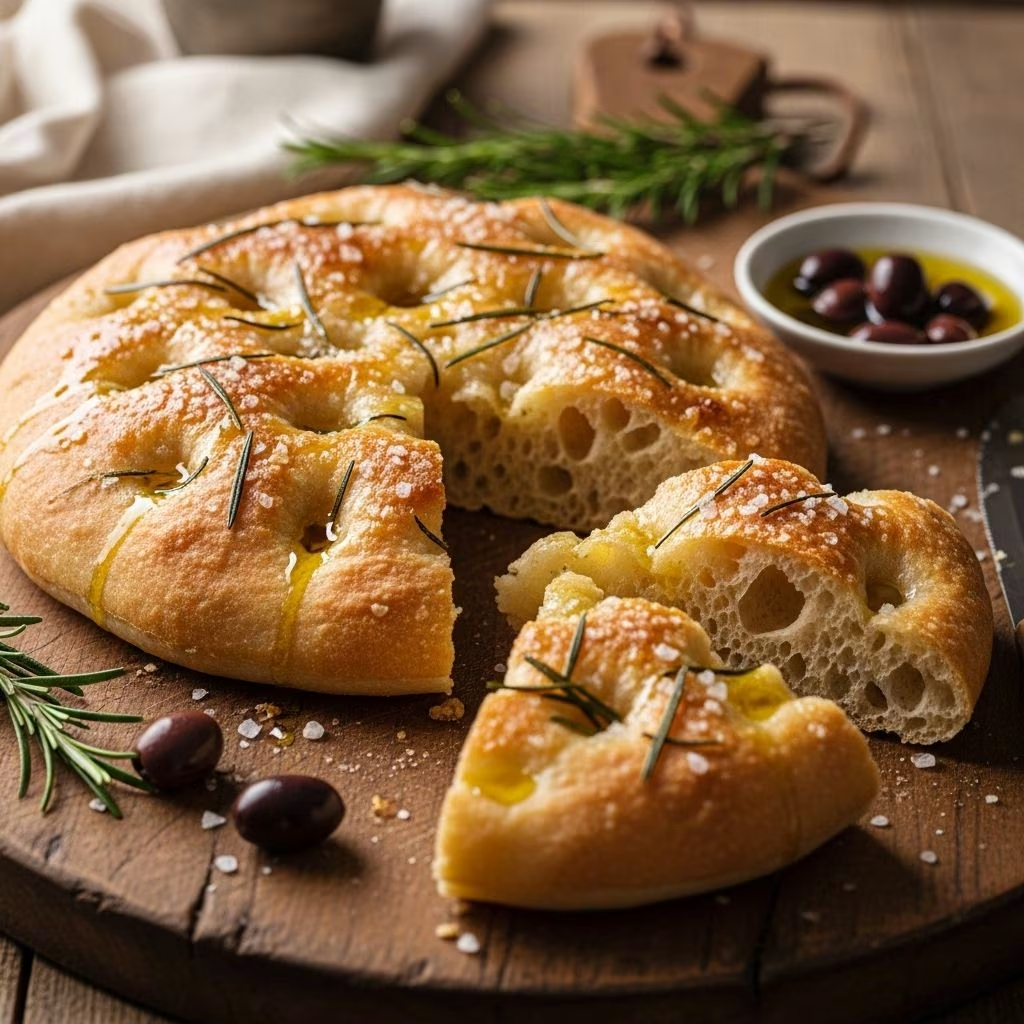
If you’re looking for a versatile, crowd-pleasing bread that is airy, golden, and loaded with flavor, focus your baking skills on making homemade focaccia. Known for its delicious olive oil crust and delightfully chewy crumb, focaccia is the perfect introduction to bread baking and a show-stopping table centerpiece.
Why You’ll Love This Focaccia Bread
- Simple Process: Easy-to-follow steps make this recipe accessible for bakers of all levels.
- Amazing Texture: Expect an airy interior and a crisp, golden crust.
- Customizable: Top with rosemary, flaky salt, cherry tomatoes, or anything you like.
- Perfect for Sharing: Whether served warm or toasted, focaccia always impresses at meals or as a snack.
Ingredients Needed
- Warm Water: 1¾ cups (105° to 115°F).
- Cane Sugar: 2 teaspoons; activates the yeast.
- Active Dry Yeast: One ¼-ounce package (2¼ teaspoons).
- All-Purpose Flour: 500 grams (approx. 4 cups) for that signature chewy crumb.
- Sea Salt: 2 teaspoons for balanced flavor.
- Extra-Virgin Olive Oil: 6 tablespoons, plus more for greasing hands and pans.
- Flaky Sea Salt (optional): For finishing with a salty crunch.
- Chopped Fresh Rosemary (optional): Enhances aroma and classic focaccia flavor.
Step-by-Step: How to Make Focaccia Bread
1. Proof the Yeast
In the bowl of a stand mixer fitted with a dough hook (or a large mixing bowl if stirring by hand), combine warm water and sugar. Stir in the yeast. Allow it to sit for about 5 minutes, until it becomes foamy. If the mixture does not foam, the yeast may be inactive—start over with new yeast.
2. Prepare the Dough
Add flour and salt to the foamy yeast mixture. Mix on low speed until a shaggy dough forms, then increase the speed to medium and knead for about 5 minutes. The dough should be sticky and elastic, pulling from the sides of the bowl.
3. First Rise
Brush a large bowl with 2 tablespoons of olive oil. Using a spatula, transfer the dough to the oiled bowl (the dough will be very sticky). Coat the dough with oil by brushing or turning it gently, cover with plastic wrap or a damp towel, and let it rise for 1 to 1 1/2 hours, or until doubled in size.
4. Shaping the Dough
- Prepare your pan: Brush a 9×13-inch baking pan with 2 tablespoons of olive oil. If the pan is not nonstick, grease it with butter first.
- Oil your hands and gently deflate the dough by folding it into itself, working your way around the bowl until it forms a rough ball.
- Transfer the dough to the prepared pan. Turn the dough to coat all sides in oil, and press it toward the edges of the pan. Allow the dough to rest; if it springs back, wait 10 minutes and press again.
5. Second Rise
Cover the pan with a towel or plastic wrap. Let the dough rise a second time for about 45 minutes, or until doubled in size. While the dough is rising, preheat the oven to 425°F (220°C).
6. Dimple and Top the Dough
- Dimple: Generously oil your hands. Use your fingers to make deep indentations over the entire surface—press all the way to the pan. This technique creates focaccia’s signature texture and encourages air bubbles to develop.
- Toppings: Drizzle 2 more tablespoons of olive oil over the dough. Sprinkle with flaky sea salt and chopped rosemary, or experiment with cherry tomatoes, olives, thinly sliced onion, or other favorites.
7. Bake
Bake in the preheated oven for 20 to 30 minutes, until the bread is golden brown and the crust is crisp. Let it cool slightly in the pan before slicing and serving. There’s nothing better than warm, freshly baked focaccia!
Tips for Perfect Focaccia Every Time
- Use fresh yeast: If the yeast fails to foam when proofed, start again with new yeast for best results.
- Don’t worry about stickiness: Focaccia dough is wetter and stickier than most bread doughs. This ensures an airy, light crumb.
- Generously oil your pan: Butter plus oil, especially in non-nonstick pans, ensures easy release and golden crust.
- Be creative with toppings: Try adding sun-dried tomatoes, olives, caramelized onions, or different fresh herbs.
- Let it cool before slicing: This helps maintain the bread’s structure and prevents gumminess.
Popular Focaccia Topping Ideas
- Classic Rosemary & Sea Salt
- Thinly sliced red onions and black olives
- Halved cherry tomatoes and basil leaves
- Shaved garlic and thyme
- Parmesan cheese, cracked black pepper, or za’atar spice
How to Make a Focaccia Sandwich
Homemade focaccia isn’t just fantastic on its own—it shines as the ultimate bread for homemade sandwiches. Slice your cooled focaccia horizontally and fill it with your favorite ingredients for a gourmet experience. Some ideas:
- Caprese: Fresh mozzarella, tomatoes, basil, olive oil, and balsamic glaze
- Grilled vegetables with goat cheese and arugula
- Roasted turkey, provolone, and cranberry jam
- Prosciutto, fig preserves, and arugula
Serving & Storing Focaccia
- Focaccia is best enjoyed warm or at room temperature.
- Store leftovers in an airtight container at room temperature for up to 2 days or refrigerate for up to a week.
- Refresh day-old focaccia by reheating it in a 325°F oven for several minutes.
- Focaccia freezes well—slice, wrap in foil, and freeze for up to a month.
Troubleshooting Common Issues
- Dough too wet after rising? Some stickiness is normal, but avoid adding too much extra flour. Oil your hands well and use a spatula for shaping.
- Bread sticking to the pan? Make sure to follow suggested amounts of olive oil and consider greasing with butter first if using a non-nonstick pan.
- Dense, flat bread? Underproofing, expired yeast, or omitting the second rise can cause heaviness. Allow enough time for both rises.
- Uneven browning? Check oven temperature and use a light-colored or metal pan for best results.
More Bread Recipes to Try
- No-Knead Bread (ideal for beginners)
- Homemade Dinner Rolls
- Garlic Knots
- Homemade Bagels
- Pita Bread
- 25 Super Fun Baking Recipes (get creative!)
Printable Focaccia Bread Recipe
| Focaccia Bread Recipe | |
|---|---|
| Prep Time | 15 minutes (plus rising) |
| Cook Time | 20-30 minutes |
| Total Time | 2-2.5 hours |
| Yield | 1 9×13-inch pan (about 12 pieces) |
Ingredients
- 1¾ cups warm water, 105° to 115°F
- 2 teaspoons cane sugar
- 1 (¼-ounce) package active dry yeast (2¼ teaspoons)
- 500 grams all-purpose flour (approx. 4 cups)
- 2 teaspoons sea salt
- 6 tablespoons extra-virgin olive oil, plus more for greasing
- Flaky sea salt and chopped fresh rosemary (for topping, optional)
Instructions
- Combine warm water and sugar. Add the yeast and allow to proof for 5 minutes, until foamy.
- Add flour and salt. Mix on low speed (or with a spoon) until a shaggy dough forms; knead for 5 minutes until sticky and elastic.
- Transfer to an oiled bowl, coat the dough, cover, and let rise until doubled, 1–1.5 hours.
- Shape and press into a generously oiled 9×13-inch pan. Let rise for another 45 minutes.
- Dimple the dough with oiled fingers; top with olive oil, sea salt, and rosemary.
- Bake in a 425°F oven for 20–30 minutes, until golden brown. Cool slightly before slicing.
Frequently Asked Questions (FAQs)
Q: Why is my focaccia dough so sticky?
A: Focaccia dough is wetter than most bread doughs, creating that airy, open crumb. Oil your hands well when handling it; avoid adding excess flour.
Q: What can I use if I don’t have fresh rosemary?
A: Try other hardy herbs, such as thyme or sage, or skip the herbs entirely—plain focaccia with olive oil and flaky salt is still delicious.
Q: Can I make focaccia ahead of time?
A: Yes! Focaccia keeps well wrapped at room temperature for up to 2 days and can be frozen for up to a month. Reheat in a 325°F oven before serving.
Q: How do I know if my dough has risen enough?
A: The dough should roughly double in size on each rise. Lightly press the dough—if the indentation springs back slowly, it’s ready to proceed.
Q: What’s the best pan for baking focaccia?
A: A light-colored, metal 9×13-inch baking pan produces a crisp crust and allows easy release. Nonstick pans work well, but always grease generously!