Homemade Roman-Style Trapizzini: The Pocket Pizza Revolution
Trapizzini have taken Rome’s street food scene by storm, offering a portable, delicious mashup of crisp pizza bianca and some of the city’s most iconic stews and fillings. This guide explores how to make trapizzini at home, capturing the signature texture and flavor of these ingenious pizza-pocket sandwiches. Whether you’re an experienced pizzaiolo or an adventurous home cook, unlock the secrets to Rome’s most craveable sandwich.
What Is a Trapizzino?
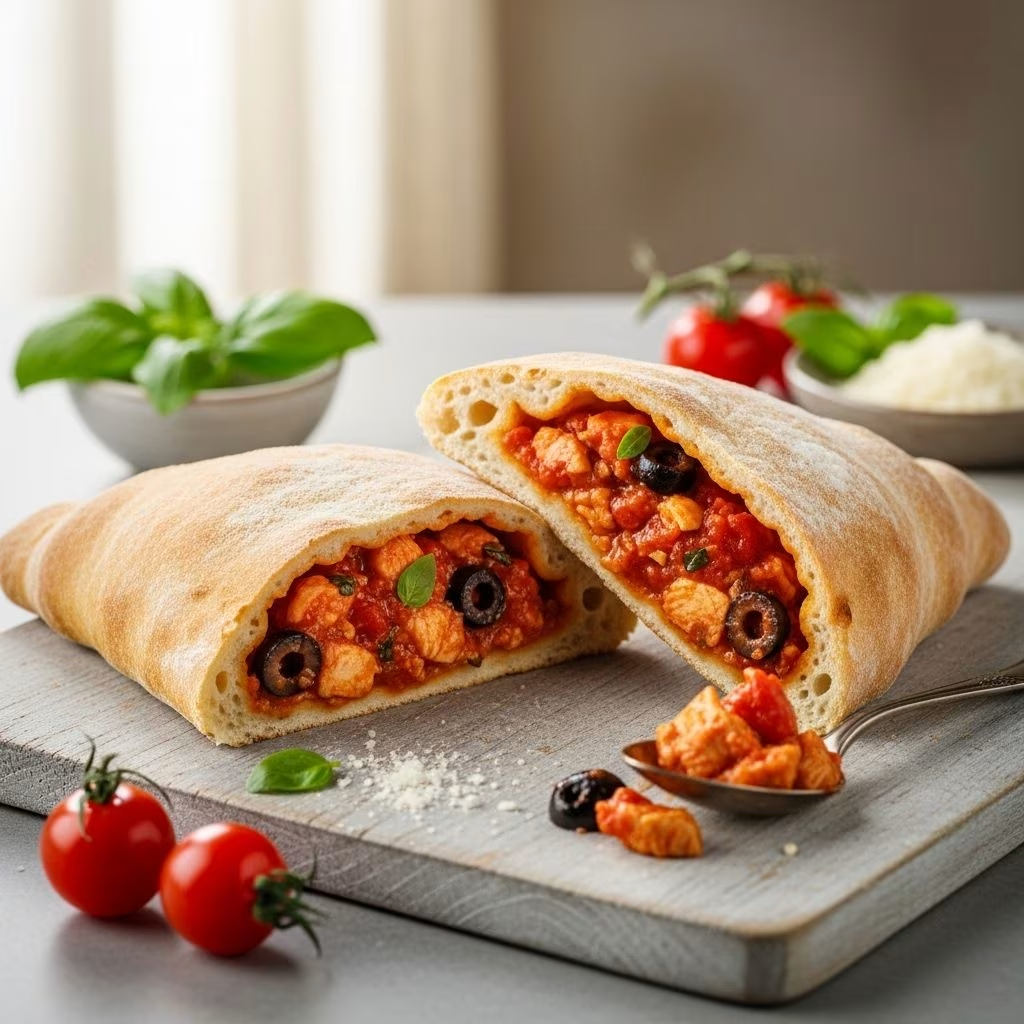
The trapizzino (plural: trapizzini) is a triangular, hand-held sandwich created by enclosing savory fillings in a pocket of pizza bianca dough. The result is a perfectly portable treat: crispy on the outside, cloud-like inside, and robust enough to cradle ultra-saucy Roman classics such as coda alla vaccinara (oxtail stew), pollo alla cacciatora (chicken cacciatore), and eggplant parmigiana.
- Invented in Rome: Conceived in 2008 by pizza maestro Stefano Callegari, the trapizzino combines the best elements of pizza and Italian sandwiches, earning a loyal following in Italy and abroad.
- Origins of the Name: “Trapizzino” is a portmanteau of “pizza” and “tramezzino” (the triangular Italian tea sandwich).
- Dough Highlight: Uses the same high-hydration dough as classic Roman pizza bianca for a uniquely crisp, airy structure.
The Anatomy of a Trapizzino
A trapizzino delivers a symphony of textures and flavors, all in a compact, triangle-shaped package. Here’s what makes it special:
- The Crust: Crispy and caramelized from a super-hot bake, yet with a delicate, open crumb that holds fillings without collapsing.
- The Interior: Warm and stretchy, with a slightly tangy flavor if made with a long-ferment dough.
- The Pocket: A slit in the rounded edge of the bread forms a pouch—a clever vessel for just about any stew or braise.
- The Fillings: Traditionally Roman but endlessly customizable. Anything saucy works, from meatballs in red sauce to vegetarian eggplant stews or even spicy chicken ragù.
| Component | Description |
|---|---|
| Dough | High-hydration pizza bianca, up to 80% water for maximum air pockets |
| Shape | Square or rectangular, then cut diagonally into triangles |
| Carefully slit to create a cavity for generous fillings | |
| Fillings | Saucy Roman classics, vegetarian or meat-based, always moist |
The History and Popularity of Trapizzini
The trapizzino was first sold in Testaccio, one of Rome’s most beloved food districts, by Stefano Callegari, who envisioned a way to serve up Roman stews in a bread pocket sturdy enough to hold saucy fillings without sogging out. His street food soon exploded in popularity, spawning dedicated shops across Italy and an outpost in New York City.
- 2008: Trapizzino debuts in Rome.
- Spread: Now available in major Italian cities and New York, with growing interest internationally.
- Inspiration: Marries street-food sensibility with authentic Roman flavors.
Why Make Trapizzini at Home?
Trapizzini are ideal for sharing at parties or family gatherings. Homemade versions allow you to:
- Control texture and flavor of the dough—personalizing for preference
- Choose fillings from classic Roman to global fusion or leftovers
- Impress guests with a unique, hand-held sandwich unlike anything else
- Batch bake for easy entertaining
What You’ll Need: Essential Ingredients & Gear
Core Ingredients
- High-protein bread flour
- For strong gluten development and airy crumb
- Water
- High hydration (70–80%) essential for open holes
- Active dry or instant yeast (or sourdough starter for traditionalists)
- Fine sea salt for flavor
- Extra-virgin olive oil to boost crust flavor and softness
- Optional: Honey or malt for extra yeast activity and color
Equipment
- Stand mixer or large bowl for hand-mixing
- Bench scraper
- Baking steel, pizza stone, or heavy baking sheet
- Square or rectangle baking pans (e.g., 12-inch or quarter sheet)
- Essential for shaping uniform rectangles for triangles
- Digital scale (precision matters for dough)
- Sharp bread and paring knives (for splitting pockets)
- Parchment paper or nonstick baking mat
How to Make Trapizzino Dough
The soul of trapizzino is the high-hydration pizza bianca dough. This dough should be mixed to a wet, sticky consistency, then fermented to develop flavor and strength.
- In a large bowl, combine bread flour, water, yeast, and salt (plus honey if using). If mixing by hand, stir with a wooden spoon until a dough forms.
- Let the dough rest to hydrate fully, then stretch and fold several times over 1–2 hours for gluten development.
- Ferment at room temperature until doubled, or cold proof for more complex flavor.
- Gently shape into a square and place in an oiled pan, being careful not to deflate the dough.
- Let rise until billowy, another 2–3 hours at room temperature.
Pro Tip: Minimal kneading is key. The dough should remain airy and full of gas bubbles for the best crumb texture.
Baking and Shaping the Pizza Pockets
- Preheat your oven as hot as it will go—ideally 475–500°F (250°C).
- Drizzle the proofed dough with olive oil and gently dimple with fingertips.
- Bake until the crust is golden brown and crisp and the interior is fully cooked but airy—typically 10–15 minutes depending on oven strength.
- Cool slightly for easier handling. Cut the baked slab into diagonal triangles using a bread knife.
- For each triangle, use a paring knife to carefully slit open the long edge, forming a deep pocket—but don’t cut all the way through.
Shaping Tips
- Use a square pan for evenly shaped triangles.
- Let the bread cool slightly to avoid squashing the crumb when slicing.
- Work gently to maintain the open, airy interior.
Classic Trapizzino Fillings
Trapizzini are traditional vehicles for Rome’s greatest comfort foods. Here are some time-honored options:
- Pollo alla cacciatora (Hunter’s Chicken): Fall-off-the-bone chicken simmered in tomatoes, olives, and herbs.
- Coda alla vaccinara: Luxurious oxtail stew braised in a rich tomato sauce.
- Parmigiana di melanzane: Layers of eggplant with tomato, cheese, and basil, perfect for vegetarians.
- Meatballs in sauce: Classic beef or pork meatballs soaked in marinara.
- Roman tripe stew (Trippa alla romana): Tender tripe in spicy tomato sauce, for the adventurous.
Modern trapizzino shops even offer global-inspired fillings—think braised beef, curries, or roasted vegetables.
Step-by-Step Trapizzino Assembly
- Prepare or reheat your chosen filling just before serving.
- Stuff each split bread pocket generously with hot filling. The bread should act as a sponge, soaking up flavorful juices while remaining sturdy.
- Serve immediately—trapizzini are best enjoyed hot and fresh.
Creative Variations & Tips
- Mix Up Fillings: Anything saucy and chunky works. Try leftover pulled pork, chili, or sautéed mushrooms.
- Global Flair: Experiment with Asian braised meats, barbecue, or spicy beans.
- Vegetarian Options: Stewed greens, beans with tomato and herbs, or roasted squash.
- Mini Trapizzini: Bake smaller rectangles for snack-sized sandwiches—a hit at parties.
Serving Suggestions
Trapizzini are a showstopper at casual gatherings, game day, or family picnics. To serve like a pro:
- Wrap the base in parchment or wax paper—keeps hands clean and bread intact.
- Offer a variety of fillings for a customizable sandwich bar.
- Pair with crisp Italian lager, red wine, or sparkling water.
- Serve alongside simple salads, roasted vegetables, or classic antipasti.
Troubleshooting & Pro Baker Tips
- Bread is dense: Increase hydration and avoid overworking the dough; allow a full rise.
- Pockets collapse: Let bread cool slightly before slicing, and handle gently to preserve internal structure.
- Crust is too soft: Bake at a higher temperature or use a baking steel for extra bottom crispness.
- Soggy interiors: Use thick, not watery, fillings; drain excess liquid before stuffing bread.
Frequently Asked Questions (FAQs)
Q: What’s the difference between trapizzino and a regular pizza sandwich?
A: Trapizzino uses Roman pizza bianca dough for a super-crisp yet airy pocket, cut into triangles and slit to form deep pockets. Regular pizza sandwiches often use flatbread or thick dough pressed together; they don’t feature the signature shape or texture of a trapizzino.
Q: What makes the dough for trapizzino unique?
A: It’s a very high-hydration dough (often up to 80% water) which allows for an open, holey crumb and a crisp exterior, similar to classic Roman pizza bianca.
Q: Can I use a store-bought bread or pizza dough?
A: In a pinch, yes. Hollowed-out crusty rolls (like ciabatta or sourdough) mimic the experience, though homemade high-hydration pizza bianca dough yields the most authentic flavor and texture.
Q: What are the most classic fillings?
A: Authentic Roman trapizzini are stuffed with local specialties like chicken cacciatore, oxtail stew, eggplant parmigiana, tripe, and meatballs. Nearly any saucy or stewed filling works beautifully.
Q: Can I make trapizzini ahead of time?
A: The crusts can be baked in advance and stored in a sealed container for up to one day. Fill just before serving to keep the bread crisp and fresh.
Q: How do I serve trapizzini for a crowd?
A: Bake a large slab, slice into triangles, and provide a variety of hot fillings buffet-style. Wrap each in parchment for easy, mess-free eating.
Trapizzino Recipe: At-a-Glance
- Prep time: 30 minutes active, plus 4 hours to overnight for fermentation
- Cook time: 15 minutes per batch
- Equipment: Digital scale, stand mixer or bowl, baking stone or steel, square pan, sharp knives
- Yield: 4–6 large trapizzini (can easily be doubled)
| Ingredient | Quantity |
|---|---|
| Bread flour (13–14% protein) | 500 g |
| Water (cool, filtered) | 375–400 g |
| Active dry or instant yeast | 4 g |
| Fine sea salt | 12 g |
| Extra-virgin olive oil | 30 g, plus more for pan |
| Honey or malt (optional) | 10 g |
- Mix all ingredients into a sticky dough; rest 20 minutes.
- Stretch and fold gently several times, resting 10 minutes between each.
- Let rise in a lightly oiled bowl until doubled (2-3 hours, or refrigerate overnight).
- Shape gently into a square, transfer to an oiled square pan, cover, and let rise until billowy.
- Drizzle the top with olive oil; press with fingertips to dimple.
- Bake at maximum heat for about 12–15 minutes until deeply golden and crisp.
- Cool, then cut into large triangles. Split each triangle along the flat edge to form a pocket.
- Stuff with your favorite filling and serve at once.
Inspiration: Trapizzino Around the World
The trapizzino’s global popularity is rising, with shops in Florence, Milan, Trieste, Turin, and New York City. As trapizzini gain global devotees, their fillings and presentations are only getting more diverse—proving that the marriage of pizza and sandwich knows no borders. Make it your own, and enjoy a modern Roman classic at home.