How to Bake the Perfect Potato
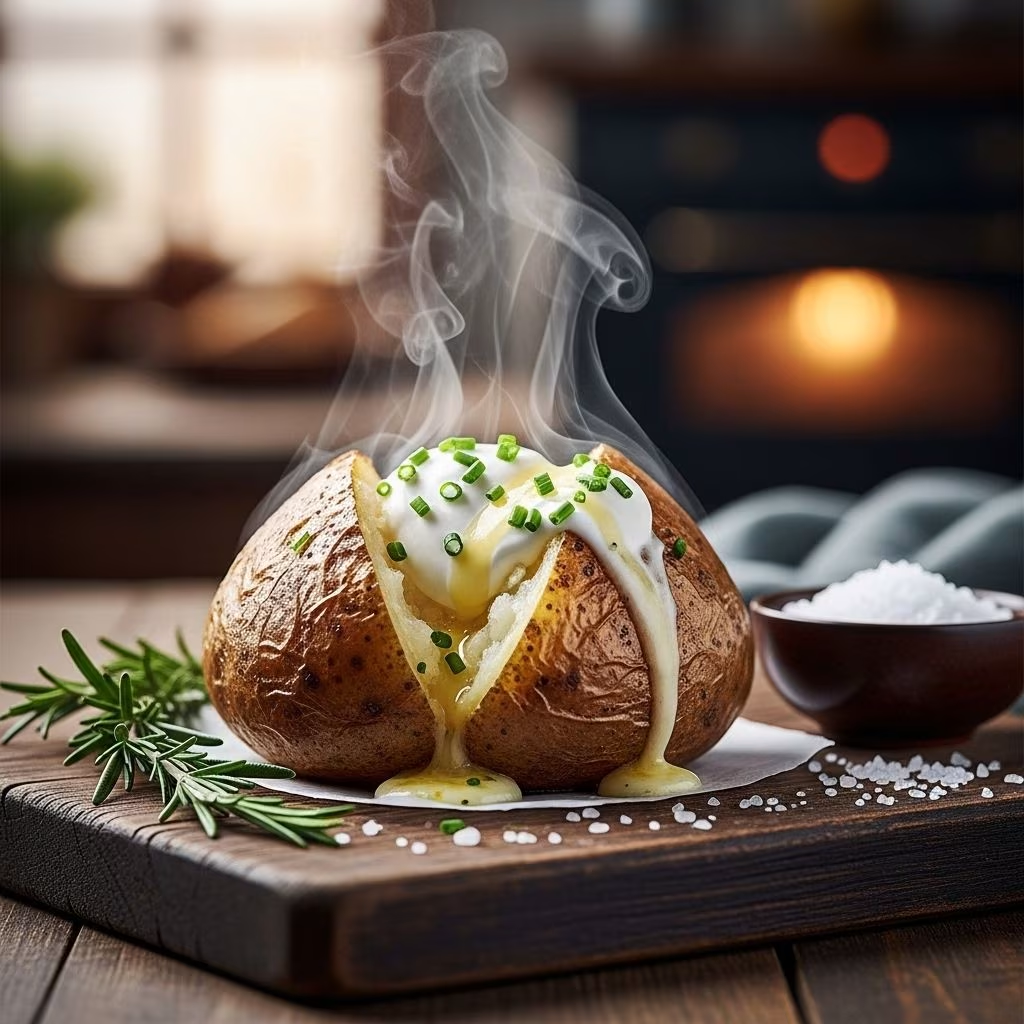
Baked potatoes are a classic comfort food, known for their irresistible combination of crispy skin and fluffy, tender inside. This guide will walk you through everything you need to know—from choosing the right potatoes and prepping them perfectly, to baking for optimal texture and getting creative with toppings. Whether you’re looking for a perfect side dish or a satisfying main, a well-baked potato can be dressed up or down to suit any meal.
Choosing the Right Potato
The key to a classic baked potato is to start with the right variety. Russet potatoes are the gold standard for baking:
- High-starch means an extra fluffy interior after baking.
- Thick, sturdy skin crisps beautifully in the oven.
- Large, elongated shape makes them easy to serve and fill.
Other varieties, like Yukon Gold or red potatoes, can be baked but won’t offer the same combination of texture and crispiness.
Ingredients for the Perfect Baked Potato
- Russet potatoes (as uniform in size as possible for even baking)
- Olive oil (for crisping the skin)
- Coarse salt—sea salt or kosher salt (to season and draw out surface moisture)
- Optional: Freshly ground black pepper
Step-by-Step: How to Bake a Potato
Follow these simple steps to achieve crispy-skinned, fluffy-centered baked potatoes every time:
- Preheat the oven to 425°F (220°C). Line a baking sheet with parchment paper to make cleanup easier.
- Scrub potatoes well under running water to remove dirt. Pat them completely dry with a clean towel—removing moisture is essential for crisp skin.
- Pierce each potato several times all over with a fork. This allows steam to escape and helps the interior cook evenly.
- Coat generously with olive oil. Drizzle or brush oil over each potato, then rub all around to evenly coat. Sprinkle liberally with salt (and pepper, if desired).
- Arrange potatoes directly on the prepared baking sheet, spacing them apart for even airflow and crisping.
- Bake for 45–60 minutes. The exact time will depend on the size of your potatoes. They’re ready when:
- The skin is crisp and sounds slightly hollow when tapped.
- A fork or skewer inserts easily through to the center.
- Remove potatoes from oven with oven mitts. Let cool for a few minutes before serving.
Should You Wrap Potatoes in Foil?
Resist the urge! Foil traps steam, leading to soft, chewy skins. For the crispiest skin, bake potatoes unwrapped directly on a baking sheet or oven rack.
How to Tell When Baked Potatoes Are Done
- Test for doneness by piercing with a fork or skewer: It should slide in with almost no resistance.
- The skin will look dry and crisp, and the potato will often puff up slightly.
- If in doubt, check the internal temperature: a perfectly baked potato registers around 210°F (99°C).
Serving Suggestions & Toppings
Baked potatoes are a delicious blank canvas for all manner of savory toppings. Here are some favorites—mix, match, and customize to suit your tastes:
- Classic: Butter, sour cream or Greek yogurt, chopped chives or green onions, sea salt, cracked black pepper
- Vegan: Cashew sour cream, coconut yogurt, vegan cheese, crumbled tempeh bacon, nutritional yeast
- Cheesy: Shredded cheddar, mozzarella, or pepper jack; finish under the broiler for extra melt
- Protein-packed: Black beans, chili, shredded chicken, or crumbled seitan
- Fresh & herby: Chopped parsley, cilantro, or dill
- Veggie-loaded: Steamed broccoli, sautéed mushrooms, diced tomatoes, or roasted peppers
Don’t forget a sprinkle of salt and pepper on top—seasoning is just as key after baking as before.
Tips for the Best Baked Potatoes
- Always use russet potatoes for true crispy skin and fluffy interior.
- Rub with olive oil and salt before baking for maximum flavor.
- Avoid foil unless you prefer a soft, steamed skin.
- Pierce potatoes so steam can vent and prevent bursting.
- If baking a large batch, make sure none are touching on the baking sheet to allow air to circulate.
- For ultra-crisp skin, bake directly on the oven rack (place a sheet on the rack below to catch any drips).
- If you like ultra-fluffy interiors, let baked potatoes rest for 5–10 minutes before slicing open and fluffing.
Make Ahead, Storage & Reheating
- Make ahead: Baked potatoes can be made 1–2 days in advance and stored, once cooled, in an airtight container in the refrigerator.
- To reheat:
- Oven: 325°F until heated through (best for reviving crisp skin).
- Air fryer: 325°F for a few minutes for extra crispiness.
- Microwave: Fastest, but skin will soften.
- For best results, add fresh toppings after reheating.
Common Questions About Baking Potatoes
| Question | Answer |
|---|---|
| Can I bake potatoes ahead of time? | Yes. Cool completely, store in an airtight container in the fridge for up to 2 days, then reheat before serving. |
| How do I keep the skin crisp when reheating? | Use the oven or air fryer to reheat so the skin re-crisps. Avoid the microwave for skin texture. |
| Should I poke holes in the potatoes? | Absolutely. Piercing the skins with a fork prevents steam build-up and potential bursting in the oven. |
| How do I get extra crispy potato skin? | Rub with olive oil and coarse salt before baking. Bake uncovered directly on the rack or a baking sheet. |
| Can I bake other types of potatoes? | You can, but russets are best for a classic texture and taste. |
Frequently Asked Questions (FAQs)
Q: How long does it take to bake a potato at 425°F?
A: Depending on size, 45–60 minutes is best for a 6–8 ounce russet potato. Larger potatoes may take slightly longer. Check for doneness at the 45-minute mark.
Q: Do I need to oil and salt the potatoes before baking?
A: Yes! Oiling helps the skin crisp and salt brings out the natural flavors. This simple step makes a huge difference in the final texture and taste.
Q: Can I bake potatoes at a lower temperature?
A: While you can bake at 350°F or 400°F, the skins will be softer and the cooking time longer. For best results, bake at 425°F for crispy skin and fluffy centers.
Q: What are some healthy toppings for baked potatoes?
- Greek yogurt instead of sour cream
- Steamed broccoli and a sprinkle of nutritional yeast
- Salsa and avocado
- Chopped herbs and a drizzle of olive oil
- Chickpeas or black beans for extra protein
Q: What’s the best way to serve a baked potato for a party or crowd?
A: Set up a baked potato bar with a variety of toppings—cheeses, cooked vegetables, chopped herbs, beans, salsas, and more. Guests can customize their potatoes to their liking!
Creative Baked Potato Variations
- Loaded Baked Potato: Top with sour cream, cheese, crumbled bacon or tempeh bacon, scallions, and a sprinkle of smoked paprika.
- Tex-Mex: Fill with black beans, corn, salsa, avocado, and chopped cilantro.
- Broccoli Cheddar: Stuff with steamed broccoli florets and cheddar cheese, then melt in a warm oven for a few minutes.
- Greek-style: Add hummus, diced cucumber, tomatoes, olives, and a sprinkle of feta or vegan feta.
- Pesto & Sautéed Mushrooms: Spread with basil pesto and top with garlicky mushrooms for an herby, savory option.
Baked Potato vs. Other Potato Dishes
| Dish | Texture | Preparation | Primary Use |
|---|---|---|---|
| Baked Potato | Crispy skin, fluffy inside | Whole, oil and salt, baked | Side or main (with toppings) |
| Potato Wedges | Crispy exterior, soft inside | Cut into wedges, seasoned, baked | Appetizer or side |
| Hasselback Potatoes | Crispy slices, tender center | Thinly sliced, filled with herbs/oil, roasted | Elegant side, special occasions |
| Breakfast Potatoes | Crusty, flavorful | Diced, tossed with spices, baked/roasted | Breakfast or brunch |
Nutrition Information
A plain baked potato is a wholesome, balanced choice. One medium russet potato (about 6–8 ounces) contains:
- ~160 calories
- 0g fat
- 37g carbohydrates
- 4g protein
- 5g fiber
- Good source of Vitamin C, potassium, and B6
Nutrition will vary depending on the toppings added; for a lighter meal, use Greek yogurt, fresh veggies, and herbs.
Final Thoughts
With a few simple steps and the right technique, anyone can master the art of the perfect baked potato. Whether you keep it classic or pile on creative toppings, this versatile recipe is sure to be a hit for family dinners, casual get-togethers, and cozy solo nights alike.