How to Cook Artichokes
Artichokes may look intimidating, but once you know the simple techniques for preparing and cooking them, they become a delicious and healthy addition to your meals. This guide covers the essential steps: selecting the freshest artichokes, trimming and prepping them for steam cooking, practical advice for removing the choke, and creative serving suggestions, so you can enjoy this springtime vegetable at its best.
What Are Artichokes?
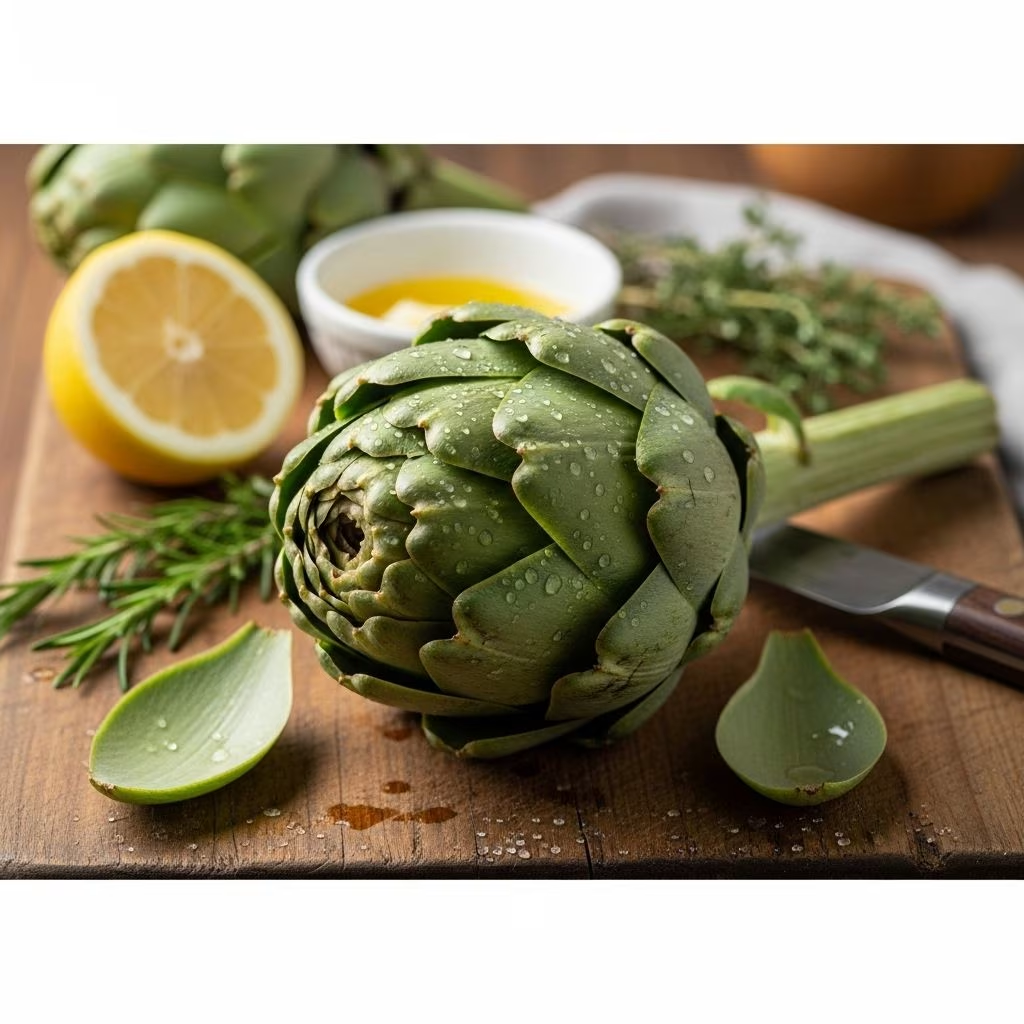
Artichokes are the edible flower buds of a form of thistle, typically available in spring and early summer. The globe artichoke is most common, prized for its meaty leaves, tender heart, and mild flavor. Most recipes focus on cooking mature globe artichokes, although baby artichokes are also enjoyed for their tender texture and edible chokes.
How to Select Fresh Artichokes
- Look for tightly packed leaves: Artichokes should have firm, compact leaves with minimal spreading.
- Color: Choose artichokes that are deep green or slightly purple, without significant brown spots.
- Weight: Heavier artichokes usually have more moisture, indicating freshness.
- Squeak Test: Gently squeeze the artichoke; fresh leaves may squeak slightly against each other.
Tools You’ll Need
- Stainless steel knife (to reduce discoloration)
- Vegetable peeler
- Kitchen shears
- Cutting board
- Steamer basket
- Large pot with lid
- Lemon
Step-by-Step: Preparing Artichokes
Proper preparation is crucial for delicious, tender artichokes. Follow these steps to trim and clean artichokes for steaming:
- Prepare the stem:
- Snap or cut away any smaller leaves from the stem base.
- Peel off the tough, woody outer layer with a vegetable peeler.
- Trim the end of the stem and gently score the cut end with an ‘X’ for better cooking.
- Rub the stem with the cut side of a lemon segment to prevent browning.
- Trim the artichoke bud:
- Cut off the top 1/4 of the artichoke (about 1/2–1 inch).
- Rub the cut top and leaves with lemon to limit oxidation.
- Use kitchen shears to snip the pointy tips of remaining leaves.
- Rinse:
- Spread the leaves open gently and rinse under cold water, getting water in between the leaves to remove any dirt.
How to Steam Artichokes
Steaming is one of the easiest, healthiest, and most reliable ways to cook artichokes, preserving their flavor and texture while softening the leaves and heart.
Steaming Instructions
- Add one inch of cold water to a large pot. Squeeze in the juice of your prepped lemon, and drop the spent lemon segments into the water as well.
- Place a steamer basket inside the pot and set the trimmed artichoke upright within the basket.
- Bring to a boil over high heat. Reduce heat to a simmer, cover the pot, and steam for 35 to 45 minutes, depending on the size of the artichoke.
- Check for doneness: The artichoke stem should be fork-tender, and the outer leaves should easily peel away.
| Artichoke Size | Estimated Steam Time |
|---|---|
| Small (baby) | 20–30 min |
| Medium | 35–40 min |
| Large | 45–55 min |
Tip:
Monitor the water level throughout cooking. Add more hot water if it begins to dry out, but do not allow the water to overflow the steamer basket.
Removing the Choke
Unless you’re working with baby artichokes (whose chokes are typically edible), you must remove the fuzzy interior called the “choke” before eating.
- When artichokes have cooled slightly, cut each in half lengthwise.
- With a small spoon, scoop out the hairy choke, located between the cup-shaped heart and the tender inner leaves.
- Discard the choke. The heart, stem, and tender leaves are all edible.
Eating Artichokes
Artichokes are often served with a variety of sauces for dipping. To eat, pull off a leaf, dip it in sauce, and use your teeth to scrape away the soft “meat.” Discard the fibrous outer portion of each leaf. After eating the leaves, enjoy the entire artichoke heart and peeled stem—they are the most flavorful parts.
Serving Suggestions & Dipping Sauces
Steamed artichokes are delicious hot or at room temperature. Serve them as a starter, snack, or side dish.
Popular Dipping Sauces
- Melted butter
- Garlic aioli
- Lemon vinaigrette
- Herbed yogurt dip
- Balsamic reduction
Alternative Cooking Methods
While steaming is the most common method, artichokes can also be boiled, roasted, or grilled for different flavor profiles.
Boiling
- Prepare trimmed artichokes as above.
- Fill a pot half full with water. Add lemon slices, one garlic clove, a pinch of salt, and a tablespoon of olive oil.
- Bring water to a boil, add artichokes, cover and reduce heat to low.
- Boil for 20–35 minutes or until leaves easily pull away and hearts are fork-tender.
Roasting
- Preheat oven to 400°F (205°C).
- Halve cleaned artichokes lengthwise and remove the choke.
- Rub cut sides with lemon, drizzle with olive oil, season with salt and pepper, and place peeled garlic into the cavity.
- Arrange cut side down on a tray, cover with foil, and roast 35–40 minutes.
Grilling
- Steam artichoke halves until just tender.
- Brush with olive oil and grill cut side down over medium heat for 4–5 minutes until charred.
Troubleshooting & Tips
- Discoloration: Use lemon and a stainless steel knife to minimize browning during prep.
- Tough Leaves: If outer leaves are unusually fibrous, remove a few more before cooking.
- Undercooked Artichoke: If leaves resist being pulled, steam/boil for an additional 5–10 minutes.
- Choke Removal: Use a gentle scraping motion to preserve tender heart while removing the fuzzy choke.
Artichokes FAQ
Q: How do you know when an artichoke is cooked?
A: The stem will be fork-tender and outer leaves will easily peel away. Cooking times vary with size.
Q: Can you eat the choke?
A: The choke is not edible in mature artichokes, but is tender and edible in baby artichokes.
Q: What part of the artichoke is edible?
A: The fleshy part at the base of each leaf, the heart, and the peeled stem.
Q: How do you prevent artichokes from turning brown?
A: Always rub cut edges with lemon and cook artichokes soon after prepping.
Q: Can you store cooked artichoke leftovers?
A: Yes! Store cooled artichokes in an airtight container in the fridge for up to 3 days. Reheat by steaming or eat cold.
Quick Reference: Artichoke Cooking Chart
| Method | Timing | Prep | Best For |
|---|---|---|---|
| Steaming | 35–45 min | Trim, lemon, rinse | Classic soft, tender leaves |
| Boiling | 20–35 min | Trim, lemon, rinse | Quick, easy for sides |
| Roasting | 35–40 min at 400°F | Halve, remove choke, season | Rich, caramelized flavor |
| Grilling | 4–5 min after steaming | Halve, steam, oil | Smoky charred notes |
Creative Ways to Enjoy Artichokes
- Serve hot or chilled with multiple dipping sauces for a party platter.
- Add artichoke hearts to salads, pastas, or grain bowls.
- Pair with grilled fish, chicken, or lamb for Mediterranean flair.
- Puree steamed hearts into soups or dips.
Nutritional Benefits of Artichokes
Artichokes are low in calories, rich in antioxidants, and a good source of dietary fiber, vitamin C, folate, and magnesium. Their natural compounds have potential digestive and liver-protective properties, making them a smart, flavorful choice for any healthy diet.
Summary
Once you’ve learned the step-by-step process for preparing, steaming, and serving artichokes, you can add this nutritious, gourmet vegetable to your regular home cooking repertoire. Try experimenting with different dipping sauces and serving styles to discover your favorite ways to enjoy artichokes at home.