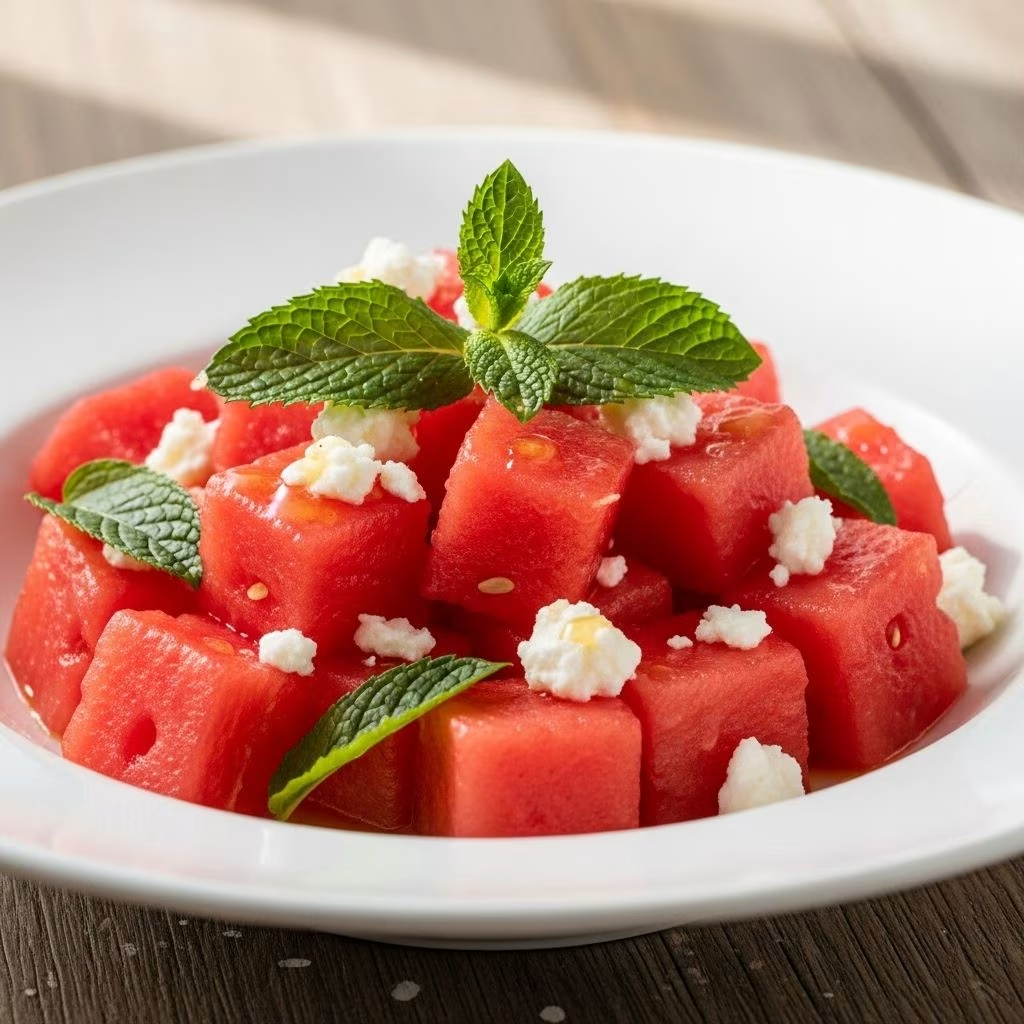
The Ultimate Trick to Perfect Watermelon Salads
Few things evoke summer as vividly as a fresh watermelon salad. But all too often, beautifully prepped cubes end up languishing in a sad puddle of pink juice, transforming vibrant salads into wilted, soggy disappointments by the time they’re served. Fortunately, there is a simple and science-backed trick that ensures your watermelon stays crisp, flavorful, and ready to impress at any gathering.
Why Watermelon Salads Get Soggy
Watermelon’s high water content is both its blessing and its curse. When cubed and tossed with salty cheese, fresh herbs, or sharp vinaigrettes, watermelon rapidly releases its juice. Before you know it, feta is swimming, herbs are wilting, and your salad has turned into a watery soup. The culprit is osmotic pressure—a natural process that draws water out of the watermelon’s cells, especially when other ingredients are added.
- High water content: Watermelon is over 90% water, so it’s prone to weeping liquid when cut.
- Mixing with salt or acidic ingredients accelerates the release of this juice.
- This results in limp, diluted salads and wasted flavor potential.
The Science-Backed Prep Trick: Maceration with Sugar
The solution to soggy watermelon salads is a simple yet ingenious technique: macerate the watermelon with a small amount of sugar before serving. Here’s how it works and why it’s so effective.
What is Maceration?
Maceration involves tossing fruit with sugar to draw out some of its liquid and intensify flavors. The process works thanks to osmotic pressure, a principle exploited for centuries in preserving and flavoring fruits. For watermelon, maceration tempers the release of juice, firms up the fruit, and helps concentrate the natural sweetness—all without making it cloying.
Step-by-Step: How to Macerate Watermelon for Salad
This technique is effortless and requires only basic kitchen equipment:
- 1. Cube your watermelon and place it in a large bowl.
- 2. Add sugar: Sprinkle 1 teaspoon of sugar per 4 cups of diced watermelon. If your watermelon isn’t very sweet, use up to 2 teaspoons.
- 3. Toss gently to coat the cubes evenly in sugar.
- 4. Drain: Transfer the sugared watermelon to a colander set over a bowl to catch the liquid.
- 5. Chill: Cover and refrigerate for about 30 minutes.
After half an hour, you’ll find a pool of beautiful pink juice in the bowl and perfectly crisp, sweet, and brightly flavored watermelon cubes ready for your salad.
Why Sugar, Not Salt?
| Salt | Sugar |
|---|---|
| Acts quickly, draws out lots of water | Draws water more gently and slowly |
| Can make fruit rubbery or mealy if overused | Concentrates flavor without damaging texture |
| Alters fruit structure significantly | Preserves fruit’s bite and juiciness |
| Better for vegetables (cucumbers, eggplant) | Ideal for delicate fruits like watermelon |
The Science: Osmosis and Watermelon
When sugar is sprinkled on watermelon, it creates a difference in solute concentration outside the fruit’s cells. Water naturally moves from areas of low solute concentration (the inside of the fruit) to high concentration (the sugared surface). This process, called osmosis, gently draws excess water out of the cubes, concentrating their flavor and improving their texture while avoiding the harsh effects of salting.
- Salt acts rapidly, often over-drawing water and leaving fruit lifeless.
- Sugar is a larger, less aggressive molecule that works slowly for better results in delicate produce.
- End result: Watermelon that’s both firm and bursting with intensified, natural sweetness.
When to Use the Maceration Trick
This simple step isn’t just for watermelon-feta-mint salads. Use it any time you want to ensure crisp, non-soggy watermelon cubes, including:
- Classic watermelon-mint-feta salads
- Tomato and watermelon combinations
- Salads with grilled halloumi and watermelon
- Picnic-prepped watermelon for snacking
- Bulk meal prep for summer gatherings
If you’re prepping watermelon salad ahead of time or know it will sit out at a potluck or picnic, this extra step makes all the difference. Your watermelon will retain its texture and flavor for hours.
Creative Uses for the Reserved Watermelon Juice
Don’t discard the flavorful watermelon juice that collects in the bowl! It’s incredibly versatile:
- Drink it as a refreshing shot or over ice
- Add to cocktails: Makes a delicious addition to margaritas or mojitos
- Mix into lemonade or sparkling water for a fruity twist
- Use as a base for homemade vinaigrettes
- Blend into smoothies for added hydration and sweetness
Expert Tips for Better Watermelon Salads
- Select ripe, firm watermelon for best results; underripe fruit can taste thin even after maceration, and overripe melon may collapse.
- Adjust sugar to taste: Use a little more for bland fruit, less or none for peak-season sweetness.
- Don’t rush the process: Give the cubes the full 30 minutes to work their magic.
- Pat cubes dry with a paper towel before mixing into your salad if you want ultra-crisp results.
- Macerate only as much watermelon as you need for the next day or so, as prepped cubes are at their peak just after chilling.
Perfect Watermelon Salad Combos
| Combo | Why It Works |
|---|---|
| Watermelon, Feta, Mint | Sweet, salty, and herbal—classic balance |
| Watermelon, Tomato, Basil | Juicy, savory-sweet summer flavors with acidity |
| Watermelon, Grilled Halloumi, Cucumber | Salty cheese and smoky notes balance fruit |
| Watermelon, Lime Zest, Tajín | Zingy citrus and spice highlight watermelon’s sweetness |
| Watermelon, Avocado, Jalapeño | Creamy, spicy, and cooling—great for hot days |
Frequently Asked Questions (FAQs)
Q: Can I use salt instead of sugar to prep watermelon for salads?
A: While salt is great for prepping crunchy vegetables, it can pull out too much moisture from watermelon, resulting in a mealy or rubbery texture. Sugar draws water more gently and helps preserve the fruit’s crispness and flavor.
Q: How far in advance can I macerate watermelon for a salad?
A: Watermelon is best macerated up to a day ahead of serving. After 24 hours, the cubes may begin to lose optimal texture, so plan to prep the day of or the night before your event.
Q: Can I use this technique for other fruits?
A: Absolutely. Maceration works well with strawberries, peaches, and other high-water-content fruits for desserts and fruit salads. Adjust the sugar based on the fruit’s natural sweetness.
Q: What if my watermelon is already very sweet?
A: Reduce the amount of sugar, or skip it altogether and simply drain the cubes in a colander for 30 minutes. The osmosis will still help reduce excess moisture.
Q: What should I do with the leftover watermelon juice?
A: Enjoy it straight, use it in drinks and cocktails, incorporate it into dressings, or freeze it for summer ice cubes!
Common Pitfalls and How to Avoid Them
- Using too much sugar: Can make the salad taste like dessert instead of a savory dish. Start with 1 teaspoon per 4 cups and adjust as needed.
- Skipping the chill: The resting time is crucial—don’t rush or you’ll miss the texture transformation.
- Adding other ingredients before draining: Always mix in feta, herbs, or dressings after the watermelon has been drained and patted dry for best results.
Pro Tips for Potlucks and Meal Prep
- For large gatherings, macerate watermelon the morning of your event and store the prepared cubes covered in the fridge.
- Keep herbs and cheeses separate until just before serving to maintain freshness.
- Bring a thermos or bottle of the collected watermelon juice as a host gift—it’s always a hit!
In Summary: Crisp, Vibrant Watermelon Salads Start Here
Ditch soggy, diluted watermelon salads forever. With this easy maceration trick, you harness culinary science for foolproof, crowd-pleasing salads that stand up at the table. Keep your cubes crisp, your flavors focused, and your summer meals bright and refreshing—every time.