Homemade Peanut Butter: Simple, Creamy & Incredibly Delicious
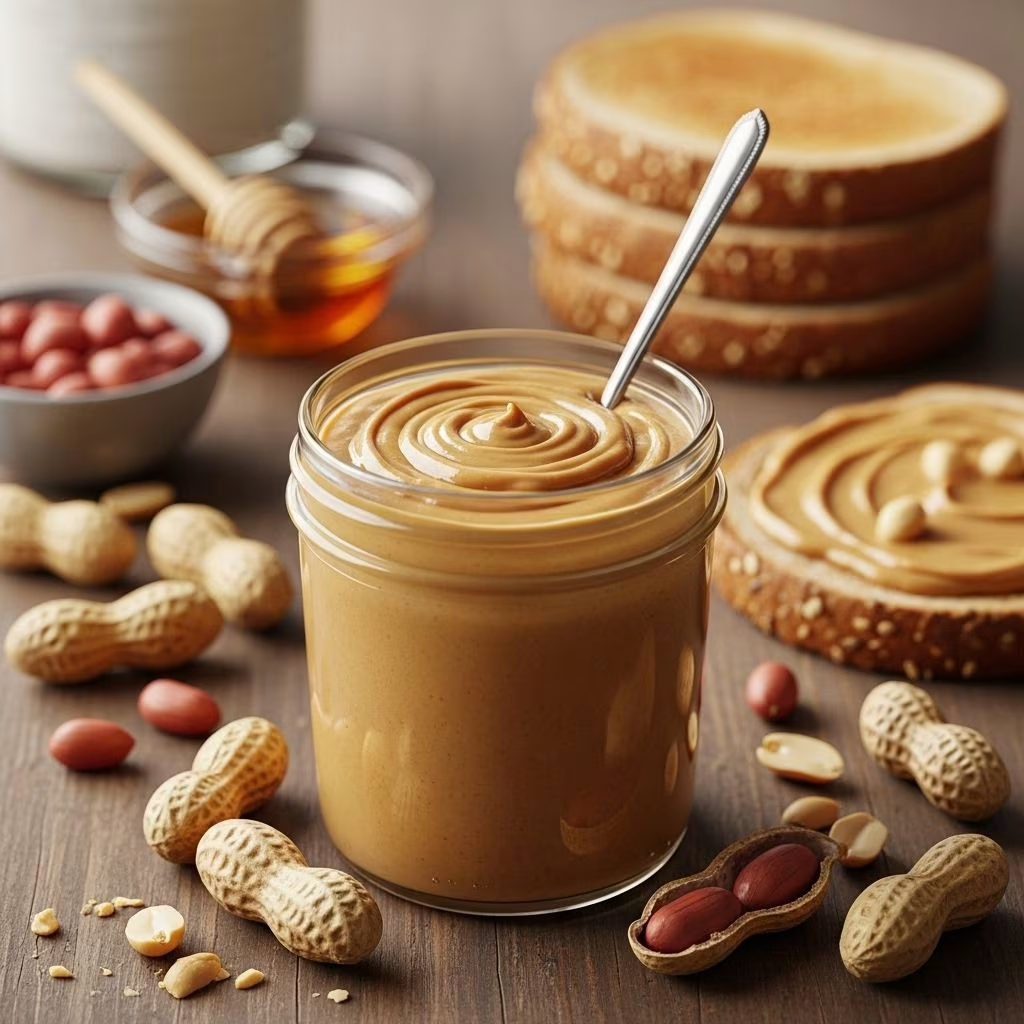
If you’ve ever wondered how to make homemade peanut butter that rivals (or surpasses) your favorite store-bought brands, you’re in for a treat. This easy peanut butter recipe uses just one or two ingredients, comes together in under 10 minutes, and delivers a rich, creamy spread bursting with nutty flavor. Perfect for beginners or seasoned home cooks, making peanut butter from scratch is a fun and rewarding kitchen project you’ll want to repeat again and again.
Learn how to transform dry roasted peanuts into luscious homemade peanut butter, plus discover expert tips, creative ways to use your peanut butter, storage advice, and answers to frequently asked questions.
Why Make Peanut Butter at Home?
- Unmatched freshness: Homemade peanut butter offers a bold, pure peanut flavor and a glossy, creamy texture that can’t be matched by most commercial brands.
- Simplicity: You control the ingredients—no added oils, stabilizers, or sweeteners unless you want them.
- Customizable: Adjust the salt, sweetness, and consistency to fit your taste perfectly.
- Fun and quick: The process takes less than 10 minutes and is satisfying to watch as whole peanuts turn into smooth nut butter.
Ingredients
| Ingredient | Amount | Notes |
|---|---|---|
| Dry roasted peanuts | 3 cups | Salted or unsalted (if unsalted, add salt to taste) |
| Sea salt | To taste | Optional; only if using unsalted peanuts |
Essential Equipment
- Food Processor: A sturdy food processor is required, ideally 7-cup capacity or larger. For bigger processors, increase peanut quantity for optimal blending.
- Spatula: For scraping down the sides and folding in any mix-ins if desired.
- Glass Jar or Airtight Container: For storing your peanut butter.
Recipe Tips for Perfect Peanut Butter
- Patience is key: Homemade peanut butter takes nearly 10 minutes in the food processor. The nuts will pass through several stages: crumbs, chunky bits, forming a ball, and finally a smooth, creamy butter.
- Rest the motor: To protect your food processor, pause every 30–60 seconds. Scrape the bowl and let the motor cool—it’ll keep your machine healthy and help the mixture process evenly.
- Ingredient ratio: Use enough peanuts to cover the blade completely. Three cups works for a 7-cup processor; larger ones may need more.
- Add-ins are optional: Basic peanut butter needs only peanuts and salt. For sweetness, add a tablespoon or two of honey (after blending), or try a pinch of cinnamon for warmth.
- No oil needed: Resist the urge to add oil. Peanuts naturally release their own oils, resulting in a creamy spread without extra fat.
- Texture: For chunky peanut butter, set aside a few tablespoons of chopped peanuts early, blend the rest smooth, then stir the reserved pieces in at the end.
Step-by-Step Guide: How to Make Peanut Butter
- Process the peanuts: Add peanuts to the bowl of your food processor. Pulse until the peanuts break down into a crumbly texture.
- Blend longer: Continue processing, pausing to scrape the sides. In a few minutes, the mixture forms a thick, shaggy ball.
- Finish blending: Keep processing beyond the ball stage (a few more minutes). Soon, the ball collapses and the oils release, turning the mixture rich, oozy, and creamy.
- Add salt (and honey): If using unsalted peanuts, blend in sea salt to taste. For sweetness, stir in honey or other mix-ins after blending.
- Store: Spoon your peanut butter into a clean glass jar or airtight container. Enjoy immediately, or refrigerate for longer shelf life.
Visual Peanut Butter Transformation
- Crumbs: Peanuts break into small bits quickly but aren’t spreadable.
- Chunky: Bits become larger and slightly sticky.
- Ball: Mixture forms a stiff mass—it might look done, but keep going!
- Creamy: Eventually the ball collapses; the mixture smooths and glistens as oils release, becoming oozy and pourable.
Common Questions About Homemade Peanut Butter
Does homemade peanut butter solidify when cold?
Yes, homemade peanut butter thickens as it cools, especially if refrigerated. Its texture may be looser at room temperature but firms up in the fridge, making it perfect for spreading.
Should homemade peanut butter be refrigerated?
Homemade peanut butter lasts longer when stored in the refrigerator (up to 1 month). However, you can keep it at room temperature for a week or so, ideally in an airtight container. For maximum freshness and food safety, refrigerate.
Can I use other nuts?
Absolutely! Substitute peanuts with almonds, cashews, or mixed nuts. The same process applies. Different nuts may need slightly more or less time to turn creamy.
How can I make chunky peanut butter?
Process peanuts until chunky, remove a few tablespoons, then blend the remainder smooth. Stir the reserved chunky bits back in for classic crunch.
Can I add flavors?
Yes! Customize with honey, maple syrup, cinnamon, vanilla, or cacao nibs for delicious twists.
How to Use Homemade Peanut Butter
There’s no end to the delicious ways you can enjoy your homemade peanut butter. Here are some creative ideas:
- Spread on bread: Slather thickly on crusty toast or sandwiches for unbeatable flavor.
- Oatmeal topper: Drizzle over oatmeal, overnight oats, or granola bowls.
- Energy bites and bars: Use as a binder in homemade granola bars, bliss balls, or protein bites.
- Peanut sauces: Whisk into tangy peanut sauce for noodles, spring rolls, or salad dressings.
- Baked goods: Bake into cookies, muffins, and brownies. Homemade peanut butter shines in no-bake treats and dessert bars.
- Smoothies: Blend into your favorite shakes for a creamy protein boost.
- Snacking: Enjoy straight off the spoon!
Expert Tips for Storing Homemade Peanut Butter
- Room temperature: Keeps up to 1 week in a cool, dry spot. Use a clean jar with a tight-fitting lid.
- Refrigeration: Extends shelf life up to 1 month; texture becomes firmer.
- Mix before serving: Natural oils may separate—stir gently before every use.
Peanut Butter Variations
| Variation | How to Make | Flavor Profile |
|---|---|---|
| Chunky | Stir in chopped peanuts after blending smooth | Crunchy, hearty texture |
| Honey Roasted | Blend in 1–2 tbsp honey after processing | Sweet, floral notes |
| Chocolate Peanut Butter | Mix in cacao powder or chocolate chips at the end | Rich, dessert-like spread |
| Cinnamon Spice | Add ¼ tsp ground cinnamon (and nutmeg if desired) | Warm, aromatic undertones |
Comparing Homemade vs. Store-Bought Peanut Butter
| Aspect | Homemade | Store-Bought |
|---|---|---|
| Ingredients | Peanuts, salt (optional) | Peanuts, sugar, oils, stabilizers, preservatives |
| Flavor | Fresh, robust peanut taste | Varies, often milder |
| Texture | Creamy, oozy, customizable | Standardized (may be thickened, stabilized) |
| Shelf Life | 1 month (refrigerated) | 3–12 months (unopened) |
More Homemade Basics to Try
If you enjoyed making peanut butter, try these other simple kitchen staples:
- Homemade almond butter: Creamy and rich for baking or snacking.
- DIY hummus: Blend chickpeas, tahini, lemon, and garlic for a perfect dip.
- Nutty granola bars: Combine oats, nuts, dried fruit, and honey for wholesome energy bars.
- Easy peanut sauce: Mix peanut butter with soy sauce, vinegar, and ginger for a savory dressing.
Frequently Asked Questions (FAQs)
Q: How long will homemade peanut butter last?
A: Homemade peanut butter lasts up to 1 month if stored in the refrigerator. At room temperature, keep it for a week in a sealed container.
Q: Can I freeze homemade peanut butter?
A: Yes! Freeze in a tightly sealed jar. Thaw overnight in the fridge and stir before use, although texture may change slightly.
Q: My peanut butter is too stiff—what can I do?
A: If it’s too firm, let it sit at room temperature before serving. For a drizzle-able texture, blend in a small amount of neutral oil (like avocado or peanut oil), but only after fully blending the peanuts.
Q: Are there allergy-friendly alternatives?
A: Swap peanuts for sunflower seeds or roasted chickpeas to make allergy-friendly “butters.” Procedure is the same, but flavor will differ.
Q: How do I prevent oil separation?
A: Natural peanut butter doesn’t include stabilizers, so separation is normal. Stir before serving. Refrigeration slows separation.
Final Thoughts: Why You’ll Love Homemade Peanut Butter
Homemade peanut butter is a game-changer—fresh, versatile, and incredibly easy to make. Its robust flavor and velvety texture offer endless uses, letting you enjoy a wholesome spread in breakfasts, snacks, and desserts. Whether you’re craving a spoonful on its own, swirling it into smoothies, or adding it to baked goods, your kitchen will never lack excitement and flavor. Give it a try and share your favorite uses!