How to Make Quince Paste (Membrillo) at Home
Quince paste, or membrillo, is a glossy, amber-hued preserve made from the aromatic quince fruit. Famed throughout Spain and other Mediterranean cuisines, membrillo is most commonly paired with Manchego cheese, though its complex, floral sweetness makes it a showstopper on any cheese board, in pastries, or simply savored on its own. Making quince paste from scratch is an old-world ritual that combines culinary science, patience, and a touch of artistry.
What Is Quince Paste (Membrillo)?
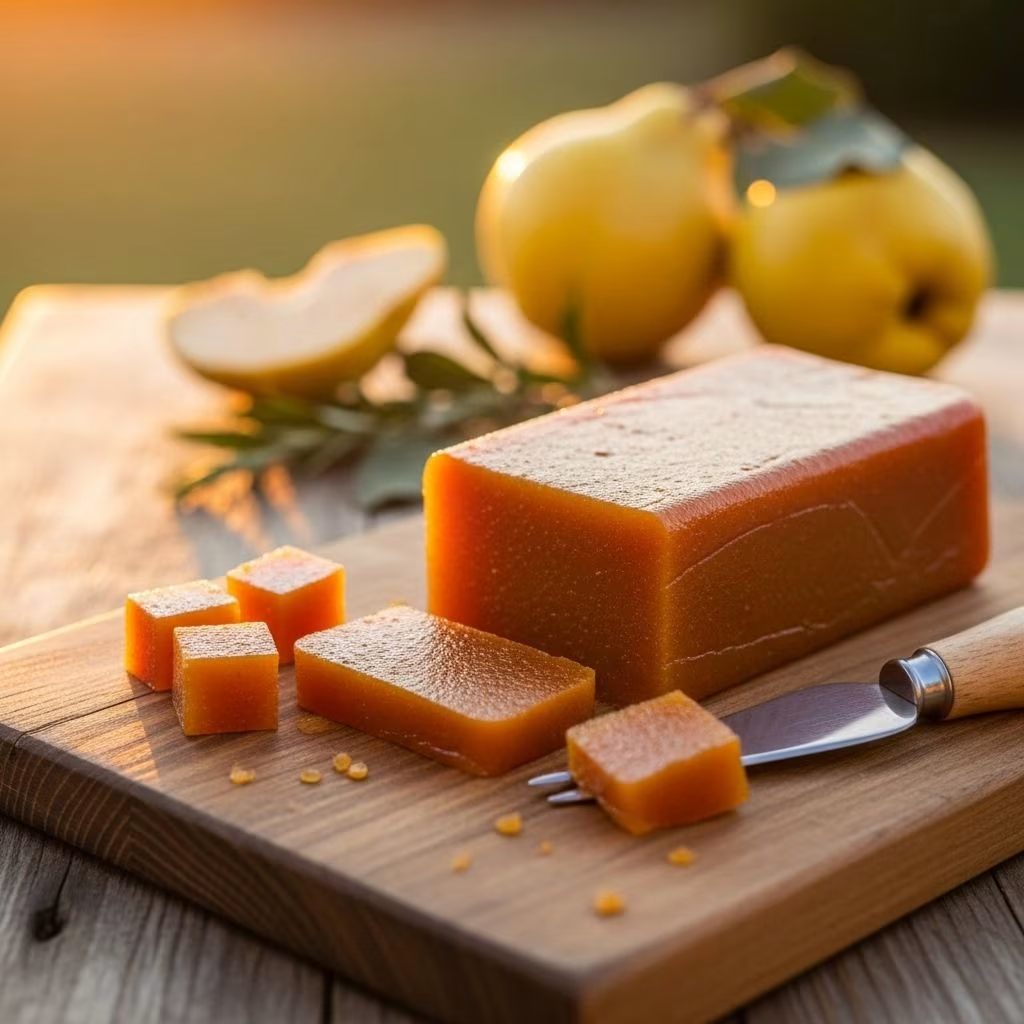
Quince paste—known as membrillo in Spanish—originates from Spain but is celebrated across the world wherever quinces are in season. It is a thick, sliceable jelly with a deep, amber color and a honeyed, floral flavor. Unlike jam, membrillo has a firmer, more elastic texture that makes it perfect for slicing, dicing, or spreading. Its high pectin content allows it to set robustly, and its natural acidity beautifully balances its sweetness.
- Traditionally served with Spanish cheeses, especially Manchego.
- Can be enjoyed as candy by rolling in sugar.
- It is sometimes called quince cheese in English cookbooks.
Why Make Quince Paste at Home?
Homemade quince paste’s fragrance and flavor far outshine most store-bought versions. The process allows you to control its sweetness, tartness, and texture. As quinces have an intense floral note and a natural graininess, fresh membrillo will truly let the fruit’s distinctive qualities shine.
- Unique flavor: Floral, spicy, and complex.
- Customizable set: Cook softer for a tender, spreadable paste—or firmer for slicing.
- No additives: Free from stabilizers and excessive sugars found in commercial products.
Ingredients for Quince Paste
Membrillo is made with minimal but essential ingredients to coax the quince’s flavors and create its singular texture:
- Quinces: Select firm quinces with the characteristic yellow fuzz; less ripe quinces are higher in pectin and set more firmly.
- Sugar: White granulated sugar is preferred; traditional recipes often use a 1:1 weight ratio with quince pulp.
- Lemon juice: Adds bright acidity and helps with pectin setting and flavor balance.
- Water: Used to simmer the quinces until tender; save for blending as it is rich in natural pectin.
| Ingredient | Purpose |
|---|---|
| Quince fruit | Provides base flavor, color, texture |
| Sugar | Sweetness, preservation, structure |
| Lemon juice | Acidity, pectin activation, balance |
| Water | Cooking medium, pectin extraction |
Step-By-Step Guide: Making Quince Paste from Scratch
1. Preparing the Quinces
- Wash quince fruit thoroughly to remove fuzz.
- Peel, core, and chop into small chunks.
- Keep peels and cores (pack them in cheesecloth and cook with the flesh) for extra pectin.
2. Cooking the Fruit
- Combine chopped quinces, lemon juice, and water in a large saucepan.
- Cook over medium heat until the fruit is very soft (about 30–40 minutes).
- Discard the cheesecloth bundle of peels and cores.
3. Pureeing and Weighing
- Purée softened quinces with some of their cooking liquid using an immersion blender or food processor to a smooth consistency.
- Weigh the quince purée to determine the amount of sugar to add (typically equal weight by volume).
4. Cooking with Sugar
- Return the purée to the cleaned saucepan and add sugar (in a 1:1 ratio, or slightly less for a less sweet, more tart paste).
- Cook over low or medium-low heat, stirring frequently to prevent scorching.
- As the mixture thickens, stir constantly—being vigilant as it gets sticky and may splatter.
- Continue until the paste is very thick, glossy, and holds its shape (often 1–2 hours for large batches).
5. Setting the Paste
- Line a pan or small tray with parchment paper and pour in the hot paste, smoothing the top.
- Let cool to room temperature, then cover and refrigerate for several hours or overnight until fully set.
- For a firmer paste, leave uncovered in a warm, dry place for additional drying before slicing.
Tips and Troubleshooting
- Watch your pan: As the paste thickens, it’s prone to burning. Use a heavy-bottomed saucepan and stir frequently.
- Monitor set: Membrillo becomes firmer as it cools; for a spreadable paste, reduce the cooking time.
- Adjust sugar: Reducing sugar will yield a tartier, softer set paste, but it may not keep as long.
- Preserving pectin: Avoid discarding the cooking water—it contains valuable pectin for setting.
How to Store Homemade Quince Paste
- Wrap paste tightly in parchment or plastic wrap.
- Refrigerate in an airtight container for up to 3 months.
- For longer storage, membrillo freezes well; thaw overnight in the fridge before use.
Serving Suggestions
- With cheese: Classic with Manchego, blue, aged gouda, or goat cheeses.
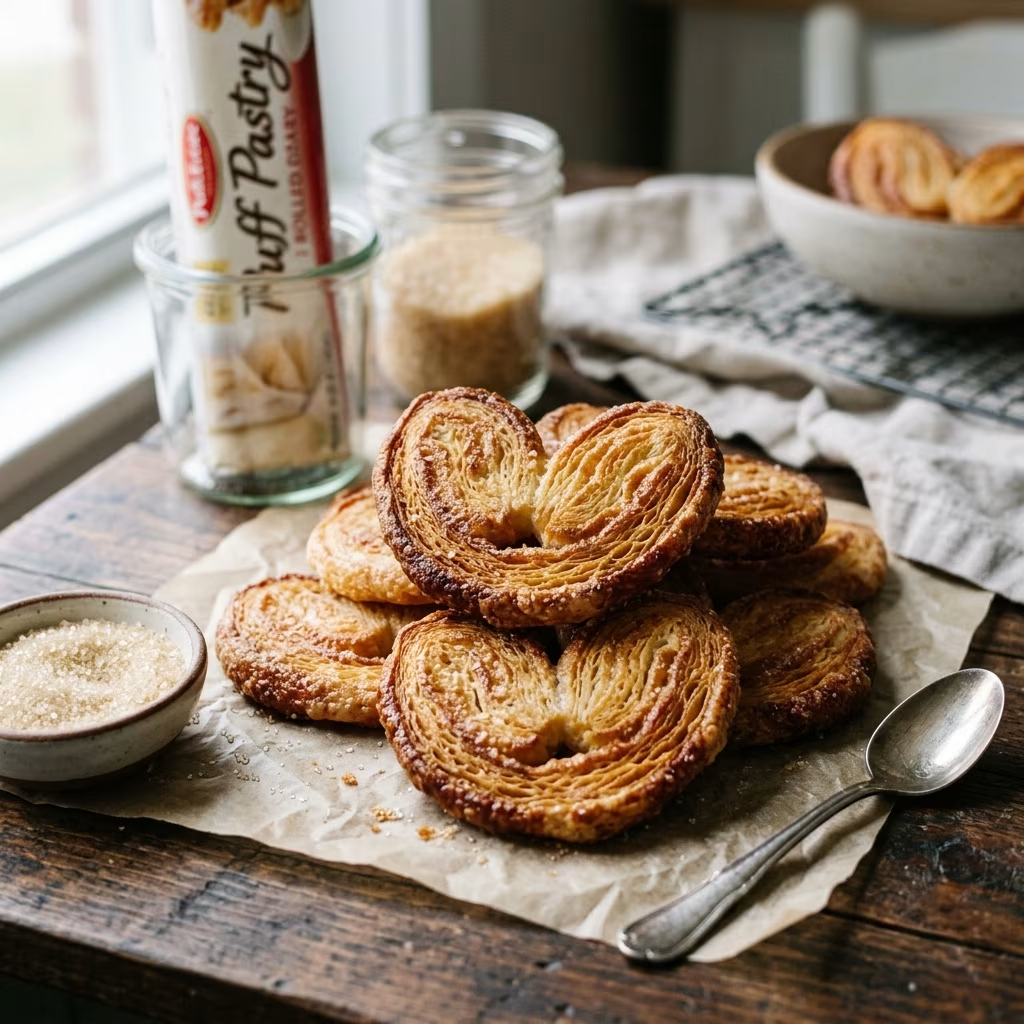
- In pastries: Use like guava paste—add to turnovers, puff pastry, or tarts.
- As a spread: Layer on toast with butter or honey.
- As candy: Cube and roll in sugar for a fruity confection.
| Serving Suggestion | Description |
|---|---|
| Manchego Pairing | Classic Spanish cheese pairing; sweet and nutty contrast |
| Pastries | Fill turnovers or bake into croissants for floral-sweet accents |
| Breakfast Spread | Spoon onto toast, or pair with butter and honey |
| Sugar-Coated Candy | Cube, toss with sugar, and serve as chewy sweets |
Alternate Styles and Creative Variations
- Reduced sugar: For a less sweet, more tart membrillo, use 75% sugar to quince purée by weight.
- Spiced: Add vanilla, cinnamon, or star anise to the poaching liquid for a subtle aromatic note.
- Apple or pear addition: Blend in apples or pears for flavor complexity and an even smoother texture.
Nutrition and Health Info
While quince paste is a delight, it is largely sugar-based, which means it is best enjoyed in moderation. The quince fruit itself is rich in vitamin C, fiber, and pectin, supporting digestive health. However, the high sugar content means membrillo is an occasional treat within a balanced diet.
FAQs About Quince Paste (Membrillo)
Q: Can I freeze membrillo?
A: Yes, quince paste freezes very well. Wrap tightly to protect from freezer burn, then thaw in the refrigerator. Its texture stays sliceable even after freezing.
Q: Is it possible to make quince paste with less sugar?
A: You can, but note that less sugar means a softer set and shorter shelf life. Consider refrigerating and consuming within a month if using reduced sugar.
Q: Can I use a slow cooker or pressure cooker?
A: The bulk of the process can be done in a slow cooker, but to achieve the glossy, thick finish, the paste must be reduced over direct heat, with frequent stirring, especially at the end.
Q: How do I know when the paste is done?
A: The paste is ready when it is a deep reddish-amber, pulls away from the sides of the pan as you stir, and holds a shape when spooned onto a plate. It will further firm up as it cools.
Q: What should I do if my quince paste won’t set?
A: Return it to the pot and cook longer, stirring more frequently. The higher the pectin and acidity (lemon juice), the easier it should set. Using less ripe quinces, which are higher in pectin, also helps ensure proper set.
Recipe Variations: Quick Reference
- Try small-batch versions if you have 2–3 quinces, for easier handling and quicker cooking time.
- Adjust sugar to your taste, but for best texture—and longest keeping—keep to at least 75% of quince weight.
- Add orange peel or vanilla for a delicate twist.
At a Glance: Quince Paste Essentials
| Step | Key Action | Pro Tip |
|---|---|---|
| Prepare Fruit | Peel, core, chop | Use peels/cores in cheesecloth for extra pectin |
| Cook | Simmer till soft | Save all cooking water for blending |
| Puréee & Weigh | Crush/Blend, weigh to set sugar ratio | Immersion blender is easiest |
| Cook w/ Sugar | Simmer & stir till thick and glossy | Heavy pan, low heat, constant stir late |
| Set & Store | Pour in mold, cool, wrap well | Dry further for very solid paste |
Membrillo Mastery—In Your Kitchen
With its otherworldly floral aroma and bold color, homemade quince paste brings a touch of Mediterranean tradition into any kitchen. Slow-cooked and deeply rewarding, membrillo transforms the humble, often-overlooked quince into a gourmet delight. Try pairing it with sharp, salty cheeses or integrating it into your favorite desserts, and discover why this Spanish classic has enchanted palates for centuries.
References
- https://kitchenprojects.substack.com/p/recipe-quince-paste
- https://glamorosicooks.com/recipe/membrillo-quince-paste/
- https://www.frenchrevolutionfood.com/2010/01/the-secret-ingredient-membrillo-part-i-apple-and-pear-membrillo-turnovers/
- https://www.notquitenigella.com/2015/05/09/quince-paste-recipe-best/