How to Make Rice Milk
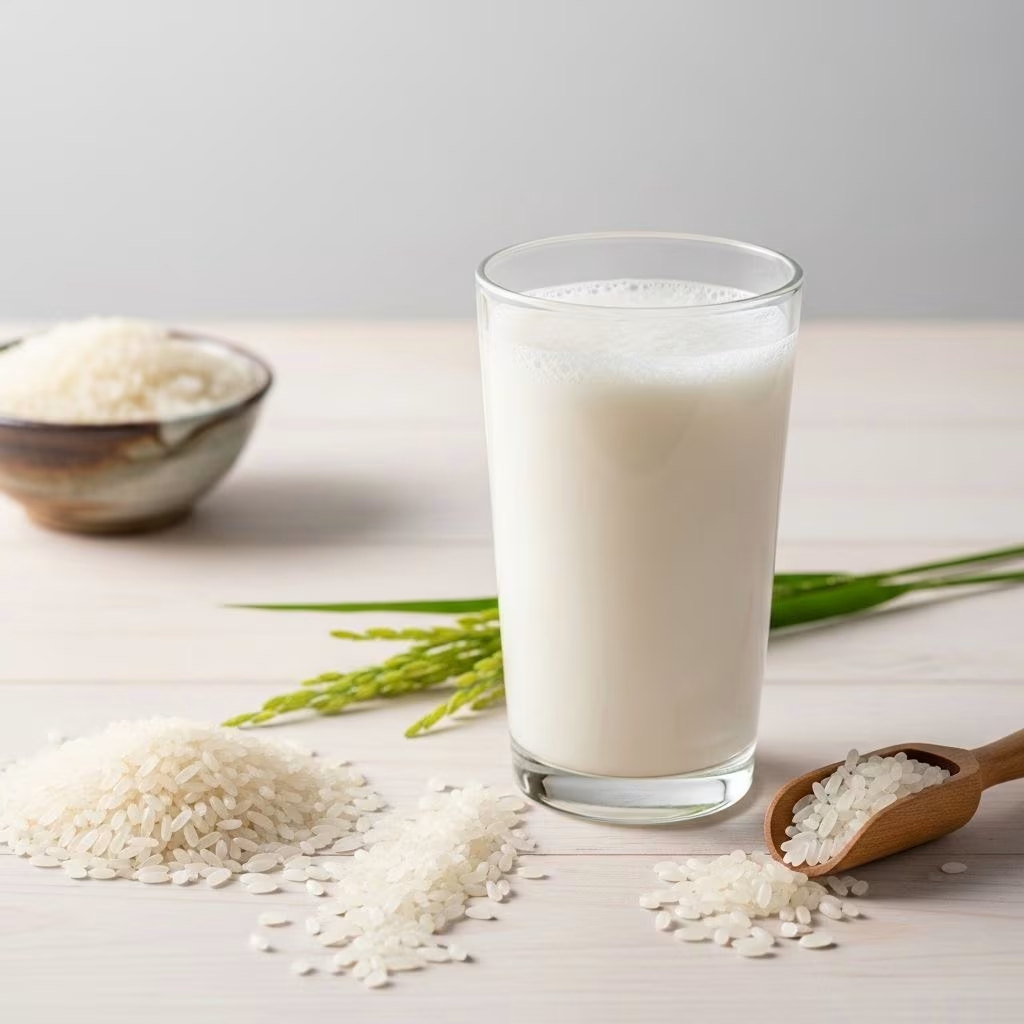
Rice milk is a naturally creamy and subtly sweet plant-based beverage made from just rice and water, with optional add-ins to customize flavor and sweetness. Preparing rice milk at home means fresher taste, customizable thickness, and significant savings versus store-bought cartons. Whether you’re dairy-free, vegan, or curious about alternative milks, this easy rice milk recipe offers a versatile and allergy-friendly option for drinking, baking, and more.
Ingredients
- 3/4 cup uncooked long grain white rice (you can substitute with brown rice, but white yields creamier results)
- 4 cups water (use less for thicker consistency, plus extra for soaking)
- 1 pinch salt (optional, enhances flavor)
- 1 whole date, pitted (optional, for sweetness; or 1 Tbsp maple syrup)
- 1/2 tsp vanilla extract (optional, for subtle flavor)
- 2 Tbsp cocoa/cacao powder (optional, for chocolate rice milk)
- 1/4 cup fresh berries (optional, for berry-flavored milk)
Step-by-Step Instructions
- Soak the rice: Place rice in a bowl and cover with 2 cups of very hot (not boiling) water. Let soak for 2 hours. Rice should become soft but still raw – you can snap a piece in half with your fingernail when ready. Drain the rice and discard soaking water.
- Blend ingredients: Add the soaked rice to a high-speed blender along with 4 cups of fresh water, salt, and any desired add-ins (dates, vanilla, cocoa, berries). Cover tightly and blend on high for about 1 minute. The mixture should be well-combined and dates broken down but not completely pulverized.
- Test sweetness: Taste a small spoonful. Add more date, sweetener, or vanilla if desired, and blend again briefly.
- Strain: Place a very thin towel, clean T-shirt, or tightly woven nut milk bag over a large bowl or pitcher. Pour the blended mixture slowly over the cloth, letting liquid flow through. Gently gather edges and squeeze remaining milk from the pulp. For extra smoothness, perform a double strain.
- Store: Transfer strained rice milk into a sealed container and refrigerate. Fresh rice milk keeps for up to 5 days.
Flavor Variations & Add-Ins
Customize your rice milk recipe to suit your preferences or dietary needs by including these suggested add-ins:
- Sweetened: Blend in dates or maple syrup
- Vanilla-flavored: Add vanilla extract
- Chocolate: Mix in cocoa or cacao powder
- Berry: Blend fresh berries for a fruity twist
- Nutty: Incorporate a teaspoon of almond or hazelnut butter (optional)
Feel free to experiment with different flavorings depending on how you plan to use your rice milk.
Tips for Best Results
- Rice Type: Long-grain white rice delivers the creamiest texture, but brown rice works for an earthier, more robust flavor and added nutrients.
- Water Ratio: For creamier milk, reduce water slightly. For lighter/thinner milk, use the full 4 cups.
- Straining: Use a double layer or tightly woven filter to prevent sediment from passing through, ensuring a smooth consistency.
- Blender Power: A high-speed blender extracts maximum creaminess and blends add-ins thoroughly.
- Storage: The milk can separate in the fridge; just stir or shake before use.
Nutrition & Benefits
Homemade rice milk is dairy-free, nut-free, soy-free, and naturally gluten-free, making it one of the most allergy-friendly plant-based milks. It is also exceptionally affordable compared to commercial options.
- Calories: Lower than full-fat dairy milk; mostly carbohydrates, minimal fat and protein
- Micronutrients: Contains very few nutrients, unless fortified (store-bought versions may add calcium and vitamins)
- Allergy-friendly: Free from major allergens (dairy, soy, nuts) and low in saturated fat
- Affordable: Home preparation is inexpensive, with rice as the primary ingredient
Note: Homemade rice milk should not be relied upon as a sole nutritional beverage, especially for infants, due to low protein, calcium, and vitamin content. Where needed, pair rice milk with other sources of nutrition.
Uses for Homemade Rice Milk
- Enjoy as a refreshing drink (chilled or over ice)
- Add to smoothies for extra creaminess
- Serve with granola, cereals, or oatmeal
- Incorporate into vegan cheese sauces and dips
- Use for baking in place of dairy milk (cakes, muffins, pancakes)
- Blend into coffee or tea for a light, slightly sweet finish
- Make chocolate or berry milk for children or dessert recipes
Rice Milk vs Other Dairy-Free Milks
| Milk Type | Main Ingredient | Texture | Flavor | Allergen Profile |
|---|---|---|---|---|
| Rice Milk | Long-grain rice | Creamy/light | Mild, slightly sweet | Nut-free, soy-free, dairy-free |
| Almond Milk | Almonds | Smooth, nutty | Distinct almond | Contains tree nuts |
| Coconut Milk | Coconut | Rich, thick | Coconutty, sweet | Nut-free but may be allergenic for some |
| Oat Milk | Oats | Medium, slightly starchy | Mild, earthy | Gluten-free (with certified oats) |
| Soy Milk | Soybeans | Rich, smooth | Neutral, beany | Contains soy |
Rice milk stands out for its hypoallergenic properties and light flavor. For more on making various dairy-free milks, see guides for almond, coconut, hemp, oat, and cashew milk.
Storage & Shelf Life
- Refrigeration: Store rice milk in an airtight jar or bottle in the refrigerator for up to 5 days.
- Separation: Natural separation will occur. Stir or shake before using.
- Freezing: For longer storage, freeze rice milk in an ice cube tray, then transfer to a freezer-safe bag. Use within 1 month for best flavor.
- Spoilage Signs: Discard if you notice sour smell, texture change, or visible mold.
Frequently Asked Questions (FAQs)
Q: Can I make rice milk with cooked rice?
A: You can make rice milk with either cooked or raw soaked rice. Using uncooked, soaked rice yields a smoother and more neutral tasting milk. Cooked rice produces a more starchy texture and is faster to blend, but the flavor and consistency may differ.
Q: Is rice milk suitable for people with food allergies?
A: Yes, rice milk is widely considered one of the most allergy-friendly alternatives as it is free from dairy, soy, nuts, and gluten (if made with certified gluten-free rice).
Q: Is homemade rice milk as nutritious as store-bought?
A: Homemade rice milk contains fewer nutrients since it lacks fortification with calcium, vitamin D, and B vitamins, which are commonly added to commercial products.
Q: How long does homemade rice milk last?
A: Properly refrigerated, homemade rice milk keeps fresh for up to 5 days. Always check for odor or appearance before use.
Q: Can I make rice milk without a high-speed blender?
A: It is possible with a standard blender, but the milk will likely be less smooth and harder to strain thoroughly. High-speed blenders are recommended for the best results.
Q: Can I reuse rice pulp after straining?
A: Yes! Rice pulp can be repurposed in pancakes, muffins, or added to savory dishes for extra fiber. Use promptly or freeze for later use.
Q: Does rice milk contain gluten?
A: No, rice milk is gluten-free by default when made from plain rice and water.
Q: Can I flavor rice milk for kids?
A: Absolutely! Blend in cocoa or berries for “chocolate” or “berry” milk. Sweeten naturally with dates or maple syrup.
Rice Milk Recipe Summary Table
| Ingredient | Amount | Notes |
|---|---|---|
| Long grain white rice | 3/4 cup | Soaked, uncooked |
| Water | 4 cups | For blending + soaking |
| Salt | Pinch | Optional |
| Date/maple syrup | 1 whole date/1 Tbsp syrup | Optional, for sweetness |
| Vanilla extract | 1/2 tsp | Optional, for flavor |
| Cocoa/cacao powder | 2 Tbsp | Optional, for chocolate milk |
| Fresh berries | 1/4 cup | Optional, for berry milk |
Expert Tips for Perfect Rice Milk Every Time
- Choose long-grain white rice for a creamy finish; brown rice for earthiness and color.
- Double strain for ultra-smooth milk or use a coffee filter for finer sifting.
- Sweeten naturally with dates or maple syrup for nutrition and taste.
- Add cocoa or berries for dessert-style milk.
- Shake well before serving, as separation is normal.
- Label containers with the date and ingredients, especially if adding sweeteners or flavors.
Why Make Your Own Rice Milk?
- Cost effective: Home rice milk is much cheaper than store-bought options.
- Customization: Adjust flavor, sweetness, and consistency to your preferences.
- Allergy-friendly: A safe choice for many dietary restrictions.
- Fresh flavor: Enjoy milk at its freshest with no preservatives or artificial additives.
Related Dairy-Free Milk Recipes
- Almond Milk – Creamy and nutty plant-based milk
- Cashew Milk – Ultra-creamy, can be made no-strain
- Coconut Milk – Rich and tropical
- Oat Milk – Smooth and naturally sweet
- Hemp Milk – High in omega-3s, nutty flavor
For a full guide to other dairy-free alternatives, check out resources on homemade nut milks, seed milks, and blends.
Conclusion: Your Guide to Creamy, Homemade Rice Milk
Homemade rice milk is one of the simplest and most cost-effective plant-based beverages you can make. Remember to vary your flavors, strain thoroughly for smoothness, and enjoy this versatile drink as a base for breakfasts, smoothies, and vegan cooking. With just rice, water, and a blender, you can whip up fresh rice milk tailored to your taste, dietary needs, and family preferences. Enjoy crafting your perfect rice milk with the tips and techniques provided above!