How to Make Soft and Fluffy Scones
Scones are a breakfast and brunch classic, beloved for their tender texture, crumbly edges, and just-sweet-enough flavor. Whether you’re after a cozy morning treat, a show-stopping addition to a brunch spread, or simply want to enjoy a buttery, homemade pastry, mastering scones is an easy and rewarding kitchen project. This guide will walk you through each step, from mixing to baking, offering practical tips and delicious variations along the way.
What Are Scones?
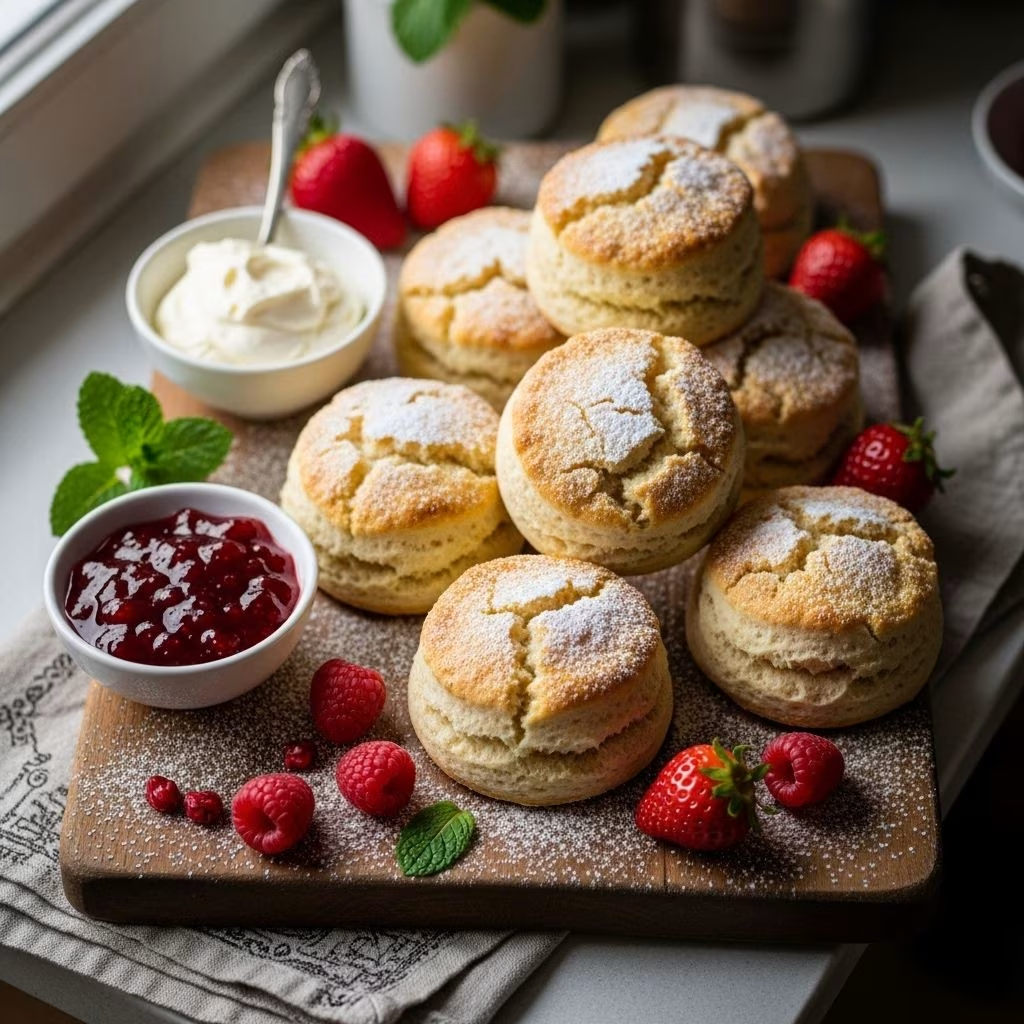
Scones are traditional baked goods originating from the United Kingdom. They are commonly enjoyed with tea and can be either sweet or savory. The ideal scone is crisp on the outside, soft and flaky inside, and only lightly sweetened. Compared to biscuits, scones often contain eggs and are richer, with a slightly denser crumb. Varieties range from fruit-studded and glazed to spiced or cheesy—making scones remarkably versatile for all tastes and occasions.
Essential Ingredients for Homemade Scones
Scones come together with a handful of staple ingredients that work together for optimal flavor and texture:
- All-Purpose Flour: The base of the dough; use unbleached for best results.
- Granulated Sugar: Just enough to balance the flavor but not overwhelm; adjust according to add-ins.
- Baking Powder: Provides rise, making the scones light and fluffy.
- Salt: Enhances flavor and balances sweetness.
- Cold Unsalted Butter: Key for flakiness. Keeping the butter cold creates steam during baking, yielding tender, tall scones.
- Egg: Binds the dough and adds richness.
- Heavy Cream: Moistens the dough for a soft crumb. Substitute full-fat canned coconut milk for a dairy-free option.
- Flavor Additions: Zest, fruit, chocolate chips, nuts, or spices. Popular versions include lemon zest, blueberries, and vanilla extract.
Many classic scone recipes highlight the importance of using frozen or very cold butter and heavy cream for their unmatched texture and taste.
Why Cold Butter and Cream Matter
For scones with perfect rise and flakiness, temperature is everything. The cold butter, when cut into flour and baked, melts to form steam pockets, producing layers in the finished pastry. Using cold cream also prevents the butter from melting too soon and keeps the dough easy to handle.
Step-by-Step Scone Recipe
Below is a classic scone base that’s easy to customize and always reliable.
Ingredients
- 2 cups (250g) all-purpose flour, plus extra for dusting
- 1/3 cup (65g) granulated sugar
- 1 tablespoon (12g) baking powder
- 1/2 teaspoon salt
- 8 tablespoons (1 stick, 115g) unsalted butter, frozen or very cold
- 1 large egg
- 1/2 cup (120ml) heavy cream, plus more for brushing
- Zest of 1–2 lemons (optional, for lemon scones)
- 1 cup fresh blueberries (optional, or your favorite add-in)
- 1 teaspoon vanilla extract (optional)
- Coarse sugar for sprinkling (optional)
Instructions
- Prep Your Tools: Preheat oven to 400°F (204°C). Line a large baking sheet with parchment paper or a silicone baking mat.
- Mix Dry Ingredients: In a large bowl, whisk together flour, sugar, baking powder, salt, and zest if using.
- Incorporate Butter: Using the large holes of a box grater, grate frozen butter directly into the dry mix. Toss to combine. Alternatively, cut butter into small cubes and use a pastry cutter or fingertips to blend until you have pea-sized crumbs.
- Chill Mixture: Place the bowl in the freezer while preparing wet ingredients.
- Combine Wet Ingredients: In a small bowl or measuring cup, whisk heavy cream, egg, and vanilla together.
- Bring Dough Together: Drizzle cream mixture over flour-butter mixture. Add blueberries (or chosen add-in). Gently fold until the dough just comes together—do not overmix. It should look shaggy and slightly sticky.
- Shape and Cut: Turn dough onto a lightly floured surface. Gently shape into an 8-inch disc about 1 inch thick. Using a sharp knife or bench scraper, cut the disc into 8 wedges.
- Chill Scones: Arrange wedges on the baking sheet, spaced apart. Refrigerate for at least 15 minutes (this helps them hold their shape while baking).
- Top and Bake: Brush tops with a little cream and sprinkle with coarse sugar, if desired. Bake for 22–25 minutes, or until scones are risen and golden.
- Cool and Glaze (Optional): Cool on the sheet for 5 minutes. For glazed scones, drizzle with a lemon or vanilla glaze once mostly cooled.
Flavor Variations and Add-Ins
Scones are wonderfully adaptable. Try these variations to keep things interesting:
- Berry Scones: Add 1 cup fresh or frozen blueberries, raspberries, or chopped strawberries. Toss berries in flour before folding to minimize bleeding.
- Lemon-Poppy Seed: Stir in 1–2 tablespoons poppy seeds with the lemon zest for a bright, textural twist.
- Orange-Chocolate Chip: Use orange zest and 3/4 cup mini chocolate chips for a citrusy sweet treat.
- Savory Scones: Omit sugar. Add 1/2 cup grated sharp cheddar, 2 tablespoons chopped fresh herbs, or sautéed leeks for a brunch-friendly option.
- Nutty Scones: Fold in 1/2 cup toasted chopped nuts (pecans, walnuts, or almonds).
Table: Sweet vs. Savory Scone Add-Ins
| Sweet Scones | Savory Scones |
|---|---|
| Blueberries, Raspberries, Chopped Strawberries | Chives, Dill, Thyme, Rosemary |
| Chocolate Chips, Lemon or Orange Zest | Grated Cheddar, Parmesan, Feta |
| Sultanas or Dried Fruit, Poppy Seeds | Crumbled Bacon, Cooked Sausage, Sautéed Leeks |
Pro Tips for the Best Scones
- Keep all ingredients cold: Chill your butter and cream before starting. If possible, refrigerate the dough before baking for 15–30 minutes.
- Don’t overwork the dough: Mix until just combined. Overmixing creates tough scones.
- Use gentle hands when shaping: Press the dough together lightly. Avoid rolling out or kneading vigorously.
- Space scones apart: Give each wedge room to rise and brown during baking.
- Brush with cream and sprinkle sugar: For a shiny, caramelized crust, brush with heavy cream and finish with coarse sugar.
- Cool before glazing: Allow scones to cool for at least 5–10 minutes before drizzling with icing to avoid melting it off.
Troubleshooting & FAQs
Why Are My Scones Dry?
Dry scones are often the result of overbaking, using low-fat dairy, or not enough moisture in the dough. Make sure to use full-fat cream or buttermilk, and check for doneness a few minutes early if using a dark baking sheet.
How Do I Get Flaky, Tall Scones?
Use cold butter and avoid overworking the dough. Chilling shaped scones before baking ensures tall layers. Cutting with a sharp knife (not a serrated blade) yields the best rise.
Can I Make Scones Ahead?
Yes—shape scones, then cover and refrigerate overnight or freeze. Bake straight from the fridge or freezer, adding a few minutes to the baking time if frozen.
What’s the Best Way to Store Leftover Scones?
Keep leftover scones tightly covered at room temperature for up to 2 days, or refrigerate for up to 5 days. Reheat briefly in the oven for the freshest taste and texture.
Can I use plant-based alternatives?
Yes, substitute full-fat coconut milk for heavy cream and use chilled vegan butter for a successful dairy-free scone. The flavor and richness will be somewhat different, but the crumb should remain tender and light.
Serving Suggestions
- Serve warm, just baked, or gently reheated in the oven.
- Pair with butter, clotted cream, or fruit preserves for a classic touch.
- Try savory scones alongside fried eggs or sausage for a brunch spread.
- Enjoy scones with tea or coffee in the morning or as an afternoon treat.
Easy Glazes and Toppings
- Lemon Glaze: Mix 1 cup powdered sugar with 1–2 tablespoons fresh lemon juice until pourable, then drizzle over cooled scones.
- Vanilla Icing: Use 1 cup powdered sugar, 1 tablespoon melted butter, 1 teaspoon vanilla extract, and 2–3 tablespoons milk for a sweet, classic finish.
- Sugar Topping: Sprinkle coarse or turbinado sugar over cream-brushed scones before baking for crunch and sparkle.
Frequently Asked Questions (FAQ)
Q: Can I freeze scones?
A: Yes! Cut scone dough into wedges, freeze on a tray until solid, then store in a freezer-safe bag for up to 2 months. Bake straight from the freezer, adding 2–3 extra minutes to the baking time.
Q: Should I use fresh or frozen fruit?
A: Both work, but if using frozen berries, do not thaw before mixing. Toss them in a little flour to minimize bleeding into the dough.
Q: Why do my scones spread too much in the oven?
A: Usually, the butter or dough was too warm. Chilling the scones before baking helps them hold their shape. Also, avoid overmeasuring your liquid.
Q: How can I make my scones more flavorful?
A: Add citrus zest, pure vanilla or almond extract, spices (cinnamon, ginger), or experiment with savory mix-ins like herbs and cheese.
Wrapping Up: The Joy of Homemade Scones
Baking scones at home is simple, rewarding, and endlessly adaptable. With the right ingredients and technique, you’ll enjoy batches of golden, fluffy scones any time. Customize with your favorite flavors, share with friends, and experience the classic pleasure of a fresh, homemade scone.
References
- https://sallysbakingaddiction.com/glazed-lemon-blueberry-scones/
- https://anewsletter.alisoneroman.com/p/scones-two-ways-video
- https://www.loveandlemons.com/scones-recipe/
- https://www.loveandlemons.com/blueberry-scones/
- https://www.scribd.com/document/864978044/Easy-Scones-Recipe-Love-and-Lemons
- https://www.youtube.com/watch?v=2conls061zM