Unlocking the Full Power of Taco Seasoning
Taco night is a cherished tradition, but if you’ve ever felt that store-bought or even homemade taco seasoning falls short, you’re not alone. Many cooks assume that simply sprinkling in the right combination of spices will deliver bold, complex flavor. Yet, true depth comes not only from what you use, but how you use it. This article unpacks the surprising technique that professional cooks employ to make taco seasoning truly stand out—plus, practical advice on building your own blends.
The Problem with Packet Taco Seasoning
For decades, pre-mixed taco seasoning packets have been a staple in American homes. These blends—typically a combination of chili powder, cumin, garlic powder, onion powder, paprika, oregano, and salt—promise convenience and big flavor. However, these packets frequently yield flat or one-dimensional tacos, even when the ingredient list mirrors homemade efforts. Why?
- Bulk processing limits freshness: Commercial blends often sit on shelves for months, allowing the volatile aromas in ground spices to fade.
- No control over salt, sugar, or thickening agents: Many packets include unnecessary fillers.
- Missed opportunities for flavor enhancement: Packets provide no guidance on maximizing the seasoning’s impact during cooking.
Many home cooks notice that regardless of whether they use the packet or a DIY version, the results can taste unremarkable—lacking the deep, complex notes associated with the best Tex-Mex dishes.
The Critical Cooking Step: Blooming Your Spices
The missing piece isn’t just about which spices you use—it’s how you introduce them to your dish. The culinary trick is called blooming your taco seasoning.
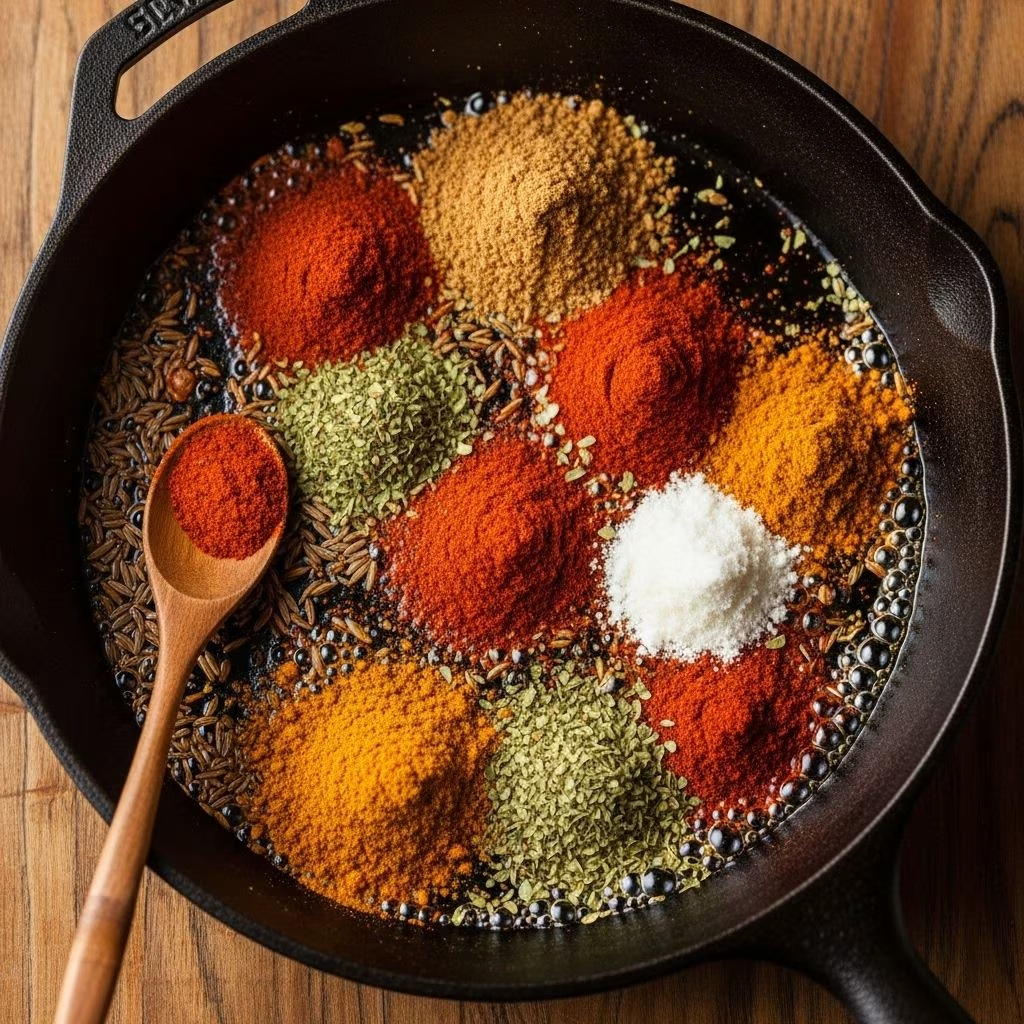
Blooming means heating spices in fat (usually oil) before adding liquid ingredients. This simple maneuver releases fat-soluble aromatic compounds that would otherwise remain dormant, infusing your ground meat with an amplified, multidimensional flavor profile.
- Spices contain volatile aromatics that are soluble in fat but not water.
- Heating these spices in oil unbinds their essential oils, unleashing new layers of aroma and taste.
Professional kitchens rarely add ground spices to dishes without first blooming them—whether making stews, curries, or even taco meat. This step is routine in Indian, Middle Eastern, and Southeast Asian cuisines and is just as transformative for tacos.
Why Blooming Your Taco Seasoning Matters
Without blooming, the spices in your taco mix can taste harsh, raw, or muddy. When hydrated only with water (as packets often instruct), the aromatic compounds are never properly released, resulting in a shallower flavor.
| Without Blooming | With Blooming |
|---|---|
| Flat, dull flavor | Rich, complex aroma |
| Some spices remain unmixed or harsh | Round, integrated spice profile |
| Color may be muddy or pale | Deep, appealing color |
- Fat-soluble compounds like piperine (black pepper), capsaicin (chilis), and cumin aldehyde bloom in oil, but don’t disperse as well in water.
- Flowers, citrus peels, and other botanicals also give up their aroma best when warmed in fat.
Bottom line: Bloomed taco seasoning bonds with the meat’s fat, creating that “restaurant-quality” depth.
How to Craft (or Select) the Ultimate Taco Seasoning
Homemade taco seasoning gives you both control and freshness. The blend can be easily adjusted to suit your family’s taste, dietary needs, and even the type of tacos you’re making. While blends vary, pantry staples typically include:
- Chili powder: Adds both heat and earthiness; consider Ancho or smoked varieties for extra nuance.
- Cumin: A vital, smoky note anchoring the blend.
- Paprika: Offers color and, if smoked, a subtle charred quality.
- Oregano: Mexican oregano preferred; brings herbal brightness.
- Garlic and onion powder: Folding in savory umami.
- Black pepper: For sharpness and gentle heat.
- Salt: Essential, but using less allows for dish-by-dish adjustment.
- Optional: Sugar for balance, cayenne for heat, cornstarch or flour to help create a saucy texture.
Homemade blends provide an added bonus: the texture and freshness of recently ground spices, free from fillers and stabilizers.
Popular Taco Seasoning Variations
| Variation | Notable Features |
|---|---|
| Standard Tex-Mex Blend | Chili powder, cumin, paprika, oregano, garlic & onion powder, salt, black pepper |
| Smoky Blend | Include smoked paprika and/or chipotle powder |
| Mild Kid-Friendly | Reduce chili powder, omit cayenne, up paprika for color |
| Extra-Hot | Add cayenne or hot chili flakes |
| Herb-Forward | Increase oregano, add coriander seed |
How and When to Add Taco Seasoning for Best Results
Instead of adding taco seasoning after the meat has browned, follow these steps for maximum flavor:
- Brown your meat (beef, turkey, chicken, etc.) in a skillet until just cooked through. Drain excess fat, leaving about a tablespoon in the pan.
- Push the meat to one side of the pan.
- Add your taco seasoning directly to the exposed fat in the pan.
- Let the spices “bloom” in the hot fat for 30–60 seconds, stirring frequently (watch closely to avoid burning).
- Stir the meat back into the blooming spices, mixing thoroughly.
- Add water or broth as needed (often ½ cup), simmer, and reduce until the mixture is saucy and coats the meat.
This process allows the spice oils to activate and thoroughly infuse every bite of taco filling.
DIY Taco Seasoning Blend Recipe
Making your own blend is simple and satisfying. Here’s a versatile, robust recipe that yields about 4 tablespoons—enough for up to 2 pounds of ground meat.
- 1 tablespoon chili powder (preferably Ancho)
- 1 teaspoon smoked paprika (or blend of sweet and smoked)
- 1 teaspoon ground cumin
- 1/2 teaspoon onion powder
- 1/2 teaspoon garlic powder
- 1/2 teaspoon dried oregano (Mexican, if available)
- 1 teaspoon kosher salt
- 1/4 teaspoon black pepper
- 1/4 – 1/2 teaspoon cayenne or red pepper flakes (to taste)
- 1 teaspoon sugar (optional)
- 1 teaspoon cornstarch or flour (optional, for a saucy texture)
Mix all ingredients thoroughly and store in an airtight container in a cool, dry place for up to 2 months.
Troubleshooting Flat or Harsh Taco Flavor
- Tacos taste bland: Try increasing the amount of seasoning used, or check if your spices are fresh.
- Flavor is harsh or bitter: Bloom seasoning longer in fat before adding liquid, but take care not to burn the spices.
- Lacks sauciness: Use cornstarch or flour in your blend, and simmer with more liquid.
- Too salty or too spicy: Adjust salt and chili proportion in your next batch, or stretch seasoned meat with additional unseasoned cooked protein.
Frequently Asked Questions
Q: Why are my homemade tacos never as flavorful as restaurant tacos?
A: Restaurants almost always bloom their spice blends in oil or rendered fat, unlocking aromatic oils missing from home versions that skip this important step.
Q: Can I use the blooming technique for vegetarian taco filling?
A: Yes! Bloom the seasoning in a little oil before adding beans, tofu, tempeh, or even sautéed vegetables. The flavors will infuse just as well.
Q: What’s the best fat for blooming taco seasoning?
A: Any neutral oil (canola, vegetable, light olive) works, or use a little of the rendered fat from browning meat. For extra flavor, consider lard or bacon fat.
Q: How long should I store homemade taco seasoning?
A: Up to 2 months in a tightly sealed container kept away from heat and light. Always check for freshness before use.
Q: Can I make my taco seasoning in bulk?
A: Absolutely! Multiply the quantities and store in a labeled jar for quick use. Remember to always bloom in fat for best results.
Key Takeaways
- Taco seasoning flavor relies as much on how you cook it as on what it contains.
- Blooming spices in fat unlocks deeper, more aromatic flavors.
- Homemade blends are easy, fresher, and endlessly customizable.
- Control your salt, heat level, and thickness for tacos tailored to your taste.
Try It Tonight
Next taco night, don’t just add your spices—bloom them. You’ll be rewarded with rich, aromatic, and truly memorable tacos worth sharing.