Italian Beef Carpaccio: The Essentials, Techniques, and Serving Guide
Beef carpaccio is arguably one of the most elegant and deceptively simple Italian appetizers. It encapsulates the Italian philosophy of letting high-quality ingredients shine, with little intervention other than expert slicing, subtle seasoning, and careful plating—a harmony of raw, thinly sliced beef with zesty accompaniments. This article distills everything you need to know: from its origins and choosing the right cut, to mastering technique and serving with style.
What Is Carpaccio?
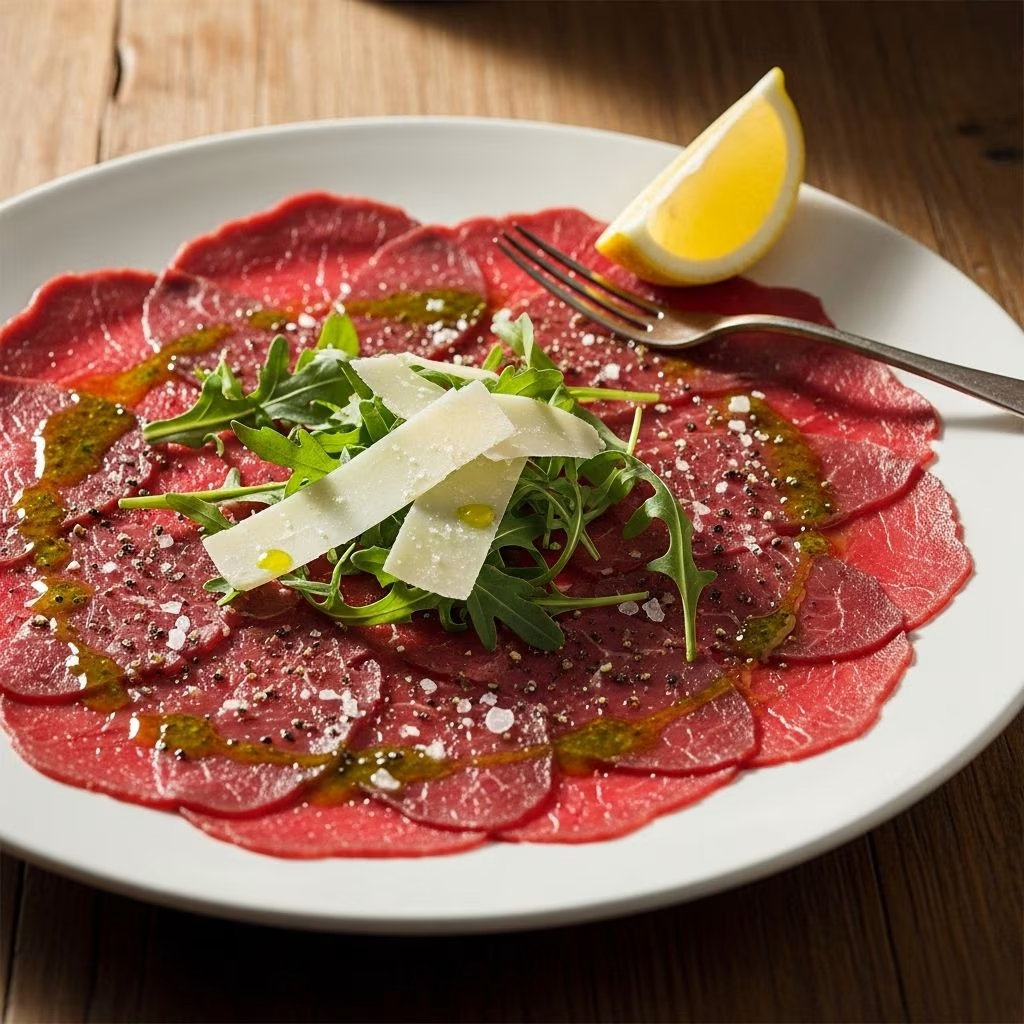
Carpaccio is a classic Italian dish centered around raw beef, typically tenderloin, sliced paper-thin and served as an appetizer. While beef is traditional, modern variations include tuna, salmon, and other proteins. The preparation focuses on ultra-thin slices, which are then artfully arranged and finished with olive oil, lemon, vinegar, salt, pepper, and sometimes cheese or greens.
- Texture: Silky, melting raw beef, not chewy or tough.
- Taste: Clean beef flavor, balanced by acidity, salt, and grassy olive oil.
- Presentation: Often fanned across the plate or arranged in an overlapping circle.
Carpaccio is sometimes confused with tartare, but the distinction is clear: tartare is chopped or diced raw meat (often seasoned heavily), while carpaccio features slices, letting the meat flavor stand out.
History and Origins
This dish was first created in Venice, Italy, during the mid-20th century at Harry’s Bar by restaurateur Giuseppe Cipriani. Inspired by the colors in Vittore Carpaccio’s paintings, Cipriani prepared thinly sliced raw beef for a customer whose doctor forbade cooked meat. The dish quickly gained popularity for its lightness, visual appeal, and honest flavors.
Choosing the Best Beef Cut
The heart of beef carpaccio is selecting the freshest, highest-quality beef tenderloin available.
- Cut: Tenderloin is the preferred cut for carpaccio, prized for its tenderness and subtle flavor.
- Quality: Opt for beef labeled ‘tartare-grade’ or ‘sashimi-grade’ from a reputable butcher or supplier. Grass-fed tenderloin adds extra flavor.
- Portion: 1/3 – 1/2 pound is typically sufficient for 2–4 servings as an appetizer.
| Beef Cut | Texture | Recommended? |
|---|---|---|
| Tenderloin | Super tender, lean, mild | Excellent |
| Ribeye (well trimmed) | Marbled, more flavor | Good, but slice very thinly |
| Sirloin | Leaner, firmer | Acceptable, but less ideal |
Raw Beef and Food Safety Guidelines
Eating raw beef requires special care. For safe carpaccio, follow these principles:
- Purchase beef from a trusted butcher or reliable source.
- Use beef labeled safe for raw consumption (ask for tartare or sashimi grade).
- Work quickly and keep the meat cold at all times.
- Sanitize all surfaces and knives before preparing the beef.
- Serve immediately and refrigerate leftovers within 30 minutes.
If uncertain, ask your butcher if the beef is suitable for carpaccio or tartare. Freezing the beef briefly also helps reduce bacteria and aids slicing.
How to Slice Beef for Carpaccio
Slicing technique is crucial to carpaccio’s delicate texture and visual appeal. The best results come from using very cold, slightly frozen beef and a razor-sharp knife.
- Freeze the beef. Wrap the tenderloin tightly in plastic and freeze for 60–90 minutes until firm but not rock hard. This ensures clean, thin slices and inhibits bacteria.
- Slice thinly. Using a long, sharp chef’s or slicing knife, cut the beef across the grain into slices no thicker than 1/16 inch.
- Pound between plastic. For even thinner pieces, place slices between plastic wrap and gently pound with a meat mallet or flat pan until nearly translucent.
Alternately, some recipes recommend slicing only; pounding is optional but useful for uniformity and plate coverage.
Traditional Accompaniments & Dressing
The best carpaccio is a balance of simple, vibrant ingredients:
- Extra-virgin olive oil: Drizzled liberally over the meat for richness and sheen.
- Lemon juice or white balsamic vinegar: Provides acidity to balance the beef and lightly “cure” the surface.
- Shallot or onion: Minced and mixed into vinaigrette for gentle pungency.
- Dijon mustard: Adds a savory touch to the dressing.
- Thyme or herbs: Fresh thyme leaves or other soft herbs enliven the dish.
- Capers: Offer a briny note, scattered sparingly.
- Sea salt & cracked black pepper: Essential for amplifying flavor.
- Parmigiano-Reggiano: Shaved or grated as a salty counterpoint.
Classic Carpaccio Vinaigrette Recipe
- 1 shallot, minced
- 1 tsp Dijon mustard
- 1.5 tsp white balsamic or white wine vinegar
- 1 tsp mayonnaise
- 1/4 tsp each salt and pepper
- 1 tsp fresh thyme (optional)
- 2 tbsp extra-virgin olive oil
Whisk until fully emulsified, and drizzle generously over the plated carpaccio.
Garnishes and Plating Tips
Beef carpaccio is as much a visual showpiece as a flavorful one. Attractive plating highlights the thinness of the beef and the vibrancy of toppings:
- Arrange arugula and/or microgreens in the center or scattered between layers.
- Overlap beef slices concentrically around the plate for a flower-like effect.
- Drizzle dressing just before serving for gloss and acidity.
- Scatter capers, cheese, and herbs for colorful accent.
- Use chilled plates to keep carpaccio fresh.
Example Plating Steps
- Place a mound of arugula in the plate’s center.
- Arrange beef slices, slightly overlapping on the border.
- Drizzle with vinaigrette and olive oil.
- Top with capers, shaved cheese, and herbs.
Expert Tips for Perfect Carpaccio
- Work quickly to prevent the beef warming and losing its texture.
- Use sharpest knife possible for effortless slicing.
- Rest sliced beef in the fridge briefly if not serving immediately (cover to prevent drying).
- Customize vinaigrette: try red wine vinegar or substitute mayonnaise with Greek yogurt for tang.
- Swap arugula for watercress, or add microgreens for extra color.
Troubleshooting & Variations
Common Issues
- Slices tear or are uneven: Beef not frozen enough—chill longer, or sharpen knife.
- Meat is tough: Cut with grain instead of against; use tenderloin for best texture.
- Beef flavor is bland: Insufficient seasoning—add more salt, pepper, vinaigrette.
- Dressing separates: Whisk harder to fully emulsify oil with acid and mustard.
Creative Variations
- Tuna or salmon carpaccio: Substitute beef with sushi-grade fish.
- Vegetarian carpaccio: Try raw golden beet or thinly sliced zucchini dressed similarly.
- Add citrus zest or thin garlic slices for punch.
Frequently Asked Questions (FAQs)
Q: Is beef carpaccio safe to eat raw?
A: Yes, provided you use high-quality, tartare-grade beef from a trusted source, keep it cold, and serve immediately. Proper sanitation is crucial at every step.
Q: Can I make carpaccio in advance?
A: Sliced beef can be kept chilled for a short time (up to 1 hour), covered securely to prevent drying and contamination. Dress just before serving for best flavor and texture.
Q: What knife should I use for slicing?
A: A long, very sharp chef’s or slicing knife—ideally not serrated—will give the cleanest, thinnest slices.
Q: Can I pound the slices instead of slicing thinly?
A: Yes, pounding between plastic wrap creates ultra-thin, almost see-through slices, just like restaurant versions. Both techniques are authentic.
Q: What can I use instead of tenderloin?
A: Well-trimmed ribeye or top sirloin can work in a pinch, but will be slightly less tender. Always slice as thinly as possible.
Conclusion
Italian beef carpaccio is a showcase of simplicity and skill, requiring only the best beef, a precise slicing technique, and lively accents. With attention to detail and food safety, this dish transforms raw meat into a memorable, mouthwatering appetizer that epitomizes Italian elegance. Master these steps at home to rival any restaurant—and delight your guests with classic flair.