Japanese Cotton Cheesecake: The Ultimate Guide to a Pillowy Dessert
Among the many splendid creations in the world of baking, the Japanese cotton cheesecake stands out for its ethereally light texture and elegant simplicity. Also known as soufflé cheesecake, this confection combines elements from both traditional Western cheesecakes and French soufflés, leading to its signature airy rise and irresistibly soft crumb. In this in-depth guide, we\u2019ll explore what makes Japanese cotton cheesecake unique, break down the science behind its texture, and offer a meticulously tested recipe along with essential tips for guaranteed success.
What Is Japanese Cotton Cheesecake?
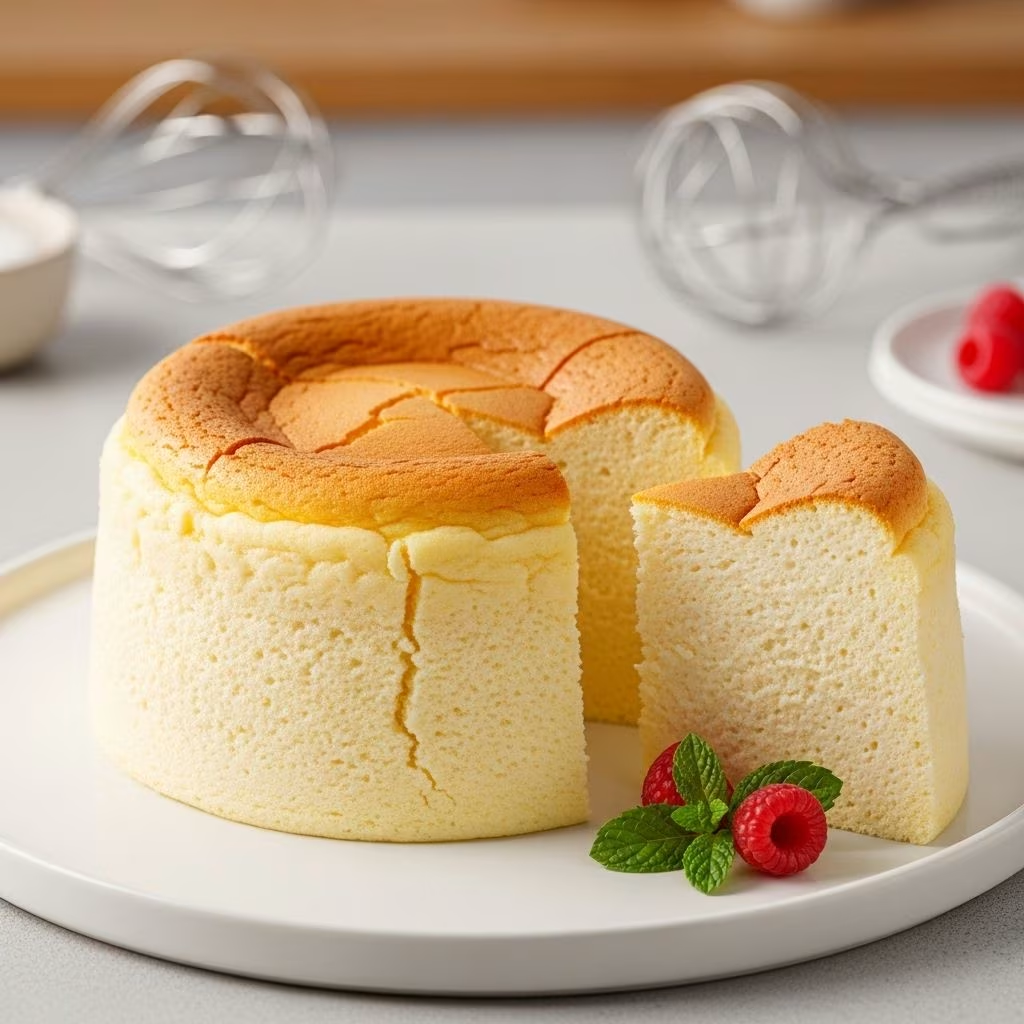
Japanese cotton cheesecake is a hybrid dessert that blends the creamy, tangy nature of classic cheesecake with the pillowy, airy qualities of a soufflé. Its moniker \”cotton\” alludes to its cloud-like texture, which is less dense and sweeter than traditional New York-style cheesecake yet more structured than a pure chiffon cake. Baked in a water bath, this cake boasts a slight wobble, a velvety interior, and a subtle golden-brown top.
- Texture: Fluffy, airy, soft, and moist, with a melt-in-the-mouth feel.
- Flavor: Mildly sweet, lightly tangy, with creamy and eggy notes.
- Appearance: Gently domed, pale golden crust on top, with a delicate crumb throughout.
Key Ingredients and Their Roles
Creating the ideal Japanese cotton cheesecake requires careful attention to classic ingredients, precise technique, and an understanding of the roles each component plays:
| Ingredient | Purpose |
|---|---|
| Cream Cheese | The creamy base, lending both tang and structure. |
| Butter | Adds richness and improves the cake’s melt-in-your-mouth texture. |
| Milk | Loosens the batter and softens the crumb. |
| Eggs (Yolks & Whites) | Egg yolks offer richness; whipped egg whites (meringue) give rise and structure. |
| Cake Flour/Cornstarch | Gives tenderness and helps stabilize the meringue. |
| Sugar | Sweetens and stabilizes the meringue. |
| Lemon Juice/Zest & Vanilla | Brighten and round out flavor without overpowering. |
The Science of Fluffiness: Key Techniques
The ethereal softness of Japanese cotton cheesecake is not just about ingredients, but also about method. Achieving that signature texture comes down to a few scientific principles:
- Meringue: Whipped egg whites trap air, expanding in the oven’s gentle heat and giving the cake its high, soufflé-like rise.
- Stabilizing Agents: Ingredients like cornstarch or cake flour help set the meringue during baking, preventing collapse.
- Bain-Marie (Water Bath): A gentle, moist oven environment ensures a slow, steady rise, prevents cracking, and keeps the cake moist.
Achieving the Perfect Meringue
Soft peaks are essential; avoid overbeating the whites (which can turn the texture grainy and stiff) and underbeating (which leads to insufficient rise). Add sugar gradually to stabilize the foam, and fold the meringue gently but thoroughly into the yolk-cheese mixture to avoid deflation.
Step-by-Step: Japanese Cotton Cheesecake Recipe
Ingredients
- 250 grams cream cheese, softened
- 50 grams unsalted butter, softened
- 100 milliliters whole milk, room temperature
- 6 large eggs, separated, room temperature
- 140 grams granulated sugar, divided
- 60 grams cake flour
- 20 grams cornstarch
- 1 teaspoon lemon juice
- 1/2 teaspoon vanilla extract
- 1/4 teaspoon cream of tartar (optional, for stabilization)
Directions
- Prepare Your Equipment
- Grease and line an 8-inch (20cm) round cake pan with parchment. Wrap the outside in foil to prevent water seepage during baking. Preheat your oven to 325°F (163°C). Bring a kettle of water to a boil for the water bath.
- Make the Cheese-Yolk Batter
- In a heatproof bowl, combine cream cheese, butter, and milk. Set bowl over a pot of barely simmering water and stir until completely smooth. Remove from heat. Whisk in the egg yolks, one at a time, then add half the sugar (70g), sifted cake flour, cornstarch, lemon juice, and vanilla, mixing until just combined.
- Prepare the Meringue
- In a stand mixer, beat egg whites on medium speed until foamy. Add cream of tartar (if using). Gradually sprinkle in remaining sugar. Continue whipping until glossy soft peaks—where the tips gently fold over—are formed.
- Incorporate and Fold
- Transfer 1/3 of the meringue into the cheese-yolk batter and whisk to lighten. Gently fold in the remaining meringue in two additions, turning the bowl and using an under-over motion, until just combined and streak-free.
- Bake in a Water Bath
- Pour the batter into the prepared pan. Tap to release excess air bubbles. Place the cake pan inside a larger, deep roasting pan. Carefully pour the hot water into the roasting pan to reach halfway up the cake pan’s sides.
- Bake for 60–70 minutes, or until the cake is set, golden on top, and a skewer inserted comes out mostly clean. Turn off oven, prop open the door, and let cake cool inside for 30 minutes to minimize shrinkage.
- Cool, Unmold, and Serve
- Remove from water bath and let cool to room temperature on a rack. Run a knife around the edges to release, then invert and peel off the parchment. Serve at room temperature, or chill for a firmer texture.
Tips for Success
- Use Room Temperature Ingredients: This helps batters combine evenly and encourages better meringue volume.
- Mind the Meringue: Stop whipping at the soft-peak stage; overbeating leads to cracks and dryness.
- Gentle Folding: Incorporate the meringue carefully to maintain maximum airiness.
- Bake with Steam: If you lack a roasting pan, set a tray of hot water on the oven floor for added moisture.
- Avoid Sudden Temperature Shocks: Let the cake cool gradually in the oven to prevent collapse from rapid cooling.
Troubleshooting Common Issues
| Problem | Possible Causes & Solutions |
|---|---|
| Shrinking or collapsing | Underbaked center, incorrect meringue, or sudden temperature change. Bake until fully set and cool slowly. |
| Cracked top | Meringue overbeaten or oven too hot. Use water bath and monitor oven temperature. |
| Dense, rubbery texture | Egg whites not whipped enough; batter overmixed; use gentle folding and whip whites properly. |
| Leaking water bath | Pan not adequately sealed; wrap tightly with foil. |
Serving and Storage Suggestions
- Best Served: Slightly warm or at room temperature for optimal fluffiness.
- Chilling: Refrigeration firms the texture—some prefer it this way, with a more pronounced tang.
- Garnishes: Dust with powdered sugar, top with fresh berries, fruit compote, or a prickle of whipped cream if desired.
- Storage: Keeps well, tightly wrapped, in the fridge for up to 3 days. Can be frozen in slices for 1 month (thaw overnight in the fridge).
Why You’ll Love Japanese Cotton Cheesecake
This dessert is adored by cake lovers for its:
- Airy, cloud-like texture that makes each bite vanish on the tongue.
- Balanced flavor—never too sweet, with subtle cheese tang and egg richness.
- Elegant appearance and versatility, fitting both casual and formal occasions.
- Comparative lightness versus heavier Western cheesecakes, ideal for those who want a refined, less indulgent treat.
Frequently Asked Questions
Q: Can I use all-purpose flour instead of cake flour?
A: Cake flour is preferred for its lower protein content, which ensures a tender crumb. If you must use all-purpose flour, substitute 1 tablespoon of cornstarch per cup to mimic cake flour’s texture.
Q: My cheesecake collapsed after baking—what happened?
A: Collapse usually results from underbaking or abrupt temperature changes. Ensure full doneness by checking for a barely wobbly center and allow the cake to cool gradually inside the oven before unmolding.
Q: How do I avoid cracks on top?
A: Use a gentle water bath, bake at a moderate temperature, and monitor the meringue—overwhipping egg whites makes cracks more likely.
Q: Can I add flavors or toppings?
A: Absolutely. Subtle citrus zests (orange, yuzu), berry compotes, or soft whipped cream work exceptionally well. Avoid dense toppings that may weigh the cake down.
Q: What makes it different from New York cheesecake?
A: Japanese cotton cheesecake is much lighter, less rich, and gets its rise from whipped egg whites rather than leavening agents or sheer egg volume.
Final Thoughts
Japanese cotton cheesecake may seem intimidating at first glance, but with attentive preparation and a bit of practice, it becomes a rewarding—and addictive—project for every home baker. Its singular texture, where cheesecake meets soufflé, is sure to win hearts at any gathering.
Ready to impress? Gather your ingredients and embark on this delicious Japanese baking adventure—you’ll soon find yourself dreaming of soft, pillowy slices on repeat.