If you cook at home, a reliable and well-crafted cutting board is essential for preparing everything from vegetables to large roasts. The JK Adams Maple Wood Cutting Board has earned acclaim for its blend of craftsmanship, thoughtful design, and everyday usability. This review explores every aspect of this workhorse board — from design and performance to care and comparisons with other materials.
Why a Good Cutting Board Matters
A cutting board is the foundation of efficient and safe meal prep. The right board protects your knives, maintains hygiene, and anchors your workflow. An inferior board can dull knives, harbor bacteria, and slip dangerously on the counter. JK Adams aims to balance form, function, and durability, creating a cutting board praised by both home cooks and professionals.
First Impressions: Design and Build Quality
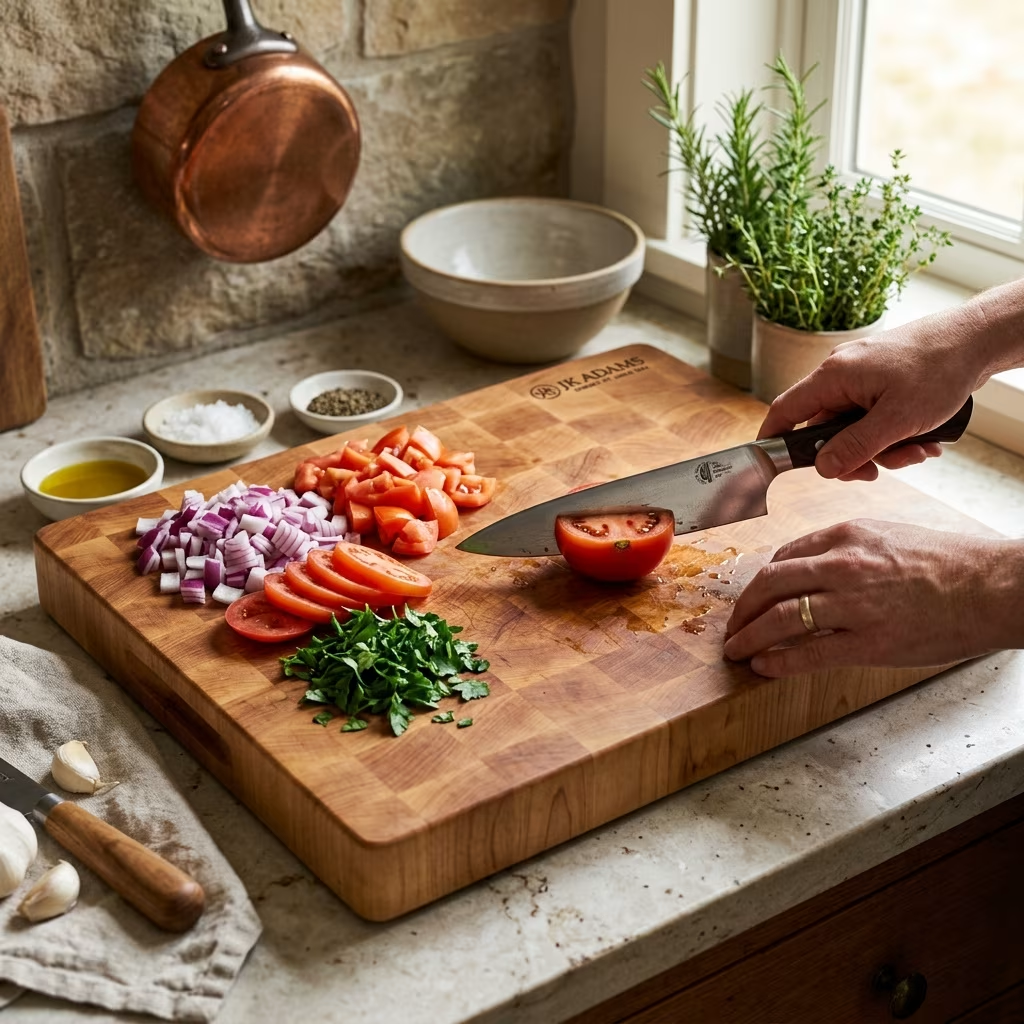
The JK Adams board makes a strong impression at first glance. Crafted from sustainably harvested North American maple, its tight grain and uniform color signal quality. The board measures a practical 16″ x 12″—large enough for most prep but not unwieldy for typical kitchens. A juice groove traces the perimeter, ready to capture runaway juices from roasts or tomatoes.
- Material: Solid North American maple wood
- Juice Groove: Trenched groove along the edge to catch liquids
- Thickness: 0.75 inches — sturdy yet not overly bulky
- Finish: Coated in mineral oil and beeswax for smooth grain and water resistance
- Weight: Substantial enough to anchor itself on the counter but still manageable
- Logo: Tastefully stamped, understated branding rather than flashy embellishments
The corners are gently rounded, which not only adds to the comfort but also eases cleaning — no sharp angles for food debris to collect.
Performance and Real-World Testing
Over multiple tests — from mincing herbs to spatchcocking chicken — the JK Adams maple cutting board proves why it is a favorite in both home and professional kitchens.
- Stability: The board sits firmly on the counter, with sufficient heft to stay put during vigorous chopping or butchery. For added security, placing a damp towel underneath works well for especially forceful tasks.
- Blade Friendliness: Maple, as a medium-hard wood, strikes a good balance. It is soft enough to preserve a sharp knife edge, yet hard enough to resist deep gouges and scarring. Even after cutting bread, tough vegetables, and meat, the surface shows minimal marking.
- Multipurpose Use: The 16 x 12 size handles most kitchen prep — dicing onions, slicing bread, even breaking down a chicken. The perimeter juice groove keeps counters clean for messier jobs like carving roast beef or slicing watermelon.
- Noise and Feedback: Unlike plastic or glass surfaces, chopping on the JK Adams board is pleasingly quiet and offers just the right feedback under the knife.
Comparing Wood to Other Cutting Board Materials
| Material | Knife Friendliness | Maintenance | Hygiene | Durability |
|---|---|---|---|---|
| Maple Wood (JK Adams) | Excellent | Requires oiling | Antimicrobial properties | Very durable with care |
| Plastic | Good | Dishwasher safe | Can scratch, harder to sanitize deep cuts | Variable (prone to scars) |
| Bamboo | Can be hard on knives | Requires oiling | Resists water, but splinters over time | Moderately durable |
| Composite | Variable | Minimal maintenance | Non-porous | Long-lasting, but can dull knives |
| Glass | Damaging to knives | Easy to sanitize | Non-porous | Brittle (can shatter) |
Environmental Credentials
JK Adams uses sustainably harvested maple, supporting local forestry practices. Wood cutting boards are renewable and, if cared for, will last for decades — unlike plastic, which must eventually be discarded as it accumulates knife scars and bacteria.
Maintenance and Care: Keeping Your Board Like New
Wooden boards do require a bit more care than their plastic counterparts, but the payoff is extraordinary longevity and better hygiene.
- Cleaning: Always hand wash with warm, soapy water. Never soak the board or put it in the dishwasher — extended soaking and heat will warp or crack the wood.
- Drying: Towel dry thoroughly after washing. Prop upright to air dry completely before storing.
- Oiling: Apply a generous layer of mineral oil or beeswax wood conditioner once a week for new boards, reducing to monthly as the finish builds up. Rub into all sides, including edges, and buff dry after soaking in.
- Smoothing: If the wood surface becomes rough due to raised grain, gently buff with fine (200 grit) sandpaper, then reapply conditioner.
- Storing: Store in a dry, well-ventilated area to avoid moisture issues or lingering odors.
Who Is This Board For?
The JK Adams maple cutting board is an excellent match for:
- Home cooks seeking a single, do-all prep board
- Professional chefs needing reliable, high-volume service boards
- Anyone looking for a beautiful board that will age gracefully with proper care
- Gift givers — engraving and personalization options add a special touch
The Features That Stand Out
- Juice Groove: Catches run-off from roasts, fruits, and other juicy foods, minimizing mess.
- Reversible Design: Both sides can be used, extending surface life and cleanliness.
- Eco-Friendly Manufacturing: Board is made in the USA from sustainably grown hardwoods.
- Lifetime Guarantee: Confidence in quality; JK Adams provides a warranty to back up durability claims.
How Does JK Adams Compare to Other Premium Wood Boards?
Several features help the JK Adams maple board stand out in an increasingly crowded market:
- Build Quality: Joints and seams are tight, the surface is sanded smooth, and the finish is consistent. There is little risk of delamination or cracking common in lower-quality boards.
- Subtle Branding: Unlike some premium boards that use prominent or inlaid logos, the JK Adams logo is discreet, enabling the natural beauty of the wood to shine.
- Value: Comparable boards from boutique brands can run much higher in price, especially with added features like juice grooves and engraved personalization.
- Versatility: With a size ideal for most kitchen tasks, not oversized or unwieldy. Larger JK Adams boards are available for users needing a true butcher block experience.
Common Mistakes to Avoid
- Never wash in the dishwasher or leave soaking in water
- Avoid placing hot pots or pans directly on the wood — this can leave burn marks
- Do not use harsh bleach or detergents; mild dish soap is sufficient
- Apply oil or conditioner regularly, especially when the board looks or feels dry
Alternatives and Customization Options
JK Adams offers a range of board sizes for different needs, all with a similar construction ethos. Personalized engraving or carving is available for those wanting to transform a humble kitchen tool into a family heirloom or gift.
- Small Maple Reversible Prep Board (12″ x 8″): Ideal for tight spaces, quick tasks, or sandwich assembly
- Professional Edge Grain Maple Board (24″ x 18″): Best suited for high-volume prep and butchery
- Cherry End Grain Board (12″ x 12″): For those who prefer the look and self-healing ability of end grain
- Engraving/Carving: Deep carving and laser engraving for a personalized touch or monogram
FAQs: Frequently Asked Questions About JK Adams Cutting Boards
Q: Is the JK Adams maple cutting board safe for all knives?
Yes. The medium-hard maple wood minimizes dulling of both Western and Japanese-style blades, without excessive scarring on the board surface.
Q: How often should I oil my board?
Weekly oiling is recommended for the first month. Thereafter, condition whenever the board looks dry or the surface feels rough.
Q: Can I cut raw meat and vegetables on the same board?
If prepping raw meat and vegetables, use one side for meat and the reverse side for vegetables to prevent cross-contamination. Fully wash and dry between uses.
Q: What should I do if my board starts to warp or split?
Minor warping may be corrected by oiling and placing the board damp side down overnight. For cracks or splits, discontinue use for raw proteins and consider light sanding and more frequent conditioning. Severe splitting may not be recoverable.
Q: Are wood boards hygienic?
Yes. Maple and walnut boards are naturally antimicrobial and actively inhibit bacterial growth when washed and dried promptly.
Final Thoughts: Should You Buy the JK Adams Maple Cutting Board?
The JK Adams Maple Wood Cutting Board delivers a consistently high standard of performance, durability, and care for both aspiring and expert cooks. Its blend of thoughtful design, practical features like a juice groove, and attractive natural finish make it a standout choice. While wood boards demand regular care, the payoff is a prep surface that can last generations while remaining hygienic and beautiful. For anyone serious about their cooking space, this board is both a worthwhile upgrade and a trusty companion through thousands of meals.
References
- https://www.jkadams.com/products/copy-of-maple-prep-cutting-board-with-juice-groove-16-x-12
- https://www.jkadams.com/products/professional-edge-grain-maple-board-24×18
- https://www.jkadams.com/products/professional-end-grain-cherry-board-12×12
- https://www.jkadams.com/products/small-maple-reversible-prep-board-12×8