Juneteenth: A Celebration of Freedom Through Food
Juneteenth, observed on June 19th each year, is a powerful day that commemorates the end of slavery in the United States. The holiday marks the moment in 1865 when Union soldiers arrived in Galveston, Texas and informed the last enslaved African Americans of their emancipation—over two years after the Emancipation Proclamation was signed. Ever since, Juneteenth has become an annual celebration of liberty, resilience, and Black cultural heritage, with food taking center stage at gatherings across the country.
Known also as Freedom Day, Emancipation Day, and Jubilee Day, Juneteenth’s traditions are shaped by regional differences and diverse family customs. Yet one unifying thread remains: a table overflowing with soulful, flavor-packed dishes that tell stories of history, community, and creativity.
Why Food Lies at the Heart of Juneteenth
Food is integral to Juneteenth not only because of its ability to bring people together, but also due to its rich symbolism. Many dishes carried on during Juneteenth are rooted in African American culinary traditions, drawing from Southern cuisine, soul food, Creole, and diasporic influences.
This connection to heritage is reflected through classic cooking methods—smoking, frying, simmering in big pots—and the use of bold flavors and communal rituals, many of which were developed by Black cooks in the face of hardship and resourcefulness.
Signature Juneteenth Foods and Their Meanings
- Barbecue: Links Juneteenth to Texan and Southern roots, symbolizing togetherness and celebration.
- Soul Food: Staples like grits, fried chicken, collard greens, and cornbread evoke comfort and pride.
- Red-Hued Foods: Watermelon, red velvet cake, hibiscus drinks, and red beans honor the blood shed and pay homage to ancestral traditions.
- Seasonal Produce: Fresh summer fruits and vegetables celebrate bounty and renewal.
Table of Classic Juneteenth Dishes
| Dish | Cuisine | Symbolism / Significance |
|---|---|---|
| Barbecued Ribs & Pulled Pork | Southern / Texan | Community, celebration, connection to South |
| Fried Chicken | Southern / Soul Food | Resilience, comfort, culinary technique |
| Shrimp & Grits | Southern / Gullah Geechee | Heritage, flexibility with seasonal seafood |
| Collard Greens | Soul Food | History, nourishment, prosperity |
| Potato Salad | American / Soul Food | Summer gathering staple, versatility |
| Red Velvet Cake | Soul Food / Southern | Symbol of blood, remembrance, celebration |
| Watermelon | Southern / African American tradition | Freedom, refreshment, abundance |
| Red Drink (Hibiscus, Kool-Aid, Sorrel) | African Diaspora | Ancestral memory, tradition, color symbolism |
| Gumbo & Jambalaya | Creole / Cajun | Community, adaptability, fusion |
Southern Classics: The Foundation of Juneteenth Feasts
Soulful Barbecue
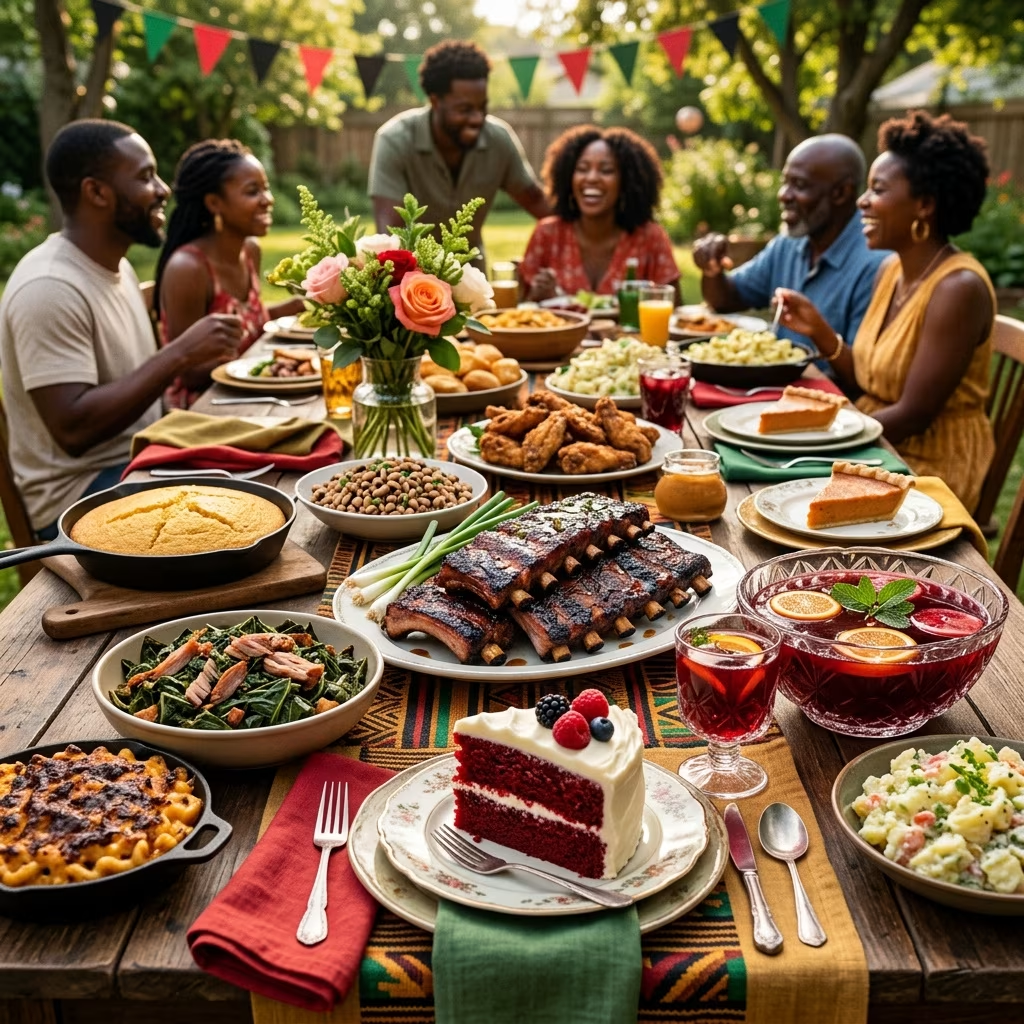
Barbecue is a quintessential Juneteenth food. Juicy pork ribs, tender pulled pork shoulder, and smoked brisket are cooked low and slow, filling backyards and community centers with their irresistible aroma. These meats honor Texas’s deep connection to barbecue, while also allowing home cooks to add their own family touches—varied spice blends, homemade sauces, or regional twists.
Southern-Fried Favorites
Golden, crispy fried chicken is another mainstay, drawing crowds with its crunch and savory richness. Cooked in cast iron skillets and seasoned to perfection, fried chicken represents ingenuity and togetherness. Pair with fluffy buttermilk biscuits or cornbread for a true soul food experience.
Comforting Sides: Grits and Greens
- Smooth, creamy grits—sometimes paired with shrimp, crab, lobster, or chicken—offer a Southern comfort and versatility. Whether simply seasoned with butter and salt or adorned with shellfish, grits are a beloved staple at Juneteenth tables.
- Collard greens, often simmered slowly with smoked meats, onions, and vinegar, symbolize wealth and good fortune. Their hearty flavor and nutritional value make them essential to the soul food tradition.
Potato and Macaroni Salads
Creamy, tangy potato salad and bright, zesty macaroni salad fit right into summertime cookouts. Often prepared with mayonnaise, mustard, sweet or dill pickles, and boiled eggs, these salads are adaptable and serve as crowd-pleasing sides.
Red-Hued Foods: Symbolism and Sensation
One of the most visually striking and historically resonant aspects of Juneteenth cuisine is the focus on red foods and drinks. The color red pays homage to the blood, suffering, and resilience of enslaved ancestors. It also links Juneteenth celebrations to West African culinary traditions—especially the use of hibiscus flowers (used in “bissap” and “sorrel”) that came over with enslaved Africans.
Watermelon
- Watermelon is almost always seen on Juneteenth tables—either sliced, cubed, pickled, or incorporated into salads. Its vivid hue and refreshing quality make it ideal for warm weather gatherings.
- For a creative twist, try watermelon, feta, and mint salad or watermelon gazpacho for a savory option.
Red Velvet Cake
Decadent and moist, red velvet cake is not only delicious but also carries visual and symbolic weight. Often topped with creamy cheese frosting, it serves as a sweet tribute to Juneteenth’s themes of resilience and joy.
Summer Strawberry Pie
Peak-season strawberries lend their vibrant color and flavor to no-bake summer strawberry pie, offering a cool and festive option for dessert.
Red Beans and Rice
If you’re looking for a substantial, crowd-pleasing dish, New Orleans-style red beans and rice fits the bill. The dish features red kidney beans stewed with vegetables, cured pork, spicy sausage, and seasonings. It’s hearty, satisfying, and keeps with the red food tradition.
Red Drinks: Tradition in a Glass
Perhaps the most iconic element of Juneteenth menus is the red drink. Its story reaches back to Africa, where hibiscus blossoms were brewed into tart, ruby beverages. Today, red drinks on Juneteenth range from homemade hibiscus teas and Jamaican sorrel to store-bought Kool-Aid or Big Red soda. All evoke memory and connection, inviting reflection while quenching thirst.
- Jamaican Sorrel: A hibiscus-based punch spiced with ginger and sweetened to taste.
- Bissap: West African hibiscus tea, sometimes flavored with orange blossom water or pineapple.
- Kool-Aid & Fruit Punch: Accessible, brightly colored alternatives popular at family gatherings.
Crowd-Pleasing Main Event Dishes
Beyond the featured classics, Southern and Creole main dishes like gumbo and jambalaya often anchor Juneteenth celebrations. These stews represent community and adaptability, as ingredients can be swapped for what’s locally available or in season.
- Cajun Gumbo: Rich stew made with a roux base, chicken, andouille sausage, and shellfish.
- Creole Jambalaya: Rice dish loaded with chicken, sausage, and shrimp—spicy, savory, and deeply satisfying.
Modern Interpretations and Regional Variations
As Juneteenth grows in national recognition, its food traditions continue to evolve. Contemporary chefs and home cooks are reimagining classic dishes, blending African, Caribbean, and local influences. Even as menus change from region to region, the spirit of celebration, remembrance, and creativity remains constant.
- Vegetarian and Vegan Variations: Plant-based takes on classics—such as greens without pork, or jackfruit barbecue—allow wider participation and dietary inclusiveness.
- Seasonal and Local Ingredients: Embracing what’s available (summer tomatoes, fresh herbs, regional seafood) keeps Juneteenth meals fresh and meaningful.
Planning Your Juneteenth Spread
- Highlight Southern staples: barbecue meats, fried chicken, shrimp & grits, collard greens.
- Feature red foods and drinks to honor their historical resonance.
- Add refreshing sides like potato salad, macaroni salad, and seasonal produce.
- Finish with sweet, colorful desserts: strawberry pie, red velvet cake.
Frequently Asked Questions (FAQs)
Q: Why are red foods central to Juneteenth celebrations?
A: Red foods and drinks symbolize the blood, suffering, and resilience of enslaved ancestors. They also connect to West African culinary traditions brought to the Americas, such as hibiscus-based drinks.
Q: What are some easy Juneteenth dishes for beginners?
A: Start with barbecue classics (like ribs or pulled pork), creamy potato salad, and watermelon. For desserts, no-bake strawberry pie or simple red velvet cupcakes are crowd-pleasers.
Q: Can vegetarian or vegan dishes be part of Juneteenth?
A: Absolutely. Swap out animal proteins for plant-based options—try jackfruit barbecue, vegan collard greens, or pasta salads loaded with fresh seasonal vegetables.
Q: How did Juneteenth become a national holiday?
A: On June 17, 2021, President Joseph R. Biden Jr. signed a bill making Juneteenth a federal holiday, formally recognizing its historical significance and encouraging nationwide celebration.
Q: What drinks are traditionally served for Juneteenth?
A: The “red drink” is traditional—options include hibiscus tea (sorrel/bissap), Kool-Aid, or fruit punch. The drink’s color and origin honor Black culinary heritage and ancestral rituals.
Celebrating Juneteenth: More Than Just a Meal
Ultimately, a Juneteenth gathering is more than barbecue and red velvet cake alone; it’s an act of remembrance, a celebration of resilience, and a reaffirmation of freedom. By cooking and sharing these traditional recipes, hosts and guests keep alive stories and customs that stretch back generations.
Whether you join a community cookout, host a backyard dinner, or simply prepare a few signature dishes at home, honoring Juneteenth through food preserves history and nourishes hope for the future.
Recipe Ideas & Serving Suggestions
- Barbecued Ribs: Marinate overnight and smoke for tenderness. Serve with homemade barbecue sauce.
- Fried Chicken: Brine for juiciness, dredge in seasoned flour, and fry in cast iron.
- Shrimp & Grits: Sauté shrimp with garlic and butter, spoon over creamy grits.
- Collard Greens: Slow simmer with onions, smoked turkey or vegan alternatives. Splash with vinegar before serving.
- Red Beans & Rice: Cook beans with smoked sausage, peppers, and herbs; serve with steamed rice and hot sauce.
- Watermelon Salad: Add feta cheese, fresh mint, and a drizzle of olive oil for a refreshing appetizer.
- Strawberry Pie: Use fresh strawberries in a graham cracker crust—chill and top with whipped cream.
- Red Drink: Brew hibiscus flowers with ginger and citrus, sweeten, and serve chilled over ice.
Further Reading & Community Connections
If you’re seeking more inspiration or historical context, many cookbooks and oral histories document African American culinary traditions. Invite family and friends to share their own Juneteenth recipes and stories for a richer celebration. Consider exploring community parades, educational events, or local Black-owned businesses for more ways to honor the holiday both at the table and beyond.
Conclusion: Food That Honors, Heals, and Celebrates
At its heart, Juneteenth is an embrace of Black freedom, creativity, and togetherness—best expressed through memorable, meaningful food. The recipes and traditions passed down and shared each June remind us of the power of resilience, the joy of community, and the endless possibilities of culinary heritage.