Japanese kissaten are traditional coffee houses exuding a distinctive blend of nostalgia, refinement, and cultural significance. For over a century, these establishments have quietly shaped Japan’s coffee culture—serving as sanctuaries for thinkers, artists, and everyday patrons seeking respite from the bustle of modern life. Today, amid a wave of third-wave coffee shops and global chains, kissaten endure as symbols of a bygone era, cherished for their unaffected charm and unwavering dedication to hospitality.
The Origins and History of Kissaten
To understand the magic of kissaten, one must journey back to coffee’s introduction to Japan and how these cafés emerged as unique social spaces:
- Origins: Coffee reached Japan via Dutch traders in the 17th century, but it was initially overshadowed by Japan’s established tea culture.
Tea shops date to the Edo era, around 1735, while coffee’s early presence was met with skepticism—seen as an “overcooked drink” by many Japanese people at the time. - The First Coffee House: In 1888, Kahiichakan opened in Tokyo’s Ueno district, inspired by European coffee salons. Its elegant leather chairs, Western décor, and stacks of newspapers attracted intellectuals and artists, offering a rare cosmopolitan space for cultural exchange.
- Short-Lived Beginnings: Despite its vibrant scene, Kahiichakan closed within five years—but it sowed seeds for future coffee-centric spaces. April 13th (the café’s opening anniversary) is still commemorated as “Kissaten no Hi” or Coffee Shop Day in Japan.
- Rise of the Kissaten: The term “kissaten” (喫茶店)—literally ‘tea-drinking shop’—emerged as new coffee specialists introduced spaces distinct from noisy, alcohol-serving cafes. From the 1920s through the Showa era (1926–1989), these kissaten proliferated, offering tranquility and attentive service.
- Post-War Boom: After WWII, a new generation of independently owned kissaten flourished, further entwining these coffee houses with daily Japanese life and urban culture.
Defining Features: What Makes a Kissaten Unique?
Kissaten possess an aura and style all their own, distinguishing them from modern cafés and global chains:
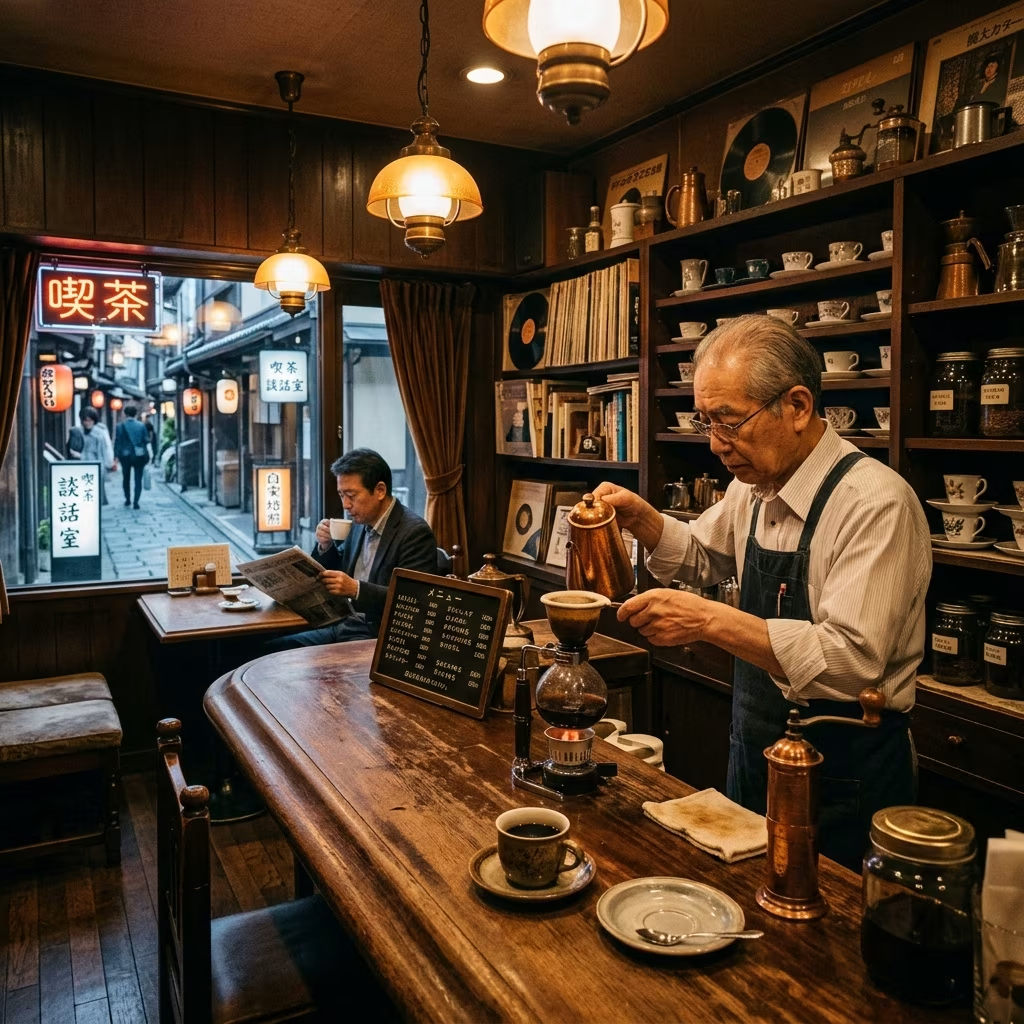
- Showa-Era Aesthetics: Most kissaten preserve classic elements from the Showa era—think wooden panels, velvet seating, hand-painted lamps, and retro signage. The ambiance is often cozy and dimly lit, invoking both nostalgia and tranquility for visitors.
- Slower Pace: Unlike today’s fast-paced coffee culture, kissaten encourage lingering. Service is at the table by attentive staff, reinforcing a sense of hospitality and old-fashioned care.
- Menu Staples:
- Hand-dripped coffee made with care, sometimes using siphon brewers or unique house blends.
- Light meals like thick-cut buttered toast, ham-and-egg sandwiches, “morning service” breakfast sets, or spaghetti napolitan (Japan’s take on spaghetti with tomato ketchup, ham, and green peppers).
- Western-style desserts and sweets, such as parfaits and cakes, rendered in a homely, slightly old-fashioned style.
- No Alcohol, Quiet Setting: In contrast to lively Western cafés, classic kissaten focus on non-alcoholic drinks and a subdued, almost contemplative atmosphere.
The Kissaten Experience: Rituals, Etiquette, and Appeal
Visiting a kissaten is both a sensory delight and a window into Japanese social customs:
- The Morning Service: Many urban kissaten open early, offering the iconic “morning service”—a hearty set of thick toast, boiled or fried eggs, possibly a salad or fruit, and freshly brewed coffee for a modest price.
- Leisure and Escape: Kissaten have long provided a retreat for writers, artists, business folk, and students. Patrons are welcome to linger, read, write, or simply relax—a significant contrast to the quick turnover of modern cafés.
- Music and Curation:
- Certain establishments feature “jazz kissa,” coffee houses where curated vinyl records play, pairing musical discovery with sensory enjoyment.
- Others boast massive libraries of books, newspapers, or art décor, further enriching the experience.
| Feature | Kissaten | Modern Café |
|---|---|---|
| Ambiance | Showa-era decor, dim lighting, tranquil | Minimalist, bright, functional |
| Service | Table service, slow pace | Counter/self-service, rapid turnover |
| Menu | Hand-dripped coffee, toast, classic desserts | Espressos, lattes, global sweets |
| Atmosphere | Quiet, no alcohol, often music-focused | Lively, sometimes noisy, alcohol often available |
| Clientele | Locals, artists, older generations, seekers of nostalgia | Younger generations, tourists, remote workers |
Classic Kissaten Menu: What to Order
- Hand-Dripped Coffee (ネルドリップ or サイフォン): The signature drink, brewed slowly, reflecting both tradition and each shop’s unique personality.
- Thick Toast (厚切りトースト): Usually served with butter and jam, often as part of the morning service.
- Egg Sandwich (卵サンド): Soft white bread with creamy egg salad or fried egg, a gentle comfort food.
- Spaghetti Napolitan: A Japanese reinvention of spaghetti, with ketchup-based sauce, ham, and vegetables—a culinary nostalgia trip.
- Parfaits & Cakes: Old-school parfaits, banana splits, or wedges of chocolate cake, all served with ceremonial flair.
Special Variants: Jazz Kissa and Manga Kissa
Jazz Kissa: Specialty kissaten focused on jazz music, where rare records and custom-built sound systems are as important as the coffee. Customers immerse themselves in curated audio experiences, respecting strict no-talking rules during certain tracks.
Manga Kissa: Modern offshoots combining the kissaten model with manga libraries and even private booths, offering a unique space for relaxation, reading, or even sleeping overnight.
Kissaten in the Modern Era: Revival, Challenges, and Transformation
The 21st century has witnessed profound changes in Japan’s coffee landscape—yet the kissaten remain, adapting and finding new appeal:
- Showa Retro Renaissance: As Japanese youth seek authenticity and “Showa retro” aesthetics, kissaten enjoy renewed popularity, becoming destinations for nostalgia and a search for roots.
- Independence and Preservation: Many kissaten are still family-run, with some passed down through generations. Owners often serve as custodians of custom, maintaining recipes and even using vintage equipment from decades past.
- Challenges: Facing competition from fast-moving chains and evolving customer preferences, many kissaten have struggled—resulting in closures. Still, a dedicated subset continues to thrive by embracing their retro identity, authenticity, and personal touch.
Kissaten also attract coffee tourists—both domestic and international visitors drawn by their reputation for unique interiors, signature blends, and living Showa history.
Notable Kissaten: Landmarks of Coffee Culture
- Café Paulista (Ginza, Tokyo): Opened in 1911, this shop made coffee accessible to the wider public and remains a foundational name in Japan’s coffee story.
- Saboru (Kanda, Tokyo): Famous for its cave-like woodwork, heavy art deco influences, and sense of timelessness.
- Benisica (Kyoto): Represents the refined coffee tradition of the old capital, featuring handmade cups and meticulous service.
Kissaten Etiquette: Dos and Don’ts
- Respect the Space: Keep voices low; many regulars come for quiet reflection or work.
- No Rushed Orders: Unlike in chain cafés, staff may expect you to settle in and enjoy—not just grab-and-go.
- Minimum Order: Some establishments enforce a “one drink minimum” per patron to maintain their margins and etiquette.
- Photography: Always ask before snapping pictures—vintage interiors may be precious to owners, and privacy is valued.
The Kissaten’s Place in Japanese Memory and Modern Life
Far more than coffee shops, kissaten have become enduring symbols of slower-paced, analog Japan—preserving not just a menu, but a way of experiencing the everyday. In the rush toward the future, they remain stubborn havens of omotenashi (dedicated hospitality), inviting new generations to savor both coffee and continuity.
Frequently Asked Questions (FAQs)
Q: What is the key difference between a kissaten and a regular café in Japan?
A: Kissaten focus on a slower pace, Showa-era décor, hand-dripped coffee, and a quiet, non-alcoholic atmosphere—contrasting with the speed, broad menus, and conviviality of modern cafés.
Q: Are kissaten disappearing from Japan?
A: Though many have closed due to competition, there is a recent Showa retro revival and a growing interest among youth, preserving or reviving some iconic kissaten. Their unique ambiance continues to attract loyal customers and coffee tourists alike.
Q: What should first-time visitors try at a kissaten?
A: Start with house blend coffee and a classic breakfast set, thick toast, or a signature dessert. Each kissaten often has a unique specialty that reflects its history.
Q: Can you work or read at a kissaten?
A: Yes, as long as you’re respectful of other patrons and the quiet atmosphere. Many regulars come to read, study, or reflect, making kissaten a perfect hideaway from the city’s pace.
References
- https://japantravel.navitime.com/en/area/jp/guide/NTJarticle0048-en/
- https://sakura.co/blog/kissaten-tracing-the-rich-history-of-japans-beloved-coffee-houses
- https://en.wikipedia.org/wiki/Kissaten
- https://deeperjapan.com/journal/coffee-culture-in-japan
- https://deeptokyo.jp/en/food_gourmet/1588/
- https://sabukaru.online/articles/japan/kissaten-culture
- https://mazdastories.com/en_us/inspire/japanese-coffee-kissatens/
- https://melscoffeetravels.com/japanese-kissaten-attention-to-detail-meets-hospitality-in-tokyo/