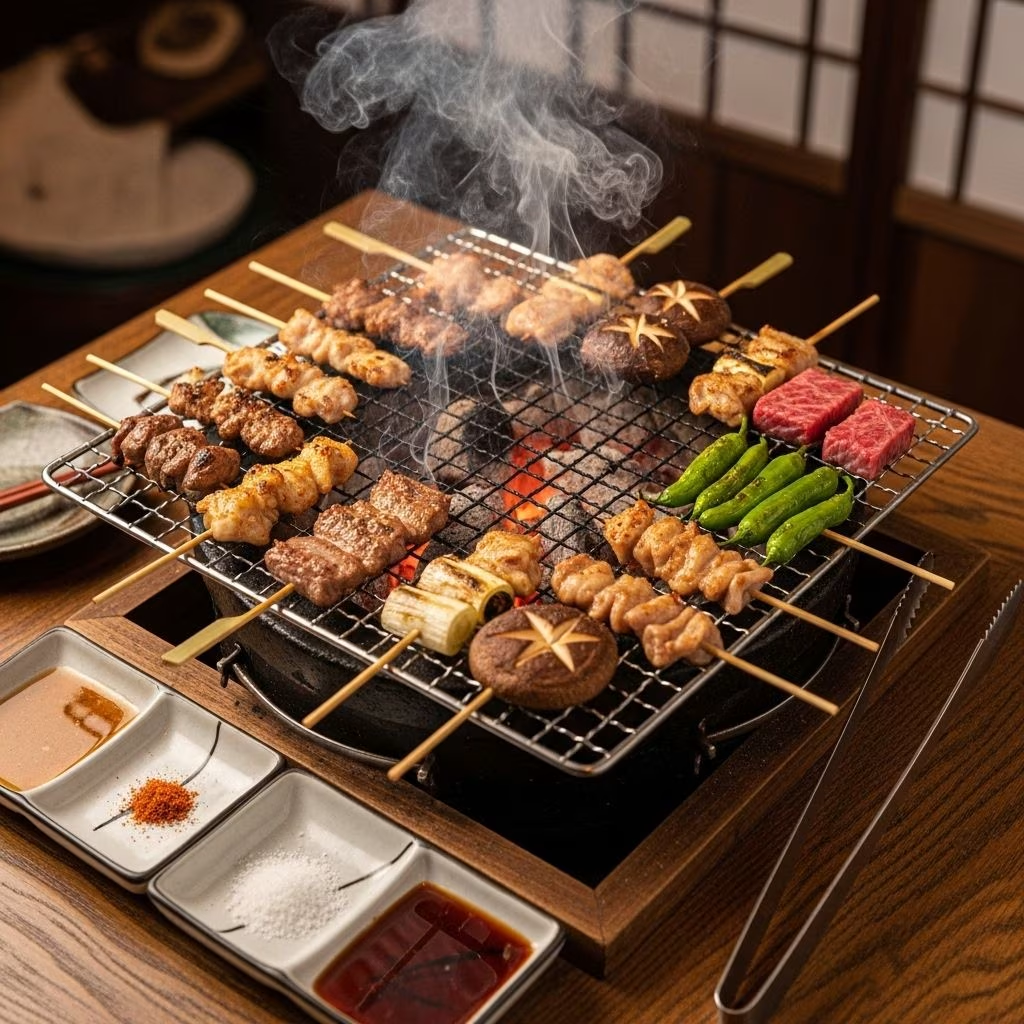
The Konro grill is at the heart of Japanese grilling traditions, prized by home cooks and world-class chefs alike for its ability to deliver exceptional heat control and bring out pure, smoky flavors. While its elegant, minimalist design may look simple, the Konro’s ingenious construction and pairing with binchotan charcoal give it unparalleled performance, making it a thrilling centerpiece for yakitori, seafood, or high-heat outdoor and indoor grilling. This guide explores the Konro grill’s origins, materials, and functionality—and how you can use it to elevate your barbecue experience.
Origins and Brief History of the Konro Grill
The Konro grill traces back centuries to rural Japan, where the compact, portable design made it ideal for both household use and itinerant street grilling. Originally fueled by wood or lump charcoal, the introduction of binchotan charcoal—a virtually smokeless, extremely hot-burning Japanese oak charcoal—in the 17th century saw Konro usage expand into izakayas and professional kitchens. Today, these grills remain central to yakitori shops and robata restaurants, revered for the purity and finesse they bring to grilling bite-sized dishes.
The Japanese Grilling Tradition
- Yakitori: Skewered chicken, grilled quickly for a crispy outside and juicy interior.
- Robatayaki: Tableside grilling of assorted proteins and vegetables on skewers.
- Seafood: Delicate fish and shellfish, grilled without overpowering smoke.
Construction and Materials
The secret to a Konro’s prowess is its heat-retaining body. Traditionally, Konros are made from a dense, quarried block of diatomaceous earth—a fossilized algae sediment that’s both lightweight and highly insulating. In modern high-quality versions, vermiculite or ceramic may be used, offering similar qualities of heat resistance and thermal retention (Many makers, including UK brands, use vermiculite for improved efficiency and lighter weight).
- Diatomaceous Earth: The traditional material, celebrated for its ability to store and reflect heat back at the food, enabling precise grilling with minimal fuel waste.
- Vermiculite: A naturally occurring heat-resistant mineral, now favored for its insulating power and safety (it helps keep the grill’s exterior cool enough to touch).
- Stainless Steel Components: Most contemporary Konros feature stainless steel or cast-iron grill surfaces and sometimes plancha plates for sautéing or direct searing, adding versatility and durability.
Key Fact: A well-built Konro can stay hot for hours, providing even radiant heat without heating up the table around it or producing excessive smoke.
Design and Unique Features
At a glance, the Konro can seem unassuming: a slender, rectangular or square box, usually about the length of a loaf of bread but sometimes built much longer for group grilling. But its subtle engineering and thoughtful details make it a powerhouse:
- Modular, Tabletop-Sized Body: Compact enough for kitchen islands or outdoor tables, but robust enough for serious grilling.
- Precision Airflow Vents: Each grill includes dual adjustable vents, allowing you to fine-tune the flame’s intensity from low-and-slow to searing-high.
- Swappable Cooking Surfaces: Many brands now provide both netted grill grates and solid plancha plates for versatile cooking.
- Superior Heat Insulation: Insulation lining, often 20–25mm thick, surrounds the grilling chamber to maximize charcoal efficiency and ensure a safe, cool-touch exterior.
- Sturdy Handles: Leather-wrapped or heat-resistant handles allow safe movement of even a hot grill.
- Elevated Feet or Base: Keeps the grill raised off the table for air circulation and surface protection.
Note: Because of its insulation, a Konro can focus the heat exactly where you want it—under your skewers—without scorching the surrounding area.
Why Binchotan Charcoal?
Binchotan charcoal is the traditional and preferred fuel for the Konro grill. Produced by slow-burning and carbonizing Japanese oak, it’s nearly smokeless, free of chemicals, and burns with a steady, extremely high heat for hours (typically 3 to 5 hours per session).
| Charcoal Type | Burn Time | Flavor Impact | Smoke Output |
|---|---|---|---|
| Binchotan | 3–5 hours | Pure, subtle smokiness | Very low |
| Hardwood Lump | 1–2 hours | Moderate smoke/flavor | Medium |
| Briquettes | 1–2 hours | Can impart off-flavors | High |
Key Advantages of Binchotan:
- Burns hotter and much longer than regular charcoals
- Hardly produces smoke—ideal for indoor or semicovered use
- Adds a subtle, clean flavor to grilled foods, letting the ingredients shine
- Leaves little ash and virtually no odor
Can I use regular charcoal? Most experts recommend binchotan for optimal results, but quality hardwood lump charcoal can work (though it will produce more smoke and burn out faster). Avoid any briquettes with additives or accelerants.
How to Use a Konro Grill
One of the Konro’s biggest draws is its simplicity—but small details make a big difference. Here’s a step-by-step overview:
- Setup: Place your Konro on a heat-safe surface (like a sturdy table, outdoor bench, or kitchen counter protected with a metal sheet/trivet). Ensure good ventilation, especially if using indoors.
- Lighting Charcoal: Use a chimney starter to light binchotan or lump charcoal outdoors; never light it inside the Konro directly. Once the coals are white-hot, spread them evenly in the grill chamber.
- Adjust Airflow: Manipulate the side vents to control temperature: fully open for searing, partially closed for gentler grilling.
- Add Food: Arrange skewers, vegetables, or seafood directly over the grates. The Konro excels at quick-cooking, small items.
- Monitor and Turn: Keep a close eye—because of the intense, focused heat, foods can cook much faster than on typical charcoal grills. Turn skewers regularly to ensure even browning.
- Finish and Rest: The plancha plate can be used for resting or gently finishing proteins after grilling.
Tip: The slim, compact design means you can create “hot” and “cool” zones by clustering coals to one side.
Konro vs. Hibachi vs. Yakitori Grill: What’s the Difference?
| Grill Type | Shape/Size | Main Fuel | Primary Use |
|---|---|---|---|
| Konro | Rectangular / Narrow | Binchotan / Lump Charcoal | Yakitori, vegetables, seafood, skewers |
| Hibachi | Square / Round, portable | Lump Charcoal, Briquettes | General grilling, historically in Japan, now used broadly for various foods |
| Yakitori Grill | Narrow, specialized | Binchotan | Chicken skewers (yakitori) |
- Konro: Versatile, with excellent heat retention and focus. Ideal for frequent grilling sessions and groups.
- Hibachi: More multi-purpose, used globally now more than in traditional Japan.
- Yakitori Grill: Essentially a narrower Konro, tailored for single rows of chicken skewers. In practice, many use Konro and yakitori grills interchangeably.
Key Benefits of Cooking on a Konro
- Cooks Hot and Even: Achieves searing temperatures—perfect for fast-cooking proteins with incredible caramelization.
- Conserves Charcoal: Superior insulation makes binchotan or lump charcoal last much longer than in larger vessels.
- Minimal Smoke/Smell: Food retains smoky flavor without overwhelming aromatics, making it suitable even for delicate seafood.
- Interactive Social Cooking: Grilling skewers together at the table is fun and communal.
- Compact and Portable: Great for balconies, patios, kitchen islands, and camping.
- Easy to Clean: Ash and grease rarely stick thanks to high, clean-burning heat; most models feature removable grates and ashes trays.
Tips for Success and Safety
- Light charcoal outdoors (binchotan requires a hot chimney or gas burner for best results).
- Align skewers parallel to the grill’s length.
- Turn food frequently, as heat is intense and focused.
- Have tongs or long chopsticks for turning and handling.
- Never use briquettes that contain chemicals or additives—they can impart unwanted flavors and create more smoke.
- Place your Konro on a stable, fireproof surface and keep children/pets at a safe distance.
- After cooking, seal vents to extinguish coals or remove them safely; dispose of ash only when completely cool.
Cleaning and Maintenance
Keeping your Konro grill in top condition is straightforward:
- Let the grill cool completely before handling.
- Remove ashes using the built-in tray or carefully scoop them out.
- Wipe any grease from the surface with a mild detergent and damp cloth. Avoid using excessive water on the insulating materials.
- Store your Konro in a dry, ventilated place to prevent mold or material degradation.
- Stainless steel grills/plates can be hand-washed—avoid harsh abrasives.
Frequently Asked Questions (FAQs)
What is a Konro grill and how is it different from other grills?
The Konro is a traditional Japanese grill specifically designed for high-performance, concentrated tabletop grilling. Its unique construction focuses heat and minimizes charcoal usage, setting it apart from larger Western or general-use grills.
Why should I use binchotan charcoal with a Konro grill?
Binchotan burns hotter, lasts longer, and produces almost no smoke or odor, resulting in exceptionally clean and flavorful grilling—essential qualities for Japanese culinary traditions.
Can I use regular charcoal instead of binchotan?
High-quality hardwood lump charcoal is acceptable but will smoke more and burn out sooner. Briquettes and treated/chemical charcoals are not recommended, as they compromise flavor and safety.
How long does binchotan charcoal last in a Konro grill?
Typically, binchotan burns for 3 to 5 hours, perfect for extended sessions and entertaining.
Is a Konro grill suitable for indoor use?
Yes—with proper ventilation, as binchotan produces very little smoke. Always follow safety protocols and ensure your cooking area is well-ventilated.
What foods work best on a Konro grill?
Anything that benefits from focused, high-heat searing: yakitori (chicken skewers), vegetables, seafood, steak bites, tofu, or even quick-to-cook shellfish. Its compact size makes it best for small, frequent batches.
Do I need special utensils?
Long metal or bamboo skewers and heat-proof tongs/chopsticks make grilling on a Konro both easier and safer.
Conclusion
The Konro grill stands as a symbol of Japanese culinary ingenuity: compact, efficient, and perfectly attuned to grilling with flavor and purity in mind. Whether you’re a yakitori lover, a fan of seafood, or a barbecue enthusiast ready for a new experience, the Konro—and a supply of binchotan—offers unmatched control, performance, and interactive fun. With the right care, it’s an heirloom-worthy tool that will transform the way you cook and entertain for years to come.
References
- https://flamery.co.uk/pages/flamery-konro-grills
- https://flamery.co.uk/blogs/news/konro-vs-hibachi-vs-yakitori-grills-what-s-the-difference
- https://konro.nl/en/blogs/real-japanese-bbq-konro-grill-and-binchotan/original-japanese-bbq-konro-grill-and-binchotan
- https://www.japanesefoodreport.com/posts/konro-grilling
- https://www.dutchwasabi.nl/en/equipment/konro-grill/
- https://www.youtube.com/watch?v=ZdZHrBDtY-U
- https://knifewear.com/en-us/blogs/articles/how-to-choose-a-charcoal-yakitori-grill-konro-v-s-shichirin-v-s-greenlife