Lidia Bastianich’s Apple Strudel: A Step-by-Step Guide to an Italian Classic
Among the many beloved Italian desserts, apple strudel stands out for its delicate pastry, tender apple filling, and centuries-old heritage. From the culinary expertise of Lidia Bastianich, this version blends tradition with approachable techniques, making it accessible for bakers of all skill levels. Below, we explore the history of strudel, essential ingredients, step-by-step instructions, expert tips, and commonly asked questions—so you can master this classic at home.
What Is Apple Strudel—And Why Is It Italian?
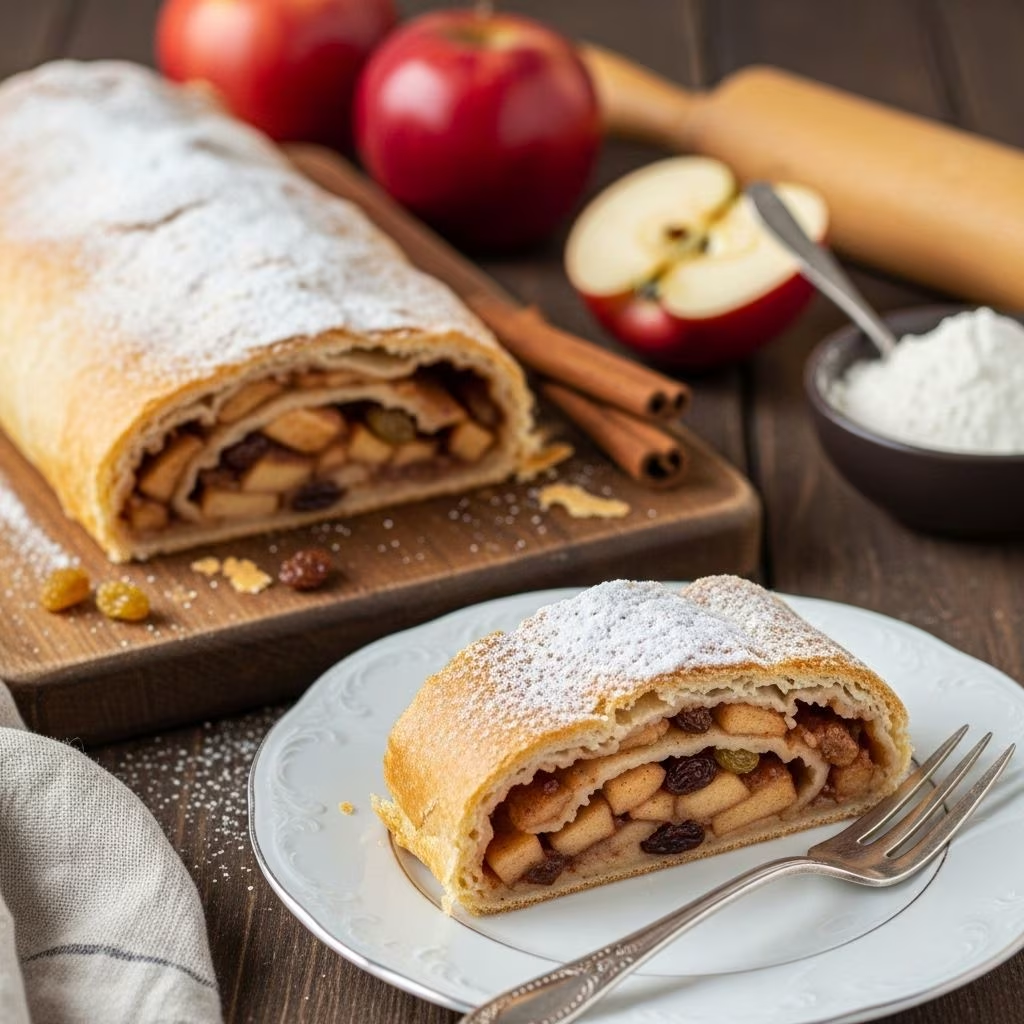
Apple strudel, or strudel di mele in Italy, is a pastry with roots in Central and Eastern Europe, most famously Austria and Hungary. Yet, it is well established in the northern Italian regions, especially Trentino-Alto Adige, where centuries of cultural exchange have made strudel part of the local cuisine. Italian versions showcase local apples—like the tart-sweet Golden Delicious—wrapped in impossibly thin, crisp pastry. Lidia Bastianich’s approach echoes these regional traditions, spotlighting simple ingredients and hands-on technique.
- Origin: German word “strudel” means “whirlpool,” referencing the dough’s spiral structure.
- Regional Variations: While Austria claims the strudel as its own, Italy’s alpine regions add their unique touch, using regional apples and flavorings.
Trentino-Alto Adige: The Heart of Italian Strudel
This northern region, bordering Austria and Switzerland, is renowned for its apple orchards. Apple strudel arrived here centuries ago and adapted to local produce and culinary habits. The result is a lighter pastry—often made without yeast or eggs—filled with local apples, raisins, pine nuts, and sometimes breadcrumbs.
| Strudel Element | Italian (Trentino-Alto Adige) | Central European (Austrian/Hungarian) |
|---|---|---|
| Pastry | Thin, hand-pulled dough without yeast or eggs | Yeast or puff pastry variants common |
| Filling | Golden Delicious apples, pine nuts, raisins, lemon zest | Variety of apples, walnuts, spices |
| Sugar | Often less sweet, emphasis on fruit flavor | Sweeter and spiced |
Lidia Bastianich’s Apple Strudel: Core Ingredients
This recipe relies on classic pantry staples, allowing apples to shine. See below for the essential items.
- All-purpose flour: For the tender yet sturdy pastry.
- Warm water & vegetable oil: Key to creating an elastic dough that stretches thin.
- Salt: Enhances overall flavor.
- Apples: Golden Delicious recommended for balance of sweet-tart and texture.
- Granulated sugar: Just enough to highlight the apples.
- Raisins & pine nuts: For sweetness and nutty crunch.
- Lemon zest: Bright accent that lifts the filling.
- Cinnamon: A pinch for warmth and aroma.
- Breadcrumbs: Absorbs apple juices for a non-soggy strudel.
- Butter: Brushed onto the dough for flavor and flakiness.
A Step-by-Step Method: How to Make Strudel Dough
Making strudel dough is an art that rewards patience. Unlike puff pastry, strudel dough is humble, relying on gluten formation for stretchiness. Here’s how to master it:
- Mixing the Dough: Combine flour, warm water, oil, and salt. Knead until smooth and elastic—around 10 minutes. Rest the dough (covered) for at least 1 hour; this relaxes gluten, making the dough easier to stretch.
- Shaping: Place the dough on a lightly floured surface, flatten into a rectangle, then—using a rolling pin and your hands—gently start stretching the dough outward. The goal: paper-thin dough you can read a newspaper through.
- Stretching Technique: Drape the dough over the backs of your hands and gently stretch outwards. Use a floured cotton sheet or tablecloth for support—a traditional method that prevents sticking and aids rolling.
- Butter Layer: Brush melted butter over the dough; this creates layers as the strudel bakes.
Preparing the Filling: Balance and Texture
The filling should be both juicy and structured. Lidia’s recipe calls for peeled, cored, and thinly sliced Golden Delicious apples. Mixing with sugar, raisins, pine nuts, lemon zest, and cinnamon creates a vibrant, nuanced filling. Tossing with dry breadcrumbs prevents the juices from making the pastry soggy.
- Apple Prep: Peel and core apples; slice thin for even cooking.
- Mix-ins: Combine apples with raisins, pine nuts, sugar, cinnamon, lemon zest, and breadcrumbs.
- Even Spreading: Spread filling evenly over the dough, leaving borders for sealing.
Rolling, Shaping, and Baking
Once the filling is in place, the strudel is rolled up gently—using the tablecloth to help create a tight spiral. Edges are tucked in, and the strudel is transferred to a lined baking sheet. Before baking, more melted butter is brushed atop for rich flavor and color. Bake until golden brown and crisp; the aroma is unmistakable.
- Rolling: Use the tablecloth to gently lift and roll the dough over the filling.
- Sealing: Tuck in side edges to prevent leaks.
- Transfer: Carefully move the rolled strudel to a parchment-lined sheet.
- Butter Brush: Generously brush strudel with melted butter.
- Baking: Bake until deep golden and crisp—typically 40–50 minutes at moderate heat.
Serving Suggestions and Storage
Strudel shines fresh and warm, though it can be served at room temperature. Traditional accompaniments include a light dusting of powdered sugar or a dollop of whipped cream. It’s excellent for breakfast, dessert, or alongside coffee and tea. Leftovers can be wrapped and stored at room temperature for one day, or refrigerated up to three days (bring to room temp or gently reheat before serving).
- With whipped cream
- Light dusting of confectioners’ sugar
- Alongside espresso or tea
Expert Tips for Strudel Success
- Rest Dough Sufficiently: At least one hour makes the dough easier to stretch thin without tearing.
- Use a Cotton Sheet: Traditional bakers employ a clean, floured cotton cloth to facilitate stretching and rolling.
- Choose the Right Apples: Golden Delicious hold their shape and stay pleasantly tart—even after baking.
- Breadcrumbs Are Key: Helps absorb moisture for a crisp, intact spiral.
- Gentle Handling: Avoid tearing the dough by stretching slowly and evenly.
Frequently Asked Questions (FAQs)
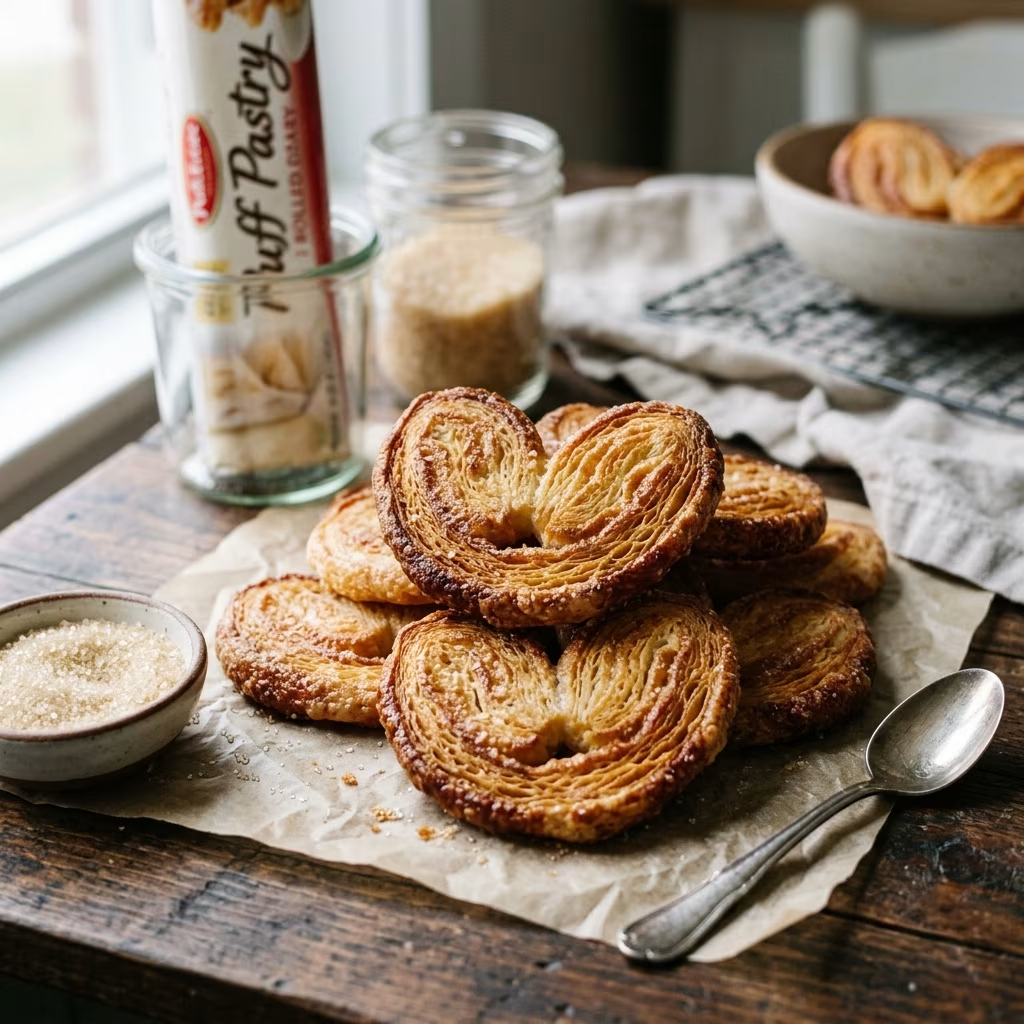
Can I use store-bought puff pastry instead of traditional strudel dough?
For convenience, puff pastry works as a substitute, but the result differs in texture and authenticity. Traditional strudel dough has a unique elastic chew and shattering crispness not matched by puff pastry.
What apples work best for strudel?
Golden Delicious are the classic choice in Northern Italy, but Granny Smith or Gala apples are suitable alternatives. Avoid mealy varieties, which break down and make for soggy filling.
How thin should I stretch the dough?
Proper strudel dough should be so thin that you can read text underneath it. Take your time; patch small tears if needed with dough scraps.
Can strudel be made ahead of time?
Yes: Bake, cool, and store at room temperature for one day or refrigerate up to three days. Strudel also freezes well; reheat gently before serving.
Can I add other fruits or nuts?
Absolutely. Pears, apricots, or plums can be added for a twist. Walnuts and hazelnuts work well in the filling.
Nutritional and Dietary Notes
- Vegetarian: This recipe contains no meat or eggs, making it vegetarian-friendly.
- Dairy-free option: Replace butter with a plant-based alternative for a dairy-free version.
- Nut allergens: Pine nuts may be omitted or replaced with seeds for allergy-friendly baking.
Why Make Apple Strudel at Home?
Baking strudel provides a connection to regional Italian tradition, family history, and the joy of hands-on pastry making. Lidia Bastianich’s recipe proves that with patience and practice, anyone can achieve gorgeous, aromatic apple strudel worthy of a festive table or a cozy weekend treat.
- Time-honored technique: Experience the art of hand-pulled pastry.
- Homemade flavor: Rich, nuanced aroma and texture.
- Customizable: Adapt filling to seasonal fruits and personal preferences.
- Shareable: Strudel serves a crowd—perfect for gatherings and celebrations.
Lidia Bastianich’s Apple Strudel Recipe
Ingredients
- 2 cups all-purpose flour (plus more for dusting)
- 1/2 teaspoon fine sea salt
- 2/3 cup warm water
- 3 tablespoons vegetable oil (plus more for greasing)
- 4 medium Golden Delicious apples (about 2 pounds), peeled, cored, and thinly sliced
- 1/2 cup granulated sugar
- 1/2 cup raisins
- 1/4 cup pine nuts
- 2 teaspoons finely grated lemon zest
- 1 teaspoon ground cinnamon
- 1/2 cup dried breadcrumbs
- 4 tablespoons unsalted butter, melted
- Confectioners’ sugar (for serving)
Instructions
- Mix flour and salt in a bowl. Add warm water and oil; stir until a dough forms. Knead until elastic and smooth, about 10 minutes. Cover and let rest for at least 1 hour.
- On a lightly floured cotton cloth, flatten dough into a rectangular shape. Use a rolling pin to begin, then hand-stretch dough by draping over hands and gently pulling outward until it’s paper-thin.
- Brush dough generously with melted butter.
- Mix apples, sugar, raisins, pine nuts, lemon zest, cinnamon, and breadcrumbs in a large bowl. Spread this mixture evenly over the stretched dough, leaving a 1-inch border on all sides.
- Using the cloth, roll the strudel into a tight spiral. Tuck in edges to seal.
- Transfer, seam side down, to parchment-lined baking sheet. Brush with more melted butter.
- Bake at 375°F (190°C) for 40–50 minutes, until golden brown and crisp.
- Cool for 10–15 minutes. Slice and serve warm or at room temperature, dusted with confectioners’ sugar.
Apple Strudel: A Celebration of Italian Alps and Simple Pleasures
Whether for special occasions or everyday enjoyment, apple strudel embodies rustic elegance, regional pride, and the happiness of baking from scratch. Lidia Bastianich’s version—the product of generations of knowledge—invites every cook to celebrate Italian flavors, create lasting memories, and enjoy the sweet rewards of patient hands and seasonal apples.
Frequently Asked Questions (FAQs)
Q: What makes Italian apple strudel different from Austrian versions?
A: Italian strudel, particularly from Trentino-Alto Adige, uses a lighter, egg-free dough and regional apples such as Golden Delicious, often with pine nuts and lemon zest for distinctive flavor.
Q: Are special skills needed to stretch strudel dough?
A: No special skills are required—just patience. Letting the dough rest and stretching it gently will ensure success, even for beginners.
Q: Can strudel be made gluten-free?
A: While traditional dough relies on gluten structure, gluten-free flour blends can be used; expect a more delicate pastry and handle with extra care when stretching.
Q: How do I prevent soggy strudel?
A: Be sure to toss the apples with breadcrumbs, which absorb juices. Cool the baked strudel on a rack for crisp texture.
Q: What occasions are best for serving apple strudel?
A: Strudel is perfect for holidays, brunches, and cozy gatherings—or any time you want to showcase classic baking techniques and Italian flavors.