Marbled Tea Eggs: A Technique-Driven Guide to an Iconic Chinese Snack
Marbled tea eggs are a visually stunning and flavorsome snack found throughout China, Taiwan, and much of East Asia. Their signature marbled appearance and complex, aromatic flavor have made them a favorite not only at street food stalls but also in homes around the world. This guide offers an in-depth exploration of the origins, methods, science, and culinary enjoyment of marbled tea eggs, designed for both newcomers and seasoned cooks seeking perfection.
What Are Marbled Tea Eggs?
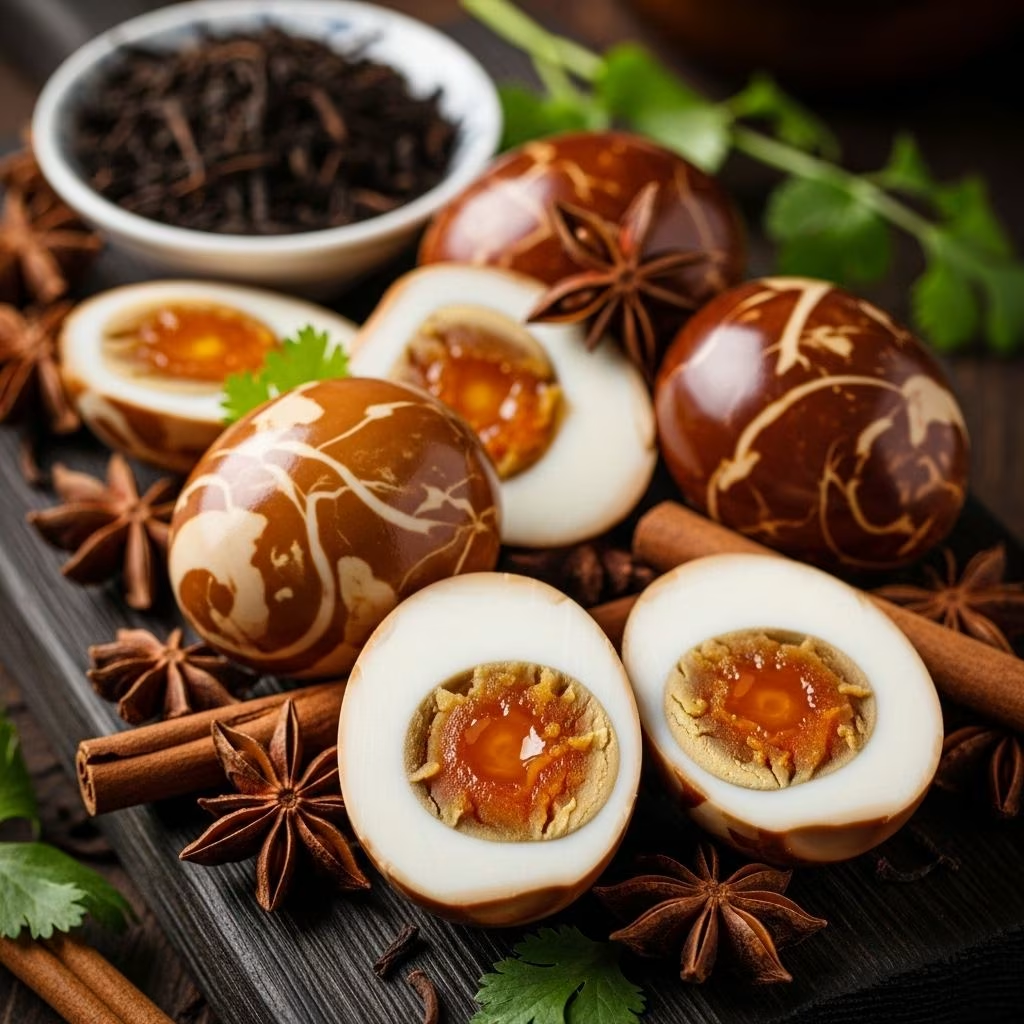
Marbled tea eggs are hard-boiled eggs gently cracked and simmered in a fragrant mixture of tea, soy sauce, spices, and aromatics. The cracks in the shell allow the steeping liquid to infuse the whites, creating beautiful brown veins and a multifaceted flavor. The process turns an ordinary egg into a work of edible art and a celebration of culinary technique.
Origins and Cultural Significance
Tea eggs are believed to have originated in China, where they remain a quintessential snack often sold by street vendors, convenience stores, and in homes during festivals and holidays. Their marbled appearance not only makes them visually appealing, but also symbolizes good luck and prosperity. The snack has come to represent comfort and everyday flavor, transcending regional boundaries and even inspiring variations in countries such as Taiwan and Malaysia.
- Symbolism: Eggs are symbols of renewal and prosperity in Chinese culture; the marbled shell adds festive flair.
- Widespread Enjoyment: Eaten as snacks, breakfast food, or side dishes, tea eggs have broad appeal across generations and social settings.
The Science and Art Behind Marbling
The iconic marbling occurs when surface cracks in the shell allow the steeping liquid to penetrate, while the shell holds the egg together during soaking. Flavor molecules diffuse gradually into the whites, avoiding over saturation or toughness. Achieving the perfect marble effect is both science—knowing how to crack and soak—and art, balancing soaking time, flavor intensity, and aesthetic detail.
Essential Ingredients: Crafting the Perfect Tea Egg
| Ingredient | Purpose | Variations |
|---|---|---|
| Chicken Eggs | Main component; hard-boiled | Any color shell; white is preferred for contrast |
| Black Tea Leaves/Bags | Color, tannins, distinct aroma | Oolong, pu-erh, lapsang souchong, or loose black tea |
| Soy Sauce | Salt, umami, color depth | Tamari for gluten-free, or low-sodium for lighter taste |
| Spices | Complexity and natural perfume | Star anise, cinnamon, Sichuan peppercorn, bay leaves |
| Sugar | Mild sweetness; flavor balance | White sugar, dark brown sugar, or honey |
| Orange Peel | Citrus freshness, aromatic depth | Lemon peel or mandarin peel |
| Shaoxing Wine (optional) | Complexity, richness | Skip or substitute mirin for a different profile |
Step-by-Step Recipe: Achieving the Ideal Marble
Ingredients List
- 12 large chicken eggs, at room temperature
- 5 cups cold water
- 1/2 cup soy sauce (preferably dark)
- 1 tablespoon sugar (light or dark)
- 3 whole star anise pods
- 1 cinnamon stick (preferably Chinese cassia)
- 1 teaspoon Sichuan peppercorns
- 2 bay leaves
- 2 tablespoons black tea (loose or bagged)
- 2 strips orange peel (wide, not pithy)
- 1 tablespoon Shaoxing wine (optional)
- Salt, to taste
Method
- Hard-boil the eggs: Place eggs in a large saucepan, add cold water to cover by 1 inch. Bring to a gentle boil over medium heat. Once boiling, cover, remove from heat, and let sit for 8–10 minutes. Transfer eggs to ice bath and cool completely.
- Crack the shells: Using the back of a small spoon, gently tap each cooled egg all over so the shell is covered in fine cracks, but remains intact. Avoid removing shell pieces.
- Prepare tea marinade: In a deep saucepan or pot, combine water, soy sauce, sugar, spices, tea, orange peel, wine (if using), and salt. Bring to a boil, then reduce heat and simmer for 10 minutes. Turn off heat and allow mixture to cool for 10 minutes.
- Simmer the eggs: Add cracked eggs to tea marinade. Simmer gently for 20–40 minutes, rotating occasionally for even exposure.
- Steep for flavor and color: Remove from heat and allow eggs to steep in the marinade until completely cool—at least 1 hour, or cover and refrigerate up to 24 hours for stronger flavor and more pronounced marbling.
- Peel and serve: Remove eggs from marinade, wipe dry, and gently peel shell. Admire the marble patterns.
Troubleshooting and Pro Tips
- Crack Carefully: Too forceful and the whites may split; too gentle and the marbling will be faint. Use a spoon with a rounded back for best control.
- Steeping Duration: Longer steeping means stronger flavor and darker marble lines; up to 24 hours is ideal for intensity.
- Tea Choice: Smoky varieties such as lapsang souchong impart a deeper, woodsy flavor. Oolong adds a creamy, floral profile.
- Soy Sauce Quality: A mix of dark and light soy sauce gives both savory depth and controlled saltiness.
- Sugar Level: Adjust to taste for subtle sweetness or pronounced caramel notes.
- Reuse Marinade: Strain, refrigerate, and reuse marinade up to three times for subsequent batches.
Flavor Variations and Experimentation
Tea eggs lend themselves to regional distinctions and personal creativity. Consider these twists:
- Taiwanese Style: Use Taiwanese black tea and add rock sugar for a rich sweetness.
- Spicier Version: Add chili flakes or Sichuan chili paste for heat.
- Japanese Influence: Swap Chinese spices for kombu and mirin for a subtle umami flavor; serve alongside ramen.
- Vegetarian Marinade: Use tamari and omit wine for a straightforward profile suitable for vegetarians.
Serving Suggestions: How to Enjoy Marbled Tea Eggs
- Street Snack: Enjoy warm or at room temperature on their own, sprinkled lightly with salt or five-spice.
- Picnic Fare: Serve chilled, quartered with pickled vegetables.
- Breakfast: Halve over congee, rice porridge, or noodles.
- Party Platter: Slice and arrange with smoked meats, cheeses, or tofu for a festive appetizer.
Storing and Make-Ahead Tips
- Tea eggs keep: Up to 3–4 days in the refrigerator. Leave them in marinade for ongoing flavor development.
- Meal Prep: Marbled tea eggs are perfect for batch cooking; prepare several days in advance.
- Reuse Marinade: Strain and freeze for future use—great for reducing food waste.
Frequently Asked Questions (FAQs)
Q: Can I use brown eggs for marbled tea eggs?
A: Yes, brown eggs work just as well; the marbling will be less visible but the flavor is unchanged.
Q: Can tea eggs be made with loose tea leaves?
A: Absolutely. Loose tea leaves impart stronger flavor; be sure to strain marinade before reuse.
Q: Is it necessary to steep eggs for 24 hours?
A: For optimal marbling and intense aroma, longer steeping is best, but minimum 1–2 hours yields acceptable results.
Q: Are marbled tea eggs gluten-free?
A: Use tamari in place of soy sauce for a fully gluten-free version.
Q: Why do my tea eggs taste bland?
A: Extend the marinating time or increase the concentration of aromatics—more soy sauce, stronger black tea, or additional spices help.
Expert Tips for Perfect Results
- Let eggs reach room temperature before boiling for fewer cracks and smoother whites.
- Add marinade ingredients while water is still heating to maximize spice extraction.
- Use a non-reactive pot (such as stainless steel or enamel) to prevent metallic taste.
- Rotate eggs in marinade for even coloration.
- Save leftover marinade for future wares, strain thoroughly.
Conclusion: The Joy of Marbled Tea Eggs
Mastering marbled tea eggs is about understanding technique, embracing flavors, and honoring a centuries-old culinary tradition. The result is a unique, portable, and nutritious snack that bridges art and comfort. Experiment freely, share with friends and family, and enjoy the satisfying crackle of every slice.