Matcha Green Tea: Benefits, Preparation, and Everything You Need to Know
With its vibrant green hue and earthy taste, matcha green tea has become a global phenomenon, celebrated for its unique flavor and various health benefits. Whether whisked into a frothy drink or stirred into culinary creations, matcha offers a blend of tradition and innovation. This comprehensive guide explores what matcha is, its health benefits, how to prepare it, and delicious ideas to make it part of your daily routine.
Contents
- What is Matcha?
- Matcha Green Tea Health Benefits
- How to Make Matcha
- Matcha Recipes & Ways to Enjoy
- Frequently Asked Questions (FAQs)
What is Matcha?
Matcha is a specialized form of powdered green tea made from high-quality Camellia sinensis leaves. Unlike traditional teas, matcha leaves are shade-grown for several weeks before harvest, increasing their chlorophyll and amino acid content. After harvesting, the stems and veins are removed, and the leaves are ground to a fine, bright green powder.
Originating from Japan, matcha is central to the Japanese tea ceremony and is prized for both its flavor and health benefits. Unlike steeped tea, where most leaves are discarded, matcha whisked into water or milk lets you consume the whole leaf, resulting in a more concentrated intake of nutrients.
Types of Matcha
- Ceremonial Grade: The highest quality, used in traditional tea ceremonies. Best enjoyed simply whisked with hot water.
- Culinary Grade: Slightly more bitter, suitable for cooking and baking (e.g., for lattes, smoothies, desserts).
Visual and Taste Profile
- Color: Vivid, emerald green
- Aroma: Grassy, vegetal with subtle sweet notes
- Flavor: Smooth, umami-rich, mildly grassy and sometimes slightly bitter
Matcha Green Tea Health Benefits
Matcha stands out from regular green tea due to its concentrated nutritional profile. Scientific studies and centuries of usage highlight a wealth of potential health benefits:
Top 10 Health Benefits of Matcha Green Tea
- Jitter-Free Energy Boost: Caffeine in matcha combines synergistically with the amino acid L-theanine, offering stable, calm energy and mental alertness—no crash or anxiety typically associated with coffee.
- Promotes Relaxation and Concentration: L-theanine enhances alpha wave activity in your brain, helping you relax yet remain focused and mindful.
- Rich in Antioxidants: Matcha contains potent antioxidants, including catechins like EGCG (epigallocatechin gallate), which help combat oxidative stress, reduce inflammation, and may lower the risk of chronic disease.
- Supports Heart Health: Regular matcha consumption has been linked to reduced LDL (‘bad’) cholesterol and increased HDL (‘good’) cholesterol, helping to protect against heart disease.
- Boosts Immunity: High levels of polyphenols, catechins, and flavonoids fortify the immune system and help fight bacteria and viruses.
- Aids Weight Loss: Matcha increases calorie burning and fat oxidation, supporting healthy weight management when combined with exercise.
- Anti-Aging Benefits: Its antioxidants help minimize cellular damage and inflammation, helping maintain youthful skin and overall wellness.
- Potential Cancer Protection: EGCG in matcha is being studied for its ability to suppress tumor growth and provide anti-cancer effects.
- Improves Mood & Alleviates Anxiety: The synergy of caffeine and L-theanine relaxes the body and uplifts mood.
- Enhances Metabolism: Polyphenols and caffeine in matcha work together to increase your body’s metabolic rate, helping burn more calories naturally.
| Compound | Health Benefit | Found in Matcha |
|---|---|---|
| L-theanine | Promotes calm focus, reduces stress | High |
| Catechins (EGCG) | Antioxidant, aids heart health, cancer prevention | High (137x regular green tea) |
| Caffeine | Improved energy and alertness | Moderate |
| Polyphenols | Anti-inflammatory, boosts immunity | High |
Note: While matcha is extremely nutritious, only your physician can provide personalized medical advice. These benefits are based on scientific and anecdotal evidence and may not apply equally to everyone.
How to Make Matcha Green Tea
Preparing matcha is both simple and ritualistic, enhancing the enjoyment and nutritional value of every cup. Follow these steps for an authentic Japanese-style matcha serving:
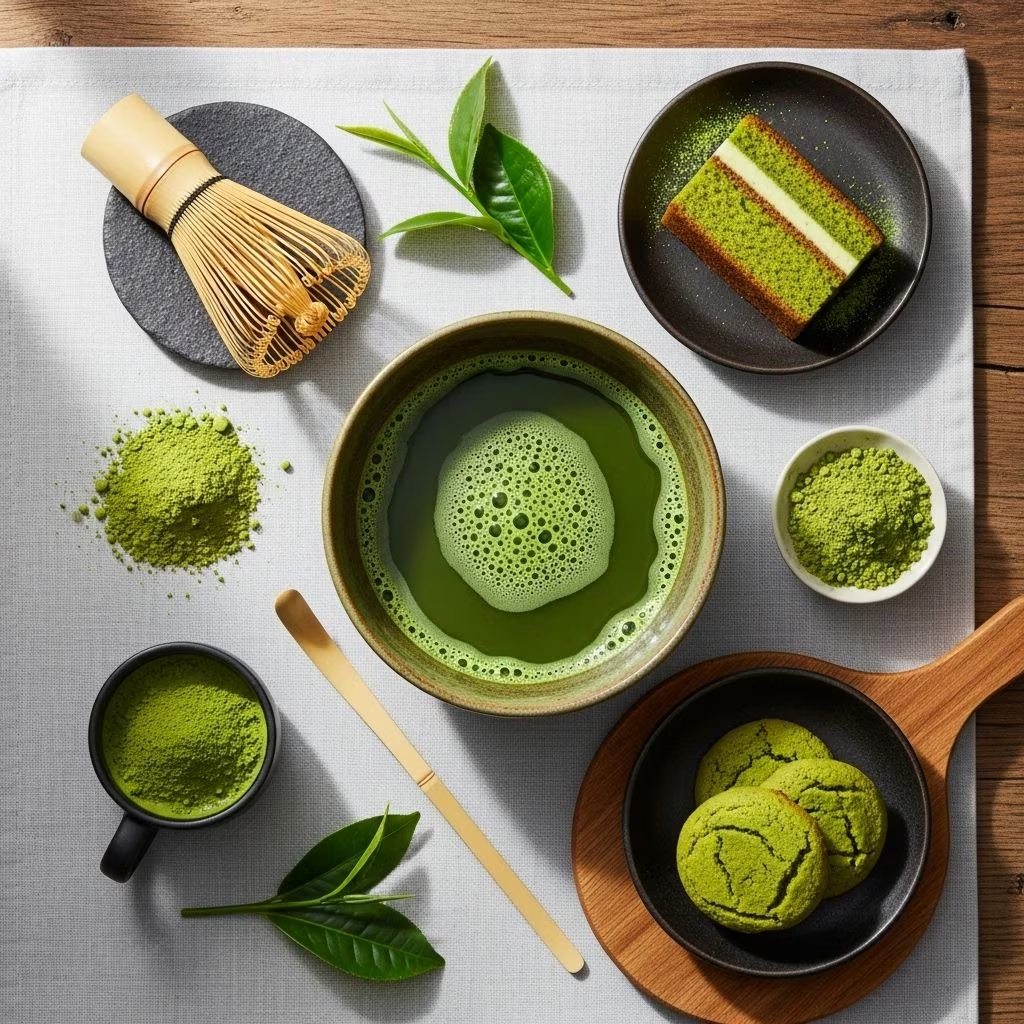
Ingredients & Tools
- High-quality matcha powder (ceremonial or culinary)
- Hot water (not boiling, 175°F/80°C recommended)
- Traditional bamboo whisk (chasen) or small electric frother
- Small bowl (chawan)
- Fine mesh strainer (optional) to reduce clumps
Step-by-Step Matcha Preparation
- Sift the matcha powder (about 1–2 teaspoons per serving) into your bowl to remove any lumps.
- Heat your water (not boiling; too hot will make matcha taste bitter).
- Add a small amount of water (2 ounces) to the powder.
- Whisk vigorously in a zigzag (M or W) motion until the matcha becomes frothy, with no visible clumps. This should take about 30 seconds.
- Add more hot water (up to 6 ounces total) to adjust taste and strength. Enjoy immediately.
Tips for Perfect Matcha
- Use fresh, filtered water for the best taste.
- Experiment with water-to-powder ratios to customize flavor strength.
- Try blending matcha into milk or milk substitutes for a creamy latte.
- For iced matcha, simply whisk with cold water and pour over ice.
Matcha Recipes & Ways to Enjoy
Beyond traditional tea, matcha’s versatility extends to a variety of recipes and uses:
Popular Matcha Recipes
- Matcha Latte: Whisk matcha powder with hot (or iced) milk, sweeten to taste with honey or maple syrup.
- Matcha Smoothie: Blend matcha powder, banana, spinach, and nondairy milk for a flavorful, energizing smoothie.
- Matcha Overnight Oats: Stir matcha into overnight oats with coconut milk and a touch of vanilla.
- Matcha Baked Goods: Add matcha powder to muffin, pancake, or cake recipes for color and nutrition.
- Matcha Ice Cream: Whisk matcha powder into softened ice cream or frozen yogurt for a refreshing treat.
Creative Uses for Matcha
- Sprinkle on yogurt or chia pudding for a nutritious antioxidant boost.
- Mix into homemade energy bars or protein balls.
- Stir into salad dressings or vinaigrettes for a unique twist.
- Use in sauces, marinades, or even cocktails for an earthy depth of flavor.
Frequently Asked Questions (FAQs)
Q: Is matcha healthier than regular green tea?
A: Yes. Because matcha is made of whole powdered leaves, it contains significantly greater concentrations of antioxidants, L-theanine, vitamins, and minerals compared to steeped green tea. For example, matcha contains up to 137 times more EGCG than standard green tea.
Q: How much caffeine does matcha have?
A: One serving (1 gram) of matcha typically has 30–35 mg of caffeine, less than a standard cup of coffee but enough for a gentle energy boost. The presence of L-theanine minimizes jittery side effects and balances the energizing effect.
Q: Can I drink matcha every day?
A: Yes. Consuming matcha daily is considered safe for most people and may help support various aspects of health, from energy and focus to heart health. However, moderation is recommended (1–2 servings per day) due to natural caffeine and certain trace minerals.
Q: How do I store matcha?
A: Store matcha in a cool, dark place in an airtight container. As matcha is sensitive to light, air, and humidity, refrigeration is often recommended for best preservation of flavor and nutrients.
Q: What is the best way to sweeten matcha?
A: To maintain matcha’s pure taste and health profile, sweeten with natural options like honey, agave, or pure maple syrup. Some matcha fans enjoy it unsweetened for an authentic earthy flavor.
Q: Is there a difference between ceremonial and culinary matcha?
A: Absolutely. Ceremonial grade is intended for sipping and uses the youngest, highest quality leaves, resulting in a sweeter, milder flavor. Culinary grade is less expensive and more robust, ideal for mixing into recipes where matcha is an ingredient.
Q: Can matcha help with weight loss?
A: Some studies suggest matcha’s combination of catechins and caffeine can enhance metabolism and fat burning, supporting weight management when paired with regular activity.
Q: Are there any side effects?
A: Matcha is considered safe for most people when consumed in moderation. Overconsumption of caffeine can cause insomnia, upset stomach, or headaches. Always consult a healthcare professional if you’re pregnant, breastfeeding, or have a medical condition.
Final Notes
Matcha green tea combines ancient tradition with modern health science, bringing together taste, vitality, and wellness in every cup. With its versatility—from simple tea ceremonies to innovative recipes—matcha is more than just a drink: it’s an experience that bridges culture, community, and conscious living.
References
- https://matcha.com/pages/matcha-health-benefits
- https://www.goldentipstea.com/blogs/all/top-10-amazing-health-benefits-of-matcha-green-tea
- https://tenzotea.co/pages/21-health-benefits-matcha-green-tea
- https://www.bbcgoodfood.com/health/health-benefits-of-matcha-tea
- https://www.healthline.com/nutrition/7-benefits-of-matcha-tea
- https://www.health.harvard.edu/staying-healthy/matcha-a-look-at-possible-health-benefits
- https://pmc.ncbi.nlm.nih.gov/articles/PMC9792400/
- https://www.webmd.com/food-recipes/ss/slideshow-all-about-matcha