Mushroom and Crushed Egg Tapas: A Celebration of Spanish Flavors
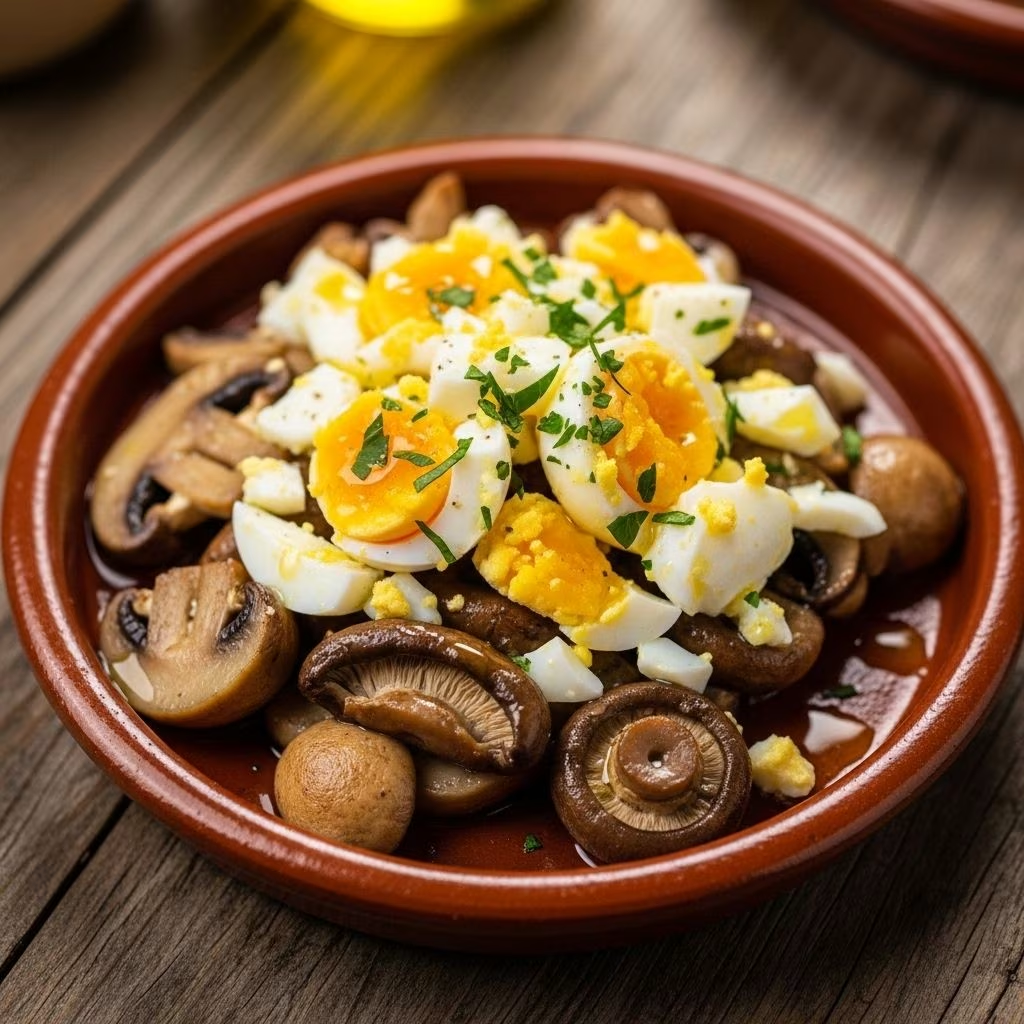
Spanish tapas culture brings people together through vibrant flavors and communal dining. Among iconic offerings, mushroom and crushed egg tapas—known in Spain as tapas de setas con huevo—stands out for its simplicity, earthy depth, and satisfying richness. Combining sautéed mushrooms with soft, crushed eggs and aromatic herbs, this dish epitomizes the mindful blending of quality ingredients and straightforward technique found in the Mediterranean kitchen. This comprehensive guide dives into the roots, preparation, and serving tips for this beloved classic.
Contents
- Introduction: Tapas Culture in Spain
- The Dish: Mushroom and Crushed Egg Tapas Defined
- Essential Ingredients & Shopping Tips
- Step-by-Step: Making Mushroom and Crushed Egg Tapas
- Culinary Variations & Serving Ideas
- Technique & Common Mistakes
- Frequently Asked Questions (FAQ)
- Nutritional Highlights
- Final Thoughts: The Joy of Small Plates
Introduction: Tapas Culture in Spain
Tapas are not just food; they are a cornerstone of Spanish social life. Enjoyed in bustling taverns and quiet home kitchens alike, tapas can be simple or sophisticated. Small plates encourage sharing, conversation, and appreciation for local ingredients. Mushroom and crushed egg tapas are particularly popular in regions with abundant wild mushrooms, especially during autumn when mushroom hunting, or setas foraging, is a beloved tradition. These earthy dishes often feature at gatherings and are served alongside wine, sherry, or cider.
The Dish: Mushroom and Crushed Egg Tapas Defined
The essence of this dish is the union of perfectly sautéed mushrooms and the luscious creaminess of eggs, typically soft-boiled or hard-boiled, lightly crushed atop the seasoned mushrooms. Some variations use poached or fried eggs, depending on regional customs and personal preference. The interplay of textures—the meaty, umami-packed mushrooms against the yielding richness of egg—forms the heart of this classic tapa.
Origins and Historical Notes
While mushrooms have long been used in Spanish cookery, the pairing with eggs likely reflects the influence of rural kitchens, where foraged mushrooms and farm-fresh eggs were common. Today, variations can be found in pintxos bars of the Basque Country, Madrid’s bustling markets, and even fine-dining reinterpretations. Garlic, parsley, olive oil, and rustic bread often accompany the roots of the dish, providing depth and balance.
Essential Ingredients & Shopping Tips
Quality is paramount in a recipe built on simple elements. Here is a guide to choosing the best ingredients:
- Mushrooms: Use a mix of wild and cultivated varieties if possible—cremini, shiitake, oyster, or classic white button mushrooms all work. Wild mushrooms (chanterelles, porcini) add extra depth.
- Eggs: Fresh, free-range eggs deliver superior flavor and texture. The yolk should be bright and rich.
- Olive Oil: Use high-quality extra-virgin olive oil for richness and peppery undertones.
- Garlic: Adds a bold, aromatic backbone—Spanish cuisine often uses generous amounts.
- Parsley: Fresh flat-leaf (Italian) parsley provides color and freshness.
- Sherry or White Wine (Optional): A splash deglazes the pan and brings out the umami of the mushrooms.
- Salt and Pepper: Sea salt and freshly ground black pepper are essential for seasoning.
- Crusty Bread: For serving—an ideal vehicle for sopping up the juices and yolk.
Ingredient Substitutions & Flavors
- For a richer dish, add a splash of heavy cream or use duck eggs for a more intense flavor.
- Herbs: Thyme or tarragon can substitute for parsley for a subtle twist.
- Smoked Paprika: A pinch adds a hint of smoky complexity without overpowering other flavors.
Step-by-Step: Making Mushroom and Crushed Egg Tapas
Follow these detailed steps for optimal flavor and texture. Timing is key—prepare eggs ahead or cook mushrooms and eggs in parallel to serve everything warm.
- Prepare the Eggs:
- Soft-Boiled Option: Place eggs in gently simmering water; cook for 6 minutes for jammy yolks. Cool immediately in an ice bath and peel carefully.
- Hard-Boiled Option: Boil for 9–10 minutes, cool in ice water, and peel.
- Alternative: Poach eggs for runny yolks, or quickly fry in olive oil for crispy edges and a set white with a slightly runny center.
- Clean and Slice Mushrooms:
- Wipe mushrooms clean with a damp towel. Slice thickly for a meaty bite and even cooking.
- Sauté Mushrooms:
- Heat olive oil in a large skillet over medium-high heat.
- Add sliced mushrooms, spreading evenly. Avoid crowding—work in batches if necessary.
- Do not stir constantly; allow mushrooms to sear and caramelize.
- After 5–7 minutes, when mushrooms release their juices and begin to brown, add minced garlic and a generous pinch of salt and pepper.
- Cook for 1–2 minutes more, stirring in chopped parsley just before removing from the heat.
- (Optional) Deglaze the pan with a splash of dry sherry or wine, letting it evaporate for a fragrant finish.
- Crush and Add the Eggs:
- Gently crush the peeled eggs with a fork into large chunks.
- Scatter crushed eggs over the hot mushrooms in the pan, or plate the mushrooms and add eggs on top.
- Season lightly with additional salt, pepper, and parsley, and drizzle with more olive oil.
- Serve:
- Transfer to a warmed serving dish or individual plates.
- Accompany with slices of crusty bread for scooping up mushrooms, egg, and juices.
- Enjoy immediately; the contrast of hot mushrooms and creamy egg is key.
Quick Reference Table: Cooking Times & Tips
| Step | Time | Notes |
|---|---|---|
| Soft-boil eggs | 6 min | For jammy yolks; cool fast in ice water |
| Hard-boil eggs | 9–10 min | For firm texture; cool and peel carefully |
| Sauté mushrooms | 7–10 min | Don’t overcrowd pan, allow for browning |
| Add garlic, herbs | 1–2 min | Add at the end to avoid burning |
| Combine and serve | 2 min | Warm dish before plating for best flavor |
Culinary Variations & Serving Ideas
Spanish kitchens encourage creativity while honoring the integrity of their beloved classics. Here are some delicious variations:
- Cheese Lovers: Sprinkle crumbled manchego or aged sheep’s milk cheese over the finished tapa for a melty upgrade.
- Meaty Additions: Add diced jamón serrano or Spanish chorizo for a heartier bite.
- Spicy Kick: A pinch of crushed red pepper or a touch of hot smoked paprika brings gentle heat.
- Herb Upgrades: Chives or fresh tarragon add nuance.
- Texture Play: Top with toasted pine nuts or slivered almonds for crunch.
Serving Suggestions: This tapa pairs beautifully with other Spanish favorites—olives, marinated peppers, anchovies in vinegar, and a glass of fino sherry or Spanish red wine. Serve as part of a mixed tapas platter or as a brunch entrée alongside a simple salad.
Technique & Common Mistakes
Getting the most out of mushroom and egg tapas depends on a few key techniques—and avoiding some frequent pitfalls:
- Don’t Overcrowd the Pan: Mushrooms need space to brown. Overcrowding causes steaming instead, resulting in a pale, bland dish.
- High-Quality Oil Matters: Use real extra-virgin olive oil for best flavor; lower grades lack character and depth.
- Timing is Everything: Avoid overcooking eggs or letting mushrooms languish and get soggy—keep everything warm and fresh.
- Season in Layers: Season mushrooms as they cook, and adjust salt and pepper after adding eggs and herbs.
- Avoid Burning Garlic: Add only in the last couple of minutes; burnt garlic lends bitterness.
Frequently Asked Questions (FAQ)
Q: Can I use pre-cooked or canned mushrooms?
A: Fresh mushrooms are highly recommended for maximum flavor and texture. Canned or pre-cooked mushrooms tend to be watery and lacking in depth, which will diminish the dish.
Q: What can I substitute for parsley?
A: Fresh chives, tarragon, or a small amount of thyme offer herbal alternatives. Flat-leaf parsley, however, is traditional and provides the classic Mediterranean freshness.
Q: Is this dish vegetarian?
A: Yes, in its basic form, it’s entirely vegetarian. For dairy-free, simply skip cheese add-ins; for vegan, substitute mushrooms for eggs with chickpea scramble or tofu, though this changes the dish’s nature.
Q: Can I prepare this dish ahead of time?
A: While you can prep components ahead, the dish is best served freshly assembled so that textures and temperature contrast shine. Reheated mushrooms and eggs can become rubbery or watery.
Q: Best wine pairing?
A: Dry Spanish sherry (such as fino or manzanilla) or a crisp Albariño enhance mushrooms’ earthiness. Light-bodied reds like Tempranillo or Garnacha also work beautifully.
Nutritional Highlights
This tapa is nutrient-rich and satiating, making it a smart addition to a balanced Mediterranean diet:
- Protein: Eggs provide complete protein, critical for tissue repair and satiety.
- Vitamins: Mushrooms are excellent for B vitamins and trace minerals; eggs supplement vitamin D.
- Healthy Fats: Olive oil delivers heart-healthy monounsaturated fats.
- Vegetarian-Friendly: The vegetarian version is ideal for those seeking flavorful plant-forward meals.
Final Thoughts: The Joy of Small Plates
At its best, mushroom and crushed egg tapas reveals the magic in Spanish home cooking—simplicity, respect for ingredients, and connection around the table. As you savor each bite, consider the traditions behind the flavors and the creativity that keeps tapas culture ever-evolving. Whether for a festive gathering or a quiet weeknight supper, this dish brings the warmth of Spain to your kitchen—one irresistible small plate at a time.