Nam Prik Ong: Northern Thailand’s Bold Pork and Tomato Dip
Nam Prik Ong is the signature chile-and-tomato dip of Northern Thailand. Bursting with color, heat, and fragrance, this hearty, chunky dip balances ground pork with vibrant tomatoes and lively chiles, seasoned with fish sauce and shrimp paste for signature Thai depth. Long popular at local tables, Nam Prik Ong delivers a taste of Chiang Mai in every tangy, umami-rich bite.
What is Nam Prik Ong?
Nam Prik Ong (น้ำพริกอ่อง) is a robust pork and tomato chile dip, beloved throughout Northern Thailand’s Lanna region. A staple of home kitchens and markets in Chiang Mai, this dip is composed of ground pork, fresh tomatoes, aromatic shallots, garlic, and a punchy chile paste, all gently simmered together until thick and spoonable. Finished with bracing fish sauce and shrimp paste, it’s an emblem of bold, rustic Thai cooking.
Unlike central Thai nam prik dips, which are often more pungent and runnier, Nam Prik Ong is substantial and meaty. Its unique balance of aromatic heat, natural tomato sweetness, and savory pork make it approachable for newcomers and Thai food devotees alike.
Origins & Culinary Tradition
This dish traces its roots to the Lanna kingdom, a historical region in Northern Thailand famous for its resourceful, flavor-driven cuisine. Nam Prik Ong’s widespread popularity stems in part from its versatility: it can be eaten as a communal dip with crisp vegetables and rice, or as a centerpiece with textural contrasts from fried pork skins and herbs.
Nam Prik Ong is often a highlight at family gatherings and celebrations, served alongside other Northern Thai staples like nam prik noom (roasted green chile dip) and sai oua (Northern Thai sausage). Its reputation as a party pleaser and comfort food is well earned.
Nam Prik and the Northern Table
- Dip Culture: Northern Thais enjoy a variety of nam prik (chile relishes and dips) as daily fare, each highlighting local produce and preserved ingredients.
- Sharing Tradition: Meals typically feature a few dips in the center, surrounded by baskets of sticky rice, heaps of boiled or fresh vegetables, and meats or sausages.
Essential Ingredients
While recipes for Nam Prik Ong vary across families and regions, several core ingredients define the dish’s character:
- Ground pork: This forms the bulk of the dip, offering savory depth and texture.
- Tomatoes: Fresh tomatoes bring a sweet acidity, softening the heat and adding body. Cherry or plum tomatoes work best, but large tomatoes are typical in Thailand.
- Dried Thai chiles: These provide the signature heat and smokiness, soaked before pounding into paste.
- Shallots and garlic: Aromatic vegetables that form the foundation of flavor.
- Shrimp paste (kapi): Fermented seafood paste for umami intensity; if unavailable, miso or anchovy paste offer alternatives.
- Fish sauce: Essential for seasoning, contributing saltiness and savor.
- Tamarind paste: Adds gentle tartness and rounds out the flavor profile.
- Palm sugar or brown sugar: Balances the sharp and salty elements.
- Cooking oil: Used for frying aromatics and building flavor.
Optional but common additions include lemongrass for citrusy notes or a dash of soy sauce for depth. Yellow bean sauce sometimes features in regional versions.
Ingredient Table
| Ingredient | Role | Substitutions |
|---|---|---|
| Ground Pork | Richness & texture | Chicken, turkey, TVP or tofu (veg version) |
| Tomatoes | Sour-sweet balance | Canned plum tomatoes |
| Dried Thai Chiles | Spice & aroma | Chili flakes (less traditional) |
| Shrimp Paste | Umami | Miso, anchovy paste, or omit for vegetarian |
| Fish Sauce | Savor, salt | Soy sauce (for vegetarian) |
How to Make Nam Prik Ong: Step-by-Step
Preparing Nam Prik Ong at home is approachable, even for Thai food beginners. Using a mortar and pestle is traditional, but a food processor makes the process faster. Follow these steps:
- Soak the dried chiles: Cover dried Thai chiles with warm water for 10–30 minutes until soft.
- Prepare the spice paste: Using mortar and pestle (or food processor), pound or blend the soaked chiles, half the shallots, and half the garlic into a coarse paste.
- Fry aromatics: In a wok or skillet, heat cooking oil. Fry the remaining shallots and garlic until golden and fragrant; remove to use as garnish.
- Stir-fry the paste: Add the chile paste to the pan and stir-fry until deeply aromatic, 2–3 minutes.
- Cook the pork: Add ground pork and fry, breaking it up as it cooks. Cook until nearly done.
- Add the tomatoes: Add quartered tomatoes, gently crushing them so they release juices. Simmer until the tomatoes break down and meld with the pork.
- Season: Stir in tamarind paste, fish sauce, shrimp paste, and palm sugar. Taste and adjust as needed.
- Simmer: Cook until the mixture thickens and cohesive, but still chunky. Garnish with crisped shallots and garlic.
- Serve: Transfer to a shallow bowl and serve warm or at room temperature.
Optional garnishes include fresh coriander leaves, chopped scallions, or crispy pork rinds.
Serving and Enjoyment
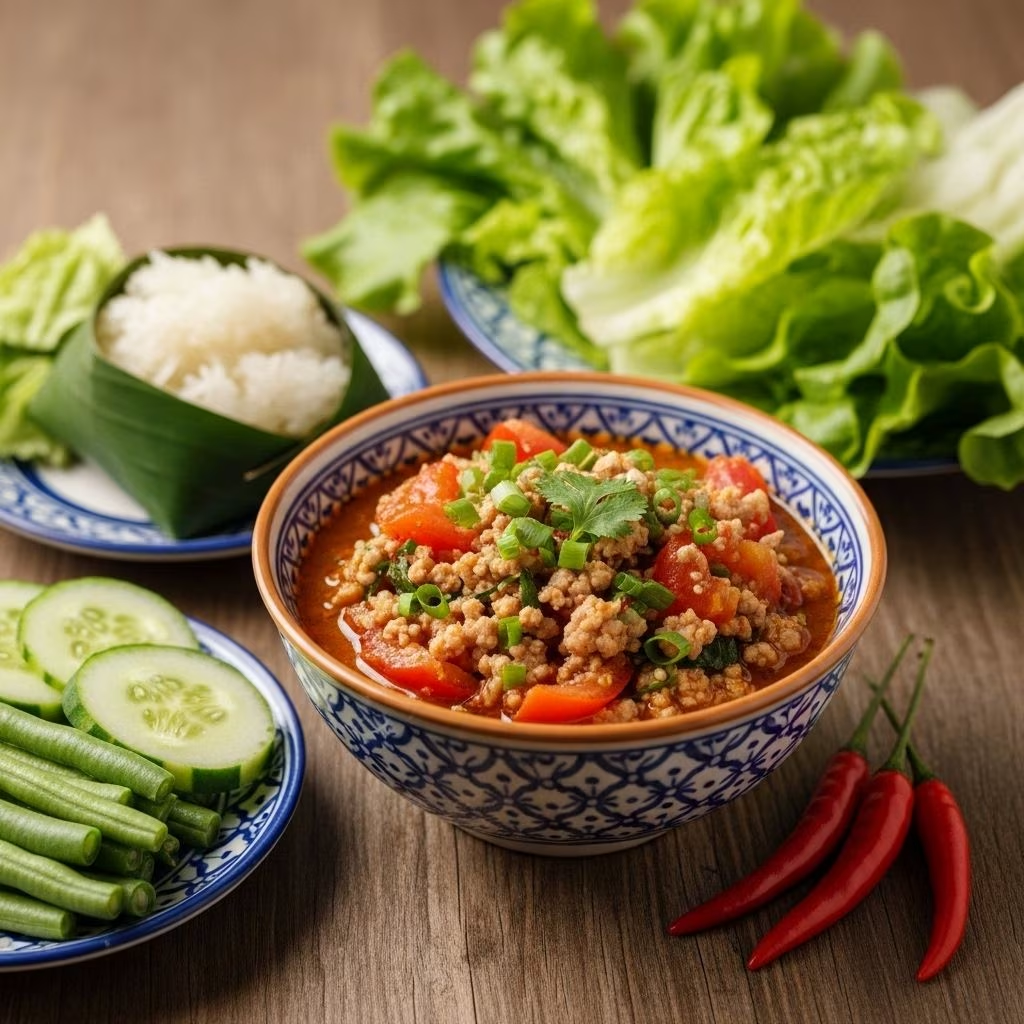
The joy of Nam Prik Ong is in the way it transforms simple, fresh accompaniments into a communal feast. Traditionally, Nam Prik Ong is eaten family-style with a variety of textures and temperatures.
- Accompaniment Platter:
- Wedges of crisp iceberg or romaine lettuce
- Steamed or raw cabbage leaves
- Fresh cucumber spears or coins
- Sliced carrots or yard-long beans
- Steamed jasmine or sticky rice
- Fried pork rinds (for crunch)
- Occasionally, boiled eggs or fresh herbs like cilantro
- Lettuce Wrap Style: Scoop the dip onto lettuce leaves, top with vegetables and enjoy as hand-held bites.
- With Chips/Fusion: For a Thai-Western twist, serve Nam Prik Ong with potato chips, pita, or crackers; its versatility makes it a hit at global tables.
Tips: Keep the dip slightly warm before serving; leftovers also intensify in flavor and can be rewarmed the next day.
Common Variations & Substitutions
- Vegetarian Nam Prik Ong: Try TVP (textured vegetable protein) or crumbled tofu in place of pork, substituting soy or miso for shrimp paste.
- Spice Level: Adjust by using fewer dried chiles or opting for a milder variety.
- Protein Swaps: Ground chicken, turkey, or even duck can stand in for pork.
- Texture Preferences: Some cooks prefer a saucier, looser dip—simply add extra tomatoes or a splash of water as needed.
- No Shrimp Paste: Omit if unavailable and up the fish sauce, or use a bit of anchovy paste for complexity.
- Add Lemongrass: Some regional recipes include a little minced lemongrass for brightness.
Tips for Success
- Freshness matters: Use ripe, juicy tomatoes and fresh-ground pork for best results.
- Don’t rush the paste: Take time to properly pound or blend the aromatics and chiles; this forms the flavor backbone.
- Taste and adjust: With all Thai dips, balancing sweet, sour, salty, and spicy is crucial. Adjust seasonings to your palate.
- Serve with variety: Offer a range of raw and steamed vegetables to contrast the rich, spicy dip.
Frequently Asked Questions (FAQs)
Q: Can I make Nam Prik Ong vegetarian?
A: Yes. Substitute crumbled tofu or TVP for pork, and use soy or miso paste instead of fish sauce and shrimp paste.
Q: How spicy is this dish?
A: Heat depends on how many dried chiles are used. The traditional version is moderately spicy, but you can easily tone it down or amp it up.
Q: What can I serve Nam Prik Ong with?
A: Traditionally, it’s eaten with crisp raw or par-cooked vegetables like cabbage, cucumber, and long beans. For authenticity, try it with fried pork rinds (cap moo) or sticky rice. It can also be served with chips or crackers for a fusion starter.
Q: How long does Nam Prik Ong keep?
A: Properly refrigerated, it lasts up to four days. Reheat gently to preserve flavor and texture.
Q: Can I prepare the paste ahead of time?
A: Absolutely. The chili paste can be made ahead and kept in the refrigerator for up to three days before cooking with pork and tomatoes.
Conclusion: Celebrate Lanna Flavor
Nam Prik Ong is more than a dip—it’s a window into the communal, flavor-driven world of Northern Thai cooking. Its adaptability, crowd-pleasing balance of sweet, sour, and spice, and its warm, rustic heartiness have made it a perennial favorite on Thai tables (and beyond). Next time you crave a lively, shareable dish, invite Nam Prik Ong to your table and discover the magic of Lanna cuisine.
References
- https://thai-foodie.com/thaifood/thai-style-lettuce-wraps-nam-prik-ong-%E0%B8%99%E0%B9%89%E0%B8%B3%E0%B8%9E%E0%B8%A3%E0%B8%B4%E0%B8%81%E0%B8%AD%E0%B9%88%E0%B8%AD%E0%B8%87/
- https://rachelcooksthai.com/northern-thai-dip/
- https://messyvegancook.com/vegetarian-thai-nam-prik-ong/
- https://www.youtube.com/watch?v=-4SzyLMsn5M