Master the steps and secrets behind the iconic New England clambake. Avoid classic pitfalls and discover how to rescue even the most disastrous attempts.
The Myth, Magic, and Mayhem of a Clambake
The New England clambake is an American culinary ritual, steeped in centuries of tradition and summer nostalgia. Whether savored on a windswept beach or staged in a crowded backyard, the spectacle promises abundant steamy food, laughter, and often, a touch of chaos. But for every perfect clambake tale, there’s a cautionary disaster waiting to claim the unprepared or unwary. This guide unpacks the mysteries of the clambake—what can go wrong and, crucially, how you can save the day.
What Is a Real New England Clambake?
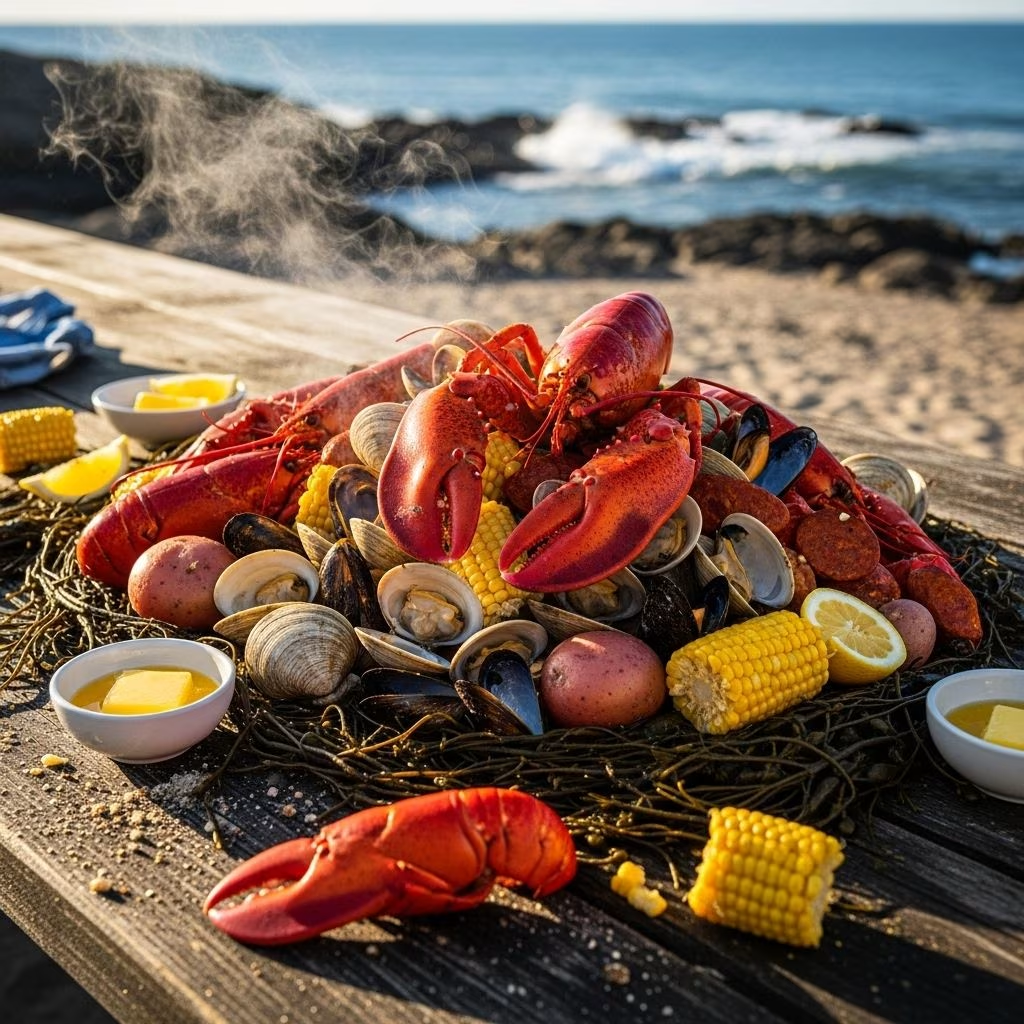
A true clambake is less a mere meal than a marathon performance. Traditionally, it’s cooked seaside: food piled over heated rocks and seaweed in a sand pit, blanketed by soaked canvases, and steamed by the salty breath of the Atlantic. Nowadays, modern adaptations abound, from kettles to backyard fire pits, but the essential heart of the ritual endures—seafood, summer, and plenty of steam.
- Core Ingredients: Clams, lobsters, sweet corn, potatoes, sausage
- Traditional Method: Seaweed, hot rocks, open flame, and plenty of muscle
- Modern Adaptations: Backyard grills, large pots, foil packs, or steaming baskets
The Common Pitfalls: How to Ruin a Clambake
While the clambake conjures images of effortless bounty, reality can be less forgiving. Many a hopeful host has stumbled into pitfalls that turn anticipation into frustration. Here are the most frequent ways a clambake can go off the rails:
1. Starting Without a Plan
Diving headfirst into the event without a detailed plan virtually guarantees missteps—be it ingredient shortages, heat mismanagement, or incomplete equipment.
- Failing to Source Seaweed: Essential for flavor and moisture, seaweed isn’t always easy to find inland and must be planned for in advance.
- Improper Timing: The clambake is a slow process; rushing or neglecting timing leaves you with undercooked shellfish or overdone corn.
2. Choosing Inferior or Ill-Prepared Ingredients
Stale seafood, rubbery sausage, or wilted corn can sink the experience. The backbone of a great clambake is absolute freshness.
- Purchase live lobsters and fresh clams.
- Don’t skip cleaning: Gritty clams or sandy potatoes leave unpleasant memories.
- Use new potatoes, fresh sweet corn, and brightly colored seaweed.
3. Botching the Fire and Steam
Heat must be carefully managed. Not enough, and your seafood languishes raw; too much, and everything is rubbery or burnt.
- Failure to Build a Proper Fire: Don’t cut corners—rocks must be heated thoroughly for consistent steaming.
- Forgetting to Douse the Burlap: Dry burlap or canvas can catch fire; always soak it in seawater (or salt water substitute).
4. Layering the Food Incorrectly
Ingredient placement is more than tradition—it matters for even cooking.
- Put potatoes and corn closest to the rocks—these need the most heat.
- Next, layer lobsters and sausage, which require gentle steaming.
- Top with clams and mussels, as they cook quickly and can overheat.
5. Not Monitoring the Bake
The urge to walk away and return hours later is strong, but regular checks are essential.
- An egg buried in the pile can act as a timer—when it is hard-boiled, everything is ready.
- Check for open clams and bright-red lobster shells as true doneness signs.
How to Rescue a Clambake Disaster
Even seasoned cooks stumble. Fortunately, most clambake fiascos can be averted or rescued at the last moment with improvisation and calm. Here’s how to handle common disasters:
Undercooked Seafood
Raw lobsters or unopened clams signal insufficient steaming. Don’t panic—remove the food, crank the heat, add new rocks or coals, and return it for additional time. If necessary, finish in a large covered pot over the fire.
Dry or Burned Corn and Potatoes
Usually a sign of layer misplacement or not enough seaweed. Quickly wrap the vegetables in foil with a splash of water and return them to the top layer for a steam rescue.
Lack of Seaweed or Ocean Aroma
If fresh seaweed is unavailable, substitute with soaked burlap or damp kitchen towels for steam. For ocean flavor, add a mix of water and salt (about the brininess of seawater) to the pile.
Clams and Mussels Won’t Open
This typically means they need more heat or time. Return them to the steam and monitor every few minutes. Discard any that remain tightly shut after extended cooking, as they may be unsafe to eat.
The Anatomy of a Perfect New England Clambake
| Component | Traditional Materials | Modern Alternatives | Common Mistakes |
|---|---|---|---|
| Fire Base | Driftwood, charcoal, large stones | Charcoal grill, fire pit, heavy-duty grill pans | Underheated rocks, insufficient coals |
| Seaweed Layer | Rockweed (natural seaweed) | Soaked burlap/kitchen towels | Dry burlap, too little moisture |
| Food Layers | Shellfish, lobster, sausage, corn, potatoes | Steaming baskets, foil packs | Poor layering, uneven cooking |
| Cover | Soaked canvas or burlap | Aluminum foil, pot lid | Improper covering, steam loss |
Essential Tools and Equipment
- Shovel (for beach pit or fire management)
- Large stones or grill grate
- Large tongs for handling hot food
- Buckets for seaweed or water
- Heavy-duty aluminum foil
- Lobster crackers and seafood picks
- Large serving trays or newspaper for communal eating
The Step-by-Step Guide to Classic Clambake Success
- Source your ingredients:
- Clams: Littleneck or cherrystone, scrubbed clean.
- Lobsters: 1 to 1.5 pounds each, lively and fresh.
- Corn: Fresh, with bright husks and shiny silk.
- Potatoes: Small, waxy types (new or red potatoes).
- Sausage: Smoked or spicy, for depth of flavor.
- Seaweed: Rockweed preferred; keep damp and cool until use.
- Prepare the pit (or grill):
- Dig a shallow pit or set up a grill with a layer of large stones.
- Build a fire—let it burn down to glowing coals with rocks fully heated (test by sizzling water droplets).
- Layer the seaweed:
- Spread damp seaweed thickly over the hot stones or grill grate.
- Add food in layers:
- First, potatoes and corn, then sausage and lobsters, finally, clams and mussels on top.
- Add more seaweed and cover:
- Cover with more seaweed and then with thick, soaked burlap or towels to trap the steam.
- Steam and monitor:
- Let steam for 45-60 minutes; periodically check the doneness (lobsters bright red, clams open, potatoes tender).
- Serve:
- Unveil the pile, distribute to guests, and serve with melted butter, lemon, and crusty bread.
Modern Backyard Clambake Adaptations
You don’t need a beach to stage a feast. Many home cooks adapt the clambake ritual for urban kitchens and backyards:
- Large Stockpots: Stack and steam all ingredients on the stovetop or grill.
- Grill Kettles: Mimic layers with foil and soaked towels.
- Oven-Baked ‘Clambakes’: Enclose ingredients in foil packets and bake gently.
While you may forfeit ocean breezes, the flavors and fun translate beautifully to any setting.
Expert Tips for an Unforgettable Clambake
- Timing is crucial: Start your fire or coals early—it takes longer than you think to heat rocks or coals adequately.
- Prep everything beforehand: Scrub shellfish, cut corn and potatoes, and have all tools at hand to avoid scrambling mid-cook.
- Mise en Place your serving area: Set tables, platters, and condiments before you uncover the pile so the feast can begin instantly.
- Have hot sauce, extra lemon, and simple sides: Enhance flavors and round out the meal with slaws, chowder, or cold salads.
- Don’t be afraid to improvise: As long as you steam everything with ample salt and moisture, you’re on the right road.
Frequently Asked Questions (FAQs)
Q: Can I throw a clambake if I can’t get fresh seaweed?
A: Yes! Substitute with thoroughly soaked burlap sacks or kitchen towels, and add a couple of cups of kosher salt to your water for ocean flavor. Essential is having plentiful steam.
Q: What’s the best way to tell if my clams and mussels are safe to eat?
A: Discard any clams or mussels that don’t open after steaming; these indicate that the shellfish may have been dead before cooking and could pose a safety risk.
Q: What are some good side dishes for a clambake?
A: Classic sides include coleslaw, buttered rolls, drawn butter, fresh lemon wedges, and for bonus points, a bowl of rich New England clam chowder.
Q: How can I adapt a clambake for vegetarians?
A: Add corn, potatoes, and smoked vegetarian sausage to the steaming pile. Serve steamed greens or roasted mushrooms for added variety.
Q: How much seafood do I need per person?
A: Plan for 1 to 1.5 pounds of lobster per person, a generous handful of clams or mussels (roughly a pound), a small potato, one ear of corn, and a few sausage slices per guest. It’s always better to err on the side of abundance.