A Taste of New Orleans in Every Bite: The Snack Cake that Represents a City
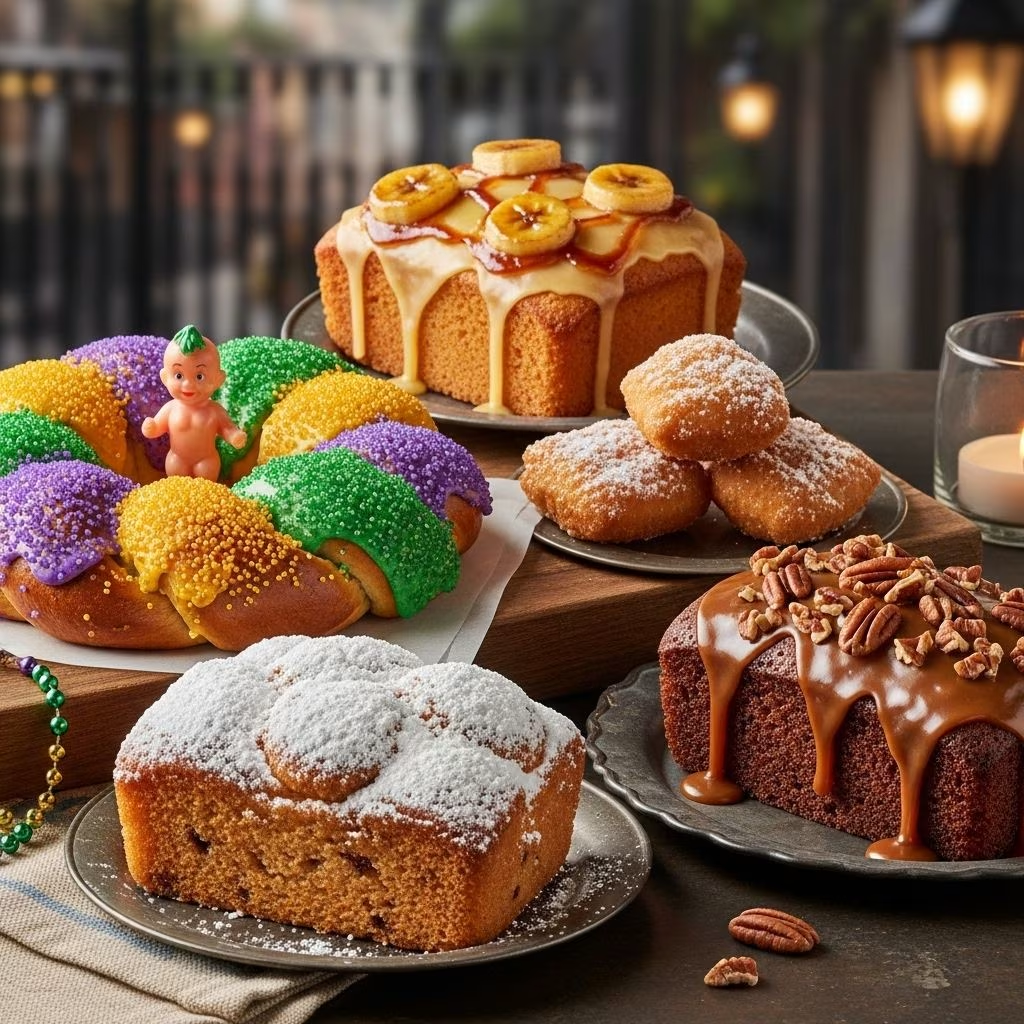
Few desserts encapsulate the joyful spirit, deep culinary traditions, and imagination of New Orleans like the snack cake. While the Crescent City is justly famous for flamboyant confections like Doberge, King Cake, and Beignets, a newer wave of snack cakes has garnered cult admiration, blending nostalgia, local agriculture, and pastry chef imagination into a format anyone can enjoy. This article explores the origins, philosophy, and irresistible flavors behind the modern New Orleans snack cake—led by the creativity of pastry chefs like Bronwen Wyatt—and why it deserves a place at the city’s dessert table.
What Is a New Orleans Snack Cake?
At first glance, a snack cake might seem humble: a tidy, sliceable square or rectangle of cake, often simply glazed or frosted, sturdy enough to be picked up by hand but soft enough to melt on the tongue. What sets the New Orleans snack cake apart is a balance between familiarity and surprise—a dessert as layered and inviting as the city itself.
- Format: Typically baked and cut into portable pieces rather than elaborate rounds.
- Texture: Tender, moist, with a resilient crumb.
- Flavors: Draw on both classic Southern cakes and local New Orleans ingredients—think citrus, pecans, and unique jams.
- Style: Beautiful but unfussy, evoking the homey comfort of a church social with the flavor complexity of a high-end bakery.
The Origins and Evolution of Snack Cakes in New Orleans
New Orleans’ baking tradition has always drawn on a diverse array of influences–from French and Spanish classics to Southern staples and Caribbean creativity. The snack cake reflects this melting pot by combining:
- Simplicity: Cakes that are quick to bake, easy to serve, and fit for both celebrations and everyday indulgence.
- Resourcefulness: Incorporation of seasonal and local ingredients like citrus (satsuma, Meyer lemon), sugarcane syrup, pecans, and preserves.
- Imagination: Ongoing reinterpretation by local pastry chefs, including variations in glaze, inclusions, and spice blends.
One pastry chef at the forefront of this movement is Bronwen Wyatt, whose whimsical and distinctly New Orleans cakes have become iconic. Her approach celebrates the humble snack cake while pushing it into new realms of flavor and design. Wyatt’s cakes are popular at local cafes, bakeries, and markets, and have sparked a renewed appreciation for this format in New Orleans and beyond.
Building the Ultimate Snack Cake: Core Components
The Cake Layer
At the heart of any good snack cake is the base. The ideal is a cake that’s sturdy enough to cut and transport, yet moist and tender. Common cake styles used in New Orleans include:
- Pound cake: Dense, buttery, and resilient.
- Olive oil cake: Offers a moist, aromatic base, especially compatible with citrus flavors.
- Buttermilk cake: Mild tang and tender crumb; extremely versatile for pairing with fruit or spices.
- Sponge cake: Airy yet structured; can absorb syrups and jams beautifully.
Local Ingredients: A Taste of Louisiana
The defining feature of the New Orleans snack cake, according to chefs and aficionados, is its use of ingredients that reflect the region’s bounty:
- Citrus: Satsumas, Meyer lemons, kumquats—the local climate produces incredible citrus, and zest or juice brings brightness to cakes and glazes.
- Pecans: Southern-grown and often toasted or caramelized, pecans add body and flavor.
- Cane syrup: Traditional sweetener with complex notes, sometimes replacing part of the sugar.
- Jams and preserves: Homemade or locally sourced, especially fig, strawberry, or mayhaw jelly.
Glazes, Frostings, and Toppings
While some snack cakes are finished plain, most feature a topping that’s both visually inviting and flavor-forward:
- Citrus glaze: Made with fresh juice and zest for a tart, sweet crust.
- Chocolate ganache: For richer cakes, a thin, shiny layer of ganache provides contrast and depth.
- Cream cheese or buttermilk frosting: Adds tang and softness, pairing beautifully with fruit-forward cakes.
- Toasted nuts: A sprinkle of pecans or walnuts offers crunch.
- Dried flowers or herbs: Visual interest and aromatic accent.
Signature New Orleans Snack Cake Flavors
The versatility of the snack cake format means countless flavor combinations are possible. Here are a few beloved varieties you might find in New Orleans bakeries—or wish to bake at home:
| Flavor Profile | Key Ingredients | Finishing Touch |
|---|---|---|
| Citrus Olive Oil | Olive oil, satsuma zest, cane sugar | Lemon or orange glaze, candied peel |
| Pecan Spice | Pecan meal, brown sugar, cinnamon, clove | Cream cheese glaze, toasted pecan pieces |
| Chocolate Mayhaw | Cocoa powder, mayhaw jelly, buttermilk | Dark chocolate ganache, sea salt |
| Strawberry Jam | Strawberry preserves, vanilla, butter | Buttermilk icing, dehydrated strawberries |
Technique: Crafting the Perfect Snack Cake
Tips from Experienced Bakers
- Always use room temperature ingredients: This ensures even mixing and a uniform texture.
- Weigh dry ingredients: Especially critical for consistent cakes, as humid New Orleans air can affect flour volume.
- Mix with care: Overworking the batter can lead to toughness. Mix just until incorporated.
- Line the pan: For easy removal, use parchment and allow some overhang for lifting the cake out after baking.
- Cool completely before glazing or frosting: Otherwise, toppings will slide off or melt.
- Finish with flair: Even a simple cake can be transformed with a sprinkle of zest, a handful of local nuts, or edible flower petals.
The Role of Pastry Chefs Like Bronwen Wyatt
Bronwen Wyatt is often credited with popularizing the snack cake renaissance in New Orleans. Her background in fine dining pastry and her affection for everyday comfort baking give her cakes their distinct character. Wyatt’s approach reflects:
- Whimsy: Each cake is an edible collage, featuring elegant glazes and often decorated with pressed flowers, candied rinds, or stripes of fruit jam.
- Seasonality: Flavors shift with the market—winter citrus in colder months, berries and stone fruit in spring and summer.
- Communal joy: Snack cakes are meant to be shared, sliced at gatherings, and eaten with your hands alongside coffee or sweet tea.
Wyatt’s cakes have inspired home bakers and professionals alike to experiment with new flavors, local produce, and visually striking presentations. The result is a cake that’s both deeply personal and unmistakably New Orleans.
Snack Cakes and Their Place Among Iconic New Orleans Desserts
While snack cakes are relative newcomers, they share shelf space and inspiration with classics unique to New Orleans:
- Doberge Cake: A local favorite, adapted from the Hungarian dobos torta, featuring thin, custard-filled layers and poured fondant.
- King Cake: The emblematic Mardi Gras confection, with braided cinnamon dough, festive icing, and a hidden trinket.
- Chantilly Cake: Layers of vanilla cake, lush berries, and whipped frosting—a cake with New Orleans roots.
- Snoballs: Not a cake at all, but shaved ice treats are the city’s answer to the summer heat and a beloved indulgence.
New Orleans snack cakes borrow from these traditions, yet carve out a unique identity through their approachability and adaptability. They distill the city’s food philosophy—use what’s local, make it beautiful, invite everyone to the table—into a dessert anyone can enjoy after a meal or with an afternoon coffee.
Making Your Own New Orleans-Style Snack Cake: A Basic Recipe Outline
While specific recipes abound, a flexible template can help home bakers create their own versions using seasonal or favorite ingredients:
- 1 1/2 cups all-purpose flour
- 1/2 teaspoon baking powder
- 1/2 teaspoon baking soda
- 1/4 teaspoon kosher salt
- 1 cup sugar (white, brown, or cane)
- 2/3 cup neutral oil or local olive oil
- 2 large eggs
- 1/2 cup buttermilk or yogurt
- Zest and juice of 1 New Orleans citrus fruit (such as Satsuma or Meyer lemon)
- 1 teaspoon vanilla extract
- 1/2 cup toasted pecans, fruit preserves, or other add-ins
Instructions:
- Preheat oven to 350°F. Line an 8×8-inch cake pan with parchment.
- In a bowl, whisk together flour, baking powder, baking soda, and salt.
- In another bowl, whisk sugar with oil, eggs, and citrus zest. Stir in buttermilk or yogurt and vanilla.
- Fold dry ingredients into wet, mixing just to combine. Stir in nuts or preserves.
- Pour batter into pan; bake for 30–40 minutes, until golden and a tester comes out clean.
- Cool completely before glazing or frosting as desired.
Snack Cakes as a Symbol of New Orleans’ Culinary Spirit
No matter where you sample one, a true New Orleans snack cake tastes both nostalgic and innovative. It invites you to savor what’s fresh, local, and joyful. The snack cake tradition is still evolving, absorbing new influences and welcoming endless creative twists, just like the city itself.
Frequently Asked Questions (FAQs)
Q: What makes a snack cake \”New Orleans-style\”?
A: New Orleans snack cakes celebrate local ingredients like citrus, pecans, and cane syrup, and often feature seasonal flavors and whimsical decorations inspired by the city’s culinary heritage.
Q: Can I make snack cakes with gluten-free flours or dairy substitutes?
A: Yes! The snack cake format is highly adaptable; you can substitute gluten-free flour blends or use non-dairy yogurt and plant-based oils for a similar result.
Q: Where can I sample authentic New Orleans snack cakes?
A: Local bakeries and markets often feature snack cakes, especially from creative pastry chefs like Bronwen Wyatt. Look for rotating seasonal flavors at popular cafes and weekend pop-ups.
Q: How should I store snack cake for best freshness?
A: Most snack cakes keep well covered at room temperature for up to 2 days or longer refrigerated, especially if they include fresh fruit or dairy-based glaze.
Q: What drinks pair best with New Orleans snack cakes?
A: Snack cakes are wonderful with coffee (especially café au lait), sweet iced tea, or dessert wines like Sauternes or sweet sherry.