Nigerian Chin Chin: A Crunchy West African Classic
Chin Chin stands as one of Nigeria’s most beloved snacks—a golden, crunchy treat enjoyed across West Africa at celebrations, street stalls, and everyday gatherings. Whether served with a cup of tea or as a festive nibble, chin chin’s appeal lies in its perfect balance of sweetness, satisfying crunch, and rich aroma from nutmeg. In this guide, we’ll explore its cultural origins, essential ingredients, step-by-step preparation, and everything you need for authentic, irresistible chin chin.
What Is Chin Chin?
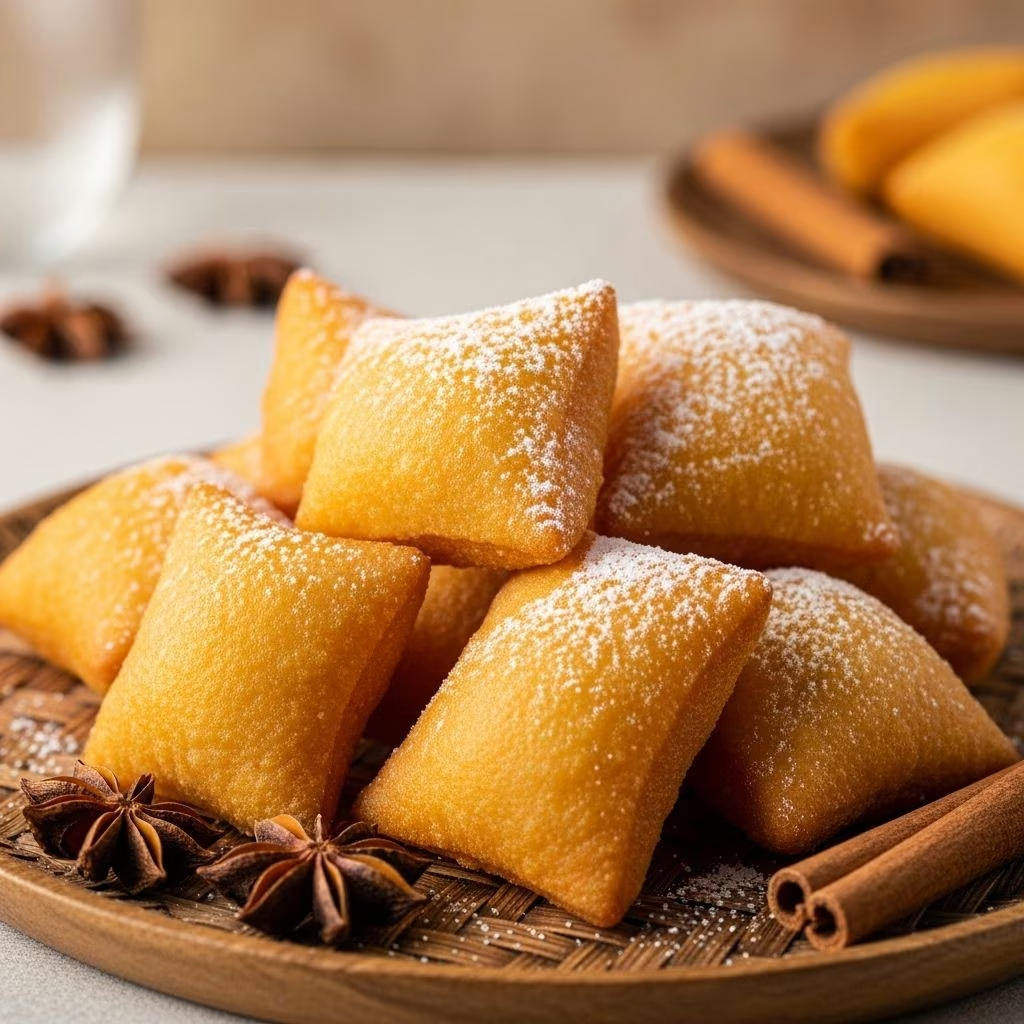
Chin chin is a fried dough snack prominent in Nigerian cuisine and neighboring West African countries. Bite-sized and perfectly crisp, it’s made from a simple dough—flour, sugar, eggs, butter, and milk—often infused with nutmeg for signature warmth.
- Texture: Crunchy, slightly crumbly, never greasy.
- Flavor: Mildly sweet, with fragrant nutmeg notes.
- Serving: Eaten by the handful, served at parties, holidays, or as an everyday snack.
The Cultural Significance of Chin Chin
Few snacks embody celebration in Nigeria like chin chin. Its presence at weddings, birthdays, and holidays reflects community, gratitude, and festivity. The easy sharing of chin chin makes it ideal for guests, travel, and gifting. Over generations, families have shared their unique twists and treasured methods, making chin chin a true symbol of Nigerian hospitality.
Essential Ingredients for Chin Chin
| Ingredient | Role | Typical Amount |
|---|---|---|
| All-purpose flour | Structure and texture | 280g – 400g / 2 cups |
| Granulated sugar | Sweetener, golden crust | 80g – 100g / 1/3 to 1/2 cup |
| Butter or margarine | Richness, crumbly texture | 50g – 250g / 4 to 8 oz |
| Egg | Binding, color | 1 large |
| Evaporated milk | Tenderness, mild flavor | 1/4 cup / 10 oz |
| Baking powder | Lightness, lift | 1/2 to 1 1/2 tsp |
| Nutmeg | Warm fragrance | 1/2 to 1 tsp |
| Salt, vanilla, citrus zest | Flavor depth (optional) | Pinch, as desired |
| Oil (for frying) | Cooking medium | Enough for deep frying |
Note: Variations exist—some families add vanilla, lemon or orange zest for aroma.
Step-by-Step: How to Make Nigerian Chin Chin
1. Combine and Prepare Dry Ingredients
- Measure flour, sugar, baking powder, nutmeg (or cinnamon if preferred) into a large bowl.
- Stir well to evenly distribute the seasonings.
2. Cut in the Butter
- Add butter (or margarine) in small chunks.
- With fingertips, rub the butter into the dry mixture until it forms a crumbly texture akin to coarse sand.
3. Add Wet Ingredients and Knead
- In a separate bowl, lightly beat the egg and mix in the evaporated milk and vanilla extract (if using).
- Pour the mixture into the bowl with crumbs.
- With a spatula, stir until dough begins to come together. Knead gently by hand to form a soft ball. If dough seems too dry, add milk or water a teaspoon at a time—sparingly!
- Wrap the dough or cover and let it rest for 5–15 minutes. Resting improves texture and flavor.
4. Rolling and Cutting the Dough
- Transfer rested dough to a lightly floured surface.
- Roll out to about 1/4 inch thickness. Dough will expand slightly when fried.
- Using a knife or pizza cutter, slice dough into uniform squares or small rectangles (traditionally finger-length, but bite-size is popular).
- To prevent sticking, lightly toss pieces in flour (optional—see frying tips below).
5. Frying to Golden Perfection
- Heat neutral oil (vegetable or canola) in a deep pot to 350–355°F (175–180°C).
- Gently drop dough pieces into hot oil in batches, taking care not to overcrowd.
- Stir occasionally while frying for even color.
- Once chin chin turns light golden brown and floats, remove with slotted spoon.
- Drain on paper towels. Chin chin firms up and gets crunchier as it cools.
6. Storage
- Cool chin chin completely before transferring to airtight containers.
- Stored this way, it remains crunchy for weeks—ideal for make-ahead gifting and snack prepping.
Expert Tips for Perfect Chin Chin
- Don’t overwork dough: Over-kneading produces tough chin chin. Mix until just combined.
- Uniform size: Even pieces cook evenly; aim for consistent thickness and shape.
- Test oil temperature: Too cool oil makes chin chin soggy; too hot causes burning. Use a thermometer or test with a dough piece—it should sizzle and rise quickly.
- Fry in batches: Prevents clumping and ensures crispness.
- Rest dough: Resting relaxes gluten, yielding tender yet crisp results.
Classic Flavor Variations
| Variation | Description |
|---|---|
| Vanilla Chin Chin | Add 1 tsp vanilla extract for enticing aroma. |
| Citrus Zest Chin Chin | Add 2 tsp orange or lemon zest for bright, fresh flavor. |
| Spiced Chin Chin | Substitute ground cinnamon or cloves for nutmeg, or combine for warming spice blend. |
| Coconut Chin Chin | Add 1/4 cup desiccated coconut to dry mixture for rich texture. |
| Whole Wheat Chin Chin | Replace half of the flour with whole wheat for a heartier, nutty crunch. |
| Gluten-Free Chin Chin | Use gluten-free flour blends; ensure adequate binding and adjust liquid as needed. |
Experiment with flavors to create your family’s unique chin chin tradition!
Serving Suggestions
- Classic: Simply cooled and eaten by the handful.
- Party snack: Serve in decorative bowls at gatherings.
- Paired with tea or coffee: Chin chin’s mild sweetness is the perfect pairing for hot drinks.
- Gift jars: Package in airtight jars for festive homemade gifts.
- Ice cream topping: Use crushed chin chin for a crunchy dessert addition.
Understanding Regional and Family Variations
Across Nigeria, chin chin recipes reflect local tastes and family traditions. Northerners often include more nutmeg or coconut, while southern regions may add orange zest. Some recipes use milk powder instead of liquid milk, or incorporate both brown and white sugars for depth.
- Eggless chin chin: Some regions omit eggs for a crunchier, slightly denser texture.
- Rich chin chin: Extra butter or margarine yields a flakier mouthfeel.
- Sweetness: Adjust sugar to taste; extra sugar creates a sweeter and darker caramelized crust.
By experimenting, you’ll discover the perfect balance for your own palate and household.
Chin Chin: Nutrition and Storage
- Calories: About 213 kcal per serving (depending on recipe and fry oil absorption).
- Vegan Adaptation: Substitute egg with water or plant-based milk, and use margarine or coconut oil.
- Long shelf-life: Stays crisp and fresh for several weeks in airtight conditions.
Chin chin is primarily an indulgent snack—sweet and high in carbs—but its simple ingredients make it accessible for all occasions.
Frequently Asked Questions (FAQs)
Q: Why does my chin chin come out soft and not crunchy?
A: Under-frying, overly thick dough, or excess liquid can lead to soft chin chin. Ensure dough is rolled thin and fry until deep golden brown. Let cool completely for maximum crunch.
Q: Can I bake chin chin instead of frying?
A: Baking is possible but less traditional; results are typically less crisp and lack the toasted flavor of fried chin chin. Bake at 375°F (190°C) until golden, turning pieces to brown evenly.
Q: How do I prevent chin chin from becoming greasy?
A: Ensure oil is hot (350–355°F) before frying, and don’t overcrowd the pan. Drain thoroughly on paper towels after frying.
Q: What’s the best way to store chin chin?
A: Once fully cooled, store in airtight jars or containers away from heat and humidity. It will remain crunchy for weeks.
Q: Can chin chin be made gluten-free?
A: Yes, use your favorite gluten-free flour mix and adjust liquid and eggs as needed to bind the dough together.
Troubleshooting and Common Mistakes
- Oil foaming during frying: Often due to excessive flour dusting or overcrowding. Limit flour dusting and fry in small batches.
- Dough not binding: Add liquids a teaspoon at a time—do not rush. Humidity and flour strength can impact absorption.
- Pieces sticking together: Toss with a bit of flour and shake apart before frying.
- Uneven browning: Stir gently while frying; ensure oil is at the correct temperature.
Recipe Summary: Classic Nigerian Chin Chin
- 2 cups (about 280g) all-purpose flour
- 1/3 cup (82g) granulated sugar
- 4 Tbsp (57g) salted butter or margarine
- 1/2 tsp baking powder
- 1/2 tsp ground nutmeg
- 1 large egg
- 1/4 cup evaporated milk
- Pinch salt, splash vanilla (optional)
- Oil for deep frying
- Mix dry ingredients. Cut in butter until crumbly.
- Mix in egg and milk; knead to dough.
- Rest dough. Roll and cut uniformly.
- Fry at 350–355°F until golden; drain and cool.
- Store in airtight container.
Why You’ll Love This Recipe
Nigerian chin chin is the ultimate crunchy snack—deceptively simple, endlessly customizable, and always crowd-pleasing. Whether made for celebrations or simple enjoyment, chin chin’s irresistible aroma, bite, and storied tradition bring a piece of West Africa alive in any kitchen. Try variations, master your technique, and share this timeless treat with friends and loved ones.
References
- https://www.mydiasporakitchen.com/nigerian-chin-chin-recipe-searching/
- https://shirleysway.blogspot.com/p/nigerian-chin-chin.html
- https://www.youtube.com/watch?v=llr9V0XI5W8
- https://www.pinterest.com/pin/nigerian-chin-chin–1151584567199847035/
- https://www.tastingtable.com/1000642/chin-chin-the-crunchy-nigerian-dessert-you-should-know-about/