Orecchiette with Broccoli Rabe and Sausage: An Italian Classic
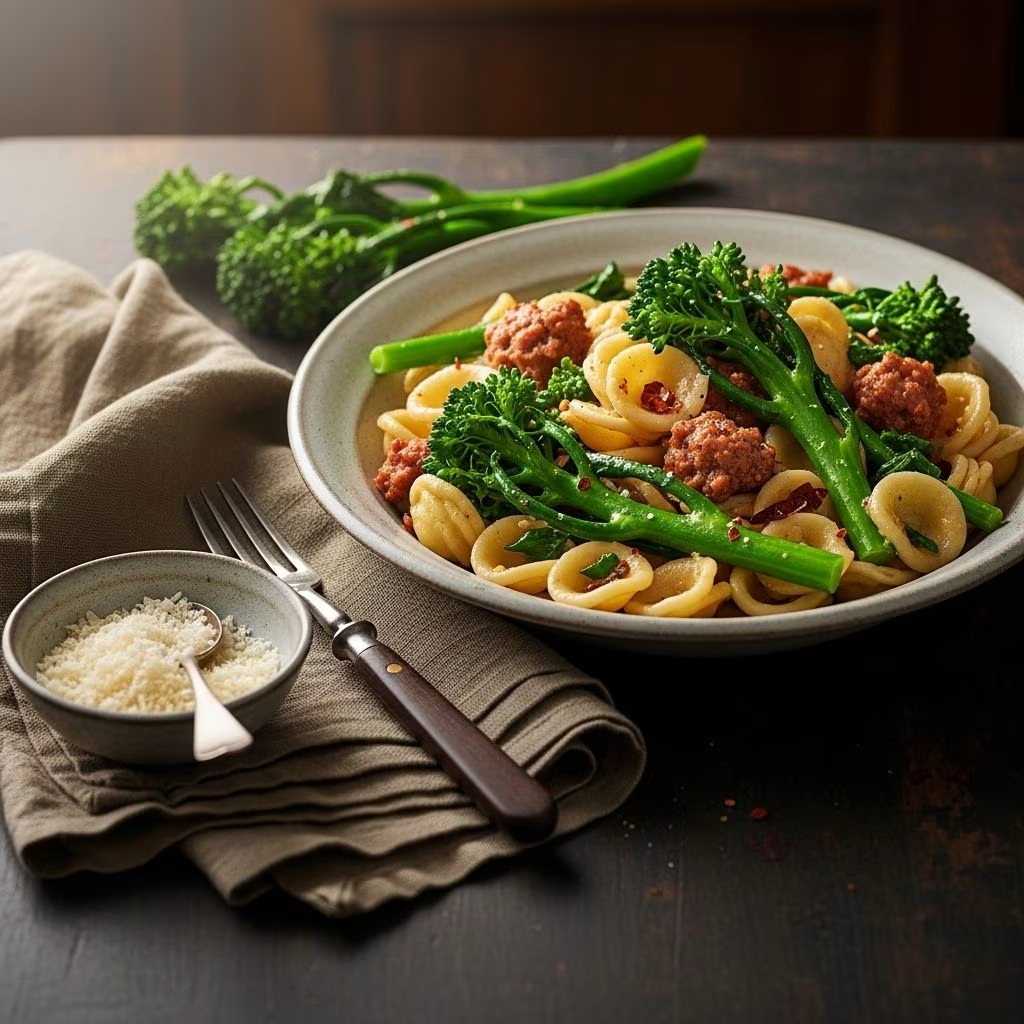
Orecchiette with broccoli rabe and Italian sausage is a pasta dish that beautifully balances hearty, bitter, and savory flavors. Rooted in the southern Italian region of Puglia, this recipe celebrates rustic tradition, simple ingredients, and bold taste. In this guide, you’ll discover the history, essential components, cooking techniques, and expert tips to master this beloved Italian classic.
Why This Recipe Works
- Classic Flavor Fusion: The pairing of earthy, bitter broccoli rabe with rich, salty sausage and nutty Parmigiano Reggiano achieves robust harmony in every bite.
- Textural Perfection: Orecchiette’s indented shape is ideal for catching morsels of sausage and the sauce’s rich oils.
- Flexible and Adaptable: The recipe allows for variations with pork, chicken, or turkey sausage and welcomes alternative greens if broccoli rabe is unavailable.
- Traditional with Modern Ease: Blanching broccoli rabe and finishing the pasta in a flavorful pan sauce bring out both classic and contemporary qualities.
Introduction and Origins of Orecchiette con Broccoli Rabe
Orecchiette con cime di rapa (“little ears with broccoli rabe”) is the pride of Puglia, the southern Italian region forming the heel of Italy’s boot. This dish exemplifies the resourcefulness of Italian cucina povera (peasant cooking), relying on minimal yet potent ingredients to deliver maximum flavor. Local tradition calls for handmade orecchiette, sturdy enough to cradle the simple sauce created from sautéed sausage, vibrant garlic, and the garden-fresh bitterness of broccoli rabe.
Historically, orecchiette has been made in Puglia for centuries, rising to culinary fame for its unique shape and sturdy bite. Broccoli rabe, also known as rapini, brings a distinct bitterness valued in southern Italian cuisine. When sausage is added to the mix, the dish transforms from modest nourishment into a celebration meal enjoyed year-round and especially beloved at Sunday family gatherings.
Essential Ingredients
| Ingredient | Description | Substitutions |
|---|---|---|
| Orecchiette | Semi-firm, “little ear”-shaped pasta native to Puglia. Holds sauce effectively. | Small shells, cavatelli, or gluten-free pasta. |
| Broccoli Rabe (Rapini) | Bitter, leafy green with small florets and tender stems. | Broccolini, regular broccoli, or kale (for milder flavors). |
| Italian Sausage | Links or bulk, sweet or hot, typically pork. Adds savory depth. | Chicken or turkey sausage; vegan sausage for plant-based version. |
| Olive Oil | Extra virgin, for sautéing and finishing. | Light olive oil or canola oil (if necessary). |
| Garlic | Fresh cloves, thinly sliced or minced, for aromatic heat. | Shallots or leeks (for a different allium flavor). |
| Red Pepper Flakes | Adds spice and brightness to the sauce. | Omit for a milder dish or use black pepper instead. |
| Pecorino Romano or Parmigiano Reggiano | For grating on top; adds saltiness and umami. | Grana Padano or nutritional yeast (vegan). |
| Salt | For seasoning water and dish. | Sea salt or kosher salt, to taste. |
| Optional: Anchovy Filets | Melted into the sauce for extra savory depth. | Can be omitted for a milder, less briny flavor. |
Step-By-Step Instructions
- Prepare Broccoli Rabe:
- Trim 2 inches off the thick stems, separate the leafy parts, and rinse thoroughly.
- Blanch the broccoli rabe in a large pot of salted, boiling water for 2–3 minutes until bright green and just tender. Immediately plunge into an ice bath to halt cooking and set the color.
- Cook Sausage:
- Remove sausage from casings (if using links). In a large skillet, heat 1–2 tablespoons olive oil over medium-high heat.
- Add crumbled sausage and cook, stirring, until browned and cooked through. Transfer sausage to a plate, leaving rendered fat in the skillet.
- Sauté Aromatics:
- Add sliced garlic (and optional anchovy filets), and red pepper flakes to the skillet. Sauté until the garlic is fragrant and lightly golden, being careful not to burn it.
- Combine Broccoli Rabe and Sausage:
- Return cooked sausage to the pan along with the drained broccoli rabe.
- Toss together over medium-high heat for a few minutes, allowing flavors to blend. If needed, add up to 1 cup reserved pasta or blanching water to loosen the mixture and create a pan sauce.
- Cook Pasta:
- While making the sauce, cook orecchiette in a separate pot of generously salted boiling water until al dente, as indicated on the package (usually 9–12 minutes for dried pasta).
- Reserve 1–2 cups pasta water before draining.
- Finish and Combine:
- Add drained orecchiette to the skillet with sausage and broccoli rabe.
- Toss everything together over high heat, adding reserved pasta water little by little to achieve a silky, cohesive sauce.
- Off the heat, sprinkle in about half of the grated cheese, toss, and taste for seasoning.
- Serve:
- Plate immediately in warmed bowls. Top with additional cheese and a drizzle of extra virgin olive oil.
Tips and Proven Variations
- Balancing Bitterness: If broccoli rabe tastes too bitter, blanch it a second time or mix with milder greens like spinach.
- Pasta Water Magic: Always reserve pasta cooking water. Its starchiness helps emulsify and extend the sauce.
- Sausage Variations: Try spicy (hot) sausage for heat, or chicken or turkey sausage for a lighter version. For a vegetarian take, omit sausage and use sautéed mushrooms or plant-based sausage.
- Anchovy for Umami: Melting an anchovy filet in the pan with garlic intensifies savory depth without “fishiness.”
- No Orecchiette? Small shells, cavatelli, or fusilli work well—choose shapes that hold sauce.
- Cheese: Pecorino Romano brings sharper, saltier flavor; Parmigiano Reggiano offers sweetness and depth.
Serving Suggestions
Orecchiette with broccoli rabe and sausage shines as a comforting main course. For a complete meal, serve alongside:
- A crisp Italian white wine such as Verdicchio or a fresh rosé.
- Simple salad of arugula, lemon, and shaved Parmigiano.
- Rustic Italian bread to sop up extra sauce.
- Roasted cherry tomatoes for color and sweetness.
Tip: Like many pasta dishes, leftovers reheat well and make an excellent lunch the following day.
Nutrition Information
| Serving Size | Calories | Carbs | Protein | Fat | Fiber |
|---|---|---|---|---|---|
| 1 1/2 cups | ~290 kcal | 39 g | 21 g | 5 g | 4 g |
(Values vary based on sausage type and pasta brand)
Frequently Asked Questions (FAQs)
Q: Can I make this dish vegetarian?
A: Yes, simply omit the sausage and replace it with sautéed mushrooms, sun-dried tomatoes, or plant-based sausage. Anchovies can be omitted or replaced with a splash of soy sauce for umami.
Q: How can I reduce the bitterness of broccoli rabe?
A: Blanching the broccoli rabe in boiling water and shocking it in ice water significantly reduces bitterness. You can also mix in milder greens for balance.
Q: Can I use different pasta shapes?
A: Yes. While orecchiette is traditional, small shells, cavatelli, or even fusilli work well as substitutes.
Q: How do I store and reheat leftovers?
A: Refrigerate leftovers in an airtight container for up to 3 days. Reheat gently in a skillet with a splash of water or olive oil to restore moisture.
Q: Are there gluten-free or whole wheat options?
A: Certainly! Use gluten-free or whole wheat orecchiette or your favorite pasta to suit dietary needs.
Pro Tips for Perfect Orecchiette with Broccoli Rabe and Sausage
- Mise En Place: Have all your ingredients prepped and ready. Once you start, the recipe moves quickly!
- Use High-Quality Sausage: Seek out fresh Italian sausage from your butcher or Italian market. The flavor makes a substantial difference.
- Balance Texture: Cook pasta just shy of al dente, as it will finish cooking in the pan sauce.
- Finish With Cheese: Grate cheese over the pasta just before serving for the best aroma and melting texture.
Conclusion: Celebrate Italian Comfort
Orecchiette with broccoli rabe and sausage represents Italian comfort food at its best—humble in origin but rich in flavor and history. Whether shared for a family dinner or prepared for guests, this dish delivers satisfaction and a taste of southern Italy no matter where you are. Buon appetito!